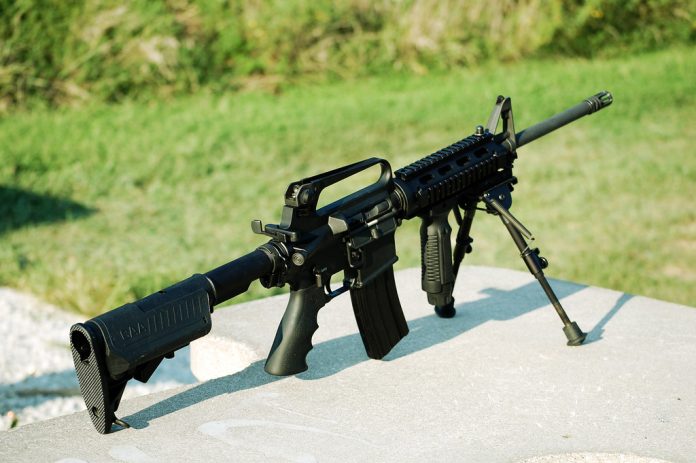
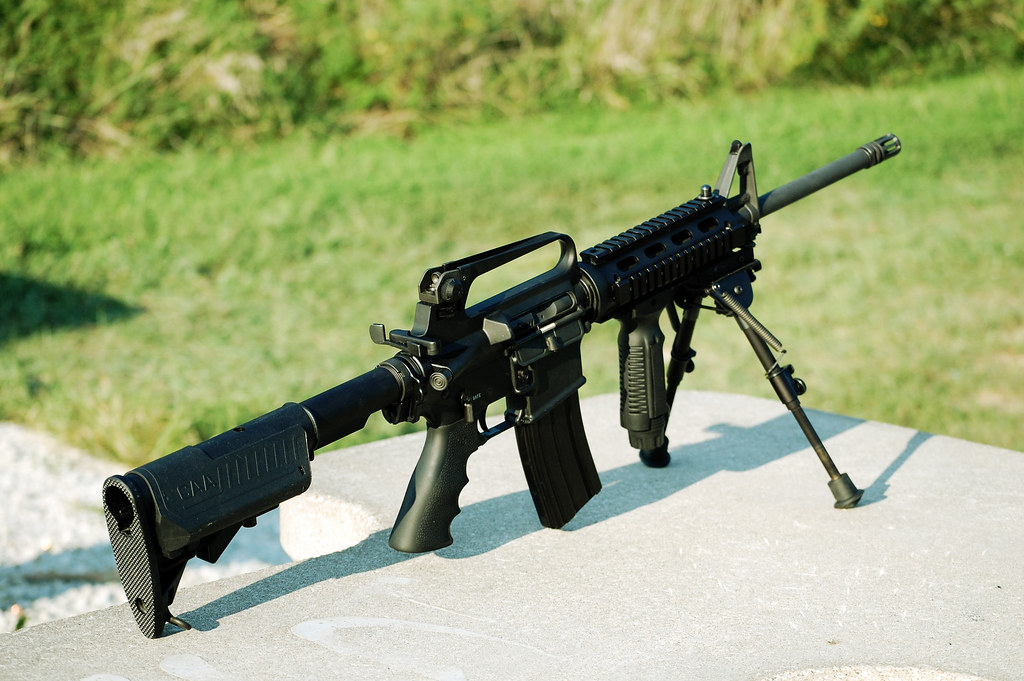
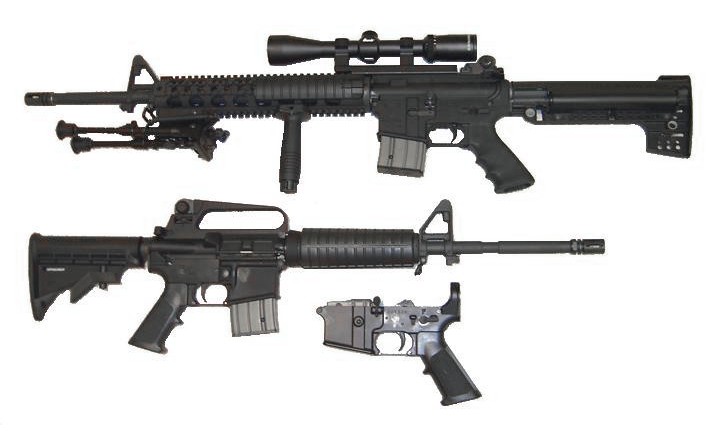
Few rifles have been the subject of as much confident misinformation as the AR-15. The design is well enough understood, but in casual conversation, the rifle remains a mysterious object partly because it resembles a military carbine, and partly because its modularity allows the same receiver to be adorned with wildly different accessories.
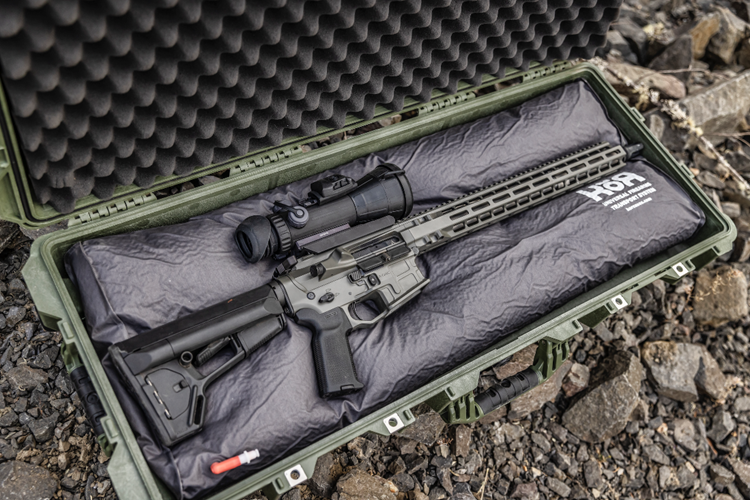
This confusion has real-world implications. It clouds the new owner’s understanding of how to handle the rifle, how to store it safely in the home, and how the law applies to the barrels, braces, and “features” that can transform a rifle from one category to another.
1. “AR” stands for “assault rifle”
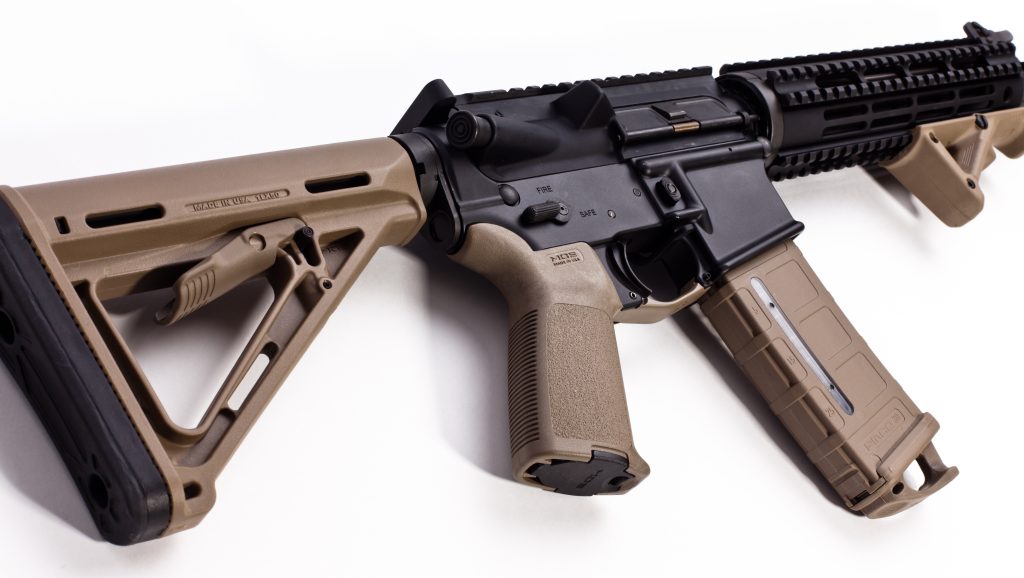
The “AR” in AR-15 stands for ArmaLite, not for any sort of assault rifle or automatic firing cycle. The original AR-15 was an outgrowth of the earlier AR-10 project, and was designed around the concepts of using lightweight materials and a straight-line recoil system. When ArmaLite sold the rights to the design to Colt in 1959, Colt retained the “AR-15” trademark for semi-automatic versions of the design sold outside the military, even as the military version evolved into the M16 series. This helps explain why the name has stuck, even on rifles that lack any sort of select-fire capability.
2. “Civilian AR-15s are basically full-auto”
The basic civilian AR-15 is a single-shot rifle. Full-automatic discharge requires a different type of fire control system, with parts that change the trigger and hammer reset time in relation to the bolt cycle. Federal law also defines certain conversion parts as machine guns by definition, which is why “it’s just a small part” is such a dangerous misconception with real-world legal ramifications. The difference is not merely cosmetic; it exists in the timing and geometry of the fire control group.
3. 5.56 NATO and .223 Remington are always interchangeable
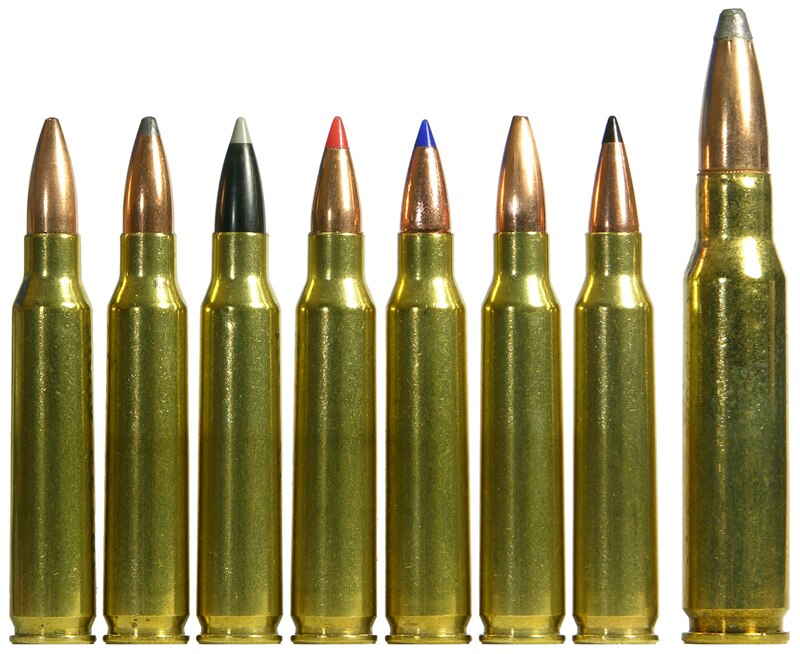
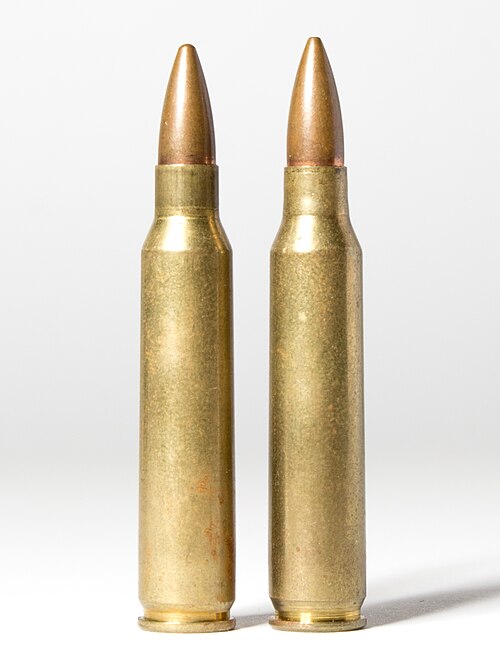
It is not uncommon to see many AR-15 rifles chambered in 5.56 NATO, and common ammunition on the shelf is .223 Remington. The cartridges appear identical, but the chambering and pressure requirements can differ. A 5.56 NATO rifle will typically chamber and fire .223 Remington, but not the other way around. Some barrels are chambered for .223 Wylde, which is intended for firing both cartridges with less compromise on pressure and accuracy.
4. The AR-15 is “too powerful” compared with traditional hunting rifles
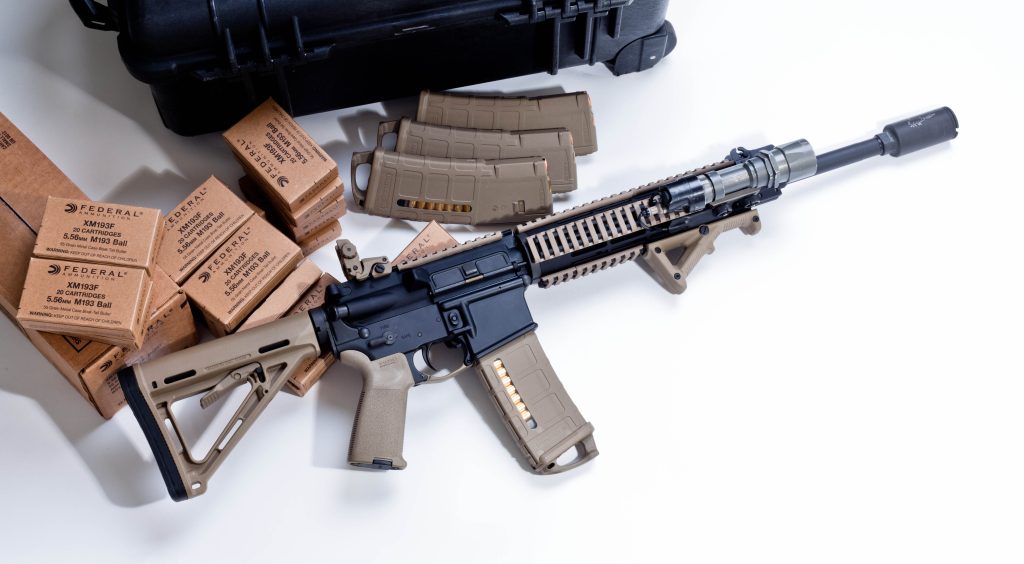
From an energy perspective, most AR-15 cartridges are considered to be intermediate. Many traditional full-power cartridges possess significantly more muzzle energy and recoil, which is why they remain so popular in ranges where larger game and longer shots are more common. The popularity of the AR-15 has little to do with its power and everything to do with its controllability, modularity, and the fact that it can be built for a purpose rather than simply being powerful.
5. A rifle is automatically a bad choice for home defense because it “over-penetrates”
The risk of barrier is certainly there, but the stereotype that a rifle round will inevitably blow through everything is an oversimplification of the performance of different types of ammunition when they hit soft tissue and walls. Tests performed using 12-inch 10% ballistic gel with drywall and stud wall sections showed that while some types of 5.56/.223 defensive rounds stopped in the first interior wall past the gel, others made it farther. The bigger picture here is that misses are the real danger: in the same test configuration, most “clean miss” shots, regardless of handgun, shotgun, or rifle, passed through multiple walls.
6. The AR-15 is “plug-and-play” and doesn’t require any actual skill
The AR is modular, which is handy, not idiot-proof. Gas blocks that aren’t aligned, over-torqued barrel nuts, and mismatched parts can cause problems or be downright dangerous. The platform is also amenable to tinkering: upper receivers, buffer weights, and trigger components can be used to mess with timing and reliability. “It assembled” does not necessarily mean “it assembled properly,” especially if the gun is going to be used in a high-stress situation.

7. “Legal in America” is legal everywhere and the laws are solid
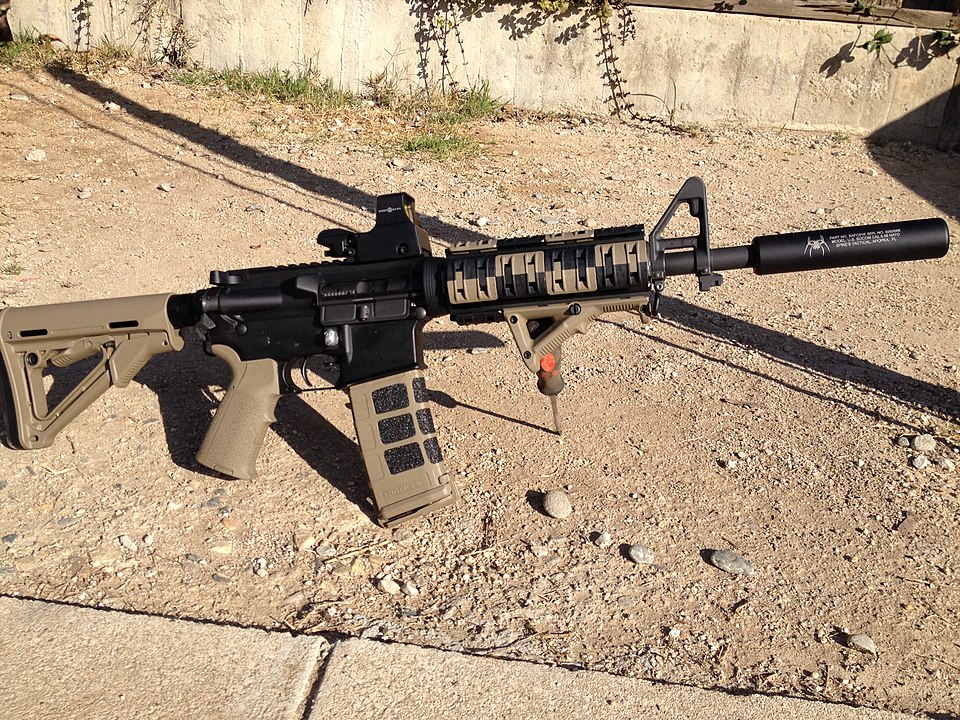
The legality of AR-15s is complicated: federal statutes combined with state restrictions on features, magazine capacity, and definitions that vary according to grip style or stock adjustability. In certain areas, the concept of a featureless rifle is a direct answer to banned configurations of features to maintain a detachable magazine. Federal statutes may also vary according to configuration specifics; for example, the National Firearms Act defines short-barreled rifles according to a 16-inch barrel and 26-inch overall length, which is why barrel length and stock style aren’t “just ergonomics.”
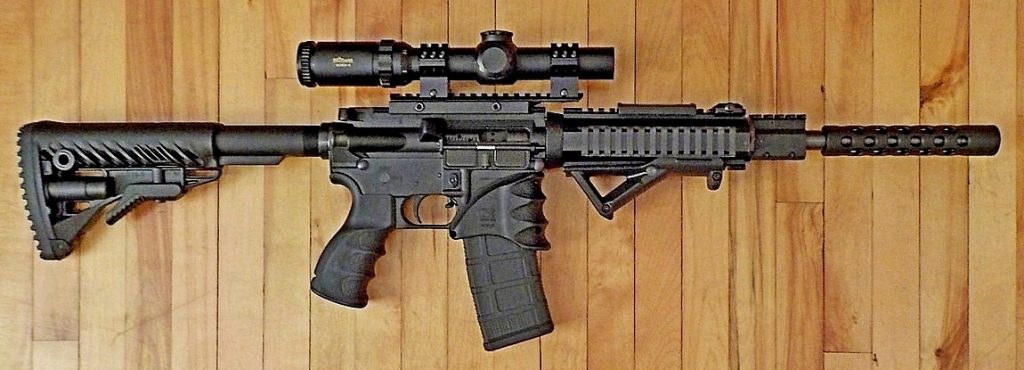
The real history of the AR-15 is more about design choices: materials, recoil, and a two-piece receiver that’s just begging to be modified. The same design choices that make the AR-15 so successful also make talking about it very, very costly. The best way to begin anew for AR-15 enthusiasts and non-enthusiasts alike is this: “The AR-15 is a modular firearm system whose purpose, legality, and danger level vary according to specific parts and configurations not catchphrases.”


