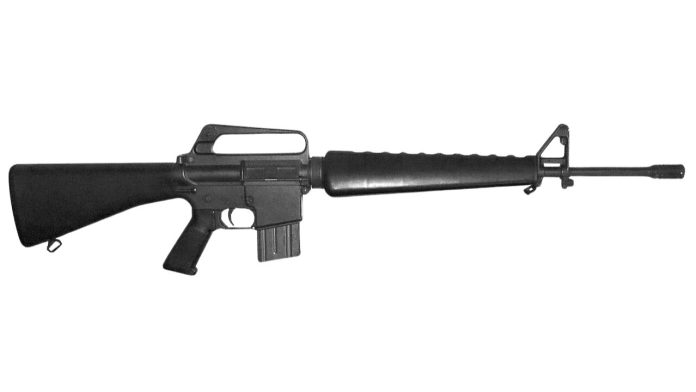
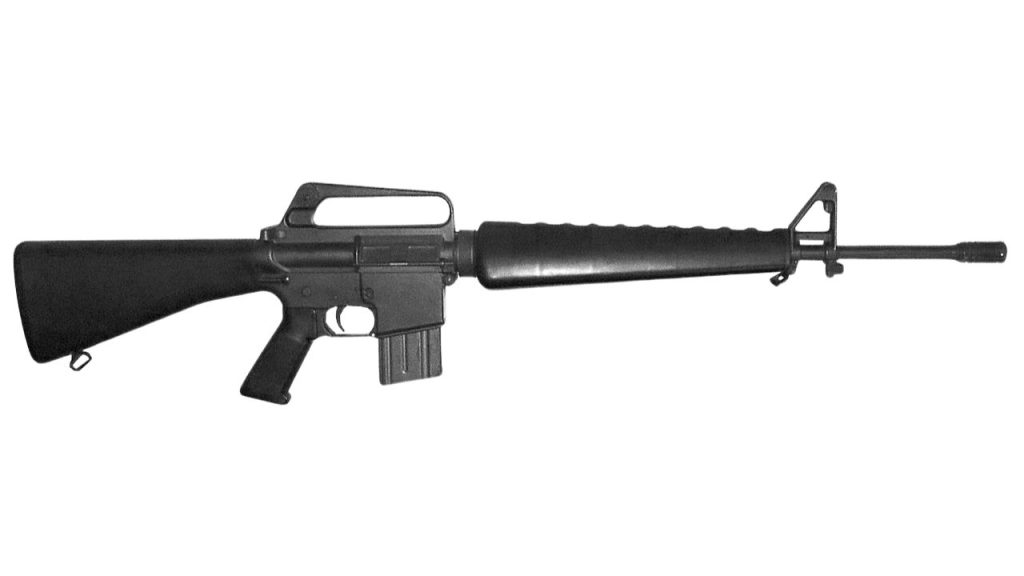
“The AR-15 platform is a magnet for a certain kind of argument: confident, vocal, and sometimes far removed from the actual firearm. In workshops, on ranges, and in living rooms, the same claims are made about what the firearm is called, what it can do, what the law is, and what happens when a bullet encounters drywall.”
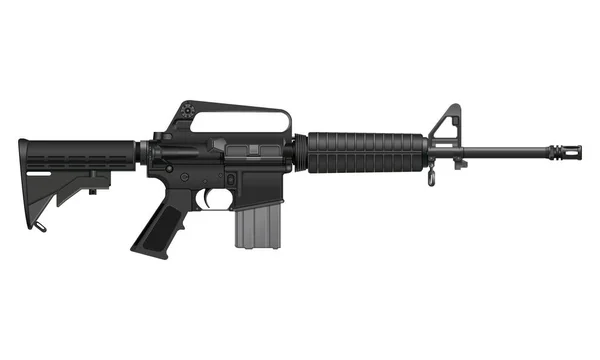
Busting this fog is important to responsible ownership because the AR-15 is a system. The dynamics change with the fire control components, the chamber size, the barrel length, and even the materials used in a normal house. The myths are perpetuated because they are easy to remember.
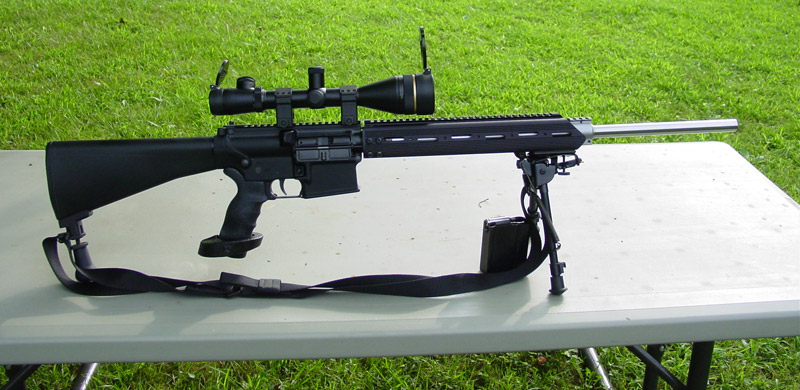
1. “AR” stands for “assault
The “AR” in AR-15 is a branding convention that is a part of a series of designs by ArmaLite, and not a generic designation for “assault rifle.” This is a misnomer that has been perpetuated because the design of the rifle resembles a military carbine, but the letters are a branding designation that has been in use for longer than the current cultural lexicon.
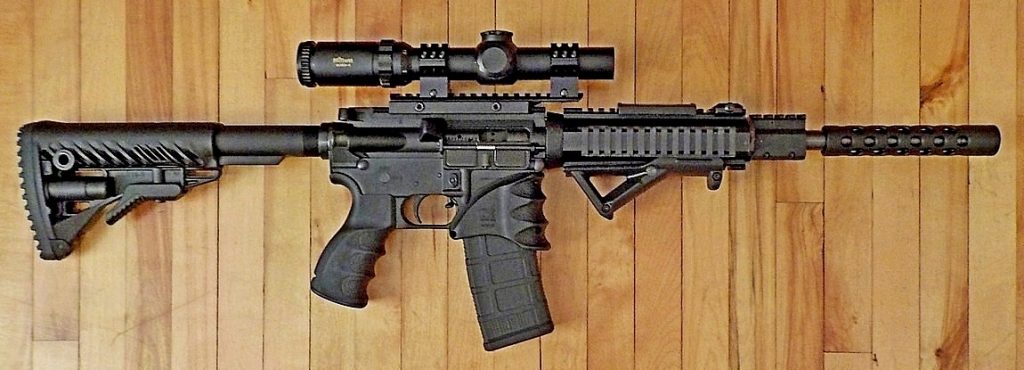
2. Civilian AR-15s are effectively full-auto
A civilian AR-15 will fire one round for each pull of the trigger. Fully automatic fire is achieved through the use of an auto sear and other fire control components, which are not part of a semi-automatic rifle’s design. This is a functional difference, not a cosmetic difference, and it is present in the lower receiver.
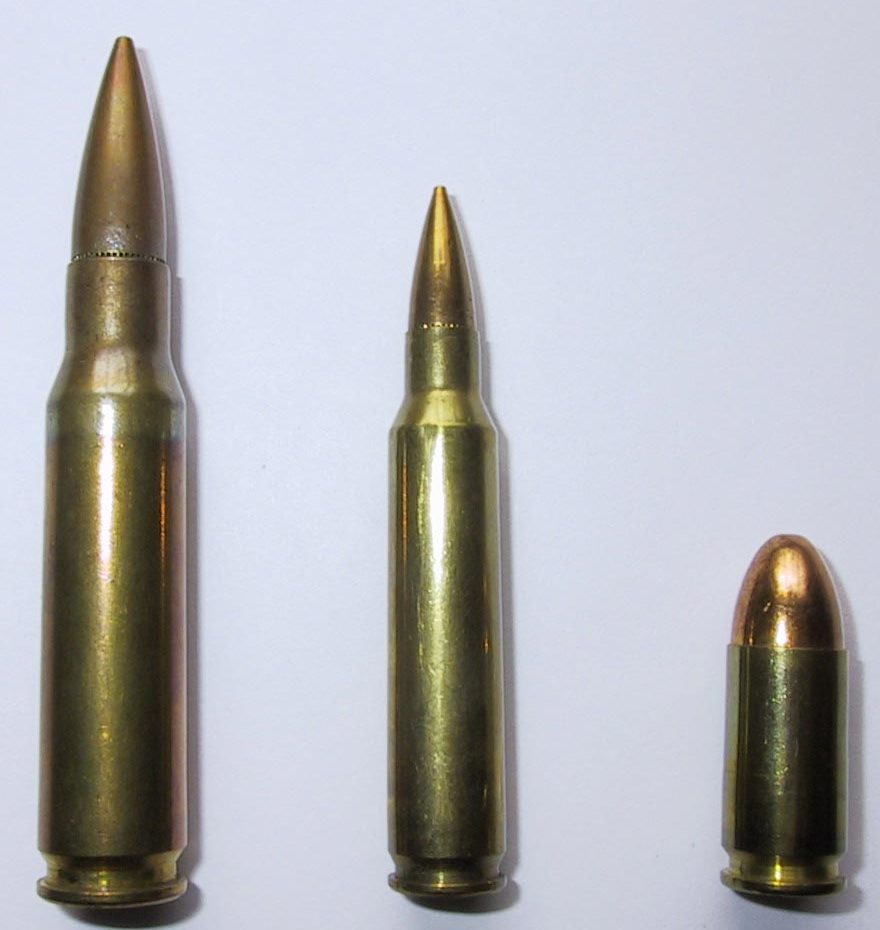
3. 5.56 NATO and .223 Remington are interchangeable in every direction
Gun owners tend to treat 5.56 and .223 as the same name, but chamber configuration and pressure rating set them apart. A rifle chambered for 5.56 NATO will safely chamber and fire a .223 Remington cartridge, but not vice versa, as 5.56 cartridges are loaded to a higher pressure, and chamber throat configuration may differ. The subtlety of 5.56 NATO rifles that can safely chamber and fire 223 Remington is reduced to a slogan that forgets the important part.
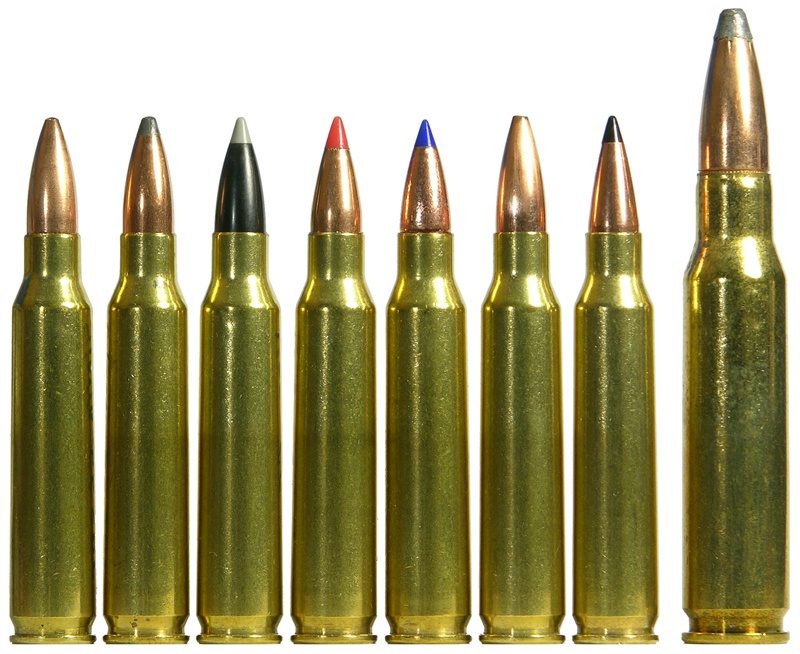
4. The AR-15 is “too powerful” compared with traditional hunting rifles
The standard cartridges for the AR-15 (.223 Remington/5.56 NATO) are described as “intermediate” cartridges and are not the hard-hitting big game hunting type. In terms of recoil and power, the difference between the 5.56 NATO and .308-class rifles is substantial; it is estimated that the recoil of .308 can be three times more punishing than that of the 5.56 NATO. This alone explains why shooters have found the AR-15 to be controllable rather than punishing.
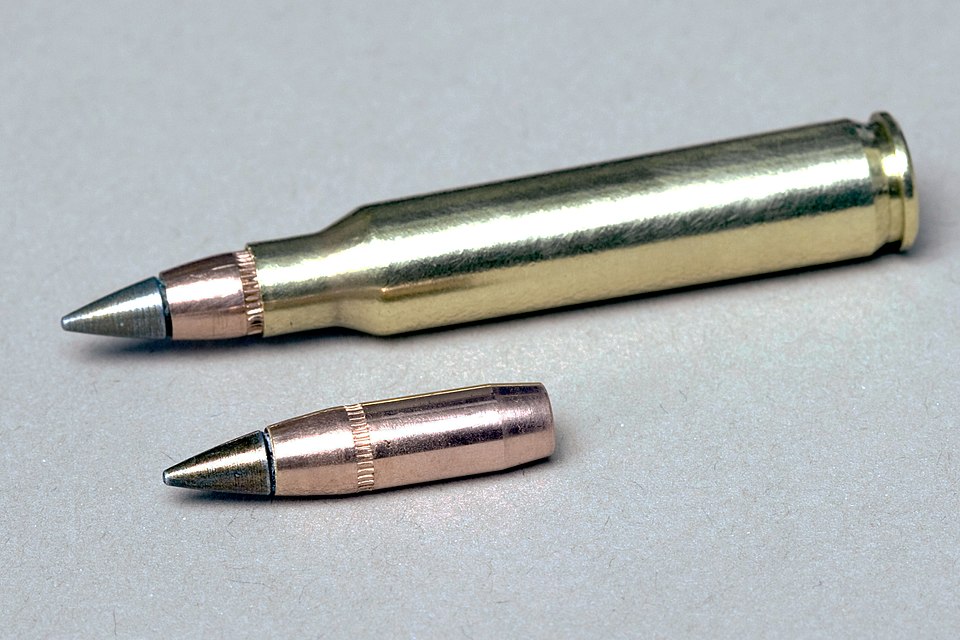
5. Rifle ammunition always over-penetrates in comparison to handgun or shotgun ammunition indoors
The indoor “stopping power” discussion may not take into account an important factor: what the projectile strikes and what it does after that. In a home-style wall test with 3/8′′ drywall on either side of 2×4 construction, many rounds from many guns can strike multiple barriers if they miss the target material. The ugly part of this equation that remains the same is that a clean miss is the over-penetration shot, regardless of the gun.
The more relevant application from this is that the construction of projectiles changes outcomes. In a comparable test, certain rounds of defensive .223/5.56 ammo stopped in interior wall material after penetrating gel, while others did not. This is not a choice for the platform; instead, it is the choice of the cartridge and the projectile.
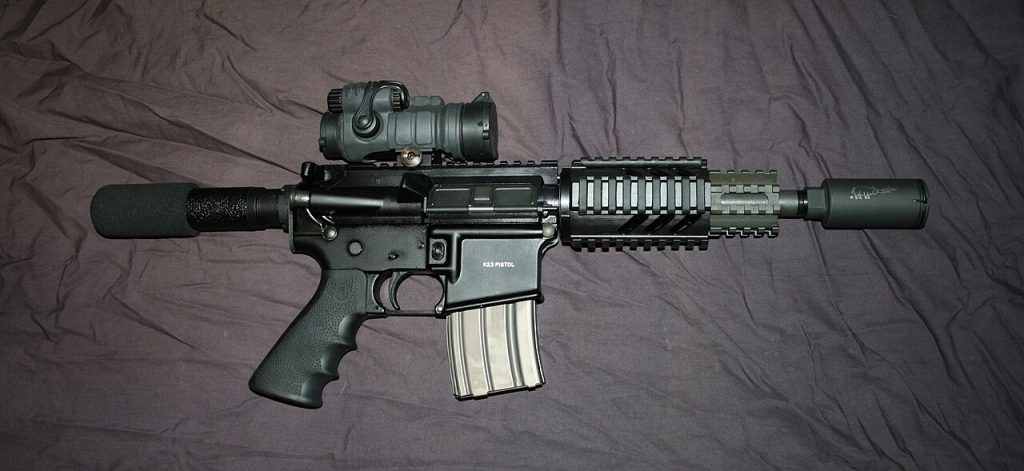
6. “AR pistols” and braces are only accessories and do not have any legal effect
AR pistols are covered by a very narrow definition that focuses on the length, barrel length, and design of the firearm. A stabilizing brace is designed to make it easier to shoot with one hand and is typically attached to the forearm, which is a mechanically different design from a shoulder-fired stock. The issue with the law has been that the definitions have shifted over time depending on how a braced pistol is defined.
As of 2025, one of the updates that made the rounds reported that the conflict over the brace had been settled, as the Department of Justice agreed to drop the case against pistol braces. Whether or not a given build is legal, however, is still contingent upon the specifics of the build, which owners tend to blow off until it is an emergency.

7. AR-15s are banned in the entire U.S.
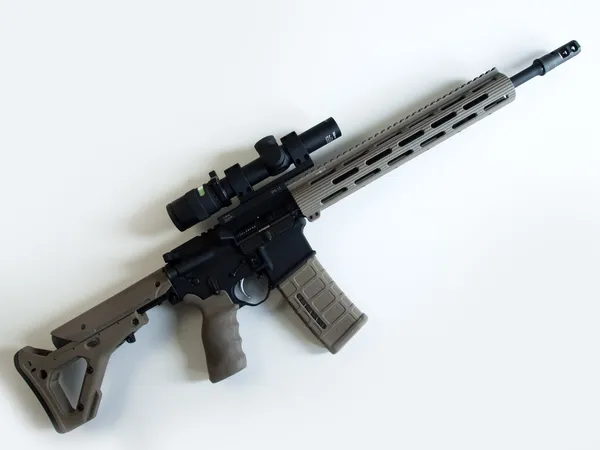
There is no blanket federal prohibition on the ownership of AR-15s, but state and local laws vary on what constitutes “an AR-15.” In California, for example, a “featureless” variant is focused on avoiding certain prohibited features, which allows the use of detachable magazines with an ergonomics and furniture change. The definition of a featureless rifle, as it pertains to California, shows how quickly a given platform can be broken down into several different legal variants.
The mythology of the AR-15 is sustained because it offers easy answers to questions that are fundamentally engineering-related: naming conventions, internal parts, chambering, and bullet materials. A modular gun design leads to modular myths. The best cure remains the same: read the configuration, not the legend, and treat “common knowledge” like something that comes with a parts list.”


