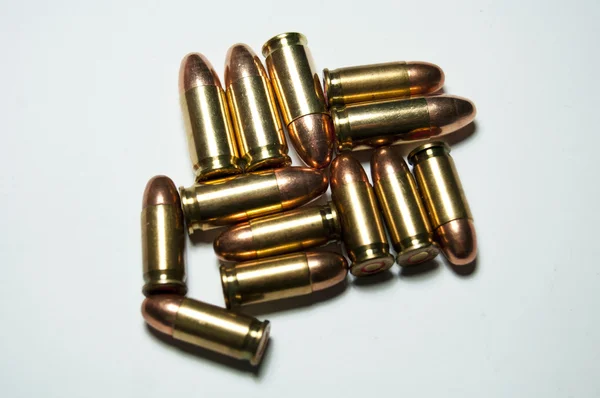
Can a ‘popular’ caliber still be the wrong tool when the hallway is short and the stakes are permanent? Home defense is not a caliber-shooting contest. It’s a stress test: how well it works when it’s full of dust, how well it works when your hands are shaking, and how well it penetrates where it needs to without going through what it doesn’t.
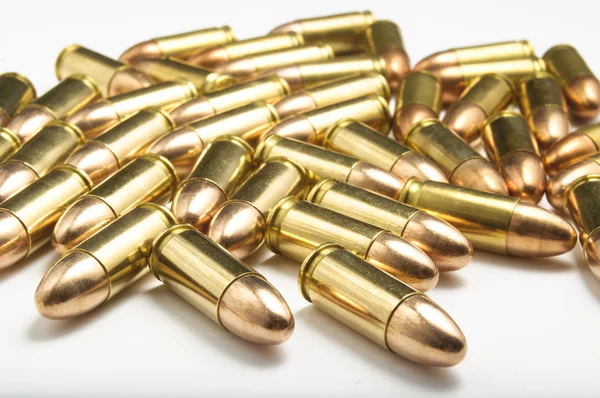
The work of ballistic gelatin again and again points to the same unpleasant fact: a handgun bullet must penetrate deeply enough to reach the vital organs, and the hurdle is usually set up around the FBI standards of penetration between 12 and 18 inches. If the cartridge has a tendency to fall short of the mark, or if it comes with the recoil and over-penetration problems that the average family can’t handle, the “it worked for my buddy” defense becomes less than helpful.
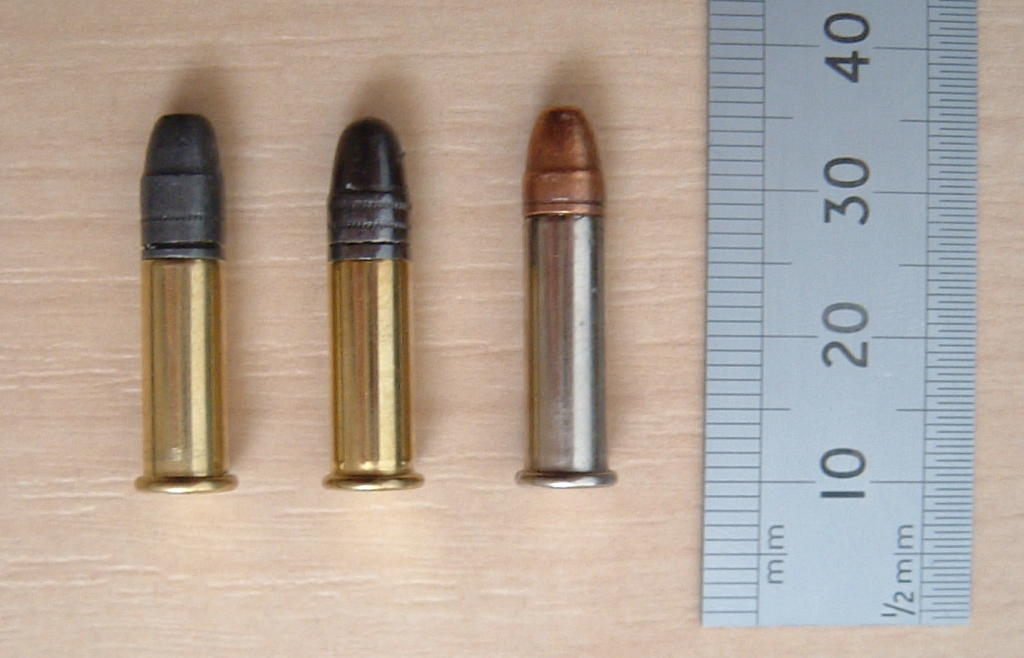
1. .22 Long Rifle
.22 LR is ubiquitous because it is soft-shooting and easy to practice with. The engineering challenge is built right in: rimfire priming is less reliable than centerfire, and defensive shooting doesn’t provide an opportunity for normal misfires. The cartridge will also impart a moderate amount of energy, often under 200 ft-lbs, which makes it more difficult to achieve consistent clothing-through penetration, especially against a determined attacker.
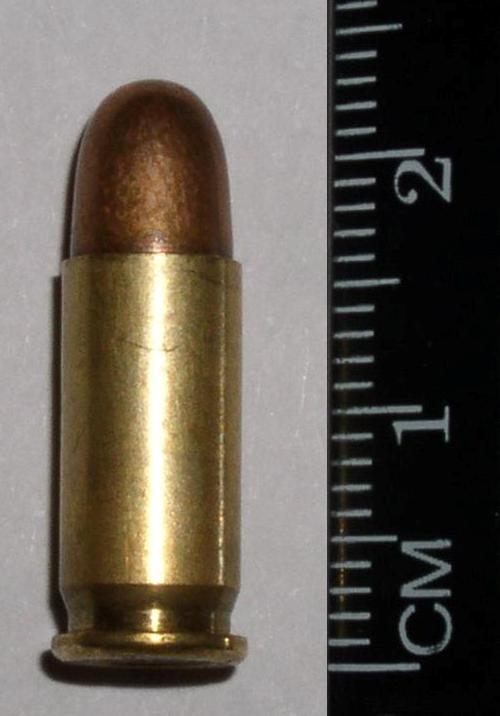
2. .25 ACP
.25 ACP was designed to make small pistols function better than .22 LR by providing centerfire ignition. The strength trade is extreme. When you consider that many bullets will deliver less than 70 ft-lbs of energy, the performance envelope is extremely thin, and contemporary hollow-point bullets can’t deliver velocity that isn’t there. Then there’s the fact that most .25 ACP pistols are older, smaller, and sighted for pocket carry.
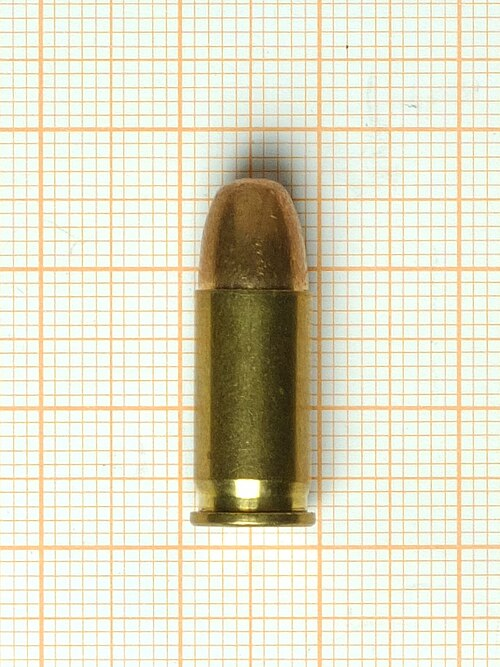
3. .32 ACP
.32 ACP also appears in modern carry pistols and is still a pleasure to shoot. The problem that persists is the inconsistent terminal ballistics when barriers are present. In gel tests with heavy clothing, hollow points can plug and act like ball ammunition, producing unpredictable results for expansion and penetration, which is exactly what one doesn’t want when shooting a small caliber.
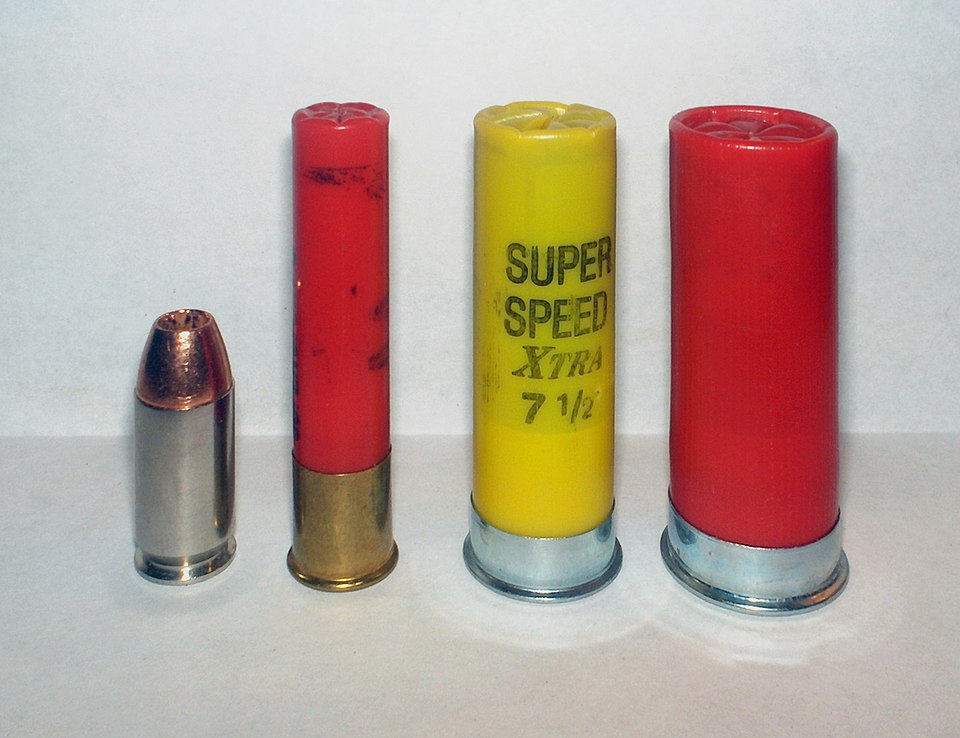
4. .410 Shotshell From Handguns
The appeal is simple: “shotgun effect” in a revolver. The truth is that short barrels rob the bullet of speed, and many .410 defensive cartridges were designed around different platforms than a rifled revolver barrel. At typical indoor ranges, patterns can open up in ways that water down pellet density, and birdshot loads often don’t penetrate deeply enough to hit vital targets. When the entire point of the platform is “spread,” it becomes more difficult, not less, to be responsible for every pellet.
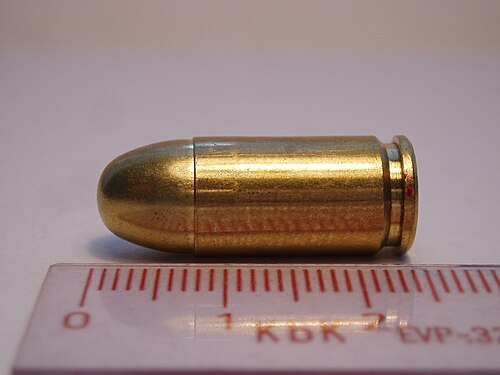
5. .380 ACP With Weak Loads
.380 ACP might be an option, but it’s a cartridge that will penalize you for lazy ammunition choices. In shorter-barreled pistols, some ammunition may have difficulty penetrating to a satisfactory depth, particularly after traveling through thick clothing. These same short pistols that make .380 so convenient may also be snappy, and this recoil/performance tradeoff is not a good bargain when your ammunition of choice is already bordering on under-penetration.
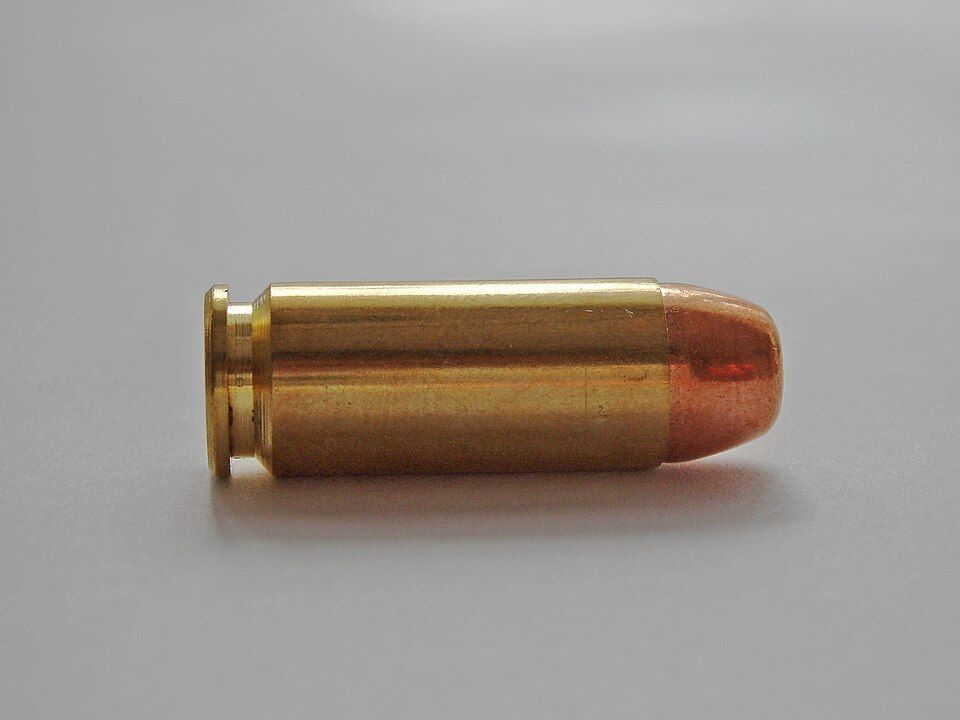
6. 10mm Auto
With 10mm, serious levels of performance can be expected, usually above 600 ft-lbs of force, and this comes with a kick that may hamper quick follow-up shots. The more pertinent issue for home defense, however, is penetration control. In a closed environment, bullets that tend to penetrate deeply may raise the risk of projectiles passing through the target and then through the interior materials of the defended space, particularly if expansion is not optimal or the angle of impact is not ideal.

7. .38 Special From Ultra-Short Barrels
The snub-nosed revolver is easy to tote, but the laws of physics ignore convenience. Short barrels reduce velocity, and this can cause hollow points to become underperformers either failing to expand or penetrating at the low end of an acceptable range. The effect of barrel length on velocity has been quantified in data-driven revolver tests, and the same principles are at work when a .38 Special is called upon to fill a full-size role in a very small package.

8. .44 Magnum
.44 Magnum is designed for deep penetration and high energy output, which can easily exceed 1,000 ft-lbs. This makes it prone to several weaknesses in a standard dwelling: heavy recoil, long reload times, and the potential for over-penetration if the bullet leaves the target. The strengths of the cartridge are present, but they are more suited to outside threats than inside.
The common denominator among these calibers is not that they “can’t be lethal.” It is that they create avoidable failure points: ignition reliability, unpredictable penetration of clothing, recoil that steals accuracy, or penetration that is too eager to continue. In the context of home defense, the engineering parameter that will be most useful is the ability to provide repeatable performance, such as controllable recoil, reliable ignition, and the ability to reach vital depth without creating unnecessary downstream risk.


