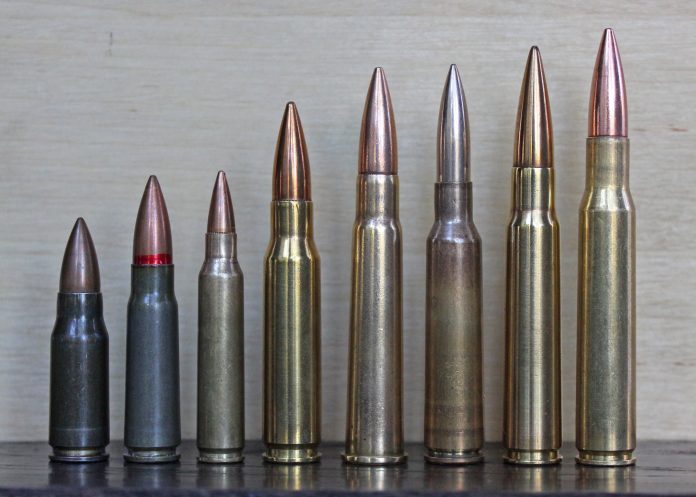
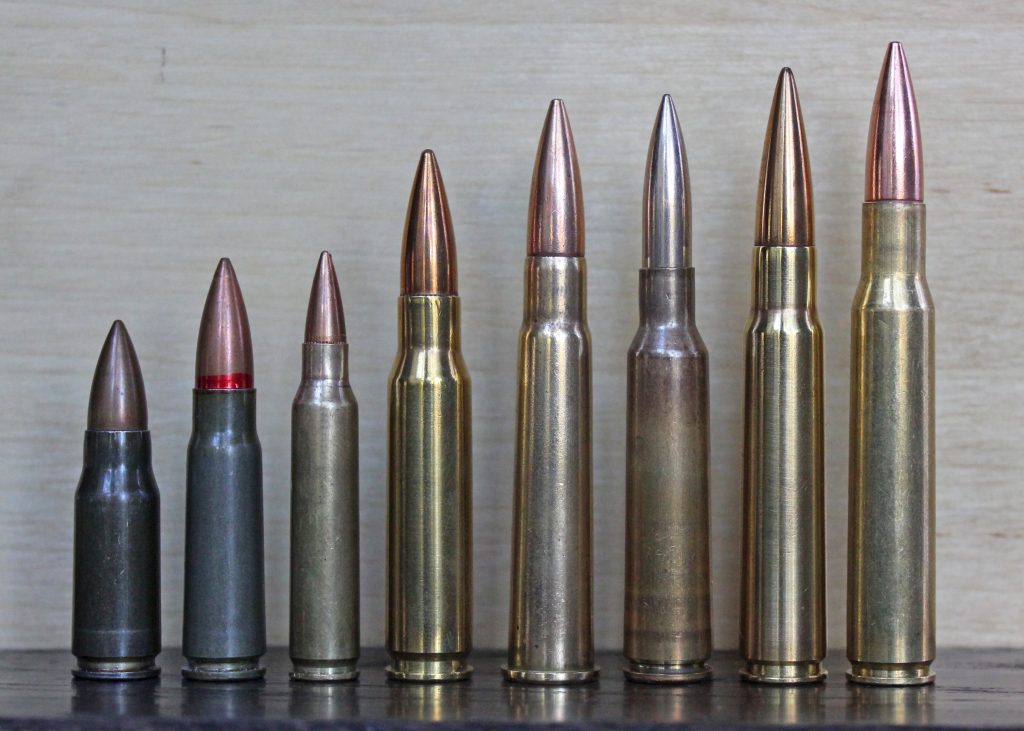
“The cartridge that prints small groups can still be the one that turns a sure thing into a long night on a blood trail. In the big-game woods, failure usually doesn’t look dramatic. It looks like a good hit that doesn’t act like one because the bullet didn’t reach what it needed to reach, or didn’t hold together long enough to get there.”
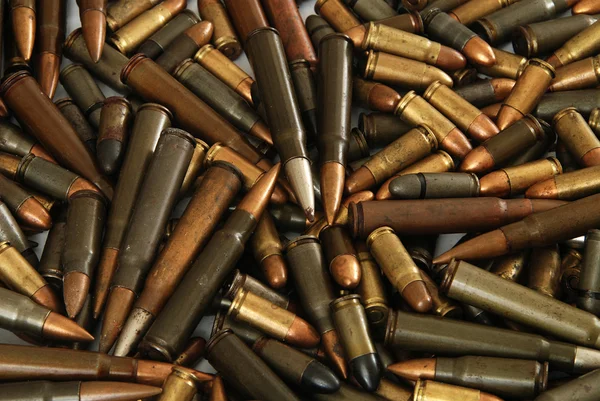
While modern bullet design has increased the floor, it has not eliminated physics. The velocity of impact, the design of the bullet, and the sectional density are still what determine whether a projectile shatters heavy bone, flies straight, and wounds enough vital tissue to finish the job quickly. It is also important to remember that it is not the energy numbers that are doing the killing. As one ballistics author wrote, “energy isn’t what kills an animal.” What is important is terminal performance, or what actually happens to the tissue after the shot.
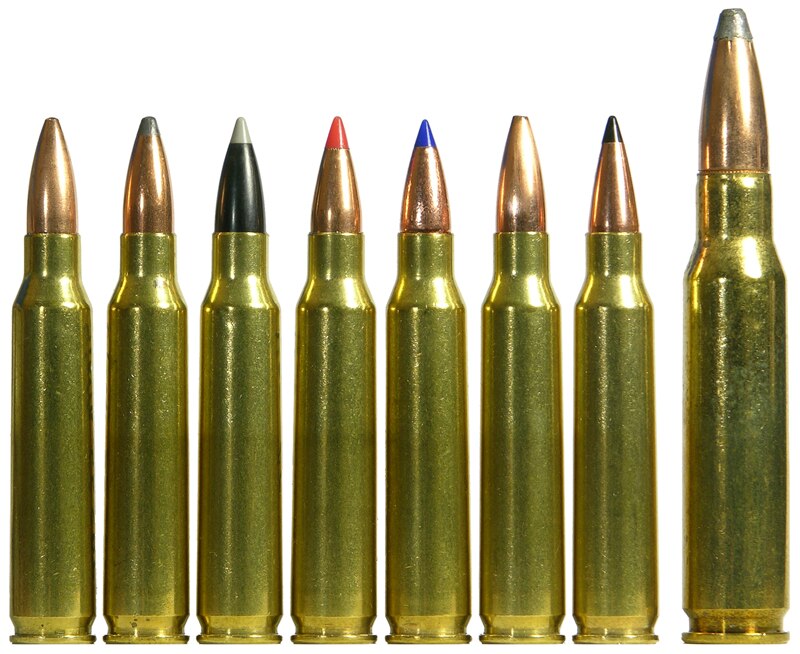
1. .223 Remington: Good accuracy, thin margin
The .223 Remington got its reputation on varmints and paper because it shoots flat and doesn’t punish the shooter. The trouble begins when the target has the construction characteristics of a tank. Light-for-caliber bullets can quickly exhaust their penetration when encountering heavy shoulder, heavy muscle, or steep angles. Even when hunters select more robust bullets, such as bonded or monolithic bullets, the cartridge still has limited frontal area and momentum compared to true big-game cartridges.
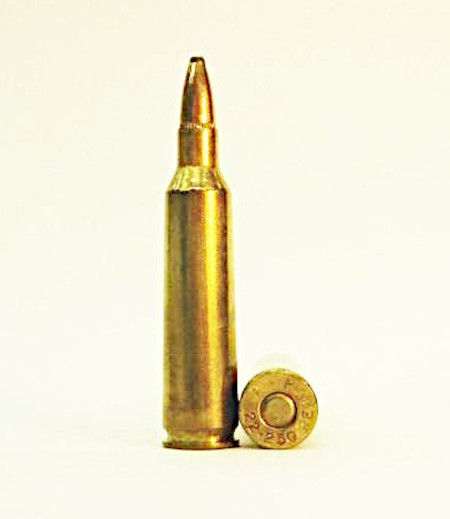
2. .22-250 Remington: Speed that can burn up on impact
The .22-250 has the appearance of a hammer on a trajectory graph, often propelling light bullets at very high speed. This can be beneficial on coyotes and range game, but on larger-bodied game, it can be detrimental to the hunter. Thin-jacketed bullets and high-speed strikes usually translate to violent expansion and shallow penetration trajectories, particularly when bone is encountered. At such times, penetration with velocity but lacking mass is a hindrance.
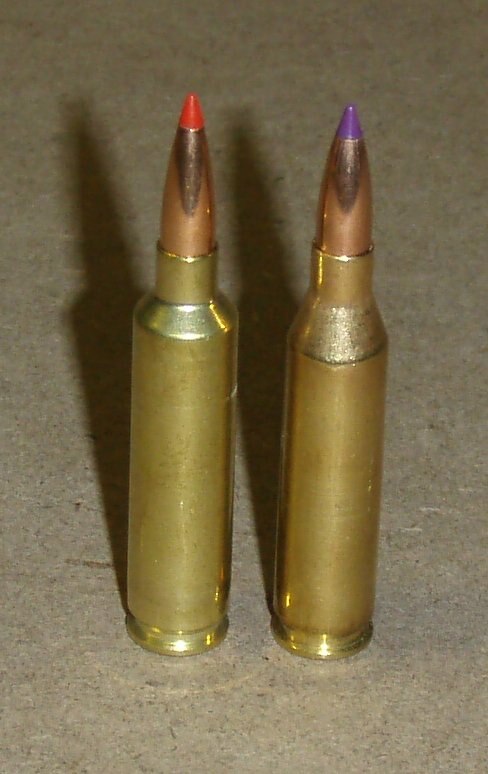
3. .243 Winchester: Effective on deer, but challenging on larger game
The biggest advantage of the .243 is a very practical one: its recoil is mild enough to allow people to shoot well, and shot placement is never optional. However, with standard projectiles, penetration may be short enough that raking angles and heavy bones are a roll of the dice. In one technical review, it is observed that with standard projectiles, penetration is not to be expected beyond 12 to 14 a figure that explains why it may be perfect on broadside deer but seem small when the deer gets bigger or the angle gets worse.
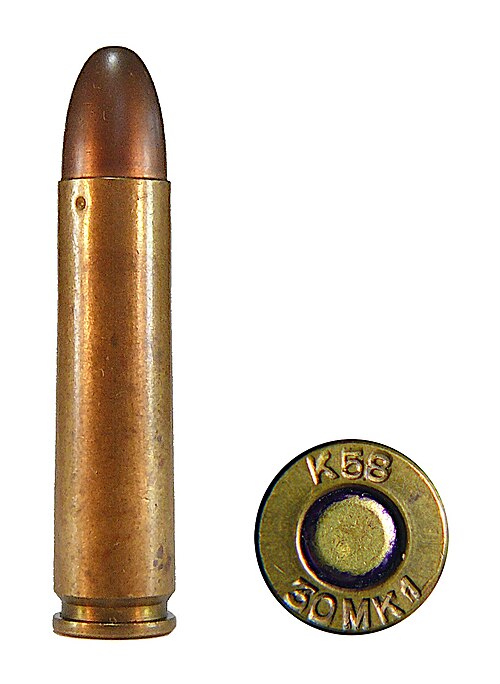
4. .30 Carbine: A short-range solution in a long-range world
Based on the M1 Carbine, the .30 Carbine is more akin to magnum handgun range than modern rifle range. This translates to a lack of effective range, a lack of penetration, and a lack of sufficient power to shatter heavy bone. In dense timber with prudent ranges, it can be effective on smaller game, but the cartridge simply doesn’t provide the insurance that hunters want when the game is large, the angle is bad, or the range is extended.
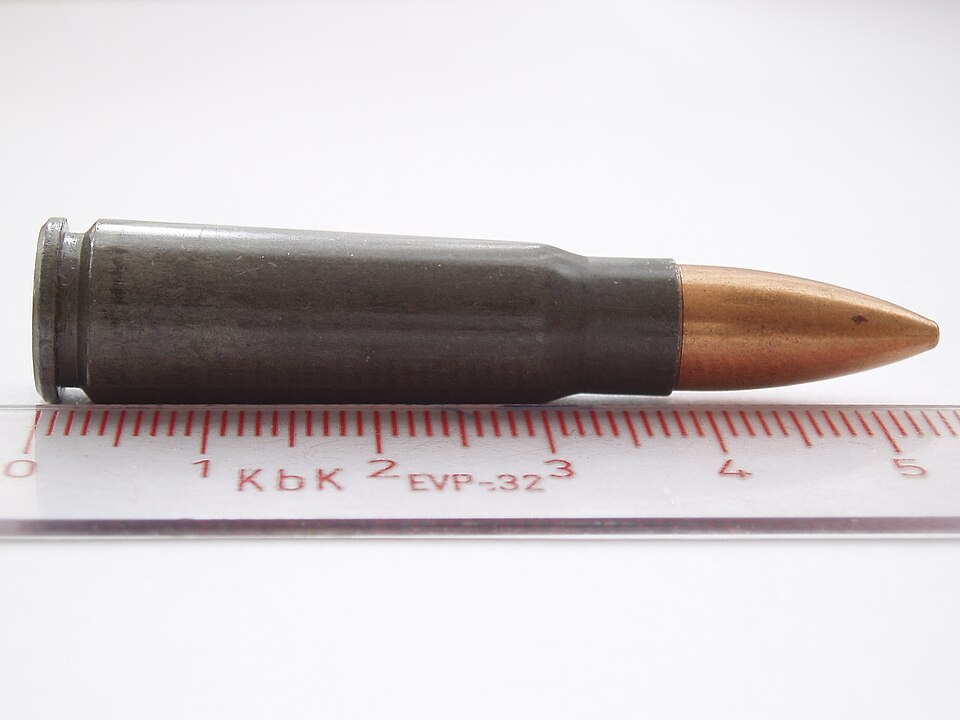
5. 7.62x39mm: Functions well at close
The 7.62x39mm is reliable and easy to shoot, which is why it’s so popular in woods rifles. Against deer at close ranges, it can certainly do some good work. The problem is how quickly it loses velocity and how small its performance window is as the range increases. As the impact speed decreases, the expansion and tissue damage may decrease as well, and the penetration on larger game may become questionable, especially on bullets not designed for controlled expansion.
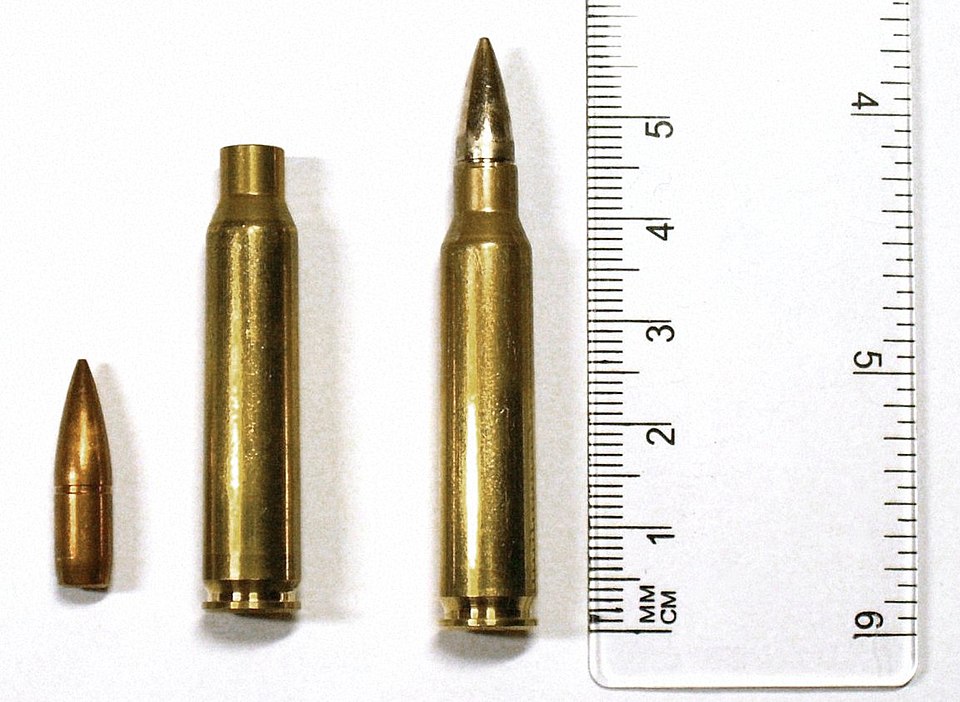
6. 5.56 NATO: Familiar, but still a small-bore limitation
5.56 NATO and .223 Remington are often grouped together by hunters because of the similarities in bullet diameter and weight. The issue for hunting remains the same: small bore size, small frontal area, and limited ability to penetrate deeply into heavy structure. Even heavier-than-normal bullets won’t make a .22 centerfire rifle an elk gun; they will primarily close the gap in a market where the gap is important.
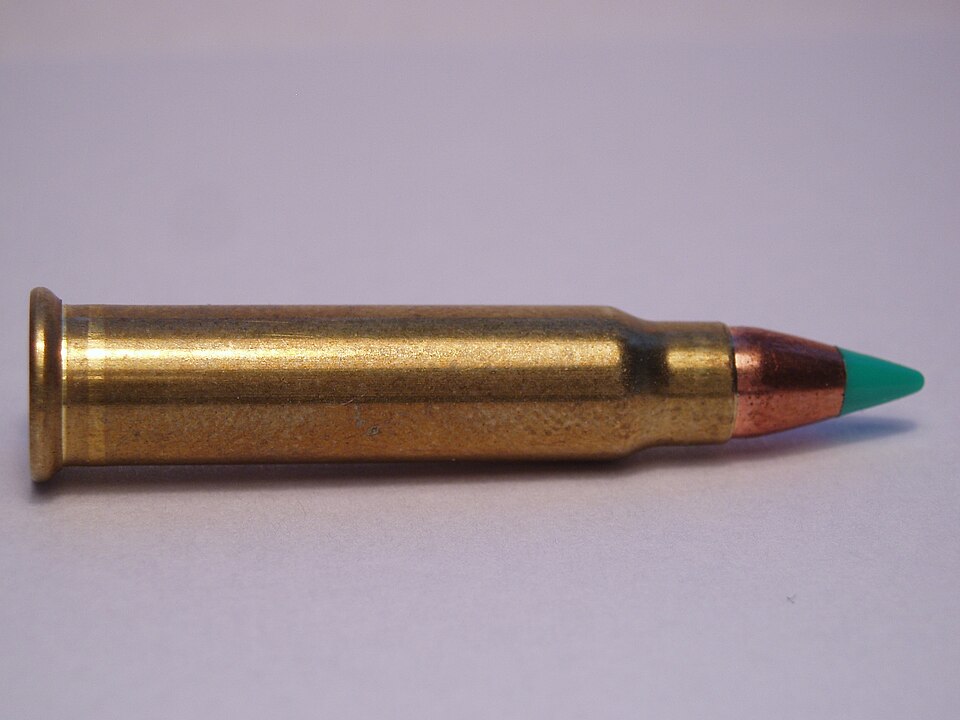
7. .17 HMR: Precision without the depth
The .17 HMR is a shining example of a cartridge for small varmints, as it is accurate, has a flat enough trajectory for its purpose, and is easy to shoot well. However, its light bullet and low energy are the wrong combination for big game. As a result, on larger game, it does not have the penetration necessary to reach the vital area, making what should be a guaranteed shot a very risky proposition. When cartridges come up short, the solution is seldom “more speed.” It’s a better correlation of bullet design to task: traditional cup-and-core for smaller, thinner game; more robust designs when bone and weight are factors.
For hunters who require one load to act in a given set of distances, the bonded bullet and monolithic copper models will hold up better under hard impacts, while the long-range expansion bullets can be distance specialists that act very differently at close range. It is this reality that must be matched to the physique of the animal in order to ensure that a clean shot does not become an uncertain track.


