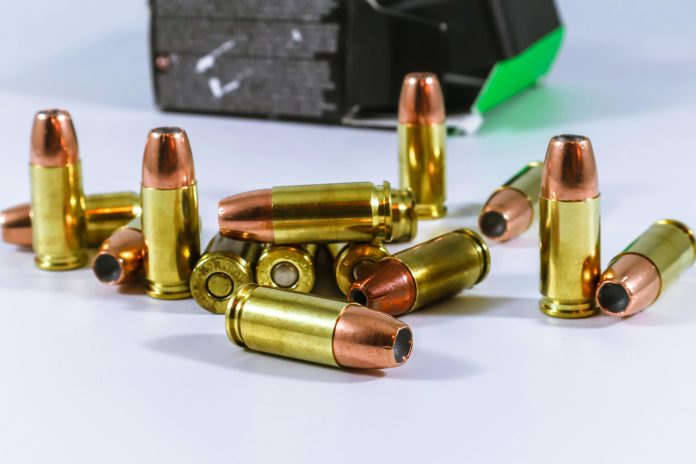
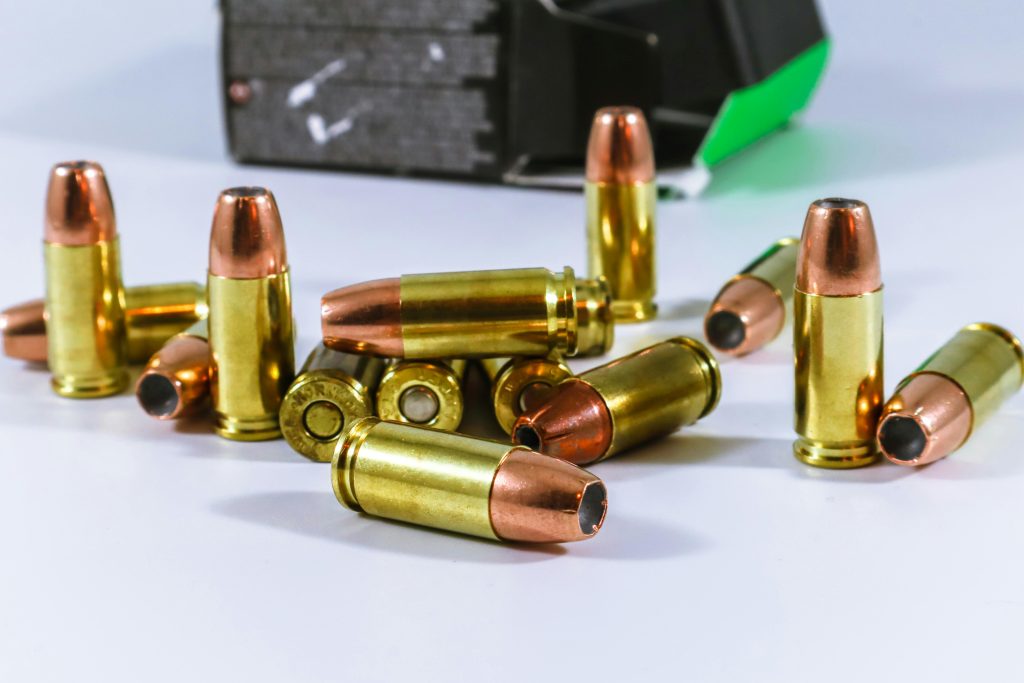
“Is a handgun round ‘good enough’ just because it can hurt someone? In defensive ballistics, the argument usually ends when the target becomes complex: heavy clothing, odd angles, bone, and the plain fact that handguns are simply underpowered compared to long guns. This is why the measure that serious testers keep coming back to is the FBI standard of 12-18 inches of penetration in ballistic gel.
These seven rounds (or notions of round and load) may look very appealing on paper, in subcompact handguns, or in the rationale of “because it’s what I have.” In actual performance, each of these offers too little margin for error when conditions are no longer perfect.
1. .22 Short
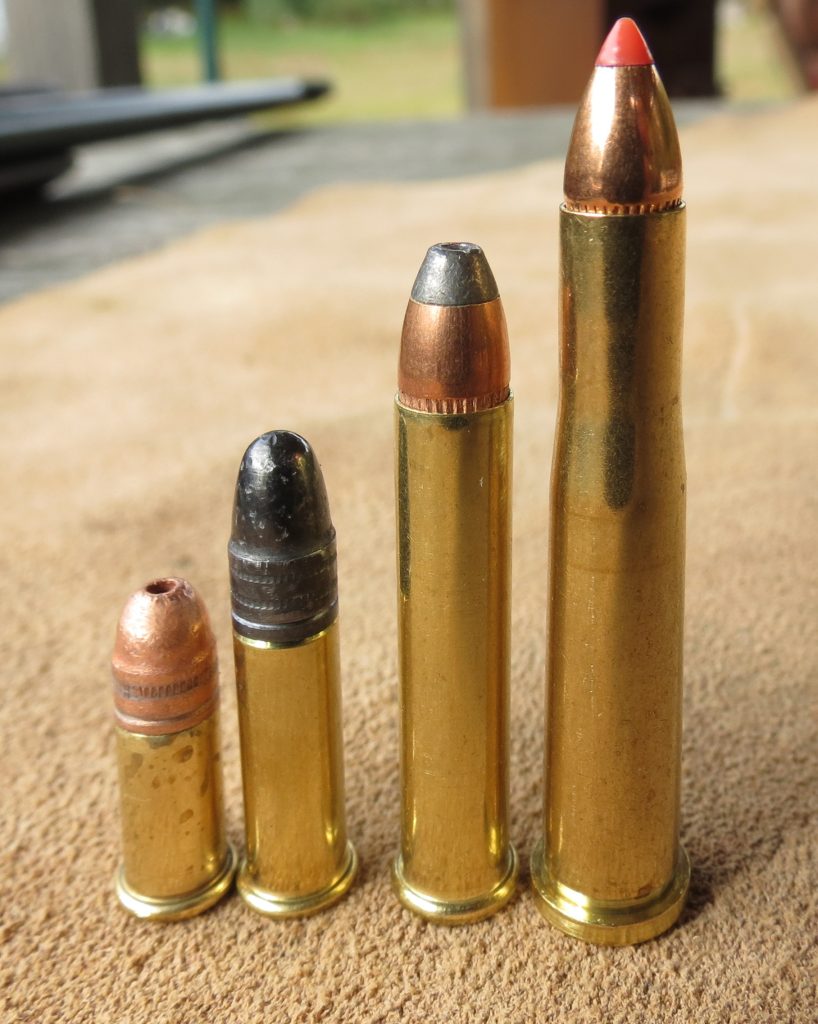
The .22 Short is still encountered in antique pocket pistols and range plinkers because it is soft shooting and mechanically simple. The problem with the .22 Short is that defensive shooting is not a marksmanship demonstration; it is a penetration test with repercussions. Because of the light bullet and low velocity, the .22 Short will often fail to penetrate to a depth sufficient to reach vital targets, especially if the path is extended by an arm, shoulder, or bulky clothing. A cartridge that prefers to live below the baseline requirement of at least 12 inches makes “shot placement” a joke.
2. .25 ACP
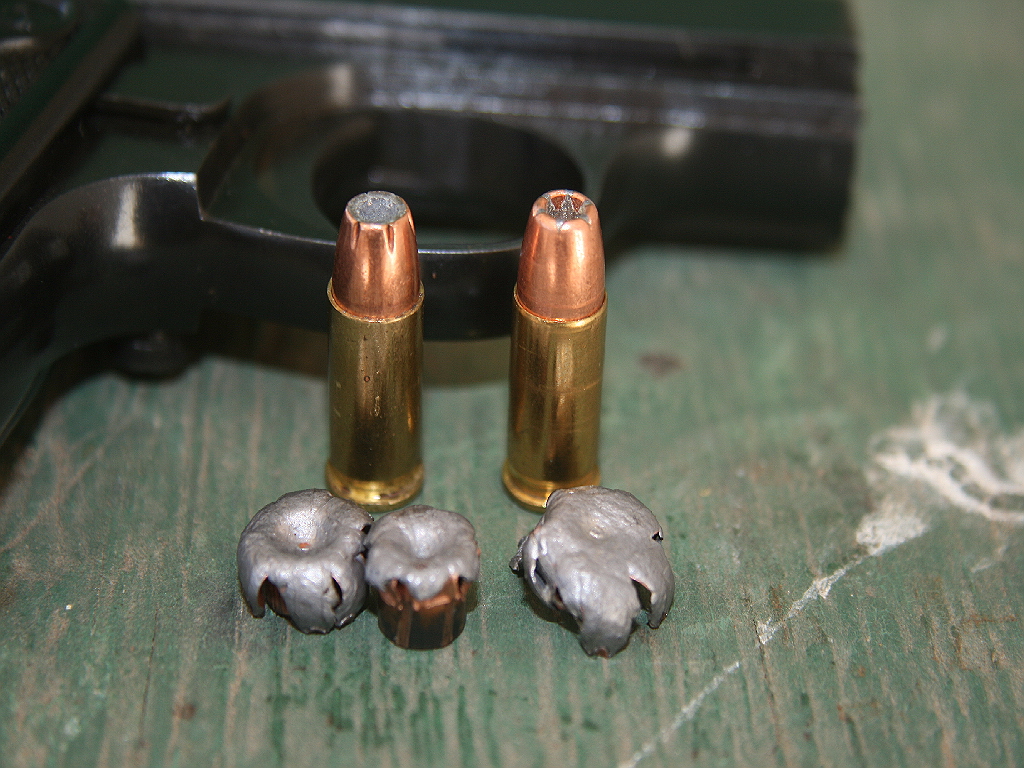
.25 ACP has one honest positive thing to say about it: centerfire ignition is generally more reliable than rimfire ignition. That’s where the good news ends. In gel tests of pocket pistol cartridges, .25 ACP cartridges have frequently had difficulty meeting the minimum penetration requirements, and expanding charges have frequently sacrificed the small amount of penetration they offered in favor of inconsistent expansion. Even if a given charge is effective, it is not so with the consistency that defensive ammunition must be.
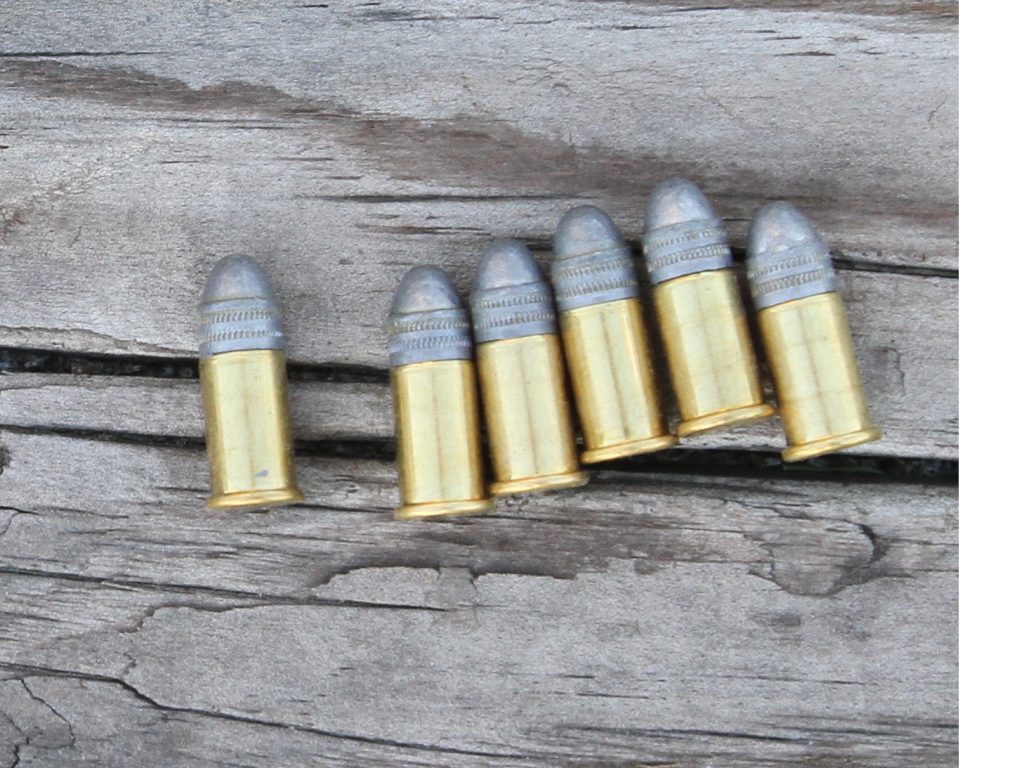
3. .32 S&W (original)
The original .32 S&W is a historical cartridge and has been preserved mainly in antique and vintage versions. It is a mild, manageable, and antiquated cartridge. By comparison to more modern .32 family cartridges, the original .32 S&W cartridge does not provide the options of speed and bullet design that will enable modern cartridges to stay within the penetration range while still being able to produce a significant permanent wound track. It is essentially a caliber that will work only when everything goes right.
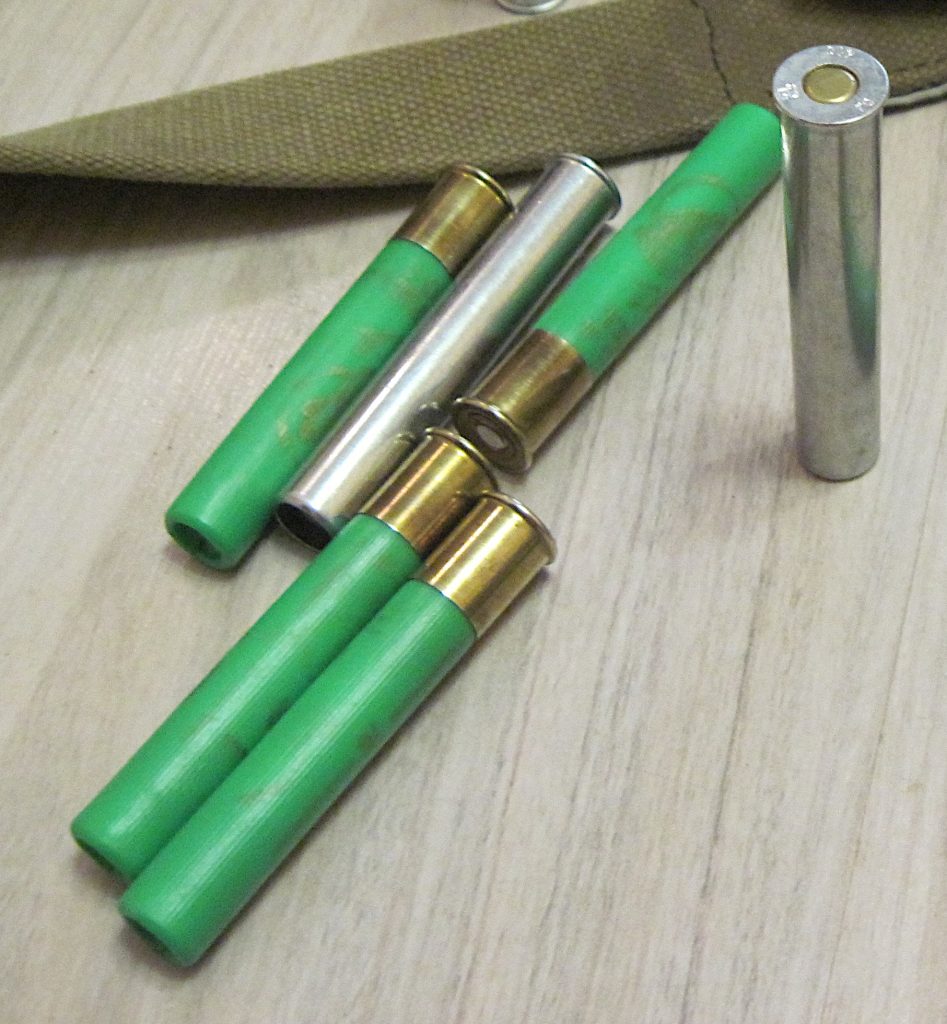
4. .410 Bore from a short-barreled handgun
The concept of the .410 revolver is to sell the notion that having multiple projectiles will give you a better chance of hitting your target. The problem is what happens to the projectiles after they hit the target. Independent gel tests of short .410 handguns revealed that 000 buck plating could penetrate 14-16 inches of plain gel, but heavy clothing cut this penetration significantly, reducing it well out of acceptable range. The same tests indicated that light birdshot loads would not penetrate deeply enough at typical handgun ranges. Even with buckshot, the energy of individual pellets is low; a typical specification lists the energy of a 000 pellet at 72 ft-lbs, and this illustrates how quickly “spread” becomes “shallow.”
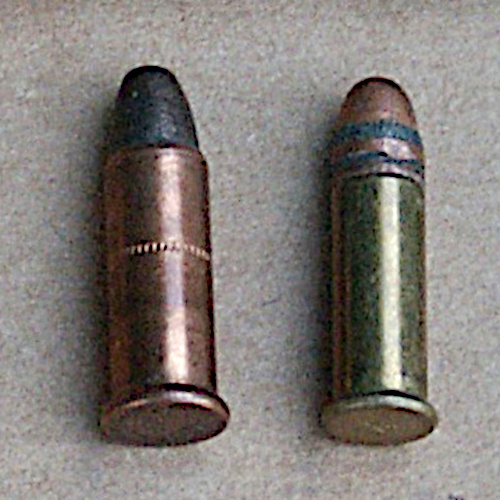
5. .22 LR (from a handgun)
.22 LR is very common, inexpensive to shoot, and has mild recoil. It is also a defensive handgun cartridge and a rimfire cartridge with a small performance window. The results of the gel tests using pocket gun-barrel lengths are clear: the same amount of gunpowder can vary greatly depending on the barrel length, and expansion is not something that should be counted on. A test firing with short barrels proved that velocity increases do not necessarily correspond to penetration increases and that, in the case of .22 LR, the type of ammunition chosen is usually a matter of one thing: get the most penetration possible, as expansion is not likely and could potentially decrease penetration if it does occur.
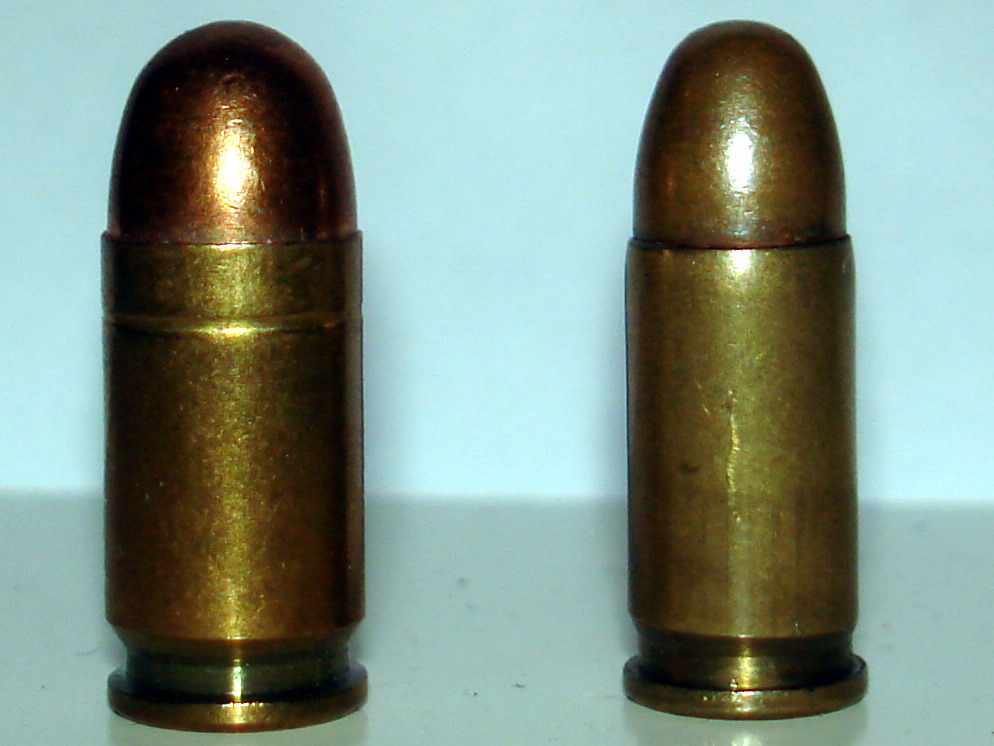
6. .380 ACP loaded with FMJ as a “fix”
.380 ACP is on a cliff edge where cartridge selection is more important than promoting a caliber. Many shooters will try to “fix” .380 by carrying FMJ for reliability and penetration. This creates two problems at once: FMJ may not create an optimal wound path because it does not expand, and it may also over-penetrate a target based on trajectory and tissue, which is a problem for non-combatants.
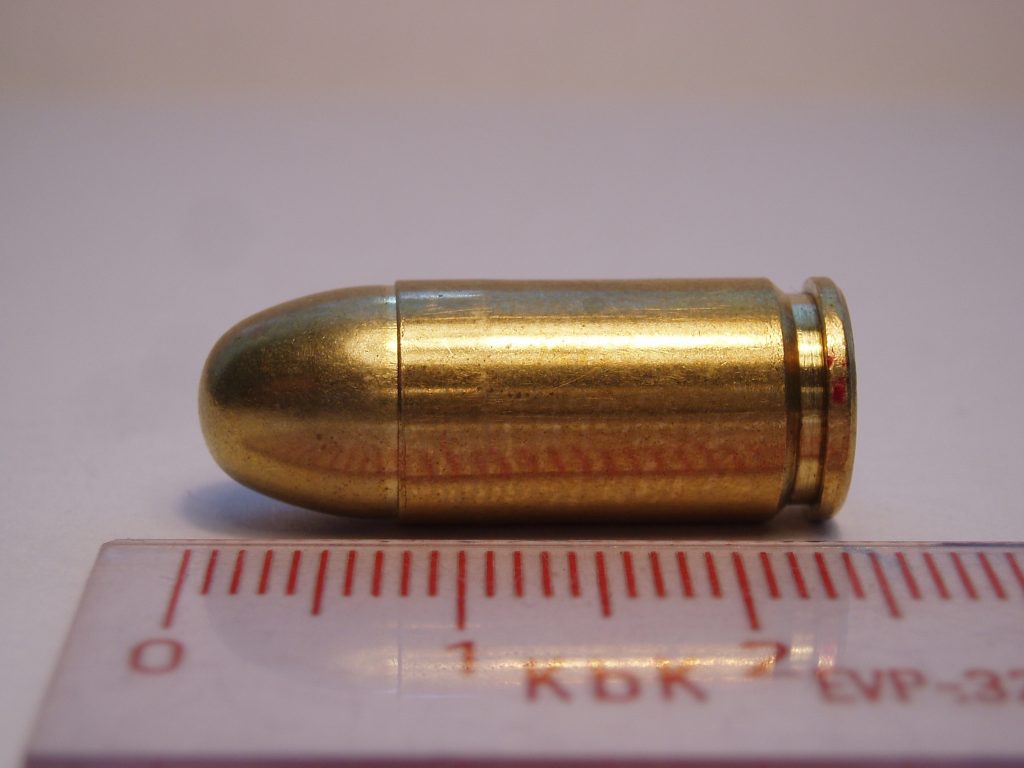
By contrast, .380 hollow points may have trouble meeting minimum penetration standards when fired from shorter barrels, and this is why .380 is still a caliber in which the 12-inch rule is often the deciding factor. When both extremes are not desirable, the caliber is showing its limitations.
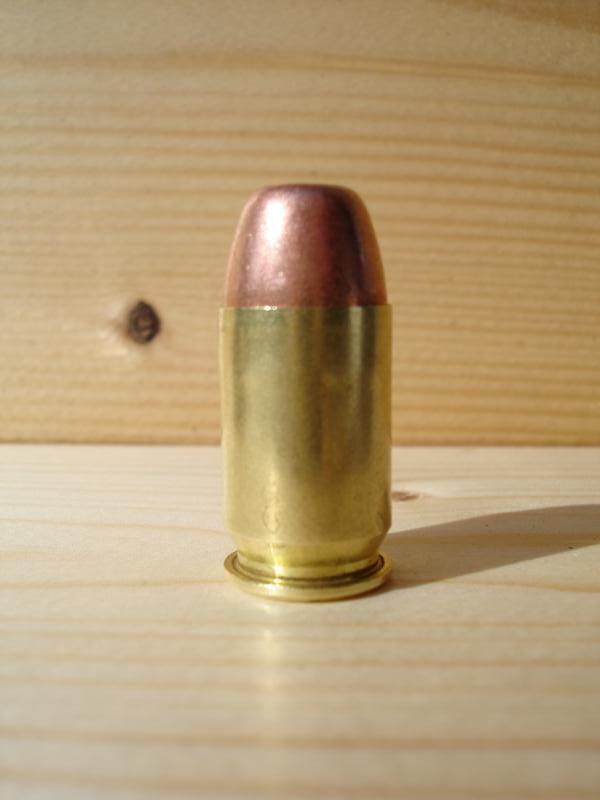
7. .45 GAP
The .45 GAP cartridge was created to offer ballistic performance similar to the .45 in a shorter package to fit smaller grips. Comparing the two, the case is shorter than the .45 ACP, and it has a higher maximum pressure of 23,000 psi compared to 21,000 psi. The issue isn’t raw performance; it’s that .45 GAP never built the ecosystem that keeps a defensive caliber alive. The absence of platform support and defensive ammunition makes even simple tasks like the validation of reliability and standard issue resupply into avoidable friction.
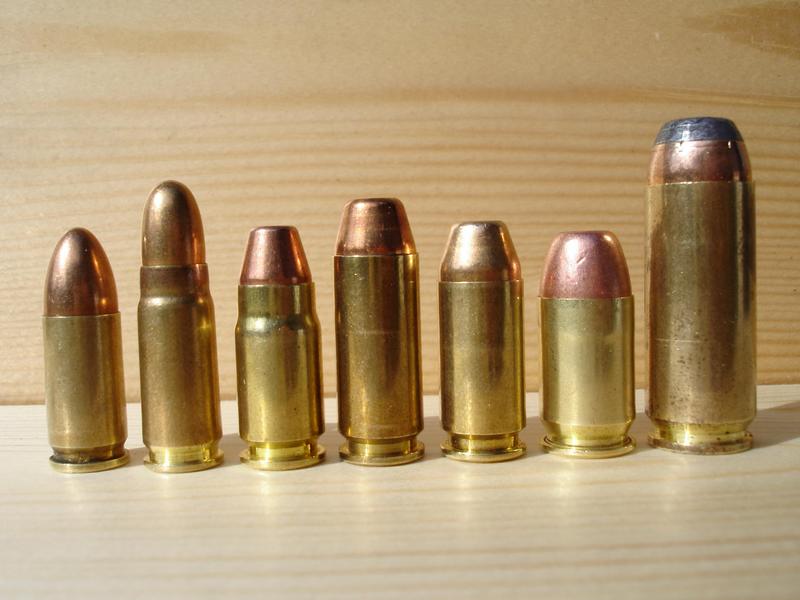
With .45 ACP already on hand and widely supported, .45 GAP becomes a solution in search of a problem. In all seven, the common thread is not that they are “harmless.” It is that defensive shooting demands predictable performance within known limits, and those limits start with penetration. When the target is clothed, moving, at an angle, and imperfectly presented, ammunition that finds itself on the edge of the norm does not require extra safety it requires uncertainty.”


