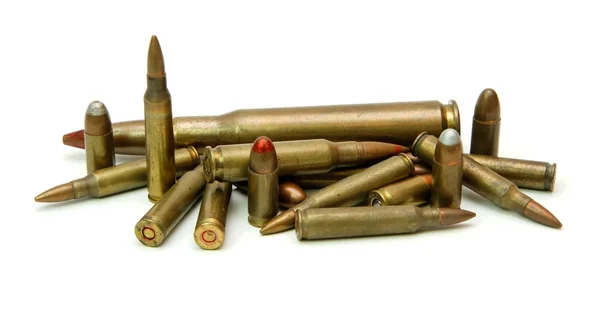
“Some rifle cartridges get hyped as if they are magic tools that are flat-shooting, accurate, and easy to handle, and will be ‘enough’ if the shooter does the work. But in the real world, that confidence can fall apart quickly if the animal is heavy-boned, quartering away, or behind cover with just a partial shot.”
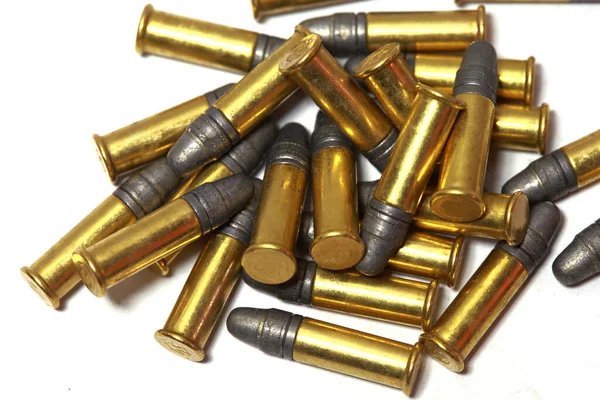
Big-game performance is not a one-number argument. Bullet design, impact velocity, and penetration must all come together, and penetration is where bullet sectional density comes into play the silent factor in the difference between bullets that penetrate deeply and those that fade away.
The cartridges below are capable of many tasks. The issue arises when they are asked to complete tasks that they were never intended to complete.
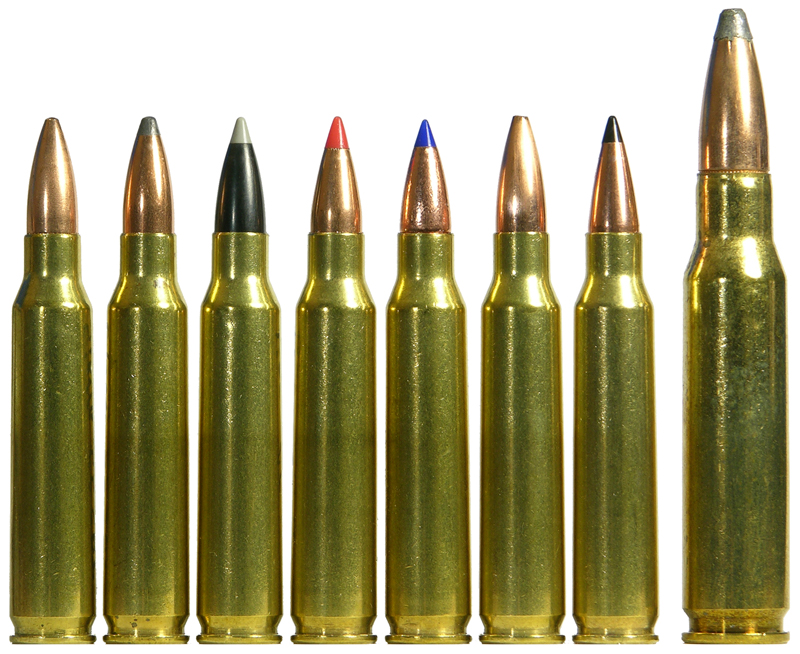
1. .223 Remington
The .223’s reputation is earned on varmints and paper: low recoil, high practical accuracy, and lots of speed with standard 55-grain bullets. But big-bodied game requires deep, repeatable penetration through muscle and sometimes heavy bone, and the .223’s small diameter and light-for-purpose bullets close the gap. Even with standard hunting bullets, the cartridge still requires optimal angles and good shot discipline to prevent shallow penetration.
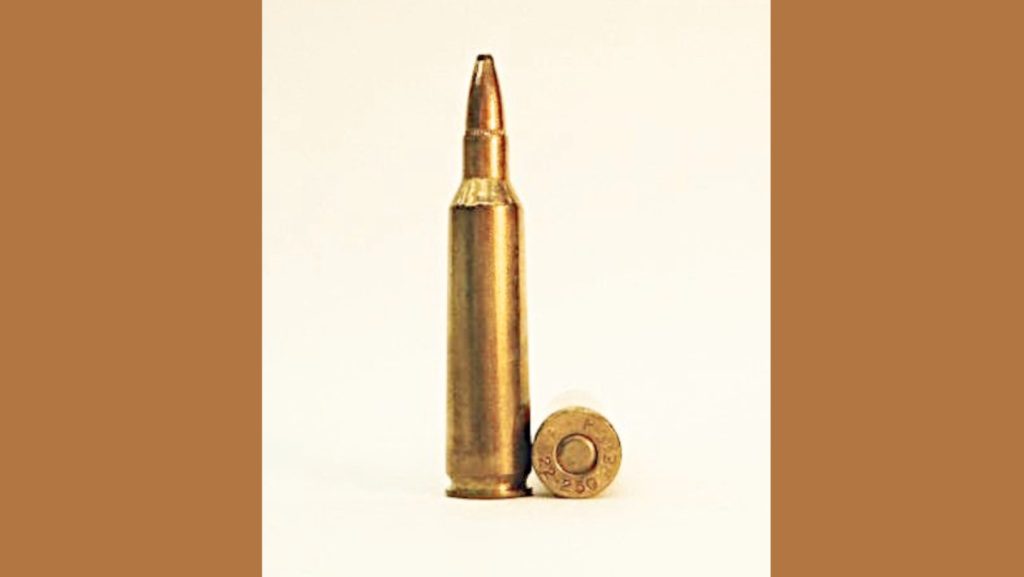
2. .22-250 Remington
The hallmark of .22-250s is its velocity. With light bullets that are often propelled at very high velocities, it has a flat trajectory that makes it seem like a cheat code when engaging small game. However, when it comes to larger game, the same velocity can be its nemesis if the bullet design is meant to open quickly, resulting in deep but short penetration. The biggest weakness of this cartridge is its lack of mass. Without sufficient bullet mass, momentum, and straight-line delivery to the vital organs become unreliable even in less-than-ideal conditions.
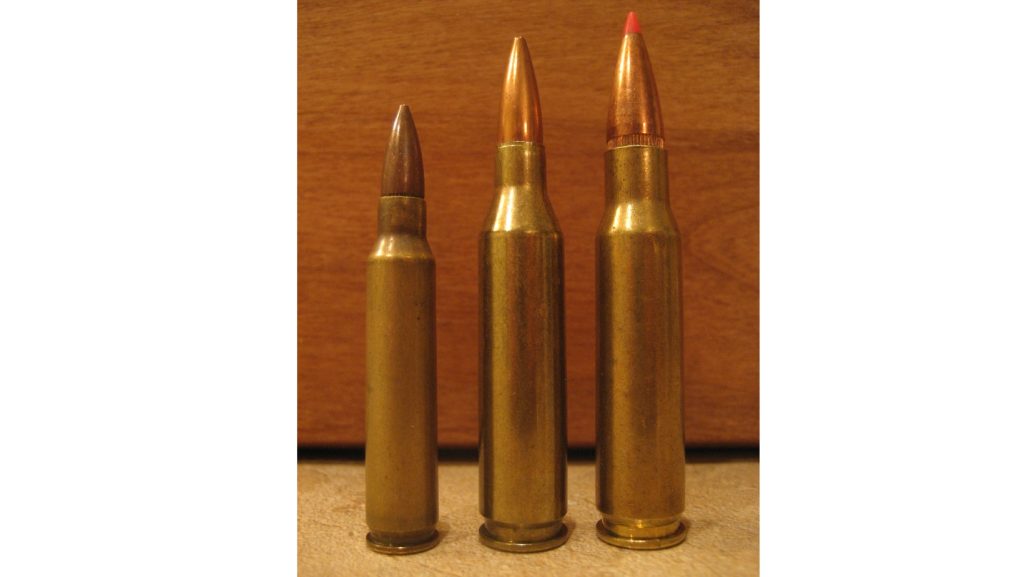
3. .243 Winchester
The .243 is in a very good range for deer-sized game, particularly with 90- to 100-grain bullets, and its recoil is mild enough that many shooters can handle it well. The problem is that larger game increases the cost of a small wound channel or lack of depth. A larger-boned target requires more shank to support the mushroom, and sectional density favors longer and heavier bullets for a given caliber. When bullets enter the elk-and-beyond range, the penetration margin is more important than shooting comfort.
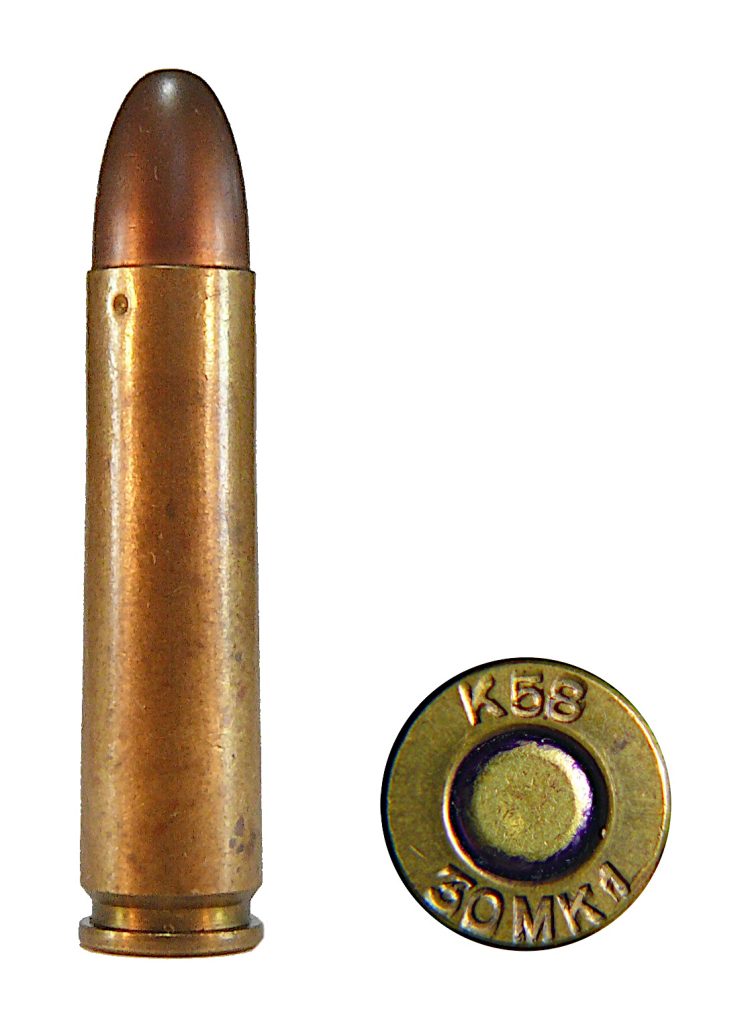
4. .30 Carbine
The .30 Carbine is still useful and interesting from a historical perspective, but its ballistic performance is much closer to that of a “hot” pistol cartridge than a modern hunting rifle cartridge. With a 110-grain bullet at 1,990 feet per second, it has a very limited effective range and lacks the penetration margin that hunters need when the angle of shot is less than ideal. It may be suitable for close-in work on smaller deer, but it is quickly surpassed when the game is larger or at longer ranges.
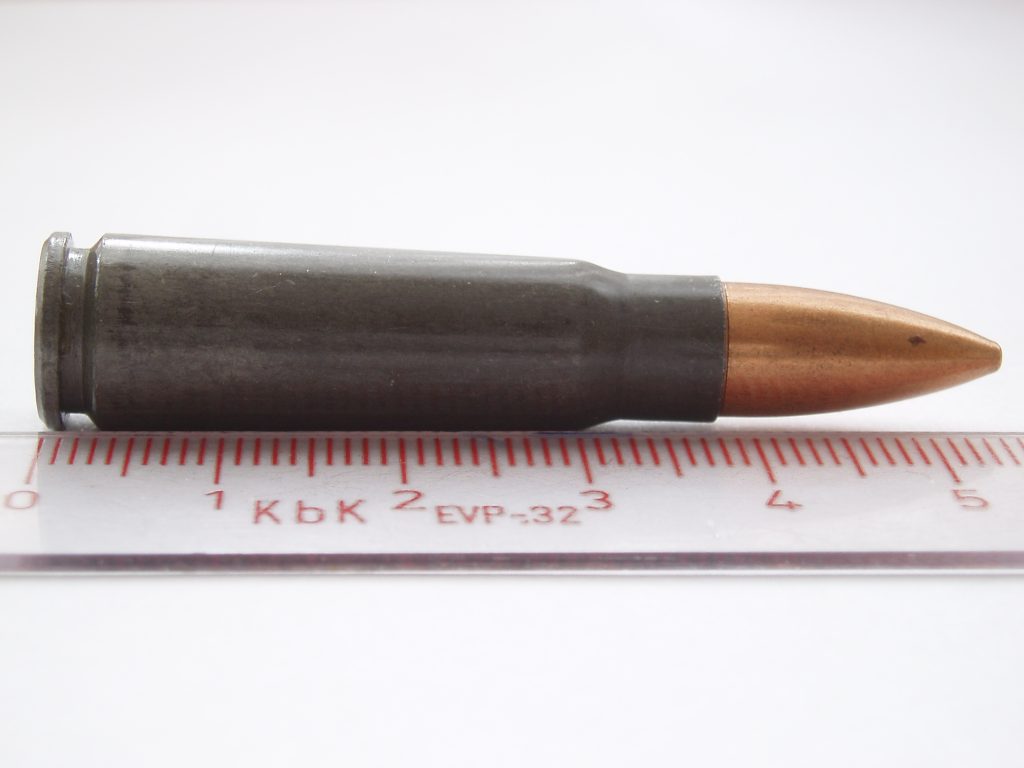
5. 7.62×39mm
The appeal of this cartridge is found in its moderate recoil and extreme reliability. Standard loads with a 123-grain bullet at 2,350 feet per second are adequate for deer at short ranges, but this cartridge loses velocity and energy quickly as the range extends. The strike velocity falls into the region where expansion becomes less reliable, and most hunting bullets start to fail below 1,900 fps. This cartridge is good within its lane but will punish anyone who tries to use it as a do-all cartridge.
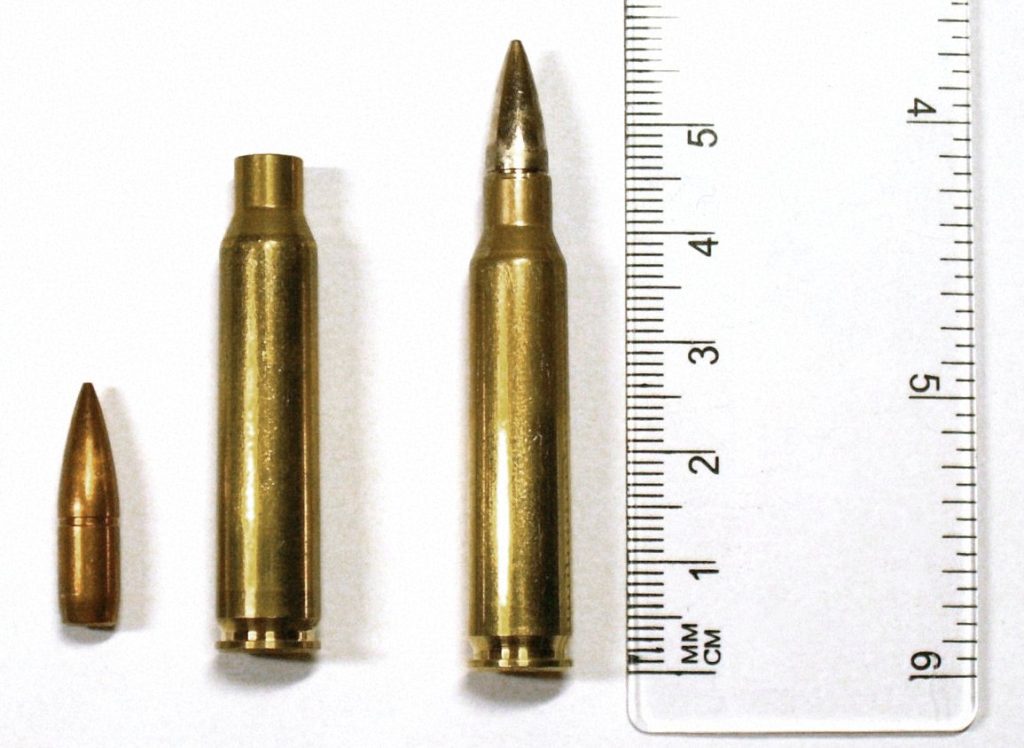
6. 5.56×45mm NATO
While being a close relation to the .223 Remington cartridge, the 5.56 NATO typically operates at a higher pressure in the relevant chambers. This may give a slight speed boost, but the problem remains the same: the smaller caliber bullets with less mass simply do not have as much leeway when it comes to larger game. While the cartridge shines in terms of controllability and rate of fire, big game hunting requires predictable terminal performance at practical ranges and angles. Penetrating deep into heavy muscle and bone tissue is still a tall order.
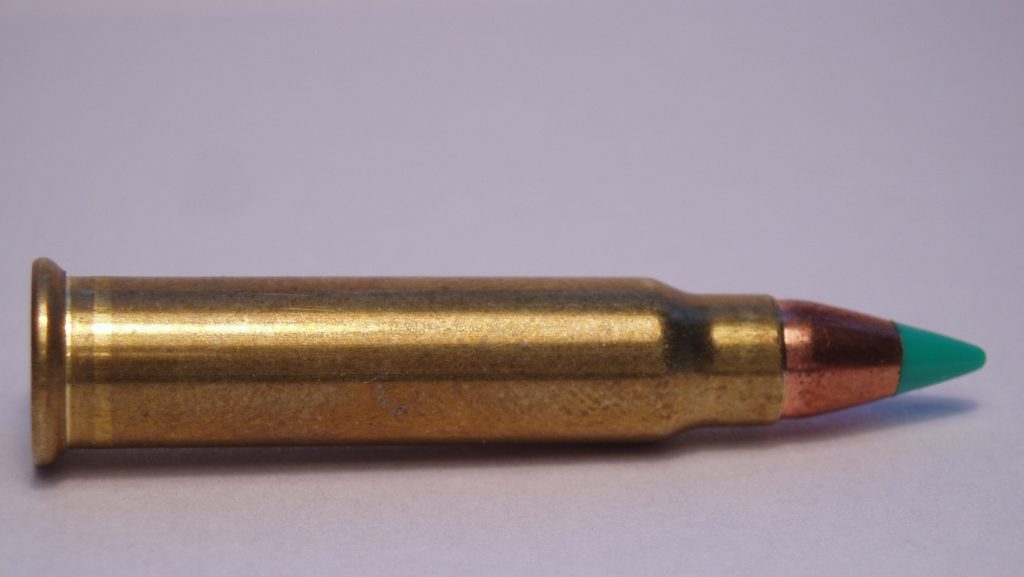
7. .17 HMR
The .17 HMR is a precision rimfire cartridge designed for small varmints, not big game. The 17-grain bullet at 2,550 feet per second with only 250 foot-pounds of muzzle energy simply doesn’t have the penetration and destructive power necessary for larger game. The advantages of precision, low recoil, and low report simply don’t carry over into effective killing when hide, bone, and thick muscle are factored into the equation.
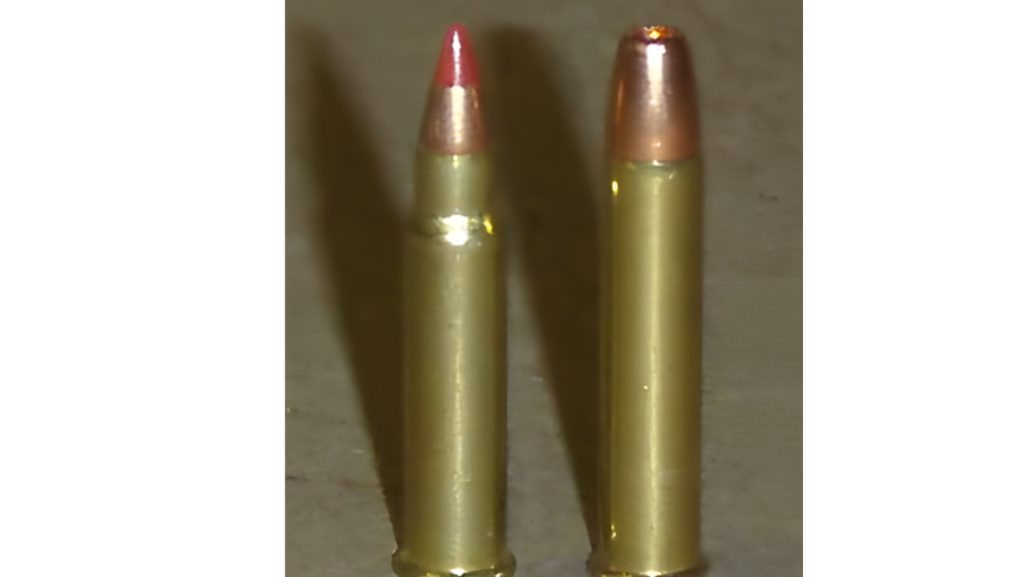
These cartridges are not “bad.” Each of them has a rightful place where its advantages manifest themselves in the best way: practice, predators, pest control, or close-range deer hunting. The hard truth is that success in big game hunting is the result of a performance margin a margin of penetration, a margin of expansion at the speed of impact, and a margin of bullet integrity to remain intact when the shot isn’t. This margin is precisely what these popular bullets are apt to be short of once the game begins to tip the scales.”


