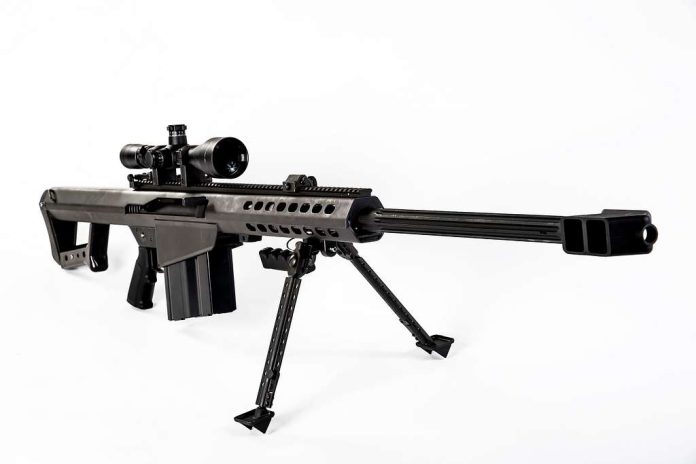
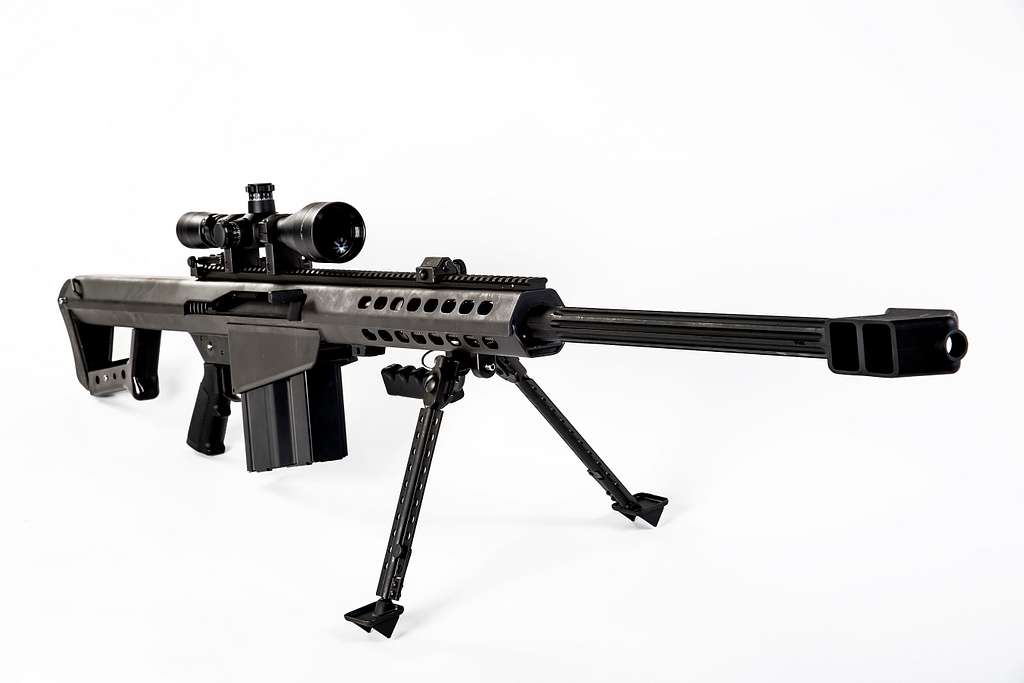
“Rifle shooters are fond of a clean group on paper. The problem arises when the same load must remain honest in varying light, shifting wind, and the messy realities of field positions.”
The cartridges listed below have established themselves based on their predictability from one rifle to another and from one barrel length to another. Some have done so after many years of tough service, while others owe their success to advances in bullet technology and smarter case design but all of them are recognized for their ability to be accurate when the targets are no longer forgiving.
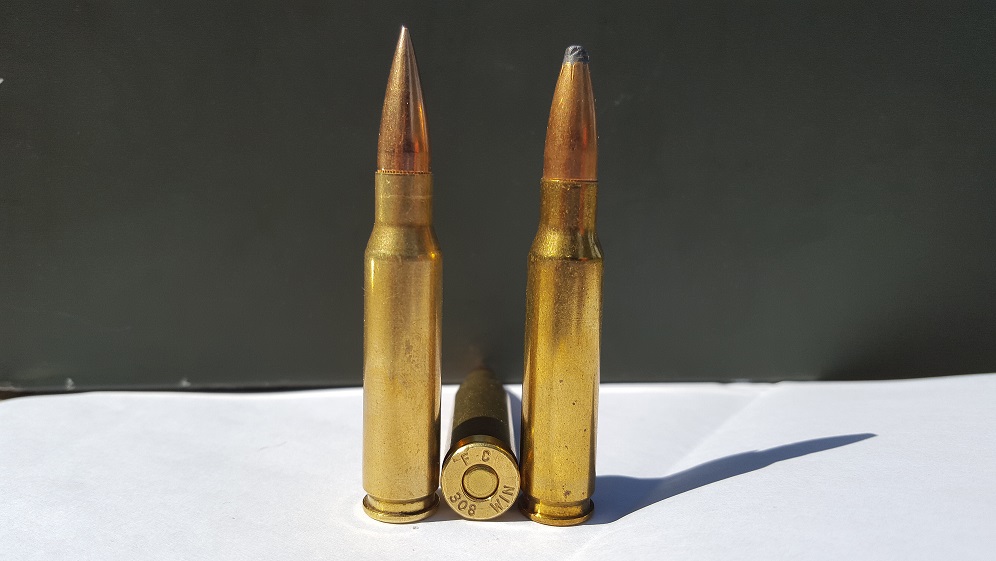
1. .308 Winchester
There are few centerfires that are as consistently “easy to shoot well” as the .308. It is forgiving for different rifles, seems to pattern well in a variety of barrel lengths, and has a recoil that is manageable enough to allow the shooter to stay on target and call their shots. It is for these reasons that it has remained a popular choice for practical accuracy shooting and hunting rifles that can do more than one thing. It also has the advantage of many years of development in match loads and bullets, which means that the shooter can spend more time on the basics and less time searching for finicky configurations. In a world of cartridges, the greatest strength of the .308 remains its consistency.
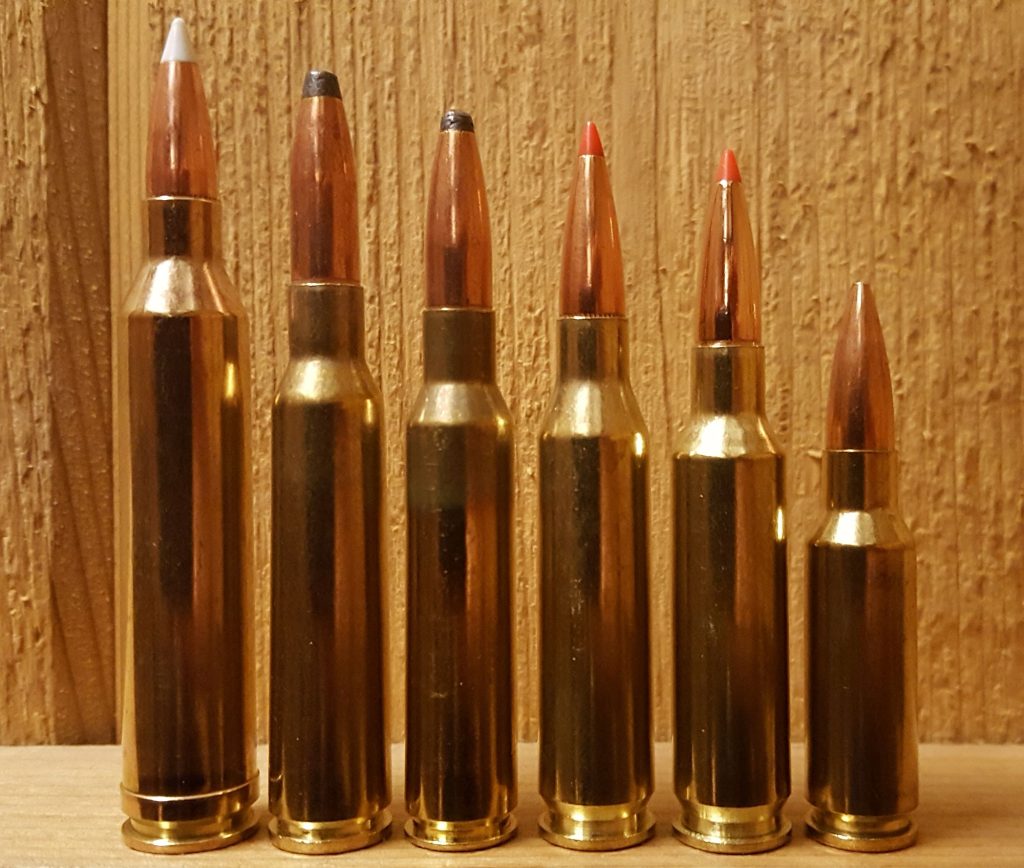
2. 6.5 Creedmoor
The 6.5 Creedmoor was designed with efficiency in mind, and that includes high BC bullets, modern throat and twist models, and recoil that is light enough to shoot strings of without punishing the shooter. This is evident in the downrange performance, where it holds its trajectory better than many traditional hunting cartridges with similar recoil. In long-range comparison tests, the doubling of hit probability at 1,000 meters has been credited to 6.5 Creedmoor over 7.62 NATO in some models a telling sign of the effectiveness of the round’s ballistics in making good on its potential in adverse conditions.
3. .223 Remington / 5.56 NATO
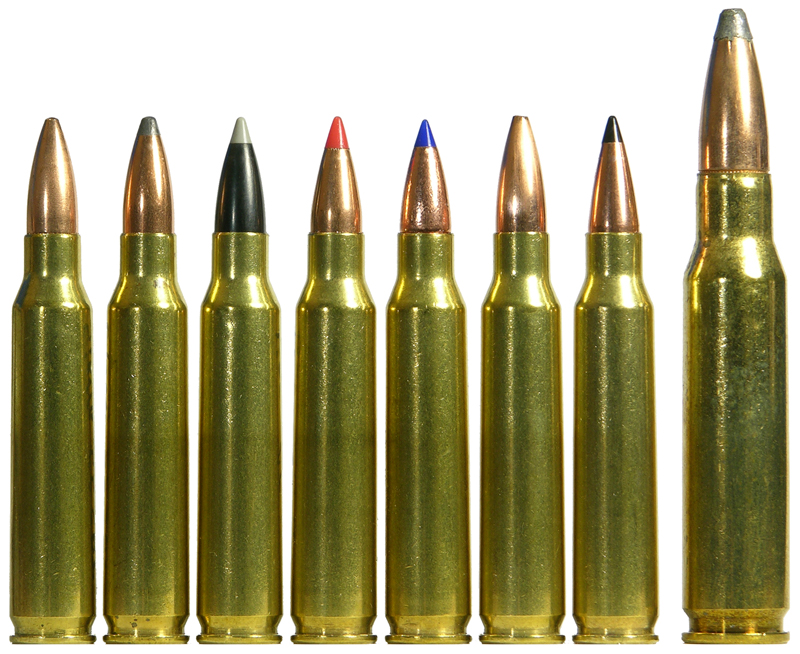
When shooters say .223/5.56 is “too small” for precision, they’re probably thinking they’ve only ever seen it paired with generic ammo or mismatched barrels. With good barrels, the right twist rate, and decent bullets, it can be very consistent and the low recoil makes it much easier to spot impacts on oneself than with larger cartridges. The heavy-for-caliber bullets pushed the range, but stability is still important. The current wisdom is that bullet length and weight matching the twist rate of the barrel is the key to accuracy, and that the old concern about “over-stabilizing” lighter bullets has been largely discredited; it is better to have too much twist than too little.
4. .243 Winchester
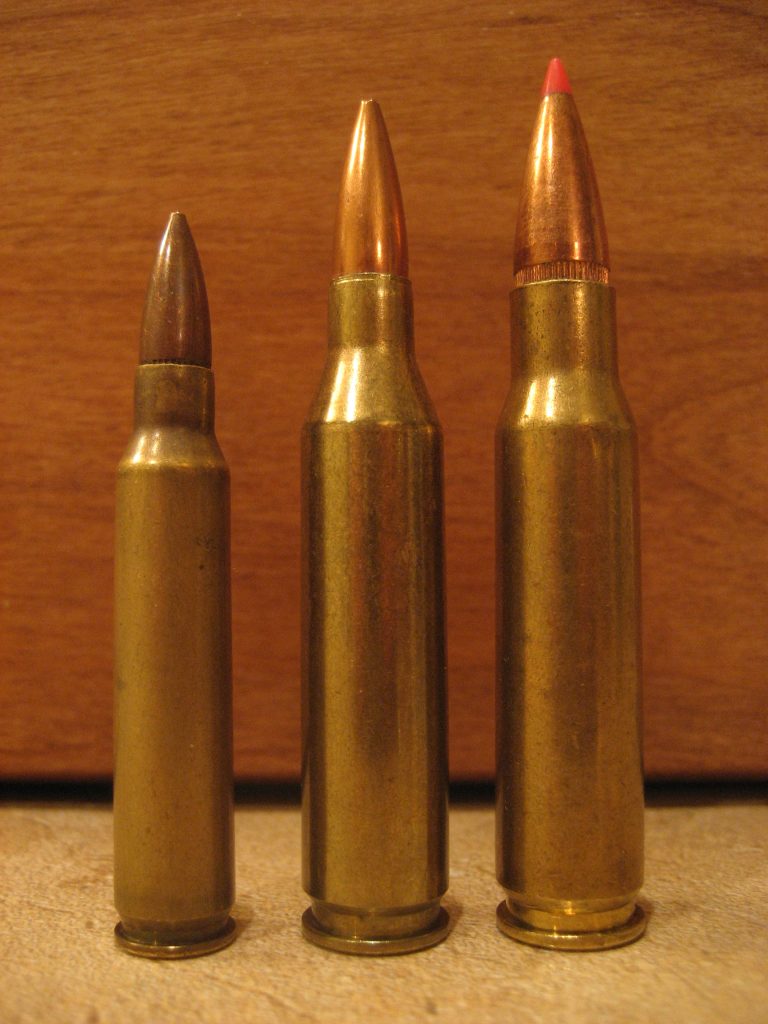
The .243 Winchester has always been a quiet achiever when it comes to accuracy: flat trajectory, mild recoil, and a range of bullets to suit everything from varmints to deer-sized game. In well-made bolt-action rifles, it has often printed groups that make shooters question their measuring tape. It also has a tendency to favor straightforward load work. For riflemen who want a centerfire rifle that remains friendly on the shoulder but still offers legitimate reach, the .243 remains a reliable choice.
5. 6mm ARC
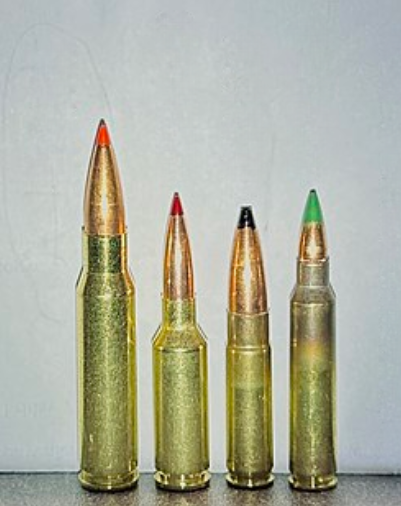
The 6mm ARC is the result of shooters wanting an AR-15 that didn’t shoot quite so much like a 300-yard tool and more like a real distance rifle. By relying on the slick 6mm bullets and the velocity that is better retained, it stretches the hit zone without making recoil an issue.
Real-world ballistic comparisons often point out that 6mm ARC can remain supersonic beyond 1,000 yards in certain loadings, while standard 5.56 ammunition can go subsonic sooner, which is why the consistency of the downrange trajectory is so notable. The cost of this is that semi-auto reliability can become more dependent on the magazine and bolt than most users want.
6. .270 Winchester
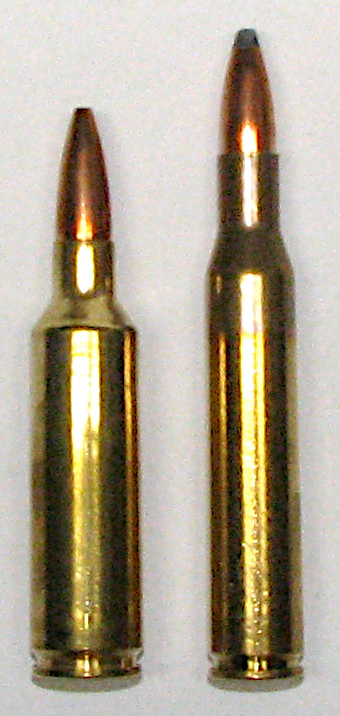
The .270 Winchester is still a hunter’s accuracy cartridge because it is difficult to make it shoot bad. Its flat trajectory and moderate recoil have made it a popular cartridge for a century, and many factory rifles chambered in .270 will group well without much work. It’s also a reminder that good external ballistics didn’t begin in 2007. There are plenty of modern designs that have improved upon the details, but the .270’s foundation of performance is why it’s still being used wherever shots have to cross open country.
7. 6.5 PRC
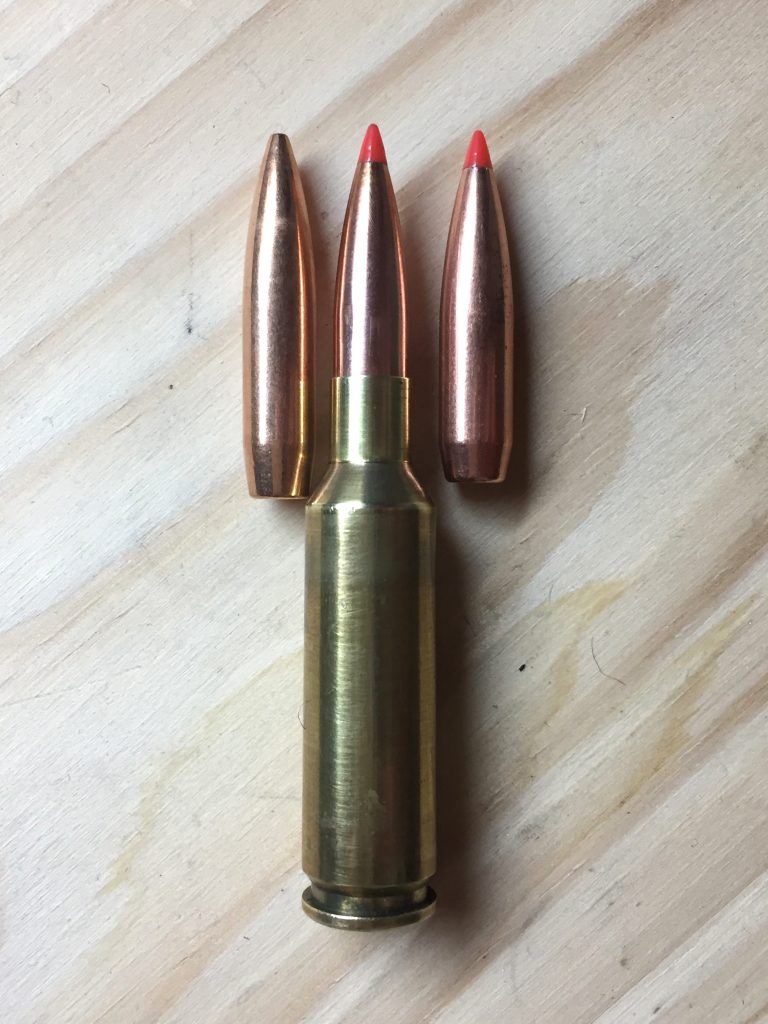
The 6.5 PRC is in the sweet spot for those who appreciate the Creedmoor’s shooting characteristics but desire more velocity and wind deflection without having to resort to the larger magnums. It was built for long, high-BC bullets and has earned a reputation for defying the wind well. In a general comparison of cartridges, the 6.5 PRC has been noted for its #7 ranking out of 88 cartridges for low wind drift at 500 yards, reflecting the benefit of fast, slender bullets. However, this increased performance comes with a price: barrel life is typically shorter than in more mild cartridges, estimated at around 1,328 rounds for optimal groups.
8. Match-Grade .22 LR
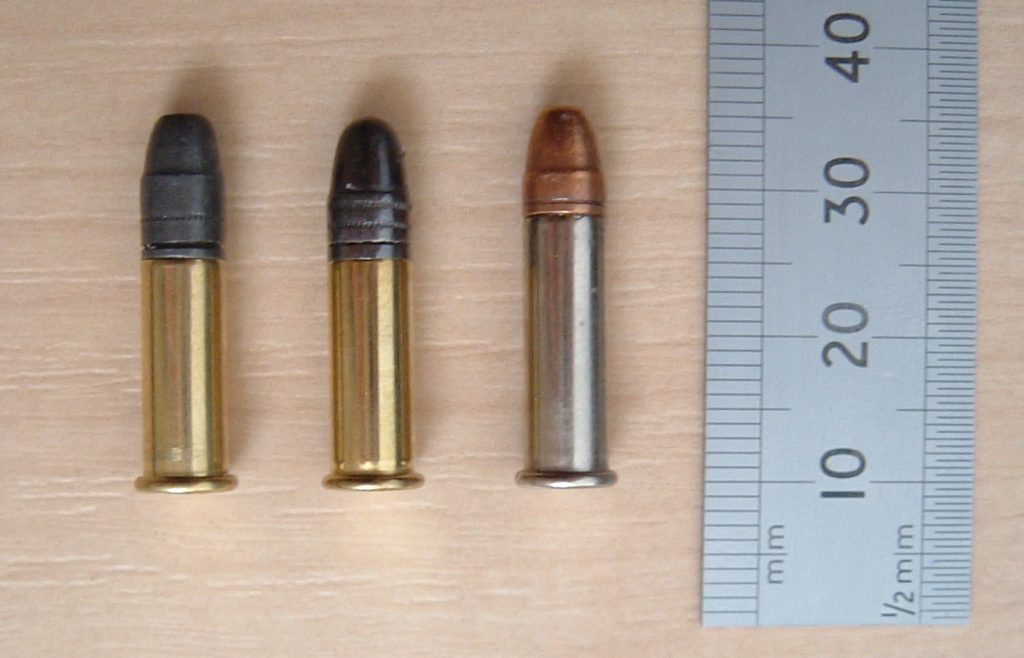
A good rimfire is where many precision shooting habits are made and where bad habits are broken. Match .22 LR can shoot well grouped at 50 yards, and the best combinations remain remarkably consistent out to 100 yards and beyond, if the conditions are right. The cartridge also demands accurate wind estimates, as even a gentle breeze will deflect it. The accuracy of rimfire ammunition has its own characteristics, particularly around the speed of sound. Ballistic analysis points out that the rimfire muzzle velocities tend to live around Mach 1 and that the drag can swing sharply around that area; an example illustrates that the drag can rise more than 200% with only 27% velocity increase within a range of interest, which explains why small differences in velocity can split groups horizontally at longer ranges of rimfire shooting.
9. 7mm Remington Magnum
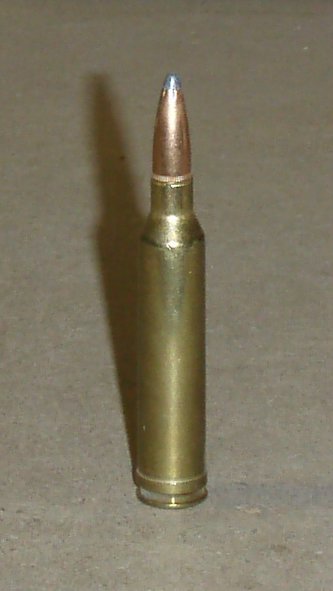
But when shooters are looking for magnum reach without having to go into the heavier recoiling cartridge class, the 7mm Rem Mag seems to continually pop up in conversations. It has the ability to propel lighter bullets at fast velocities for flatter trajectories or heavier bullets with high BCs that fly well in the wind, just what is needed when distance turns small margins into misses. The modern bullet design has contributed to the cartridge’s ability to hold up well with time. With the modern long and slender bullets, the “do-it-all” character of the cartridge is not a nostalgic thing but rather a reflection of how much of the cartridge’s performance is dependent on the aerodynamic bullets.
In all nine, the thread that connects is not flash or velocity. It is repeatability: bullets that make it easier to remain on target, read the conditions, and trust the same numbers tomorrow as today. Long-range shooting also brings about responsibility. The guidance of “If in doubt, stretch the stalk, not the shot.” is still a good reminder when the target is an animal and the range begins to exaggerate every variable that a rangefinder can’t measure.


