

“Some handgun cartridges appear reassuring on paper, but in a defensive role, the weak links will be punished quickly. If a cartridge fails to light off reliably, fails to achieve sufficient depth of penetration under clothing, or generates recoil that slows follow-up shots, the danger turns to the defender.”
Testing culture has also come of age. The most productive discussions today distinguish between “Will it penetrate a person enough?” and “What happens if a round misses and meets drywall?” In controlled wall tests, even small cartridges have been shown to be able to penetrate multiple interior barriers, and the hard truth that standard building materials do not stop bullets has been reinforced.
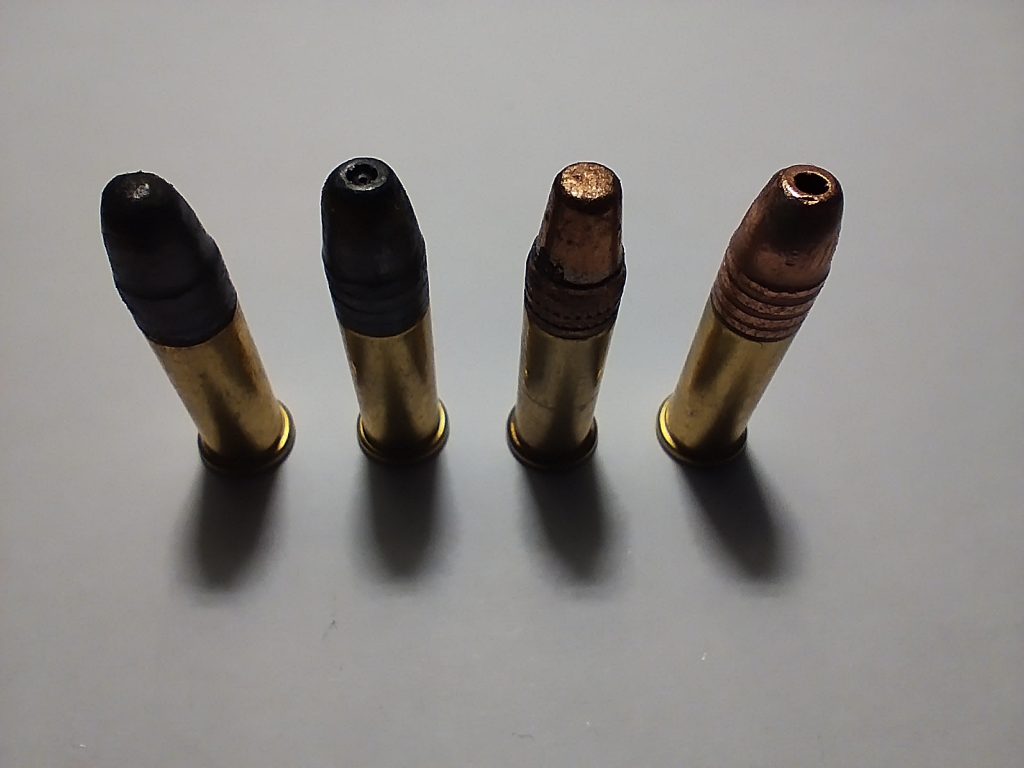
1. .22 Long Rifle (Rimfire reliability is the weakness)
.22 LR lives up to its reputation for being low-recoil and easy to train with, but its rimfire nature brings a reliability factor that defensive shooters can’t afford to overlook. Reliability issues have been reported, and the low energy output may not always be able to penetrate to the depth that modern defensive requirements dictate. Bulky clothing and angled shots increase the need for reliable penetration. It is also a myth that .22 LR is “safe” in the home simply because it is small. In sheetrock tests, even .22 LR showed that lower-powered rounds are still able to pass through multiple layers of drywall, proving that the safety factor is in shots that remain on target, not in the drywall’s ability to function as a brake.
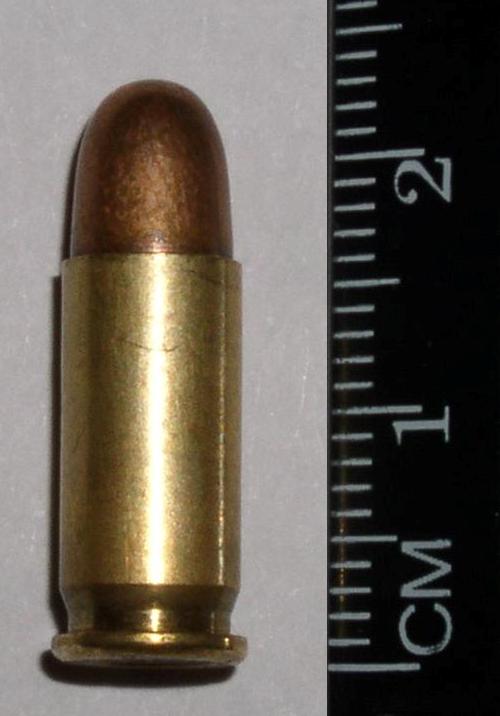
2. .25 ACP (Centerfire ignition, but too little performance margin)
.25 ACP was intended as a centerfire cartridge to replace .22 LR in very small pistols, but it sacrifices too much terminal ballistics performance to remain relevant. The low energy and lack of modern bullet choices limit the cartridge’s potential to deliver reliable penetration and expansion, particularly when clothing or bone is a factor. Practically speaking, the historical role of the cartridge in ultra-small handguns often includes minimal sights and short grips, which creates a second problem of more difficult shooting under stress despite light recoil.
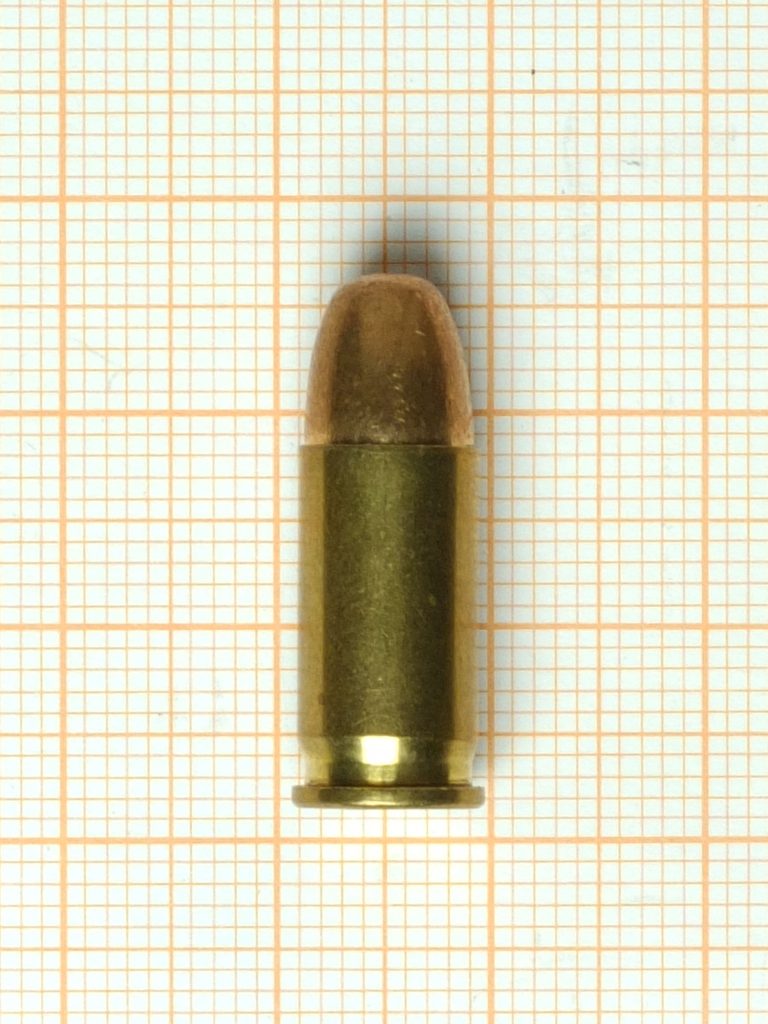
3. .32 ACP (Soft recoil, inconsistent expansion through clothing)
.32 ACP is in a tough spot, being more controllable than full-size service calibers but sometimes lacking the penetration/expansion synergy that tends to be rewarded in defensive testing. Among the many issues that tend to come up in discussions of gel testing, one of them is hollow points that clog with fabric and don’t expand, making “defensive” ammunition into something that acts more like ball. This is important because handgun bullets are successful by reaching something vital. If a cartridge reduces the margin for adequate penetration, it requires improved shot placement at the worst possible time.
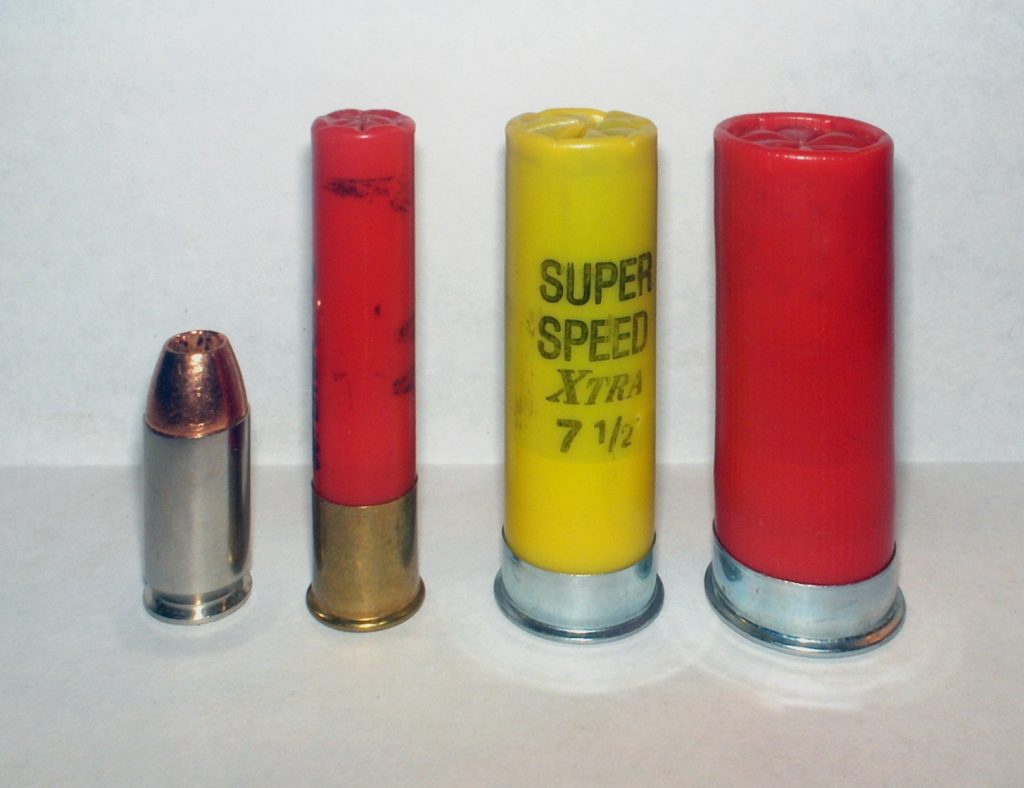
4. .410 shotshell from revolvers (Spread trades away depth)
.410-bore revolvers offer the promise of shotgun power, but the shorter barrel limits the speed, and several popular loads have fallen short of penetration requirements expected in a defensive handgun. Birdshot patterns can be impressive on paper targets but lack the depth to reach vital areas. Even when buckshot or slugs are selected, the trade-offs of the platform recoil, size, and ballistic inconsistency make it a poor substitute for purpose-built handgun rounds that are intended to feed, fire, and penetrate predictably.
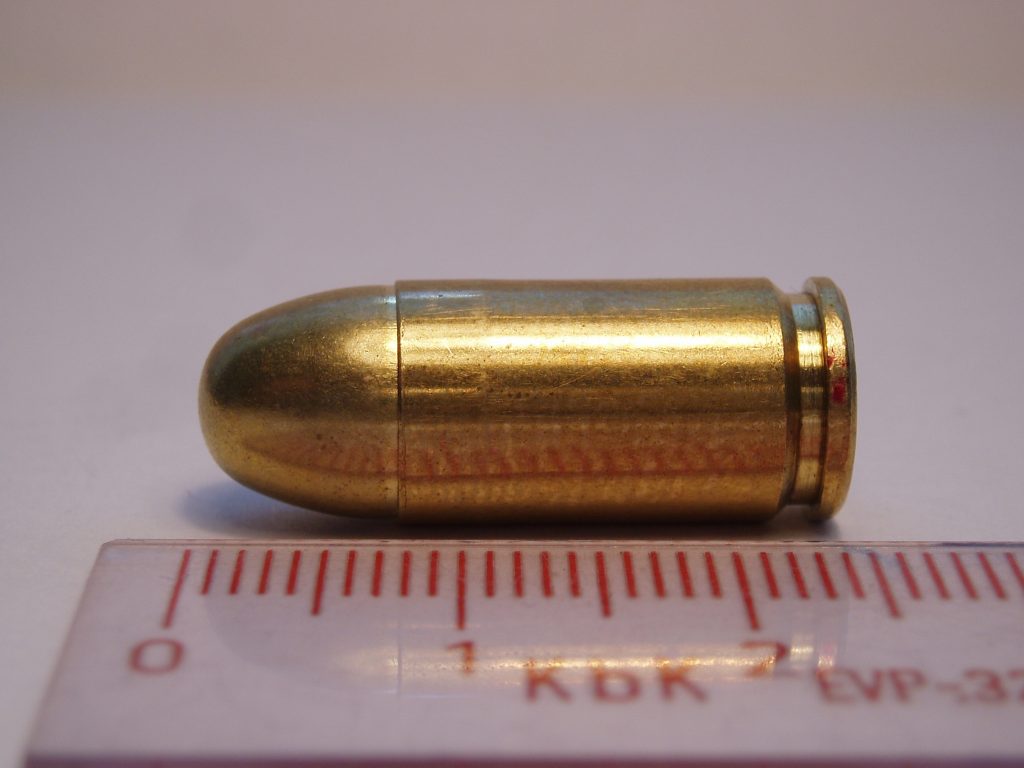
5. .380 ACP with low-performing loads (Ammo choice decides success)
The .380 ACP has evolved in recent years, but it is still very ammunition- and barrel-length-dependent, with some bullets expanding prematurely and others that will penetrate but barely expand, particularly if heavy clothing is involved. The engineering challenge remains the same: first, sufficient penetration, and then expansion. A good example of how design can alter the outcome is Hydra-Shok Deep 99-grain development intended for reliable 12-inch-class penetration from short barrels. Such a performance requirement emphasizes why “any .380” is not a justifiable assumption.
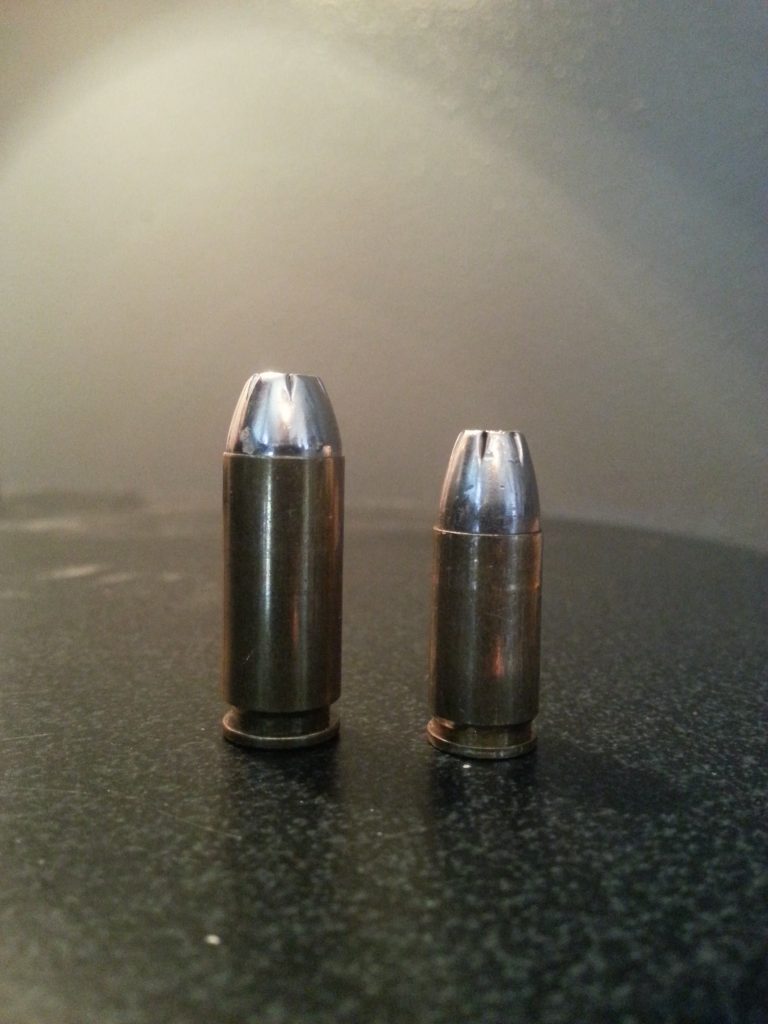
6. 10mm Auto (Performance is real, controllability is the gate)
10mm Auto has plenty of punch and penetration, but this is often beyond the control of many shooters in rapid, accurate groups. In close defensive work, the price of recoil is often paid in the form of slower follow-up shots and reduced probabilities of hits. There is also a greater chance of over-penetration with full power loads, especially in a situation where a missed shot can travel through interior barriers. In wall tests, 10mm was one of the cartridges that over-penetrated the farthest, emphasizing that power has to be controlled through training and ammunition.
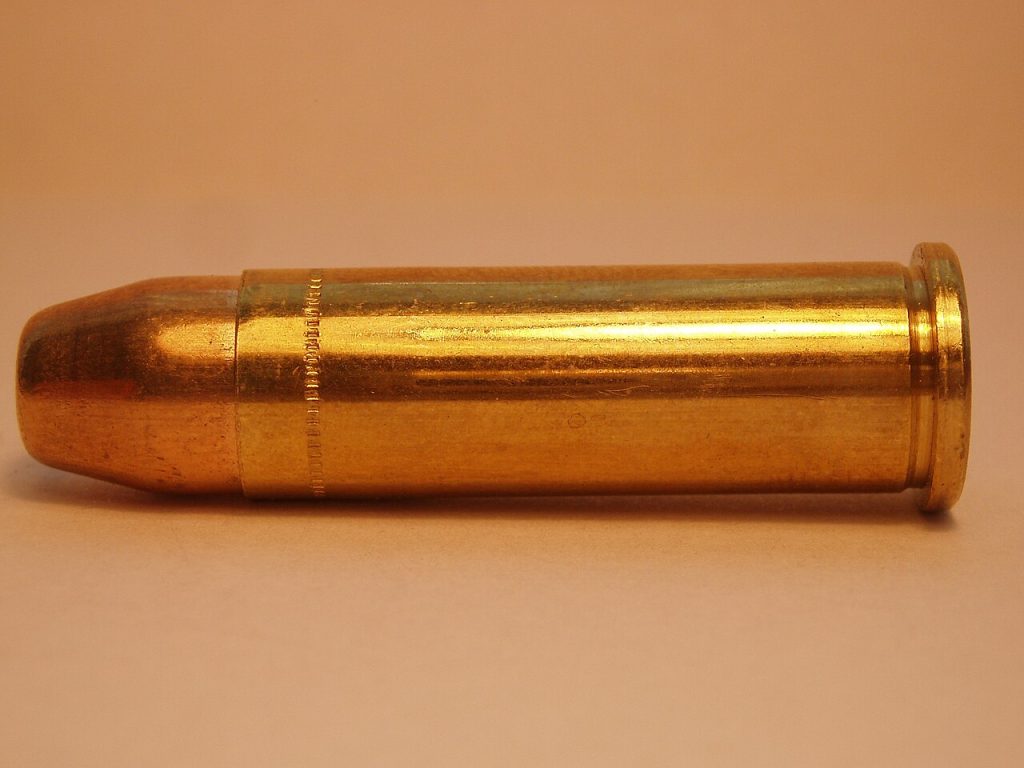
7. .38 Special from ultra-short barrels (Snub performance is load- and barrel-dependent)
.38 Special has a lengthy defensive history, although the shortest barrels will retard velocity sufficiently to impair expansion reliability. Gel test result summaries consistently indicate that numerous .38 Special loads fall within the lower portion of the desirable penetration range, although expansion may be jeopardized by obstructing fabric. As one commonly quoted warning goes, “Keep in mind that the loads with the best numbers might not necessarily be the best choice” when recoil and controllability become factors, a consideration that becomes more acute as revolvers decrease in weight and barrels shorten.
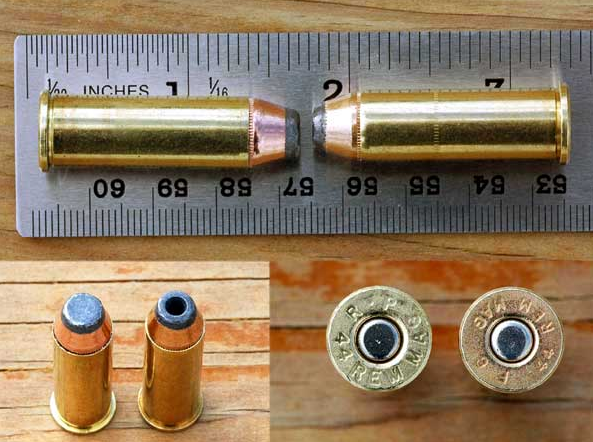
8. .44 Magnum (Power overwhelms the defensive problem)
.44 Magnum has tremendous energy and penetration power, which is not desirable in most self-defense situations. The recoil is very high, which means recovery time is slow, and the larger guns are difficult to conceal. The fact that the bullet keeps going is a major concern in most residential buildings. In most defensive applications, the engineering challenge is not “max power.” It is delivering quick and accurate shots with a cartridge that cycles reliably and consistently in practical barriers such as clothing, angles, and intermediate barriers. In all of these rounds, the common problem is not the theoretical lethal potential, but reduced margin.
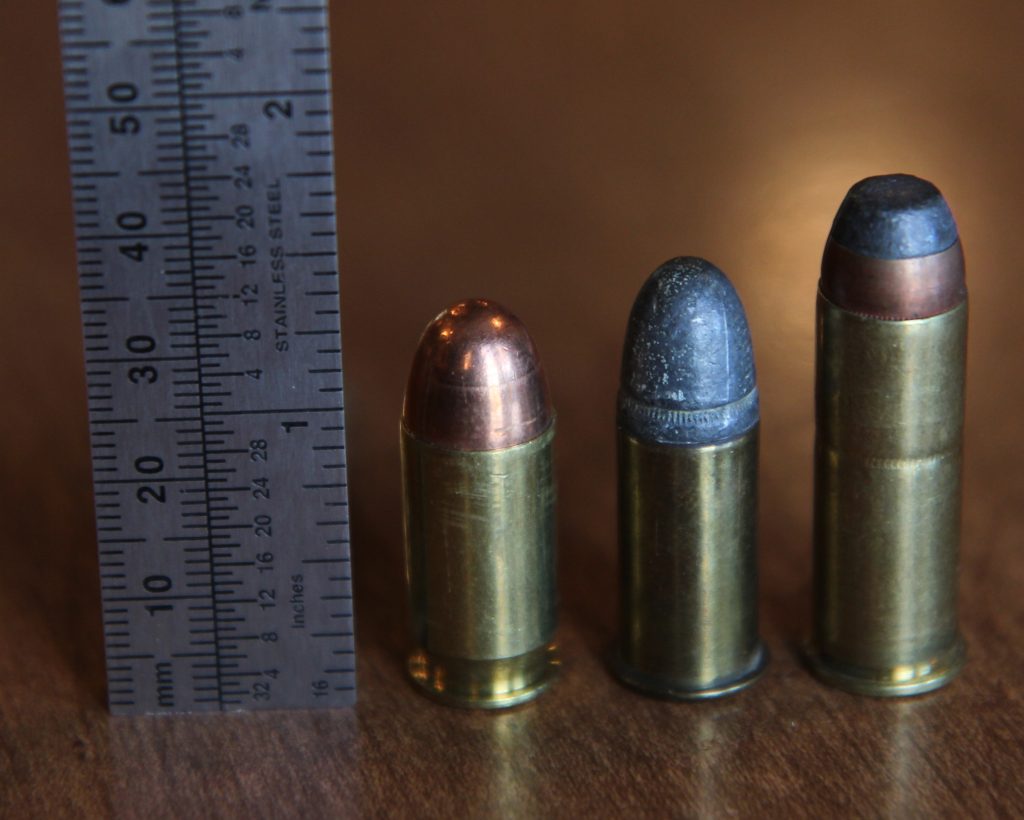
The defensive baseline is always the same: reliable ignition, manageable recoil, and penetration that can get to vital areas even when real-world factors make an appearance. The testing by gel and walls continues to provide the same reminder: there is no magic bullet that becomes harmless after a miss. A good defensive configuration is based on accuracy under stress, ammunition that shoots well, and honest limitations of what a given caliber can provide.


