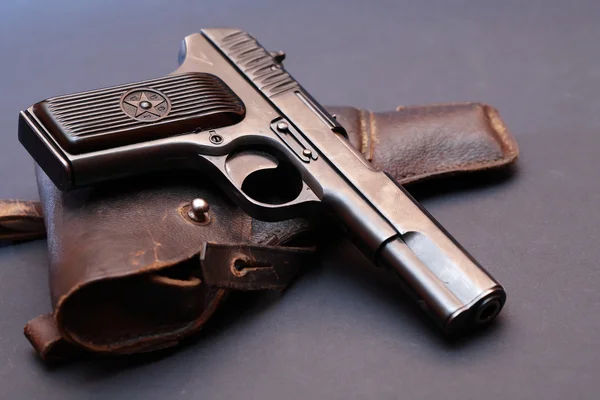
Half a second doesn’t sound like much until the moment it is the only thing left to spend. Chambered versus unchambered carry is a question that continues to resurface because it is not a trivia question about technique. It is a systems question that includes hardware, holster design, trigger dynamics, availability of hand, and the type of practice that the carrier actually completes. The right answer is the one that will not develop a new point of failure under stress.
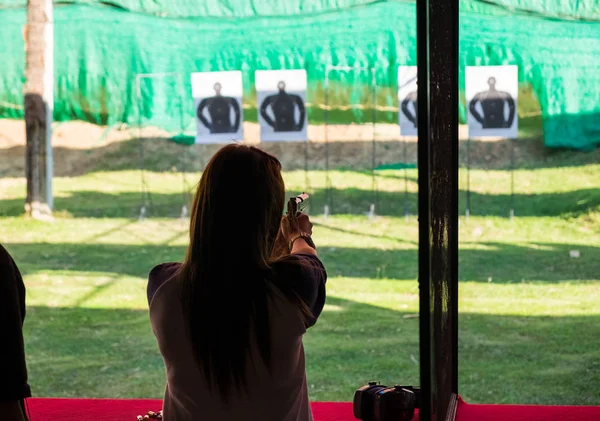
1. Time on the first shot is a mechanical advantage
A chambered handgun allows the shooter to fire as soon as the sights are on target. An unchambered handgun introduces an additional step that must be performed flawlessly every time, under pressure, and without hesitation. This is why the dialogue is so stubbornly practical: if the threat is close and fast, there is no time to “make up” for lost time later.
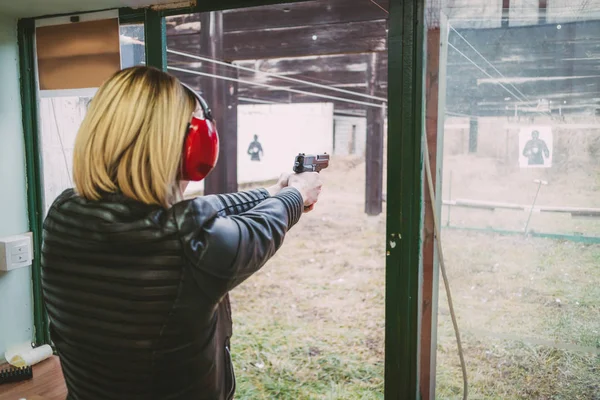
2. One-handed reality is not uncommon not undertrained
Unchambered carry is founded on the principle that the slide will always be ready to be cycled when needed, but the most likely hindrances to this are not “Hollywood injuries.” One hand gets busy dealing with an aggressor, taking care of a child, moving a victim, turning doors often as much as it gets injured. This is why “wounded shooter training” is also “busy hand training,” and why carriers can benefit from practicing draws, reloads, and clears with only one hand.
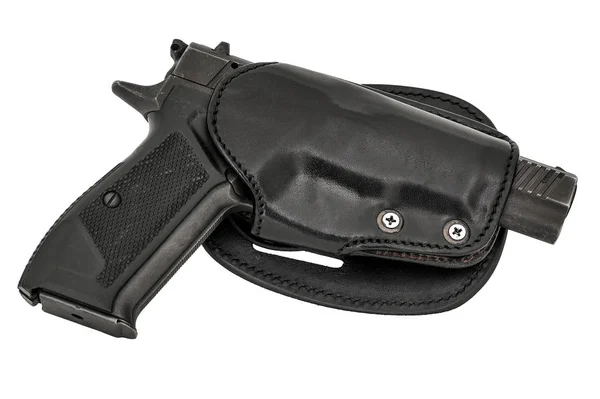
3. A holster is the safety device that stays on duty
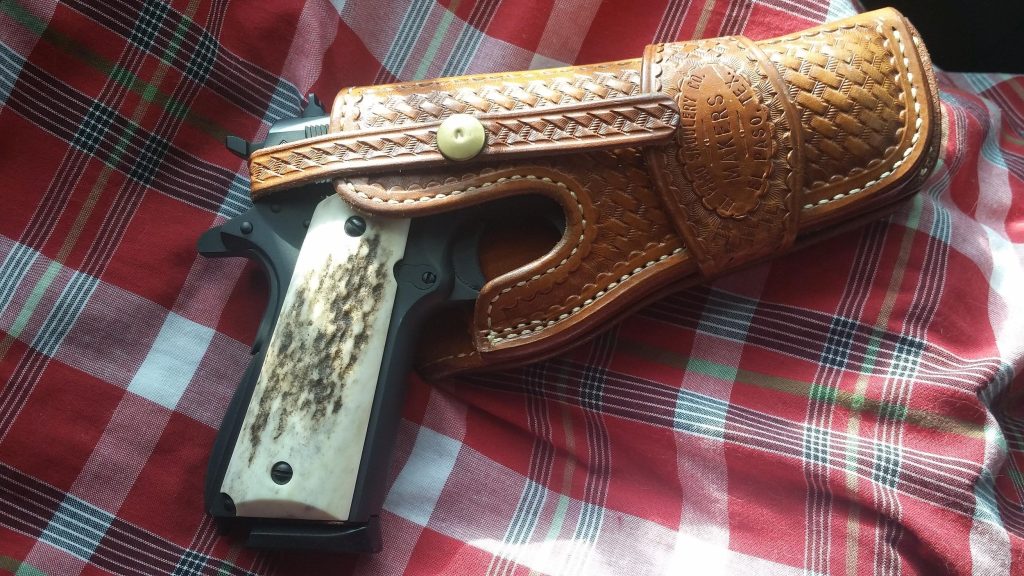
Chambered carry is either a living, breathing technique or a dead one, and it all depends on the holster. The answer to keeping normal movement from being a wild card with the trigger is trigger guard coverage and mounting. The bottom line is simple: a holster that fully covers the trigger guard, is open for safe reholstering, and doesn’t change its draw angle with normal movement. The more consistent the holster, the less variability that is introduced into the equation.
4. Retention can enhance safety or undermine the attraction
Retention holds the gun in place, but it is the release mechanism that is important. Retention by shape alone is normally simple; anything active is not. Problems occur when a release is engaged by the finger along the path of the trigger. A defensive holster needs to retain the gun without involving the trigger finger in bad habits during the draw.
5. Internal safeties decrease the chance of a drop, but not the chance of handling
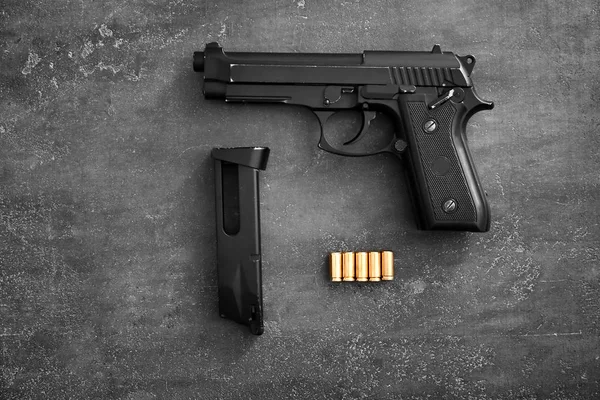
In modern pistols, firing pin or striker blocks are normally incorporated to ensure that the pistol does not discharge unless the trigger is pulled. In Glock pistols, for example, a firing pin safety is incorporated, which ensures that the firing pin does not move forward until the trigger is pulled backward. A simple function test is possible for those who can safely disassemble the slide and ensure that the firing pin is extended only when the safety is pressed, as described in a procedure for a firing pin safety test. However, the message remains the same: internal safeties are no substitute for proper trigger discipline and sound holstering habits.
6. Trigger system selection affects the safety ‘feel’ under stress
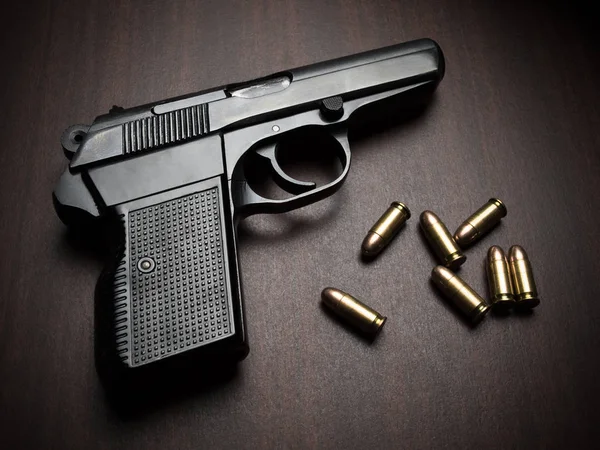
Trigger design is a factor in the level of forgiveness a carry configuration will offer during adrenaline-driven compression of fine motor skills. A heavier first pull in many DA/SA pistols could be a shock absorber against accidental strikes, while the consistency of striker-fired pistols could reward good technique and punish bad technique. The key is not to be brand-loyal but to match trigger requirements to carrier training and administrative risk tolerance.
7. Gear arrangement decides whether the hands can work the weapon
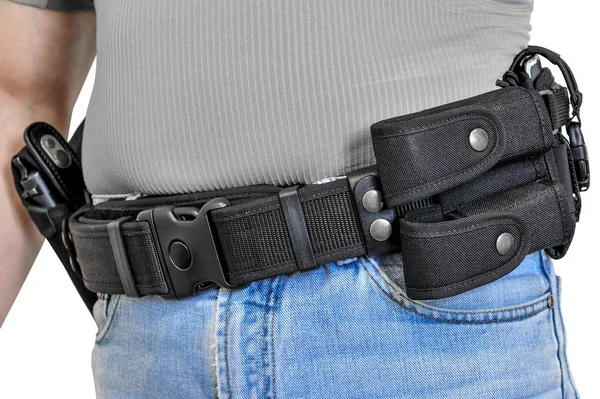
Unchambered carry necessitates positive slide function. This pushes details such as rear sight design and belt/holster interaction from the domain of “nice to have” to “must have.” A rear sight or belt/holster interaction that isn’t positive will make one-handed chambering and malfunction clearance questionable at best. This is also true for spare magazine carry. Gear that can only be accessed with the support hand is gear that will disappear when the support hand is full.
8. Dry fire is where the decision gets earned
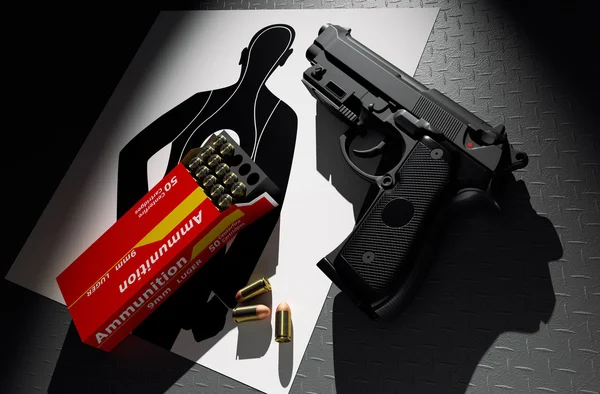
Regardless of the status of the chambers, the most transferable skill is the clean and repeatable presentation of the gun that indexes the trigger finger to the sights. A home practice routine, founded on a safe backstop and a no live ammo practice plan, will enable carriers to engrain a safe method of loading and unloading the gun and practice draw mechanics. Par-time practice is commonly used to assess consistency, and the three dry fire drills for presentation, draw, and magazine exchange are indicative of the number of shooters who have built speed without compromising technique.
9. The law and policy can define what “ready” means
Carry laws are rarely concerned with whether a round is chambered, but state laws on vehicles, permits, and transport may influence daily activities and administrative processing. For example, Colorado state laws say that pistols can be carried with chamber and magazine loaded in a vehicle without a permit, while other states have different laws. Knowledge of local laws can eliminate unnecessary cycles of loading and unloading, where most avoidable mistakes occur. Whether chambered or unchambered carry is more about failure points than philosophy. Chambered carry demands a holster that effectively manages the trigger and a draw stroke that never cheats finger discipline. Unchambered carry demands reliable one-handed methods and a practice regimen that makes slide work automatic. In either case, the best benefit that the carrier can have is a system that is consistent and a training system that regards manipulation as a perishable skill not something that is accomplished once.


