“217,682 is the number of Star Model BM pistols produced between 1972 and 1992 not exactly the production level of a forgotten workshop.”
There are enough lines of firearms that have drifted out of the public consciousness for reasons that have very little to do with the functionality of said firearms. Ownership, politics, and economics can see a brand name relegated to the dustbin of history, even if it is still important to collectors and shooters. The interesting part is how many “dead” brands had designs that would have met modern specifications.
These gun makers earned their reputations in particular niches: target rimfires, working-class doubles, no-nystery single-shots, and functional carry pistols. The following information explains why the legacy still reads like a blueprint.
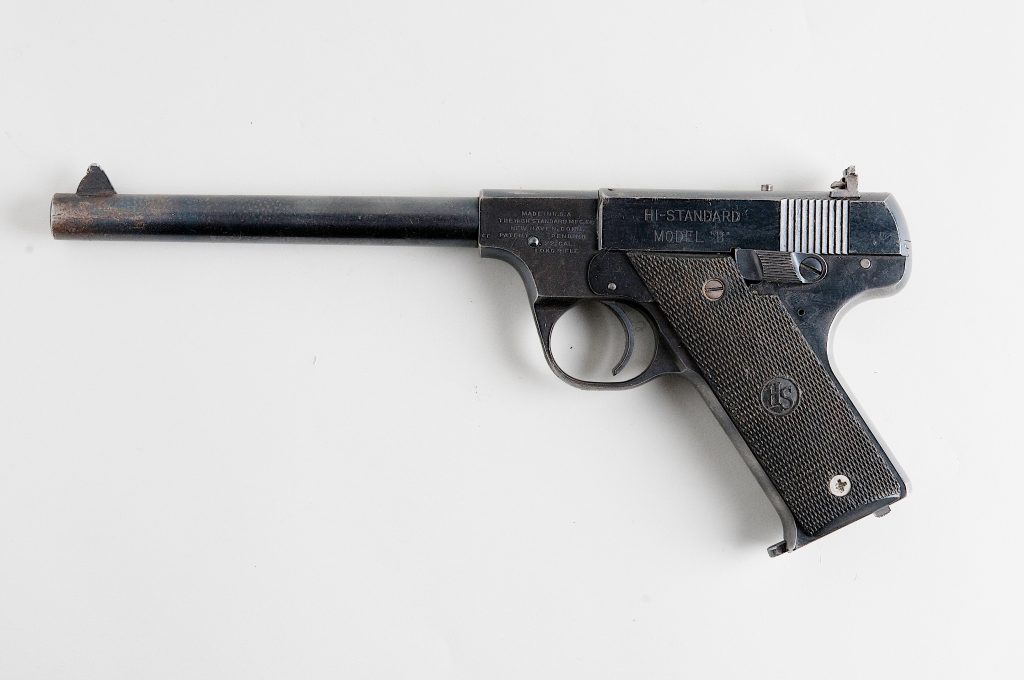
1. High Standard
The reputation of High Standard was earned by rimfire pistols that packed plenty of punch to spare for their price and status in the target shooting fraternity. This is still important today because the ability to shoot well and have a clean trigger pull is never out of style, no matter what materials and technology come and go. The current popularity of the brand is more about a winning formula than tradition: a .22 pistol that shoots well for good shooters, stands up to hard use, and is still accessible to shooters who want something better than the basics but not so exotic as to be in the boutique price range. In a market full of polymer and red-dot-equipped everything, a well-made steel and aluminum rimfire target pistol is definitely a niche product.
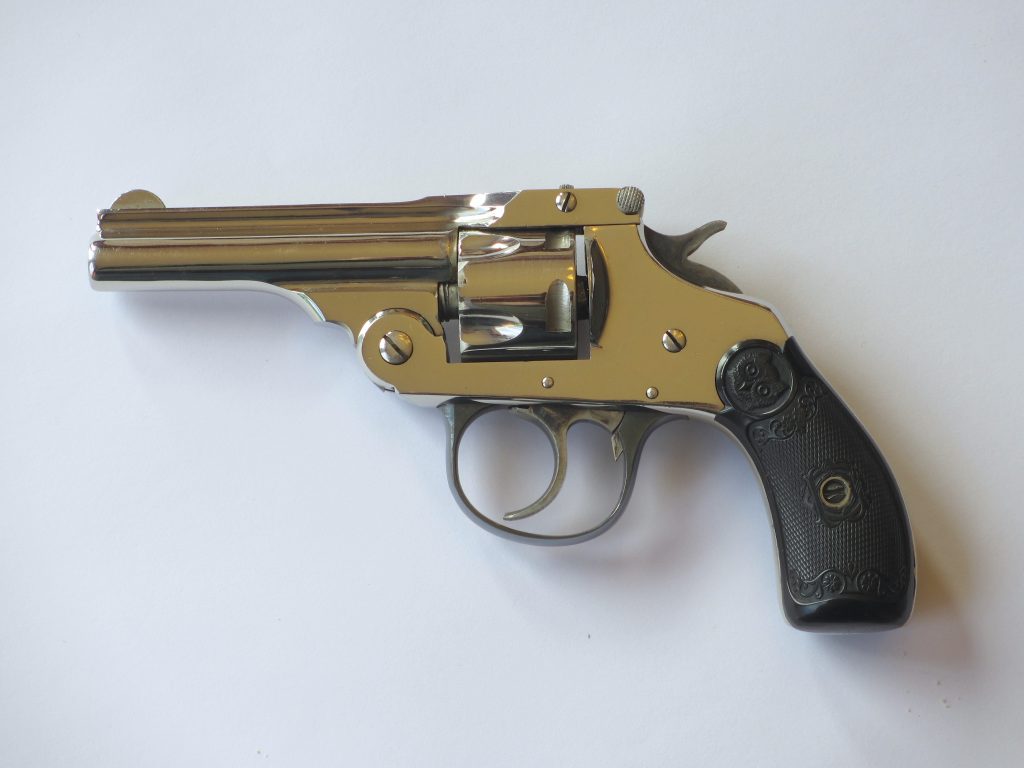
2. Iver Johnson
The Iver Johnson name is remembered because it was known for “everyday guns for everyday budgets,” and sometimes this included some recognizable flair and safety concepts that were memorable at the time. The market for carry guns today is simple: it requires compact, reliable, and easy-to-maintain designs that are also easy to understand. A return of the Iver Johnson name would not have to go searching for “exotic” qualities in order to be relevant; it needs to get back into the “regular folks” market that it has been serving for so many years.
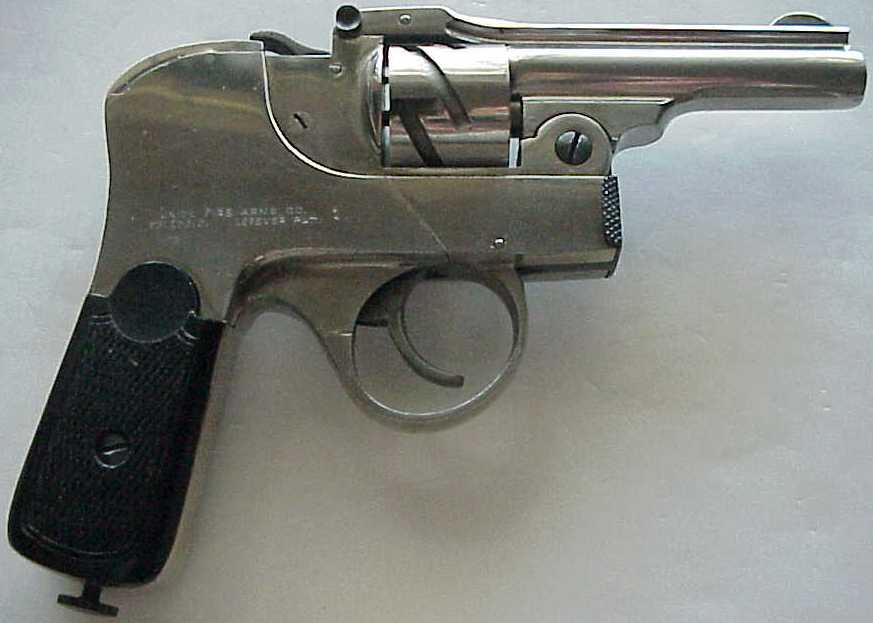
3. Lefever Arms
The history of Lefever is one that cannot be separated from the history of shotguns in America, particularly the pursuit of hammerless doubles that could still be fully loaded in the field. Daniel Myron Lefever is credited with the first successful manufacture of a hammerless shotgun in the U.S., and this alone goes a long way towards explaining the polish of the brand with bird hunters and collectors over the years. The firm was also famous for building side-by-sides that were beautiful but not snobbish, and available only to the very best level of consumer. This combination of field practicality with mechanical innovation is a great starting point for any gun manufacturer serious about building doubles that people actually go out and hunt with, as opposed to simply displaying them in a glass case.
4. Harrington & Richardson (H&R)
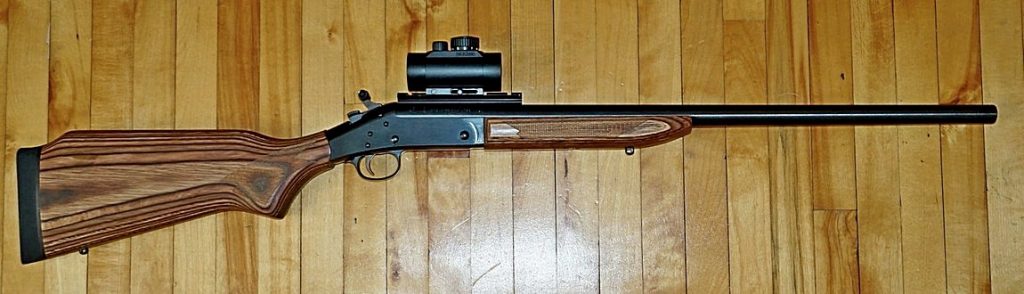
The continued relevance of H&R is due to its straightforward product line: break-action pistols, simple rifles, and workhorse handguns that emphasized function. The corporate history of H&R is complex, but the lesson of its engineering is straightforward: simple designs can remain relevant for decades if tolerances and components are taken seriously. H&R has also shown that it has the ability to produce at a high level; it is one of only four manufacturers that have produced an official M16 variant for the U.S. Military. A legacy such as this is what helps to drive the passions of collectors and what helps to prove that “plain” does not necessarily mean “second-rate.”
5. Astra
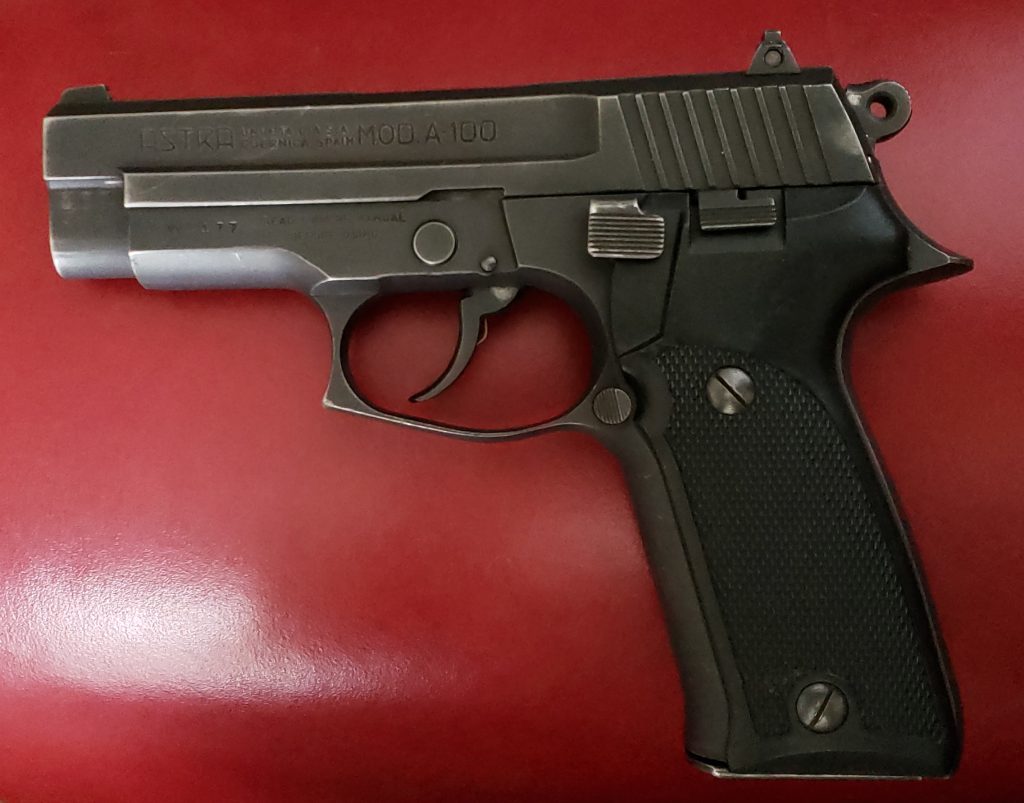
The Astra product line demonstrates what can be accomplished when a gun maker chooses to focus on diversity service pistols, pocket pistols, and export pistols, often with innovative fixes rather than radical redesigns. The company’s history is extensive and well-documented, culminating in a final meltdown when the company went bankrupt in 1997.
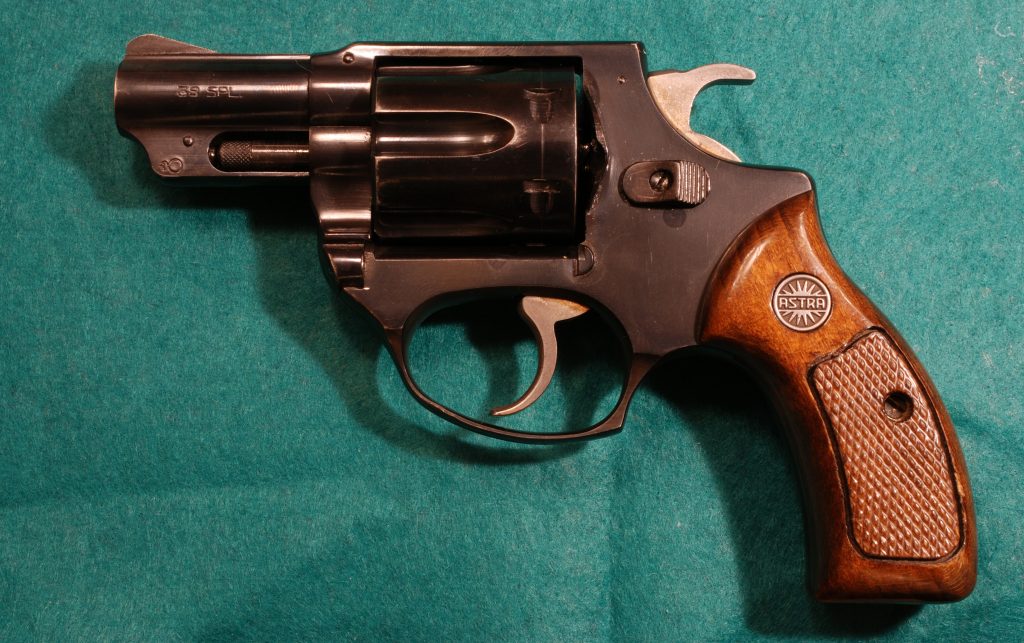
It is, however, the engineering personality that is so fascinating: rugged blowback pistols, subcompact carry pistols, and an openness to adapting existing designs to meet particular requirements, including safety adaptations to meet new import regulations. The very best of Astra’s designs can be adapted to meet modern requirements for ergonomics, carryability, and reliability without feeling the need to convert every pistol into a striker-fired pistol.
6. Meriden Firearms
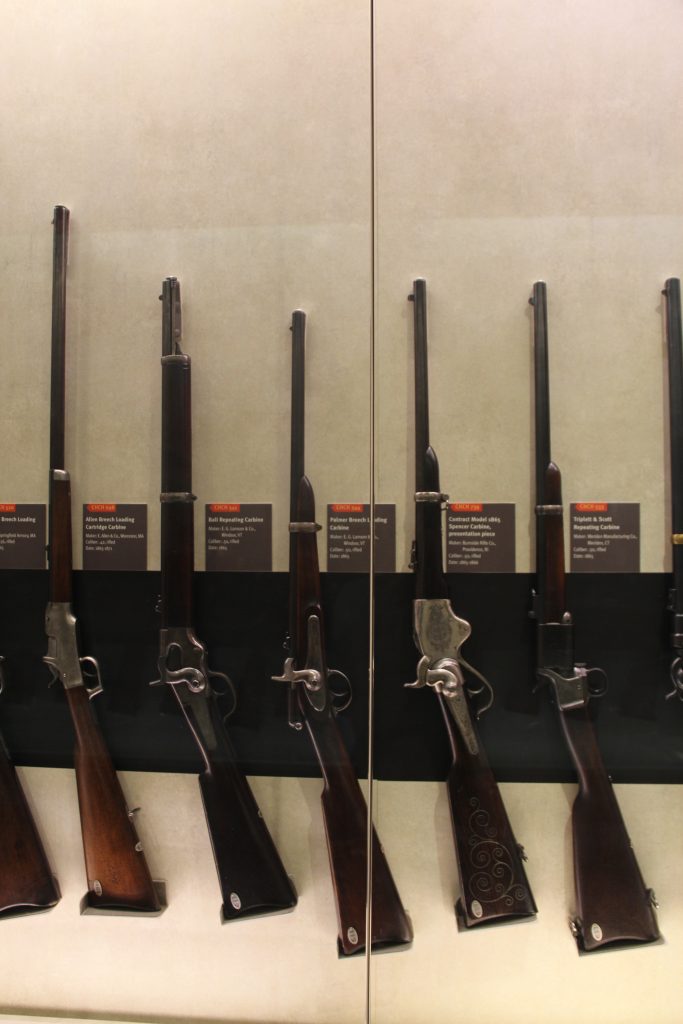
Meriden is part of the American “working gun” tradition: robust shotguns and revolvers targeted at folks who wanted tools, not talk. Meriden is also a nod to the fact that the power of distribution can put a humble gun in an astonishingly high number of homes, where a familiarity is bred that never quite wears off. In today’s environment, where there is a great deal of interest in heritage and simplicity, the Meriden brand is no different than the “built to last” requirement that originally attracted folks to vintage utility guns.
7. Star
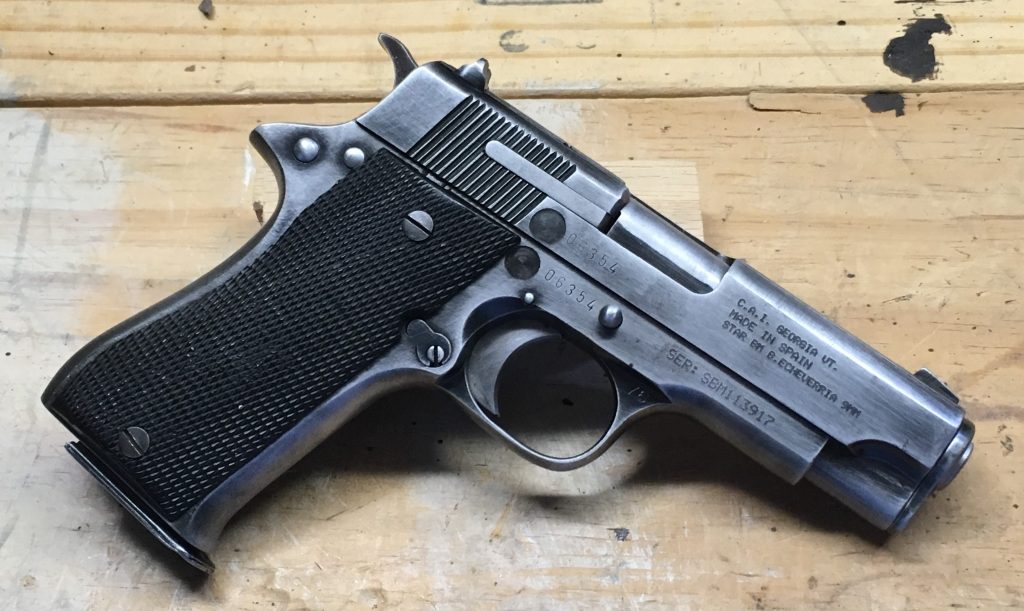
Star’s pistols are best described as being 1911-related upon first inspection, but the mechanical variations are the whole point. The Star Model BM had an astonishingly long production run and was remarkably consistent: 8-round magazines, small size, and single-action locked-breech design. It also varied from the 1911 design in a number of significant ways, including the absence of a grip safety and a thumb safety that blocks the hammer instead of the sear. These decisions appear to be the work of an engineer who is intent on reducing user interaction while still providing the shootability that the user wants from a single-action 9mm.
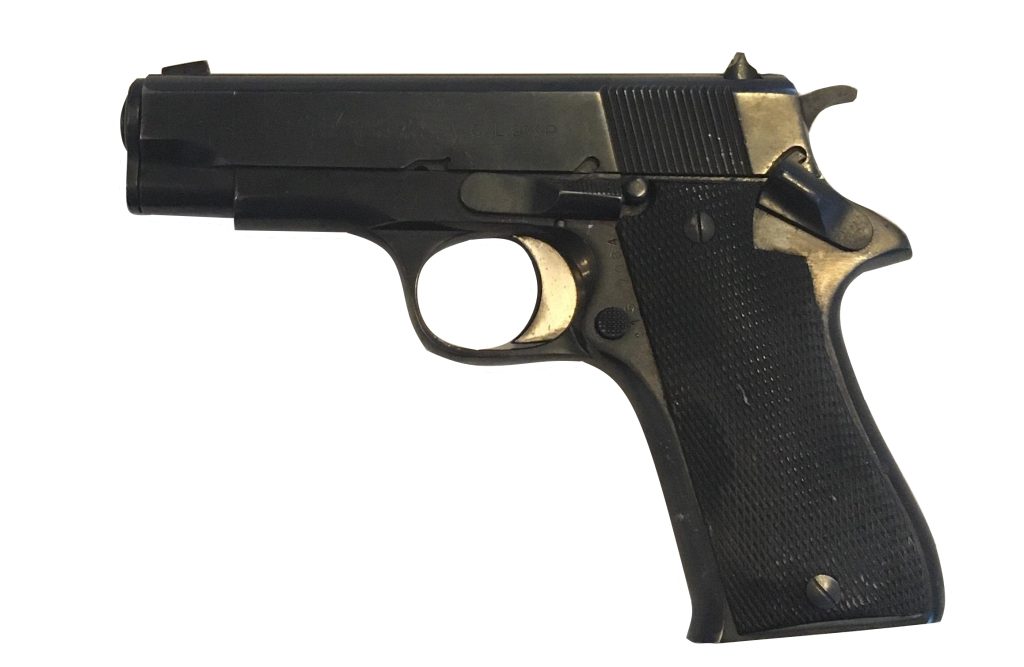
Even the smallest details, such as the post-1981 addition of a ramped and serrated front sight, indicate a gun designer who is reacting to in-service experience rather than trying to keep up with the times. What ties these names together is not nostalgia it is functionality that has outlived the extinction of the brand. When a language of design is about accuracy, durability, and simplicity, the only thing that actually disappears is the logo on the slide. The result is a short list of manufacturers whose best ideas are still on target with how folks shoot, carry, and hunt.”


