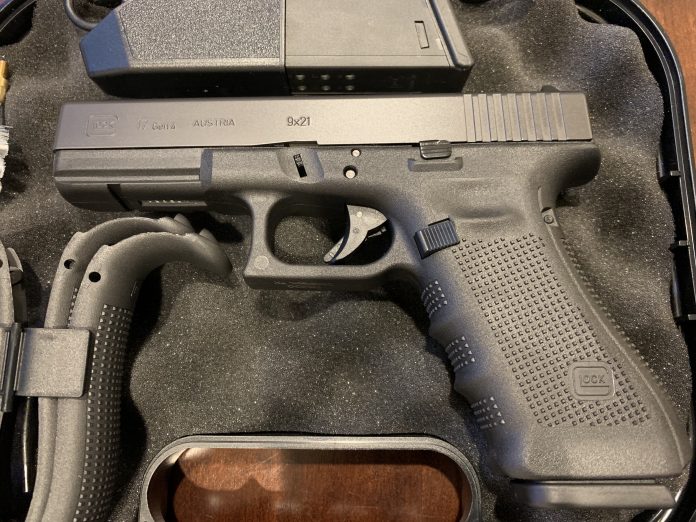
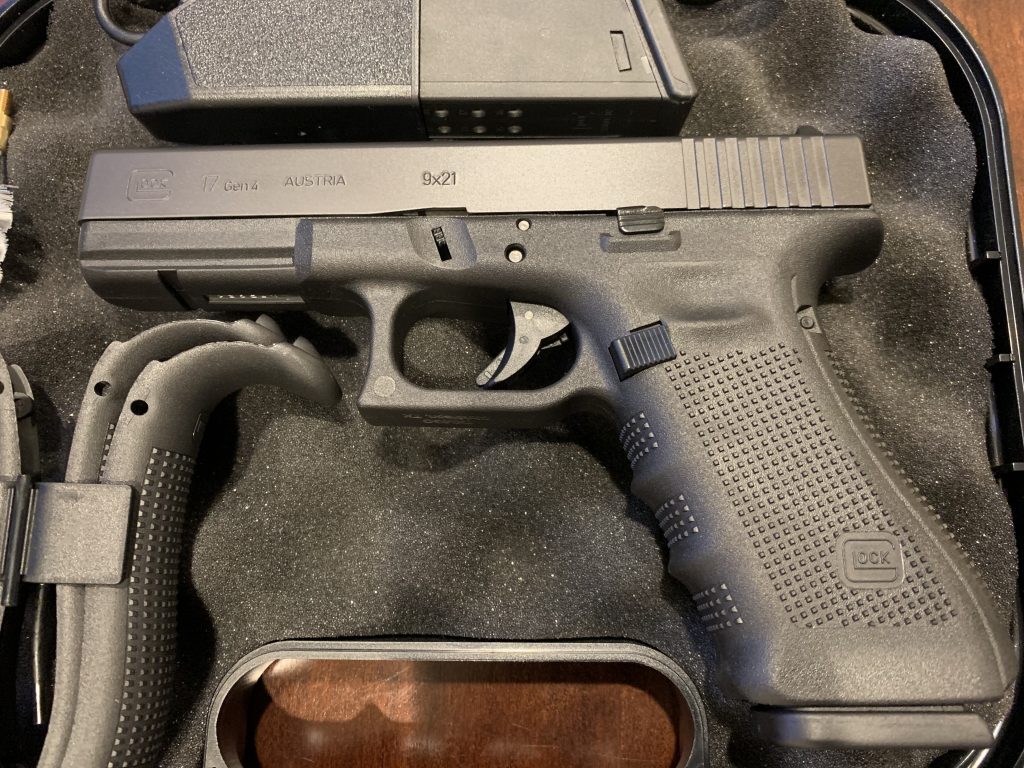
To a firm that made sameness an attribute, the sudden decision to make Glock thin its commercial platform is the type of action that requires everybody at the bottom to recalibrate.
It is not a cosmetic rejuvenation. It is a reset in manufacturing and design which now run on three realities that now dominate the striker-fired market, namely, production bandwidth, slide-mounted optics becoming the new baseline equipment, and a widening compliance battle over illegal conversion devices which substitute a pistol backplate.

1. Fewer SKUs means more usable machine time
The Glock catalog became a jumble of overlapping generations, chamberings, and configuration divisions that never sold at equal rates. Reducing dozens of variants eases scheduling, minimizes changeovers and reduces the parts matrix which needs to be inspected, stocked and forecasted. The real life consequence is that the models that run and not the ones that hang around the factory floor generate a more predictable output and less effort gets spent feeding the slow and intermittent demand.

2. Niche chamberings become harder to justify at scale
Even a shift towards predictability by a manufacturer does not necessarily need to leave the cartridges with loyal followings as the first to suffer a squeeze in production. In high volume operation oddball combinations increase inventory and tooling pressure more than they contribute to the throughput. As the core market continues to shift to mainstream 9mm duty formats, the fringe options will only be a logistics issue, not brand victory.
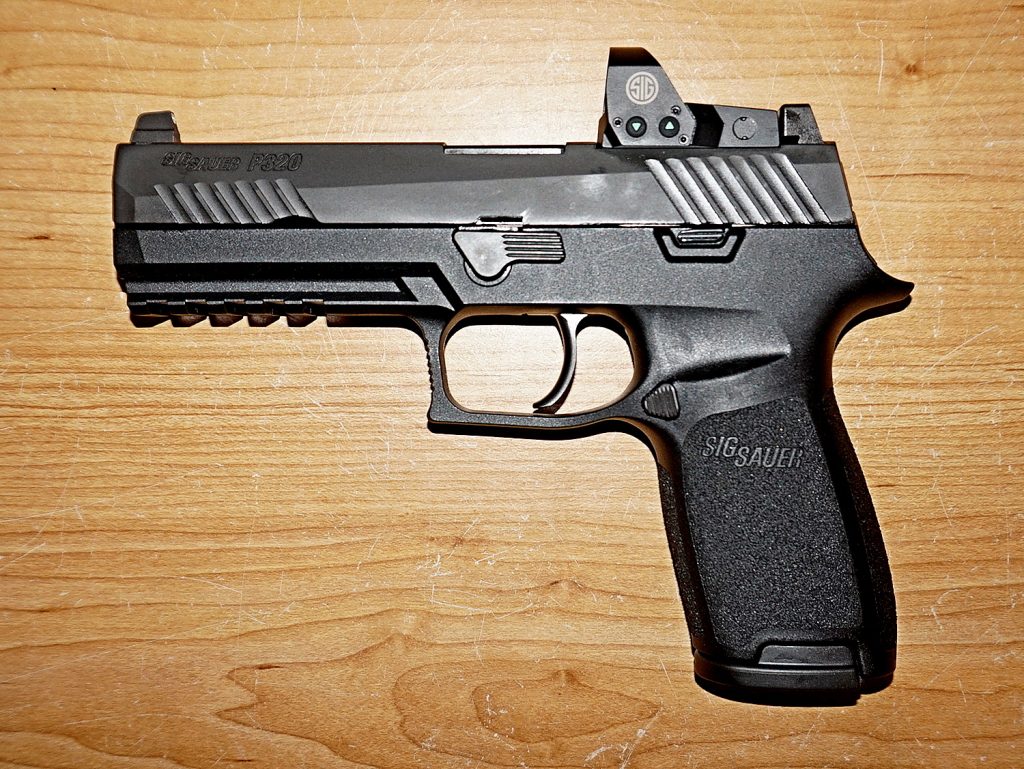
3. Optics-ready slides shift from “nice to have” to expected
Red dots mounted on pistols have become a common institutional item instead of remaining in the hobbyist’s hands, modifying what is expected to be emitted at the factory. That drives the manufacturers towards homogenization of optic-capable slides as the maintenance of parallel, or classic, slide types in full-rate production would occupy capacity without fulfilling the contemporary expectations. What Glock is doing in trimming down is consistent with this: it is reducing its legacy patterns, and concentrating more on their configurations that are in line with the way handguns are currently being equipped.
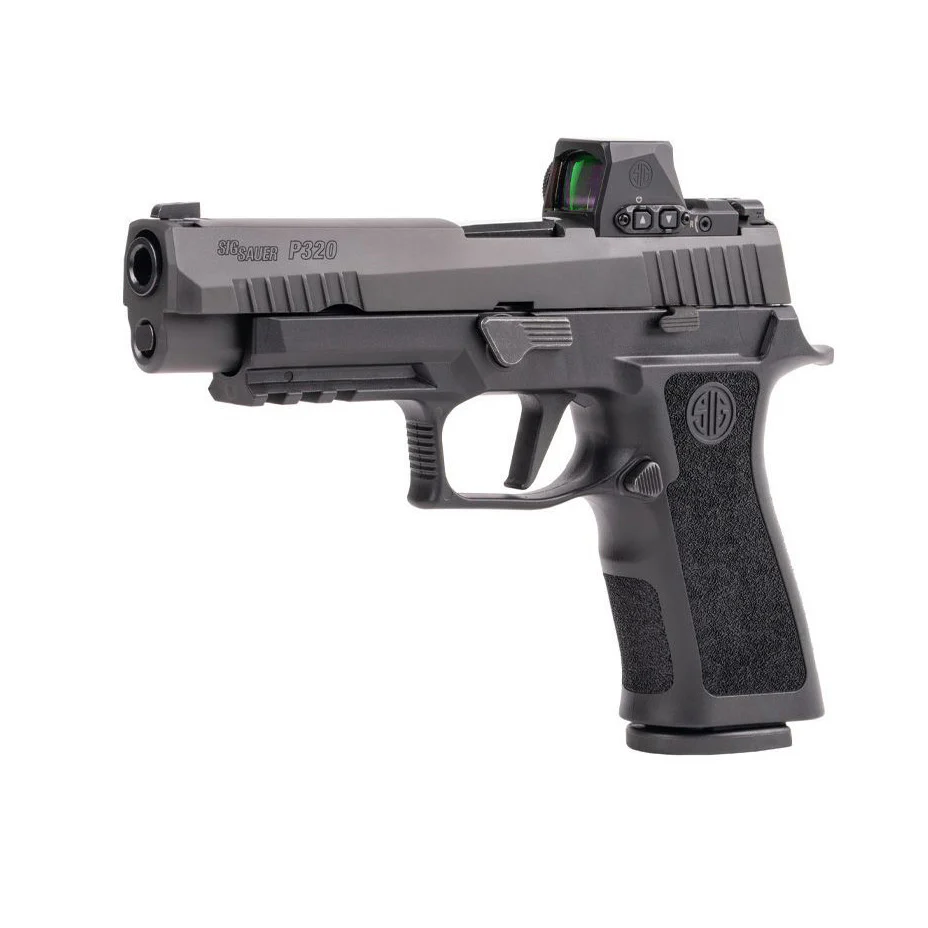
4. Plate systems carry manufacturing and durability penalties
With the increased use of optics, the interface becomes more significant than the marketing label. Adapter-plate solutions add lots of parts, screws, and tolerances into the mount which makes it more difficult to assemble and provides additional points to check and maintain throughout service. The more recent trend of Glock features the optic cut as a feature and no longer as an accessory channel to the slide format, making it less of an incentive to continue producing older slide formats.
5. Conversion-device pressure is now shaping “acceptable” designs
The illegal conversion devices, which are usually referred to as switches, have dragged regulators and courts into design debates that one would have expected to only be limited to hobby forums. The definition of the AB 1127 of California is based on a framework of machinegun-convertible pistol, and applies to dealers transactions, making the design characteristics the compliance trigger. On the enforcement aspect, a popular data point is the ATF-reported 570% rise in conversion device recoveries a 2017 2021 compared to the previous five years. Civil litigation In civil litigation, the complaint of New Jersey has brought out allegations that converted guns would go to 1,200 rounds per minute and that has kept the discussion going regarding how easily a platform can be modularized with a little external component.

6. “Anti-switch” revisions are forcing a baseline split
The solution of Glock has been focusing on alterations in the back of the slide where these devices are usually fitted. Another important fact in reporting is a change of feature to a polymer one to a steel interference element that is to prevent switch installation- a short steel rail to block switches. No matter what we call them, the significant engineering implication is that conversion deterrence is a factory specification, not an aftermarket addendum and that renders certain older slide and backplate interfaces less valuable to maintain in operational condition.
7. A next-generation platform makes discontinuations easier to absorb
A lineup purge is seen in a different light when a successor architecture is on the side-lines. Gen 6 Glock The story behind Gen 6 Glock has been connected to a more contemporary optics design, the abandonment of MOS plates in favor of direct mounting designs, and familiar handling where appropriate. The ripple effect is foreseeable: training, armorer training, and parts provisioning are divided into classic and current, and the legacy variants are phased out gradually, reducing the rate at which that ecosystem manages to ensure that provisions are kept.
8. The aftermarket is entering a compatibility fracture
The culture of drop-in parts has always served to increase the dominance of Glock, however, that culture requires stable interfaces. As soon as backplates, trigger designs, recoil mechanisms, and slide designs separate on compliance based and performance based lines, fits Glock will become a meaningless term without a generation identifier. The mismatched generations are already a reliability trap to builders; a leaner catalog has the advantage of making Glock lighter but at the cost of making every other person heavier to sort.
9. Dealers and collectors react before the last unit ships
As soon as the routine-order guns get the label of legacy items, behavior changes. Models that buyers expect to be out of stock are cleared by dealers quicker and innovations like long-slide or niche products grow to be desirable specifically because they are no longer commonly available. Simultaneously, a long history of service and support earned by Glock has continued to make old guns viable to owners who may have training and spares already constructed to a particular generation. The larger lesson is structural: The continuity of Glock has limits which are characterized by factory efficiency, standardization of optics, and a compliance environment which views convertibility as a design variable and not a user issue.


