“Is the logo on the receiver still a shortcut to confidence, or just a familiar name doing unfamiliar work?
For many shooters, brand loyalty is earned the old-fashioned way: with a rifle that never hiccuped, a shotgun that laughed at bad weather, and a revolver that locked up tighter than a bank vault. The rub is that brand loyalty can exceed the lifespan of the production decisions that earned it, particularly in the wake of changes in ownership, relocation of manufacturing, or a new focus on churning out more guns to meet a saturated market.
The modern-day U.S. market provides more choices than ever before, such as 5,845,019 firearms imported into the U.S. in 2023, and consumers have less reason to “settle.” Consistency, and not nostalgia, is the true differentiator.
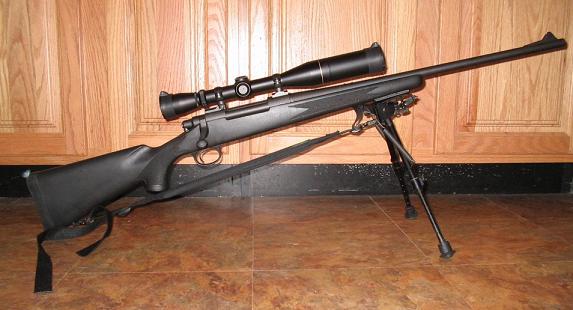
1. Remington
Remington got its reputation on workhorse guns that were like permanent fixtures in your life: the 870, the 700, and pump guns that resided behind truck seats for years. The brand’s dark time became a textbook example of what happens when cost-cutting and corporate shake-ups meet QC: a trigger pull that was gritty, a barrel that didn’t exactly fill you with confidence, and triggers that generated an endless amount of counter-talk. Even with the brand name back in play under new ownership, the lingering tradition is one of verification consumers examine the era, the markings, and the details more than the rollmark.
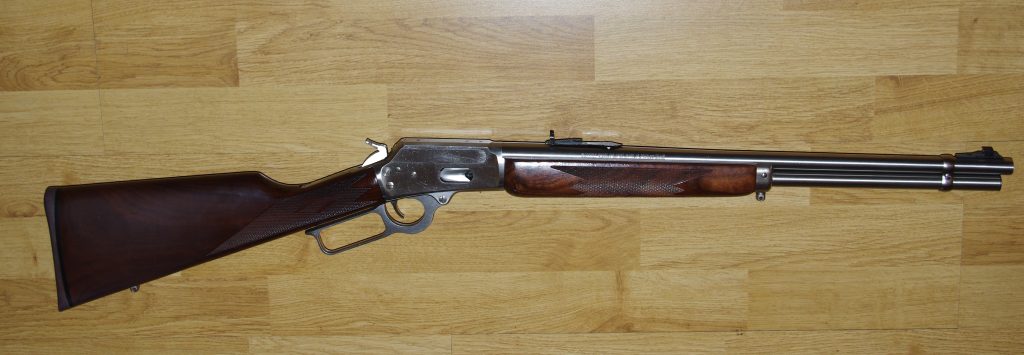
2. Marlin
The trust issue for Marlin has a very particular date stamp in the minds of lever gun enthusiasts: the “Remlin” years. When the production line shifted and the institutional knowledge didn’t, the gripes centered on machining scratches, wood to metal fit issues, and a feel that just didn’t match the Marlins of memory. But under Ruger’s stewardship, the turnaround has been more than skin deep enough so that many shooters now consider the current Ruger-manufactured Marlins to be significantly improved, and enough so that Ruger’s own 2025 filings included $40.7 million in Q1 gun sales related to new product offerings such as Marlin lever action rifles. The problem for the brand is simple: the solution is real, but the memory is sticky.
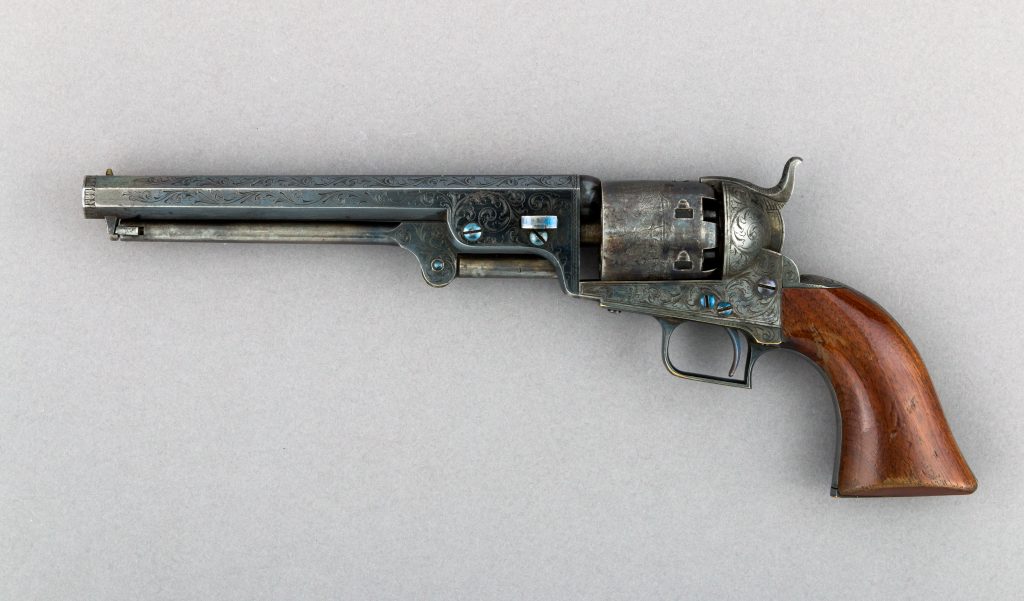
3. Colt
Colt is still one of the most charged brands in the world of handguns, and this is a double-edged sword. There are still plenty of shooters out there who demand that a Colt come out of the box with a fit that is clean and correct, with a function that is predictable, and with a finish that just feels right before the first shot is ever fired. The problem arises when this meets spotty quality control in some modern production runs, particularly as the brand’s focus has evolved over the years.
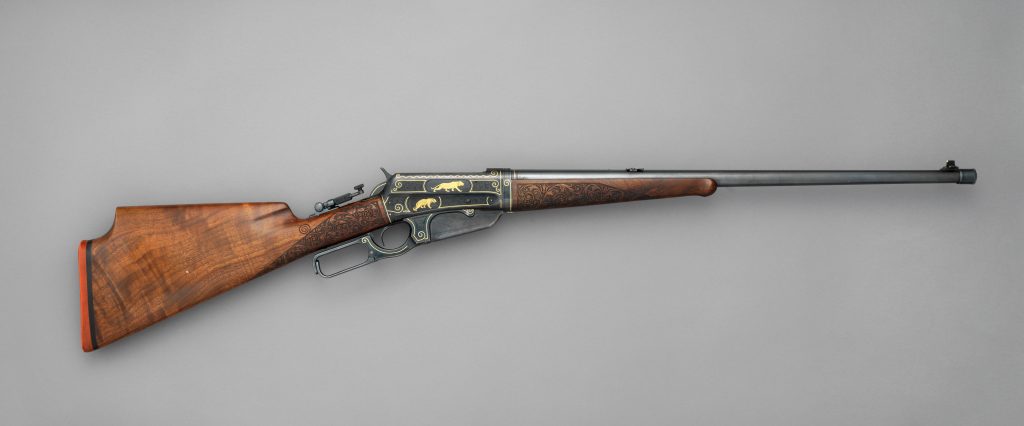
4. Winchester
The impact of Winchester can be so great as to cloud the current day. Traditional Winchesters remain the standard by which many people envision the term “American rifle,” but contemporary manufacturing can be read quite differently at the bench: more functional, less collectible. This creates a dual reputation in which the name drives the narrative, but the serious buyer searches for vintage models or at least checks the date and place of manufacture before assuming the vintage magic is relevant.
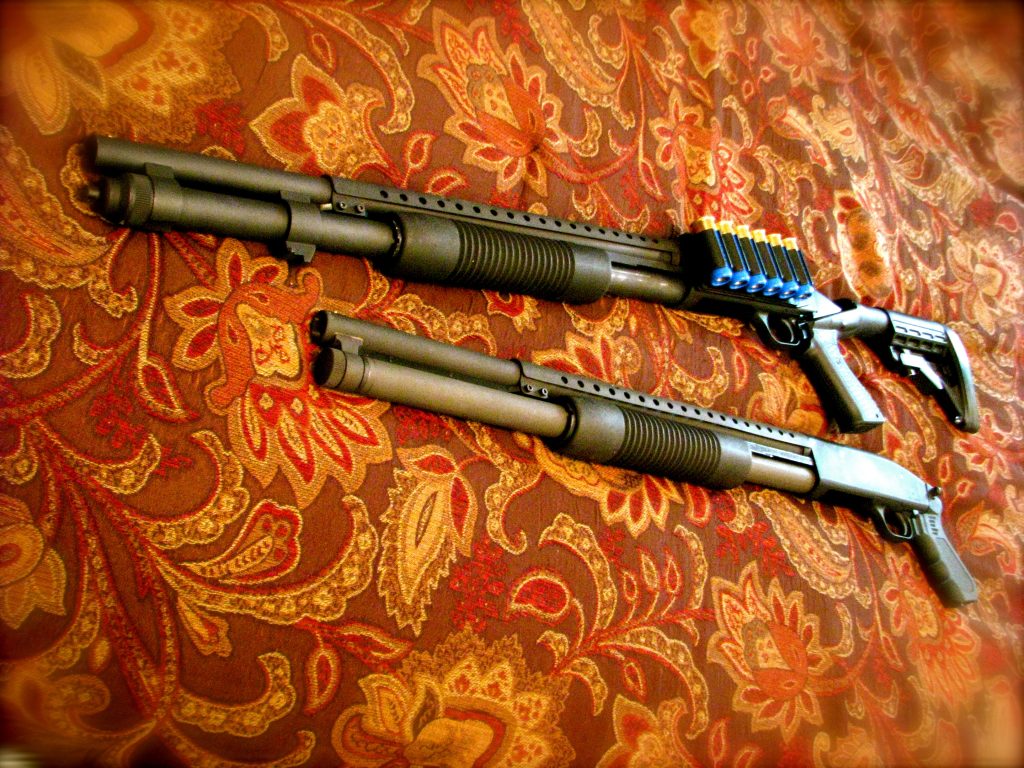
5. Mossberg
Mossberg’s essential brand identity is still connected to their rugged shotguns that function even when they are dirty, wet, or neglected. However, the brand has made this identity more complex by diversifying into more affordable rifles and pistols, where the materials, feel, and consistency are not as expected by traditionalists. In the production data of the industry, Mossberg is still the market leader in shotguns in the U.S., with 253,633 shotguns manufactured in 2023. While this is a strength for Mossberg, it also makes product sprawl more noticeable when some products do not fit the “500/590 certainty.”
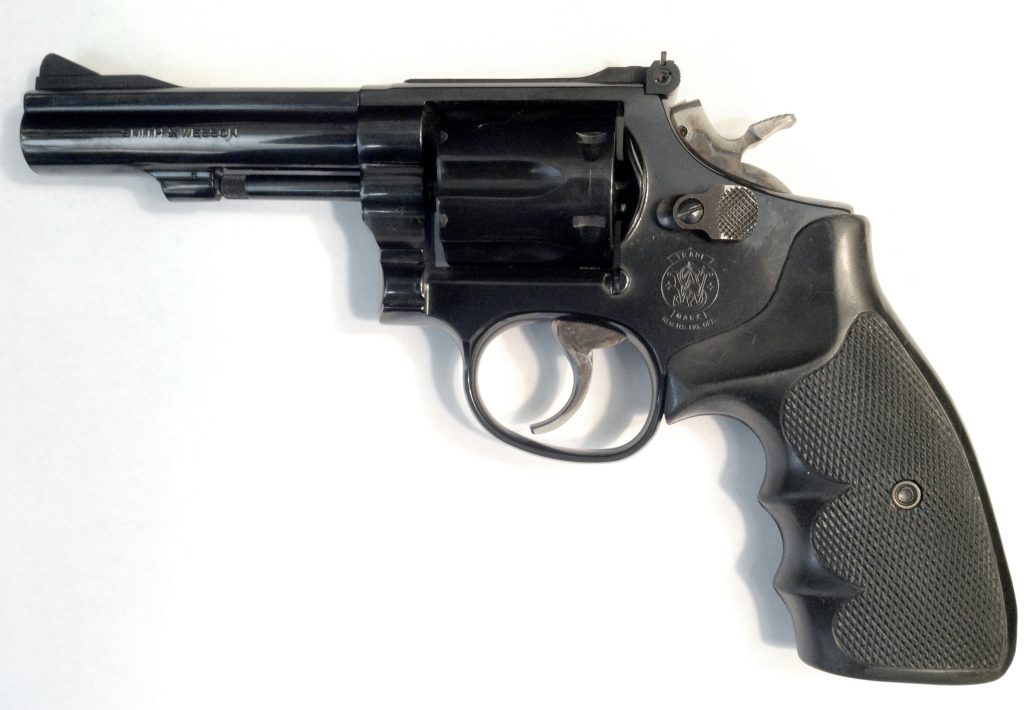
6. Smith & Wesson
Smith & Wesson remains the leader in mind share, but the brand identity has stretched over the years. The classic revolvers provide a standard of handling and quality that current mass production does not necessarily live up to, even if the guns are functioning well. Public company filings also reflect the effort the manufacturers are making to maintain their profit margins in the current market; S&W posted $474.7 million in net sales for fiscal 2025 in the same industry overview that highlighted the challenges. For consumers, the name is still important but not necessarily automatically associated with a certain level of polish.
7. Savage Arms
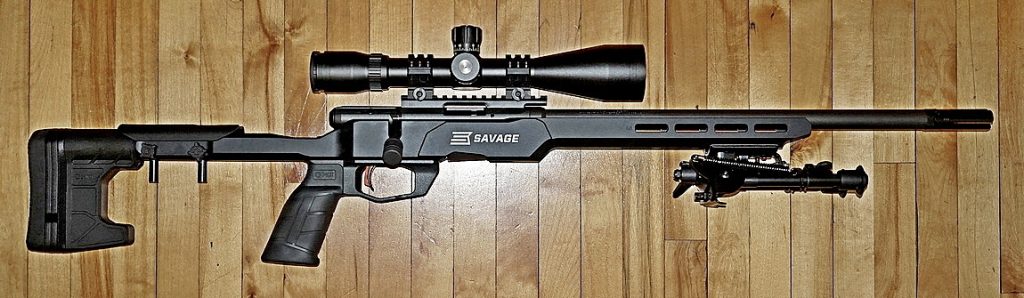
Savage had a reputation for value accuracy, particularly in entry-level hunting rifles that could surprise people on paper targets. However, recent attention has brought about a focus on safety system confidence in at least one high-volume line. A case that has been widely discussed, concerning a Savage Axis II, involved claims concerning a tang safety’s “middle” position and used internal testing terminology such as “MID SAFE” and “FIRES ON SAFE,” as well as statements concerning a small design change that was made later. Within the same reporting, the Axis II was said to have more than 800,000 units in the field. Whatever the legal ramifications, this is the kind of discussion that will alter how a purchaser inspects and tests a rifle at the counter.
8. Thompson/Center
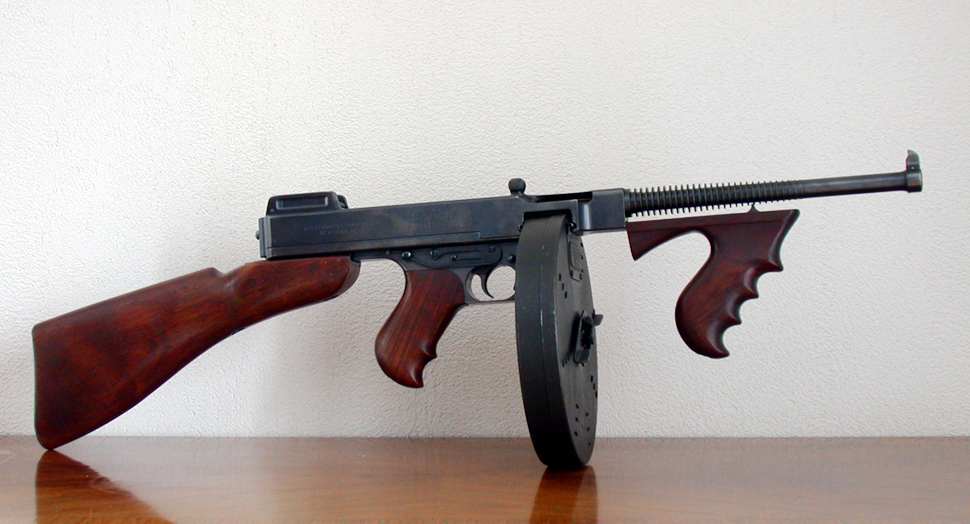
The problem with Thompson/Center is less about a single bad production run and more about the availability whiplash. A product line such as the Contender and the Encore inspired a loyal following in that it represented something different, but changes in ownership and production stoppages made it so that parts and frames are now a scavenger hunt. While fans exchange information on limited production and available sources, the problem at hand is that a brand cannot be a default option if the support is in question.
9. Kimber
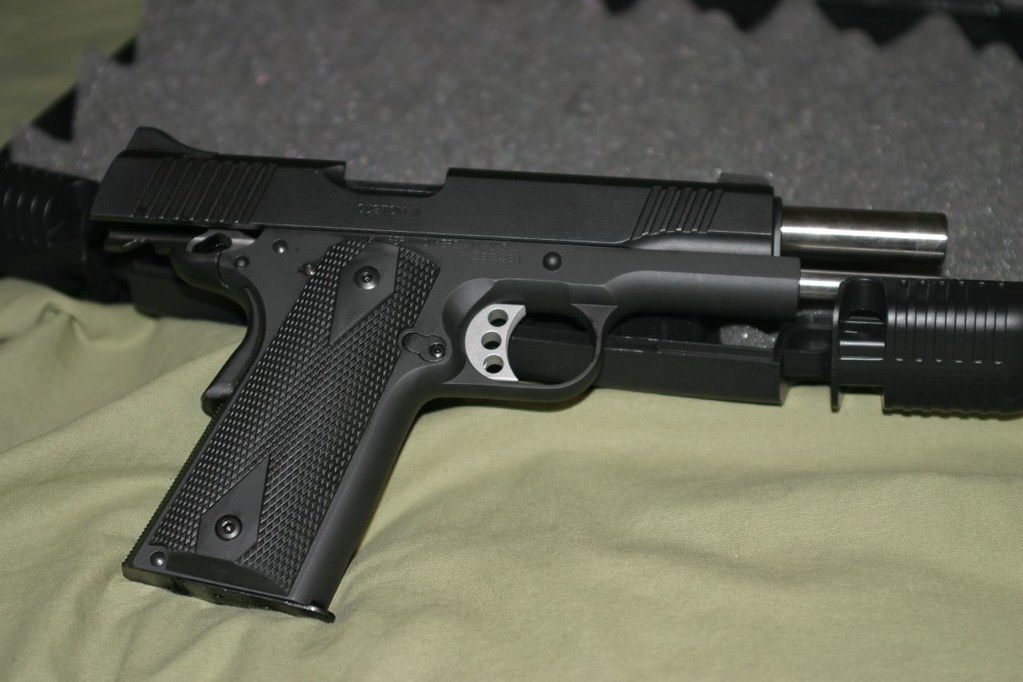
The polarization of Kimber’s reputation is so extreme because there are so many people with extremely positive experiences, and then there are the tales of finicky pistols, extractor woes, and customer service nightmares. The message here is not that Kimber is either good or bad, but that it does not live up to the expectations that come with a high-end 1911. The problem with Kimber is that it is just too unpredictable for many shooters, and a defensive handgun is supposed to be boring.
Trust in the brand of firearms is likely to be undermined in the same manner as it is established, one example at a time. In a market where consumers are spoiled for choice and production is divided between local capacity and large import volumes, the classic maxim applies: names are important, but inspection, track record, and model-specific research are more so.


