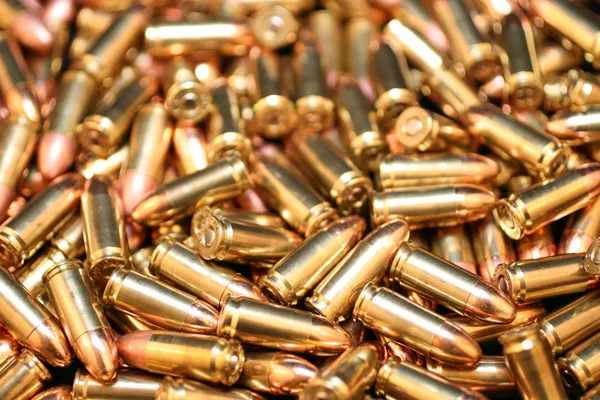
How many hunters are chasing a new headstamp when the old workhorses already solve the real problem putting a well-built bullet in the right place without getting punished by recoil and blast?
These five cartridges seldom trend, but they continue to appear in rifles that end up in carry. The common denominator is engineering control: efficient case sizes, reasonable velocities, and bullet choices that facilitate good shooting in field positions.
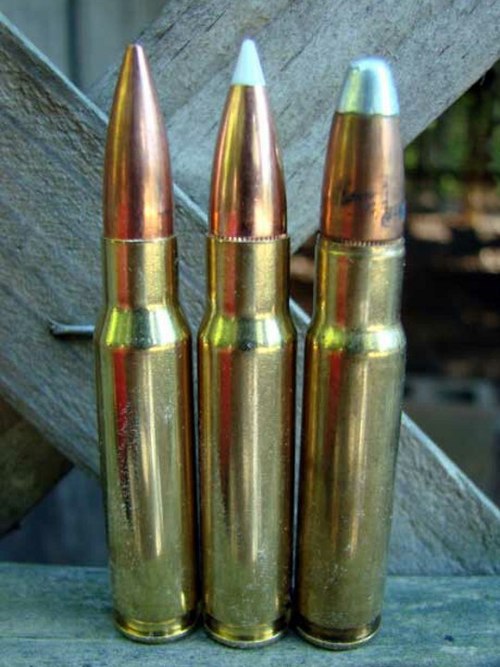
1. .338 Federal
The .338 Federal is a short action solution to the question of what happens when a .308 Winchester case is necked up to .338. This creates a short cartridge that propels heavier bullets without requiring magnum power or a long action. In heavy cover where shots are quick and ranges are truthful, this is as important as the trajectory.
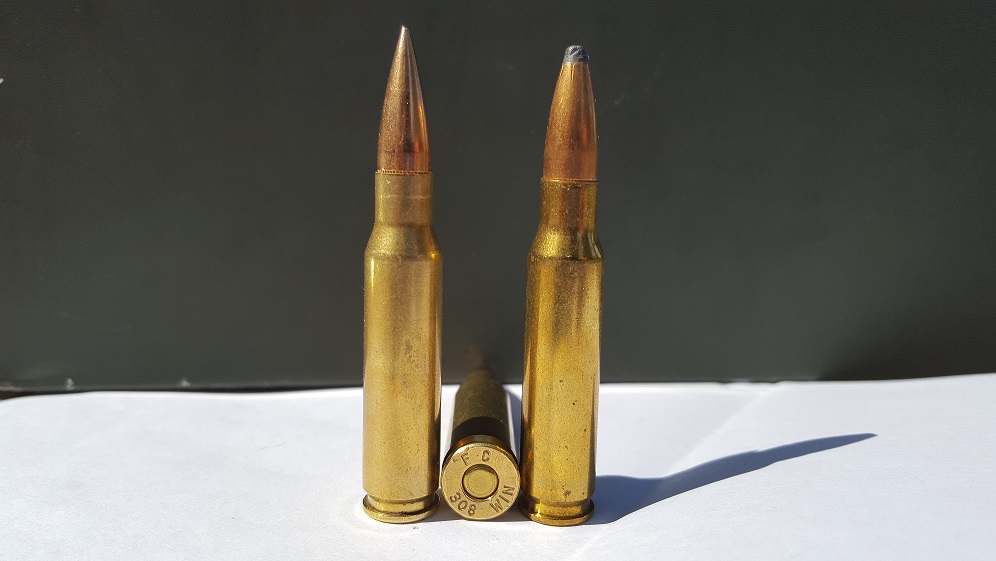
It usually shoots bullets in the 185-225 grain range, combining broad frontal diameter with sufficient velocity to ensure controlled expansion at ranges typical of the woods. With the right bullet, the true benefit of this cartridge is predictability fast handling rifles, manageable recoil, and a trajectory that doesn’t rely on high velocity.
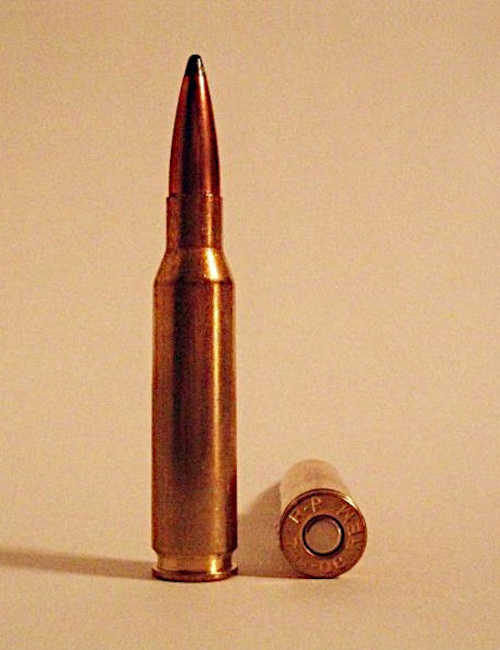
2. 7mm-08 Remington
The 7mm-08 follows the same reasoning with its parent case, shrinking the .308 to 7mm for a combination of gentle recoil and extended range. Its hunting sweet spot is found in bullet choice rather than innovation: typical hunting loads are built around 140-150 grain bullets, but usable weights range from 100-175 grains.
This flexibility allows the hunter to match the performance to the game and the terrain while maintaining a low recoil level sufficient to prevent flinch-induced misses. This flexibility also works well with the modern controlled expansion bullets, where the controlled expansion bullets can sacrifice a little drama in favor of deeper penetration and more forgiving angles.
3. .35 Whelen
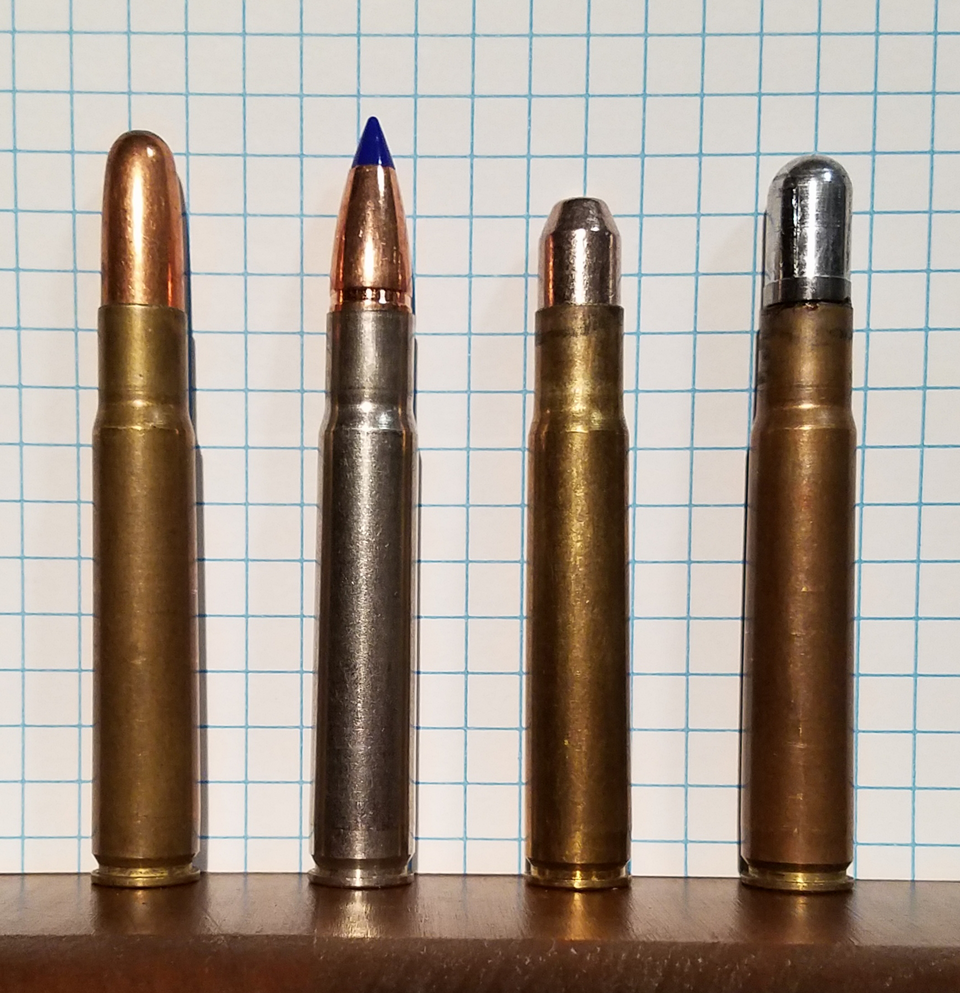
The .35 Whelen is the traditional “bigger hole, standard action” solution: a .30-06 case with a .358-inch neck. It has a reputation for line-of-sight penetration and destructive power on larger-bodied game at ranges where wind and trajectory are of lesser concern than rapid, positive performance.
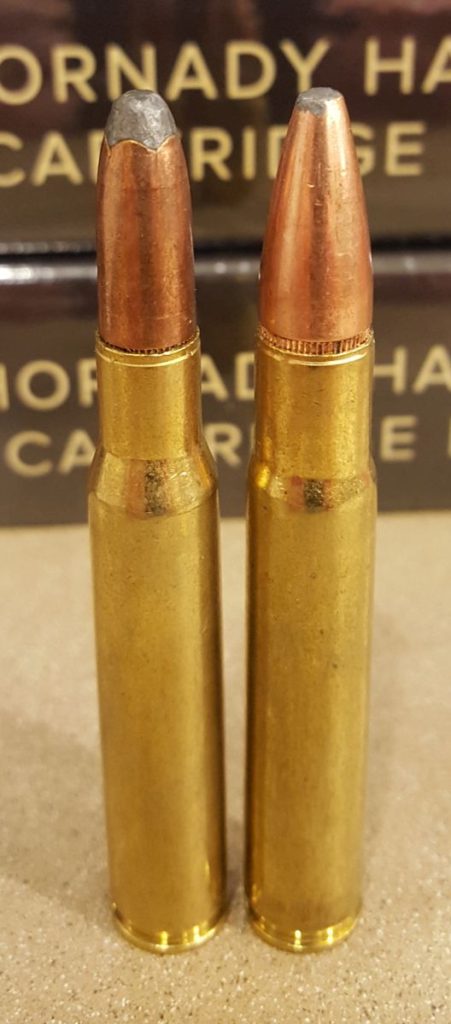
The design benefit is obvious: heavier bullets with a lot of frontal area, propelled at speeds that will not rip most hunting bullets apart at short range. This is important because it is impact performance, not paper energy, that determines success or failure. As one technical analysis explains, “your bullet is the only true connection between you and the game you hunt. If it fails, you fail.” your bullet is the only true connection between you and the game you hunt.
4. .280 Remington
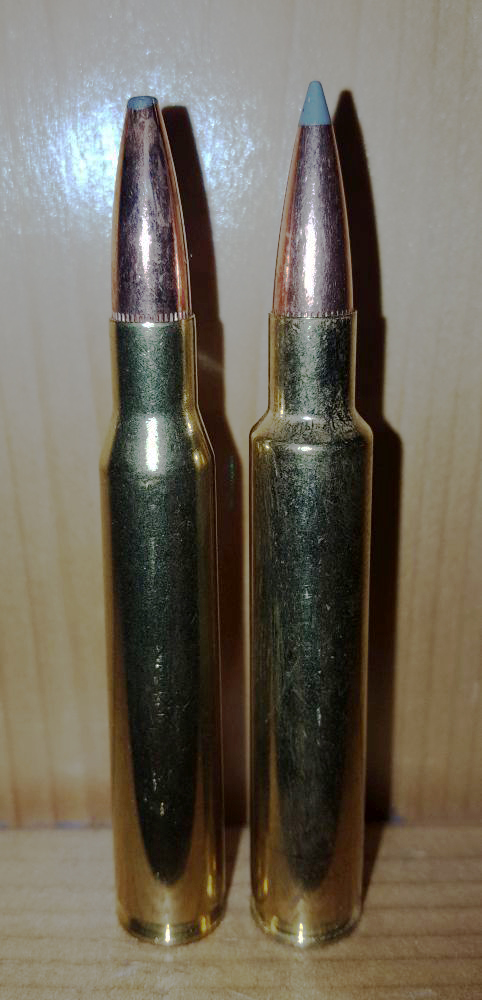
The issue with the .280 Remington has never been functionality, it has always been timing. Based on the .30-06 family and designed for 7mm bullets, it fills a niche between the .270 Winchester and the .30 calibers, and it has always been a cartridge that rewards shooters who are more interested in bullets than in momentum.
From an engineering perspective, the hallmark is the ability to access heavier 7mm hunting bullets, up to 175 grains, without resorting to magnum recoil. In a design comparison between the two cartridges, the advantage of the .280 is said to be the weight of the bullet, particularly where SD and penetration are of greater concern than velocity.
5. .257 Roberts
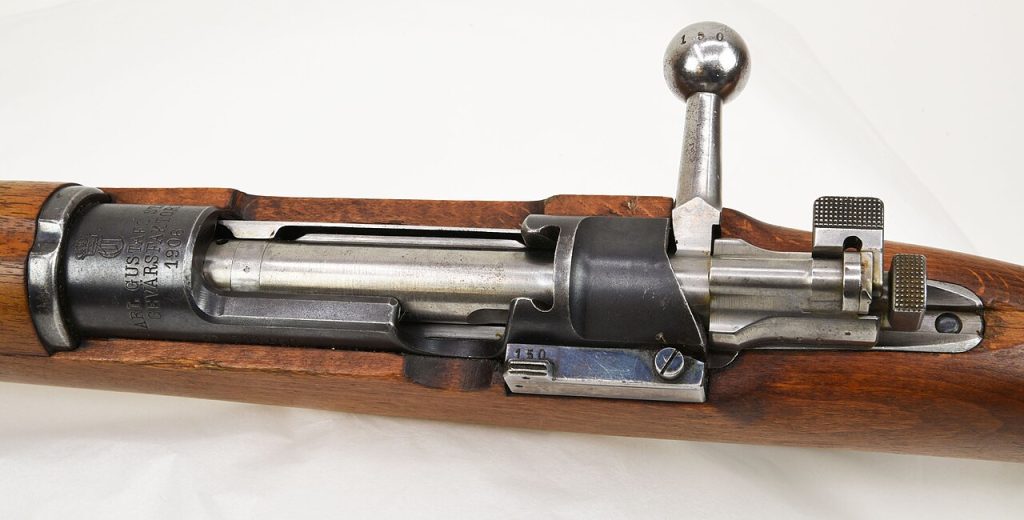
The .257 Roberts is still a cartridge that usually requires an introduction before it earns its due respect. The .257 Roberts is a cartridge that is based on the 7×57 Mauser case and shoots .257-inch bullets. It is designed around efficiency, which includes velocity, recoil, and trajectory that remains useful for deer and pronghorn hunting. Its technical footnote is remarkably specific: it is the only rifle cartridge that has an official “+P” designation, with SAAMI maximum pressure increasing from 54,000 psi to 58,000 psi. This is a telling detail that explains why the cartridge has always been better than its reputation in the field, because there has always been more performance available than was being delivered in early factory ammunition.
None of these cartridges “wins” by being trendy. They win by making shot placement easier, then letting bullet design do what physics will allow at reasonable speeds. “When hunters stop shopping for novelty and start correlating bullet performance with distance and angle of shot, these quiet performers will look a lot less like leftovers and a lot more like solutions.”


