

Why does a rifle based on modular components and simple mechanics attract so much confusion? The AR-15 is where engineering, terminology, and the law intersect, and all three are places where a small mistake can quickly compound. This has led to a series of myths that are credible in a conversation but do not bear examination when the design, the ammunition, and the laws are examined in the same way that any other machine is.
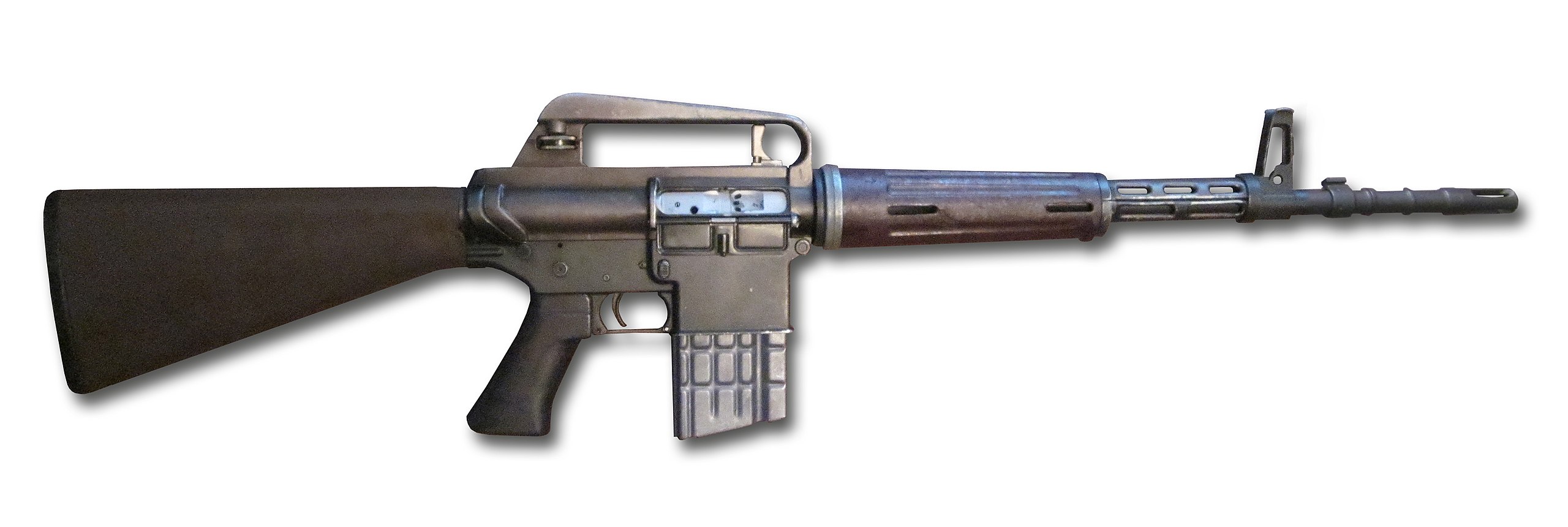
1. “AR” stands for “assault
The letters are branding, not a claim of capability. “AR” is short for ArmaLite Rifle, which is the company that traces back to the original design lineage that Eugene Stoner started in the late 1950s. The confusion in the wording has continued because the rifle resembles military-pattern carbines, and the civilian market has the same look but not the same modes of fire.

2. A civilian AR-15 is basically an M16
The most important difference is in the fire control system. The civilian version of the AR-15 is built to fire one round per pull of the trigger, while the M16 series has models that will allow for automatic or burst fire through the use of non-civilian parts, such as an auto sear.

Even if two rifles are similar in their ergonomics and magazines, the operating requirements of the trigger group make them two different machines.

3. 5.56 and .223 are interchangeable, so the details do not matter
The cartridges are similar enough that the warning label is simply ignored. The danger of mismatch is present in the chamber specifications and the pressure ranges, and the differences in chamber pressures between .223 vs 5.56 are what cause the “close enough” approach to fail. The bottom line is simple: the barrel label is not just for show, and ammo selections are not an afterthought.
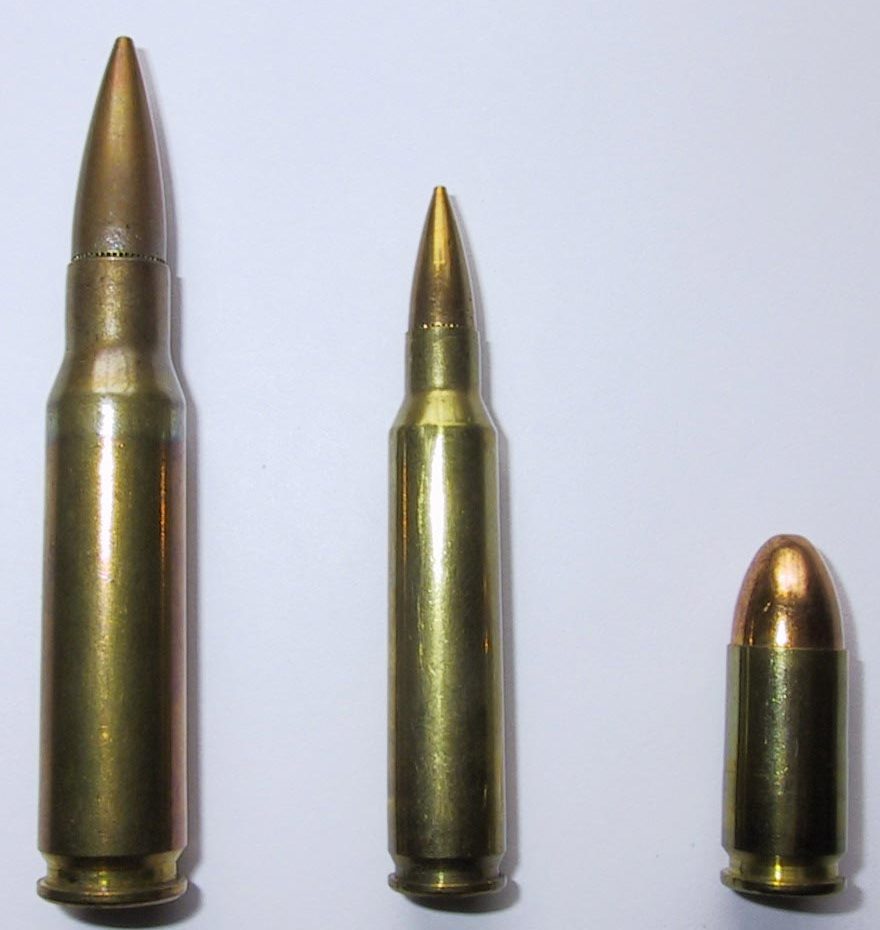
4. The AR-15 is “too powerful” compared with common hunting rifles
“Powerful” is treated more as a feeling than a measure. The average chamberings of the AR-15, .223 Remington, and 5.56 NATO are intermediate cartridges. These cartridges are generally well below the average big-game cartridges such as .308 Winchester. This is important because it goes a long way in explaining why the popularity of the AR-15 platform is more about control and accuracy than pure power.

5. Over-penetration makes the platform unusable indoors
It is not an unreasonable concern, as miss-thrown projectiles have been known to penetrate typical residential barriers. In controlled tests using wall simulations and gel blocks, most “clean miss” shots did indeed penetrate walls using various types of firearms, proving that misses are what need to be addressed. The key point to note in this respect is that some rifle ammunition was stopped in wall after penetrating the gel blocks, which suggests that ammunition design can impact energy transfer on typical building materials.
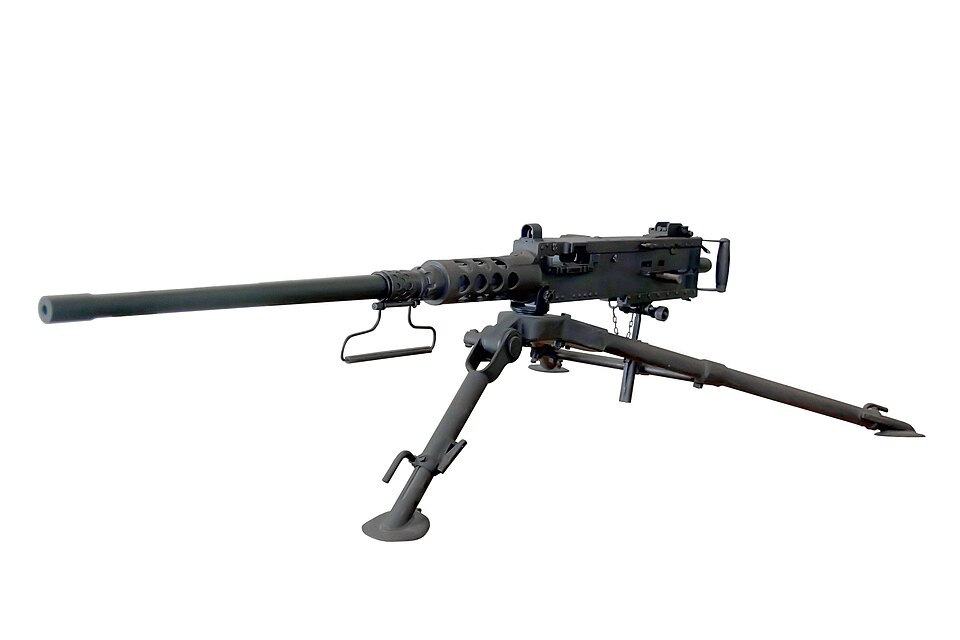
6. It is easy to convert an AR-15 into a machine gun, and the parts are no big deal
The engineering process and legal implications are often lumped together in the same rumor. Under federal regulation, the weight of a conversion part may be the same as that of the finished gun; an auto sear is also a “machine gun” even if it is not installed. This is why the “just a small part” argument always falls apart in real-world compliance.

7. The AR-15 is either banned everywhere or legal everywhere
Both of these claims simplify a complex map into a slogan. The regulations regarding ownership and layout vary by country, and the term “assault weapon” can depend on details such as design, overall length, or magazine design rather than the name of the weapon itself. The regulations can vary depending on details that appear to be purely cosmetic until they become the catalyst for a regulation.

The myths of the AR-15 endure because the platform is sufficiently well-known to invite shortcuts, but sufficiently complex to penalize them. The mechanics of the AR-15 are not esoteric, but they are idiosyncratic. In a realm where parts compatibility, chamber identification, and legal definitions can have very real-world implications, the only way to speak of the rifle at all is with precision.


