“Some guns come with a promise that is hard to resist: tempting specs, a prestigious brand name, or a design that seems to check all the right boxes. But when they are put to the test in the firing line, the truth can be anything but satisfying. Whether it is due to design compromises, a lack of ergonomics, or reliability issues, these guns have left many shooters with the feeling that they have made the wrong decision. Every single gun on this list has a story to tell about the importance of performance over specs.”
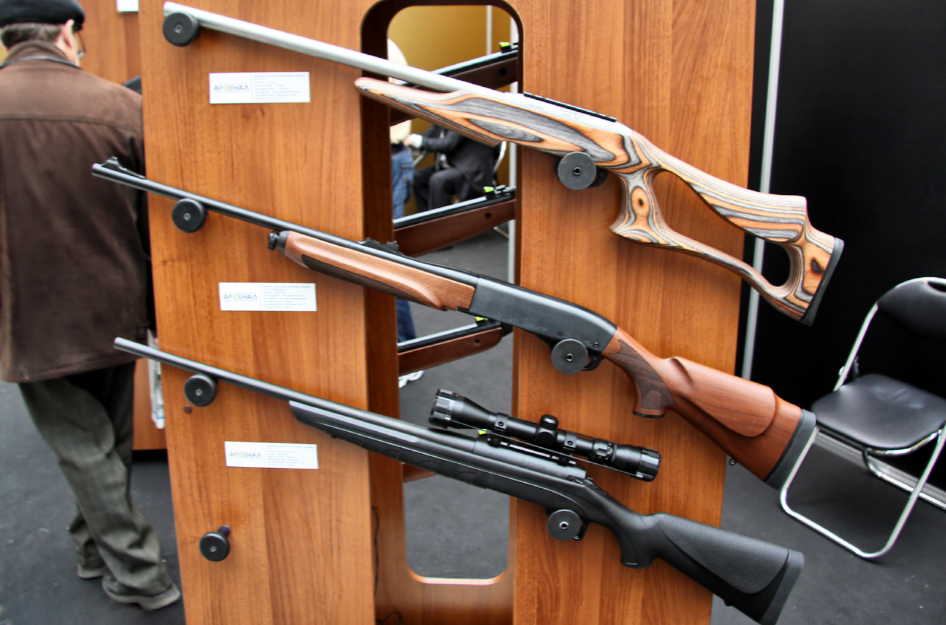
1. Remington 770
While marketed as a low-cost bolt-action hunting rifle, the Remington 770 had a few issues, including a gritty and binding bolt and a flex-prone plastic stock. The magazine release locations were designed to be weak enough that the magazine would simply drop out in mid-string, sometimes with parts and ammunition flying every which way. Some models were even produced with chambers that were too tight for standard ammunition, which could have been discovered with proper testing. While not the worst of the budget rifles, its non-free-floated barrel and durability issues made it less desirable.
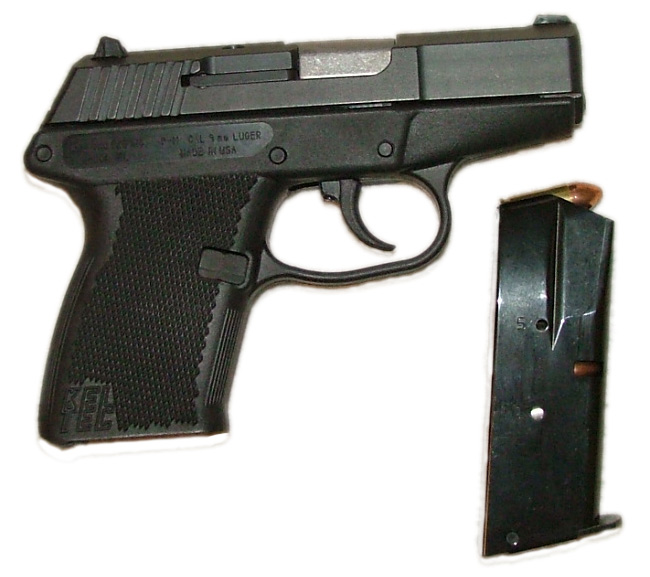
2. KelTec P11
The compactness and affordability of the P11 made it a very attractive sidearm, but the long and heavy trigger pull quickly drove shooters away. The compactness magnified the recoil, and the grip design did not help with this problem. While the concealability is a huge advantage, it is not enough to compensate for the frustration of trying to strike targets with such conditions.
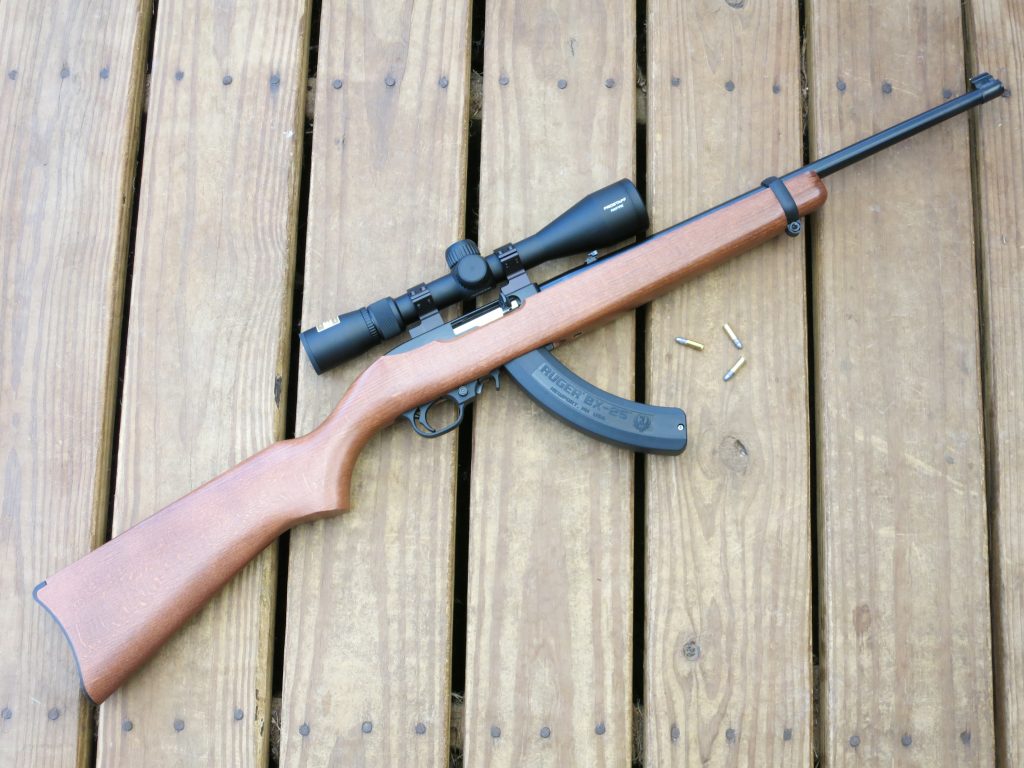
3. Mossberg Blaze
Weighing only 3.5 pounds, the Blaze provided a light .22 LR semi-auto choice. But the abundance of plastic components, such as the receiver shell and sights, made the rifle appear more like a toy than a tool. Additionally, problems were reported with uncorrectable feeding problems and a “spongy” trigger. While it may be reliable with “bulk” ammunition, it is not as rugged or versatile as similar models, such as the Ruger 10/22.
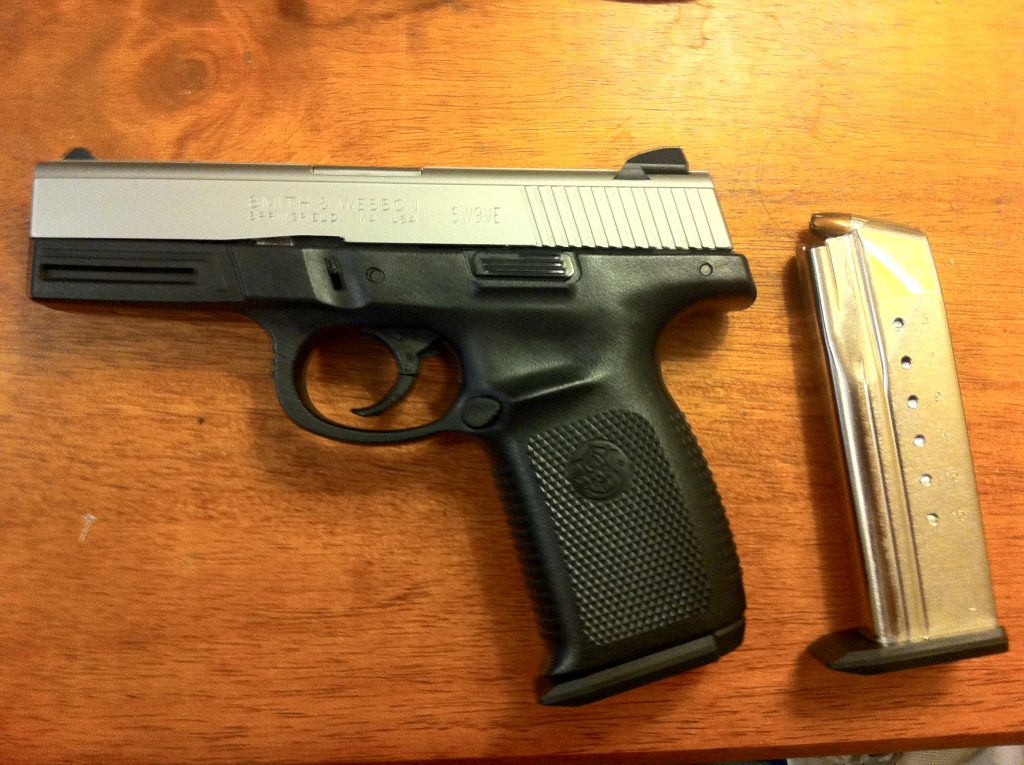
4. Smith & Wesson Sigma 9VE
This striker-fired pistol had the appearance of a service pistol but was marred by a heavy, gritty trigger and a reset that was almost nonexistent. Such characteristics made follow-up shots and grouping problematic. Many shooters found that the ergonomics and triggers were improved in similarly priced used pistols from other manufacturers.
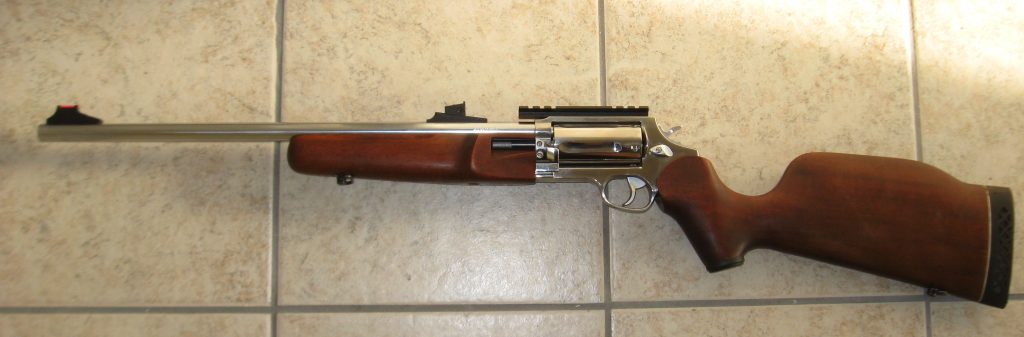
5. Rossi Circuit Judge
The Circuit Judge was designed to shoot both .45 Colt rounds and .410 shot shells. The idea of the Circuit Judge was very intriguing. However, the danger of the support hand from the blast of the cylinder gap, the performance of the shot shells, and the accuracy of the bullets were only average. The unpolished trigger and handling made it nothing more than a novelty.
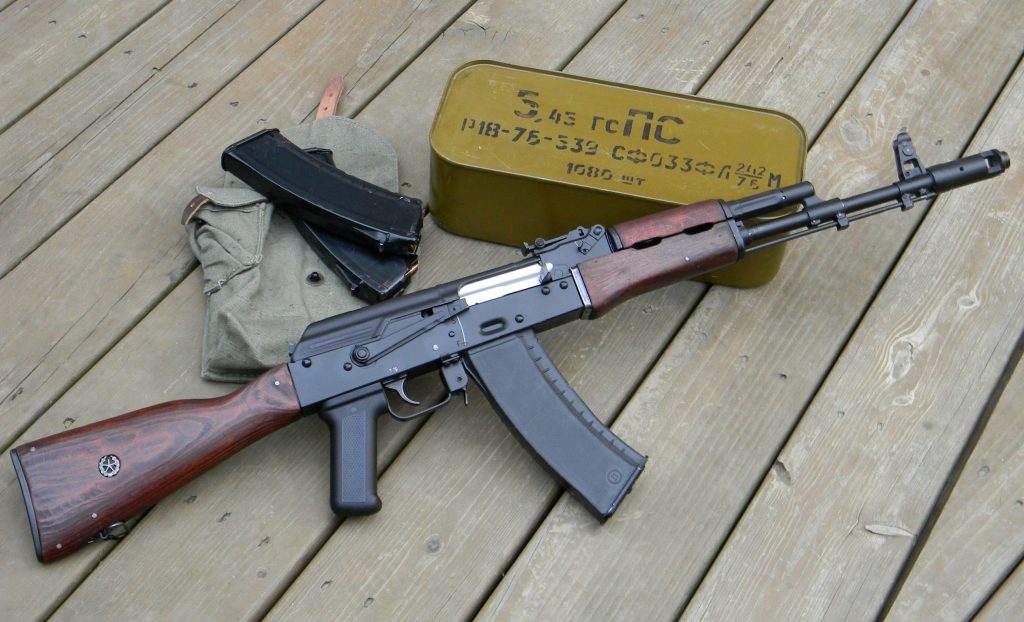
6. Century Arms C39v2
Priced as a fully American-made AK-pattern rifle with a milled steel receiver, the C39v2 was met with praise for its clean RAK-1 trigger and magazine compatibility. Nevertheless, some users reported issues with the front-heavy balance, accuracy, and rapid bolt component wear. Imported AKs were more reliable in the long run, making this heavy domestic rifle a mixed bag.
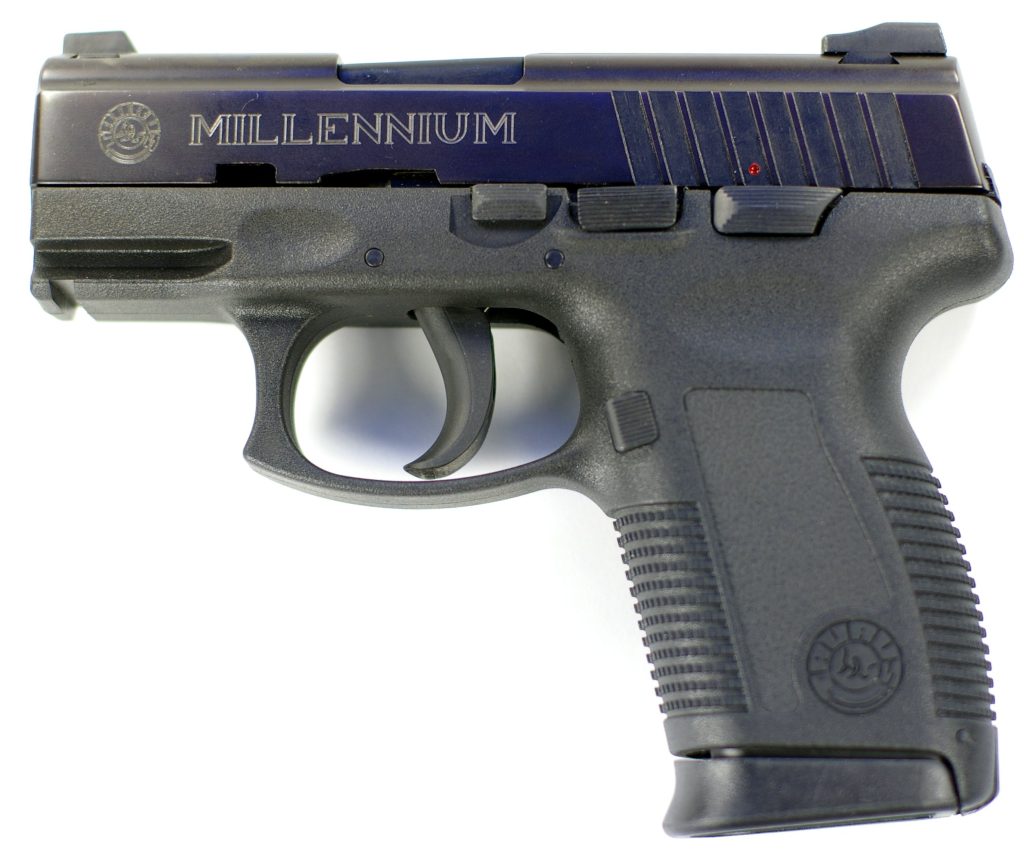
7. Taurus PT145 Millennium Pro
This subcompact .45 ACP had a lot of power packed into a small package, but the short grip and snappy recoil made it hard to control. The trigger reset was erratic, and there were problems with reliability, including issues with failure to feed and malfunctions with the slide lock. On paper, this firearm was the perfect choice for carry, but it would have been hard to build confidence in.
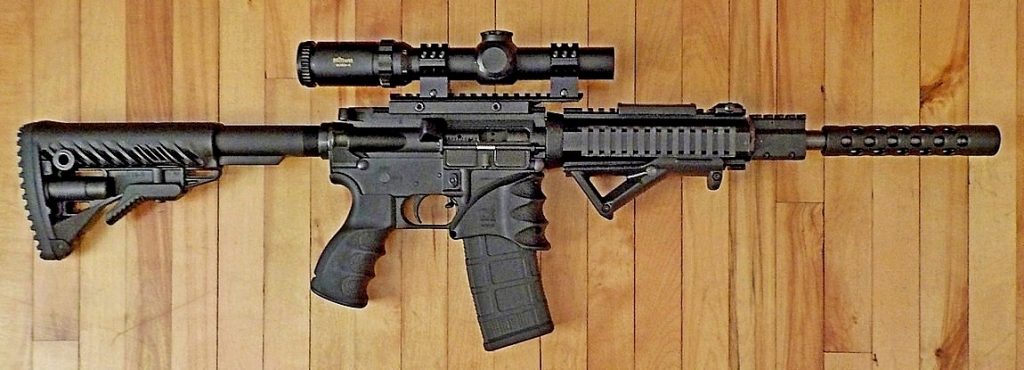
8. ATI Omni Hybrid AR
The Omni Hybrid’s polymer upper and lower receivers were meant to be lightweight, but it was found that there were some serious problems with the dimensions and durability. These problems included loose magwells, magazines falling out on their own, and issues with feeding and ejection. Some of the rifles were found to be out of spec in certain dimensions, which was problematic for safety. While polymer lowers are a great idea for AR rifles, it caused many shooters to go back to aluminum.
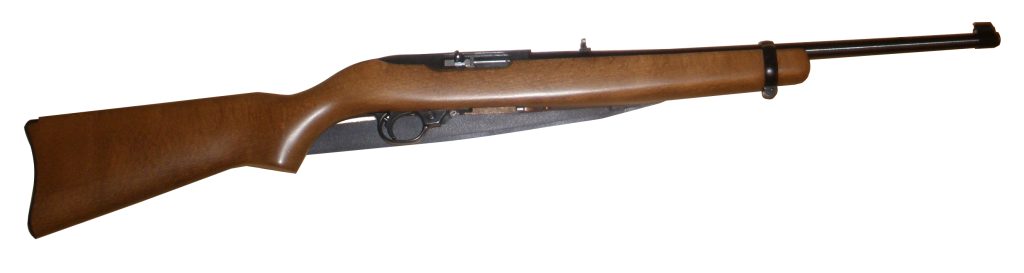
9. Chiappa M1-22
The M1-22 was meant to bring classic style with a rimfire twist, thanks to its M1 Carbine-inspired design. But issues with typical feeding problems and poor cycle rates, even with high velocity rounds, made it a letdown for some shooters. The flimsy magazines were often the problem, which was a pity because it could have been a great plinker or training rifle. These rifles demonstrate how there can be a difference between design and range performance. The lesson for shooters is simple: do your homework, whenever possible get some hands-on time, and never forget that a low price or great gimmick is no substitute for proven reliability and ergonomics.”


