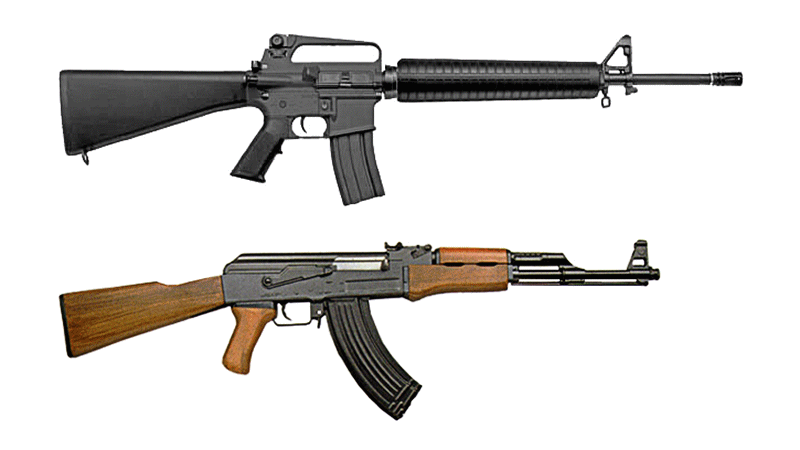
“In the world of guns, a reputation can be a gun owner’s best friend or worst nightmare. While some guns have earned legendary status for reliability and power, others have become cautionary tales of hype and disappointment. These guns have often fallen victim to rushed production, misguided innovation, or design choices that left gun owners feeling, well, shot. Here are guns that have made their mark for all the wrong reasons.”
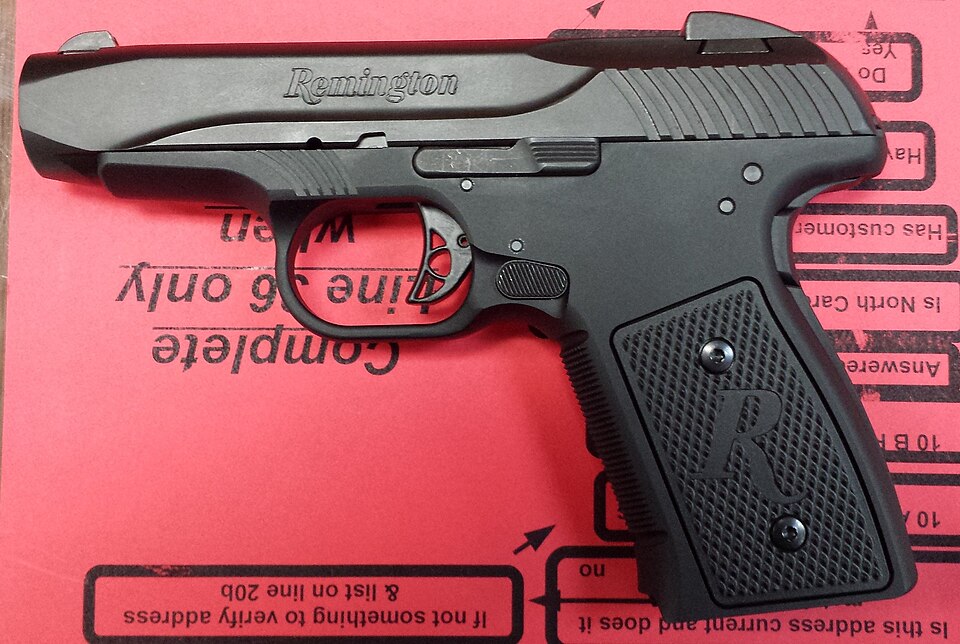
1. Remington R51 – Revival Gone Wrong
When Remington reintroduced the Pedersen hesitation-locking system in 2014, fans of the design called for a soft-shooting, low-bore-axis 9mm pistol. Unfortunately, the first-generation R51 was riddled with problems in feeding, extraction, and even out-of-battery discharges. Although a redesign in 2016 fixed these issues, consumer confidence was lost, and production stopped two years later.

2. Winchester Model 1911 SL – The “Widowmaker”
Designed to work around the patents of Browning, this shotgun of the 1911 era substituted a bolt handle with a knurled portion of the barrel that had to be pulled back to chamber a round. Although there are no recorded fatalities due to this design, awkward handling and worn buffer rings resulted in injuries and severe recoil. It remained in production until 1925 and is today a curiosity among collectors due to its unconventional design and nickname.
3. Colt All American 2000 – A Designer Dream Undone
Being supported by Eugene Stoner and Reed Knight, Colt’s rotary-barrel 9mm from 1991 was all about innovation. However, some production changes later saw the trigger pull weight increase to 12 pounds, accuracy was inconsistent, and reliability was poor. The recall due to drop-fire safety concerns was the last straw, with only 20,000 pieces produced before it was discontinued in 1994.
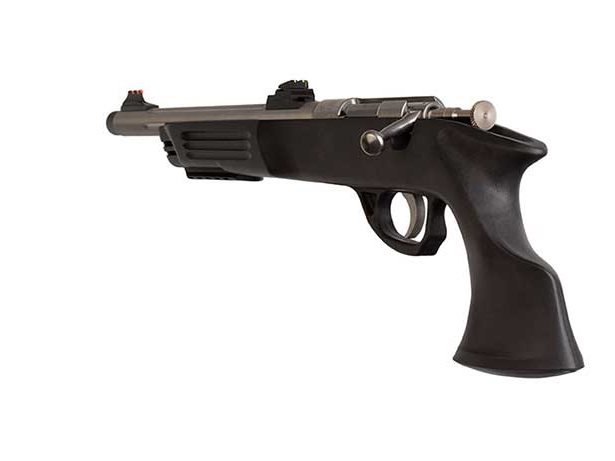
4. Glock 44 – Rimfire Reliability Disappointment
The Glock 44 was the first .22LR pistol produced by the company and was expected to offer the same level of reliability as their centerfire pistols. However, the initial designs were ammunition-sensitive, with problems in failure to feed and light primer strikes.
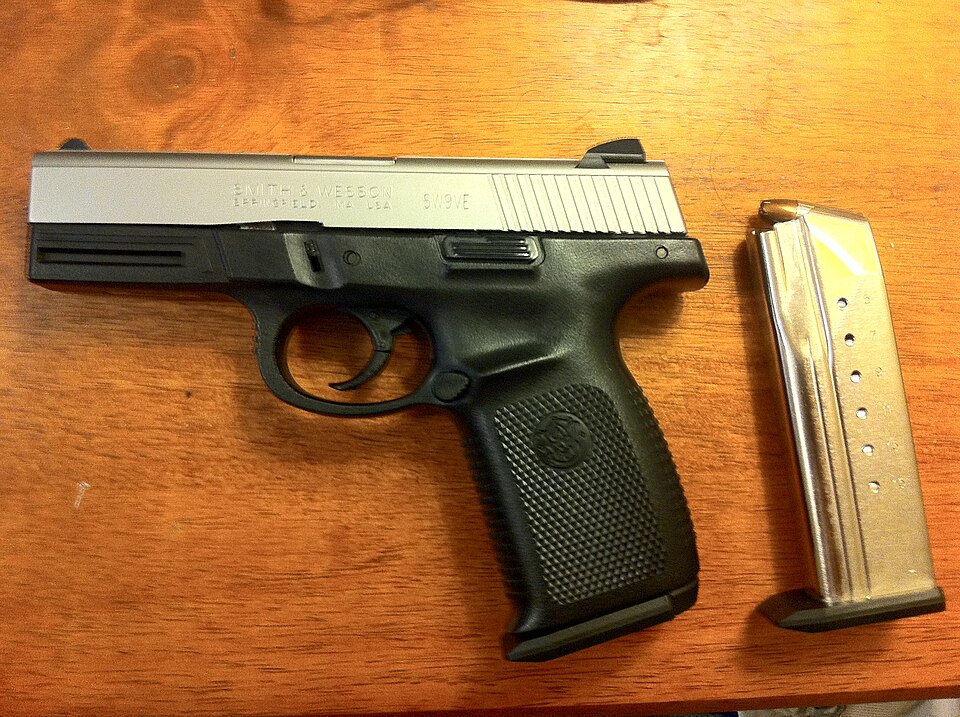
5. Smith & Wesson Sigma Series – Too Close for Comfort
A budget polymer striker-fired pistol, the Sigma was so similar to Glock’s designs that it resulted in a successful lawsuit. While the heavy, gritty trigger and awkward design made it less desirable, it did influence the design of Smith & Wesson’s M&P series.

6. Armatix iP1 – Too Complicated “Smart” Safety
This semi-automatic .22 caliber pistol required a partner RFID wristwatch to operate, with the hope of preventing abuse. Unfortunately, this technology was prone to delays, could be disrupted by cheap magnets, and had poor market acceptance. Such issues further strengthened concerns about smart gun technology for self-defense applications.

7. Mossberg MC1sc – Lost in the Crowd
Mossberg’s subcompact 9mm pistol was introduced in a highly competitive market for concealed carry pistols. While it offered good ergonomics and a distinct magazine design, its quirky disassembly procedure and failure to offer any distinctive features led to its demise.
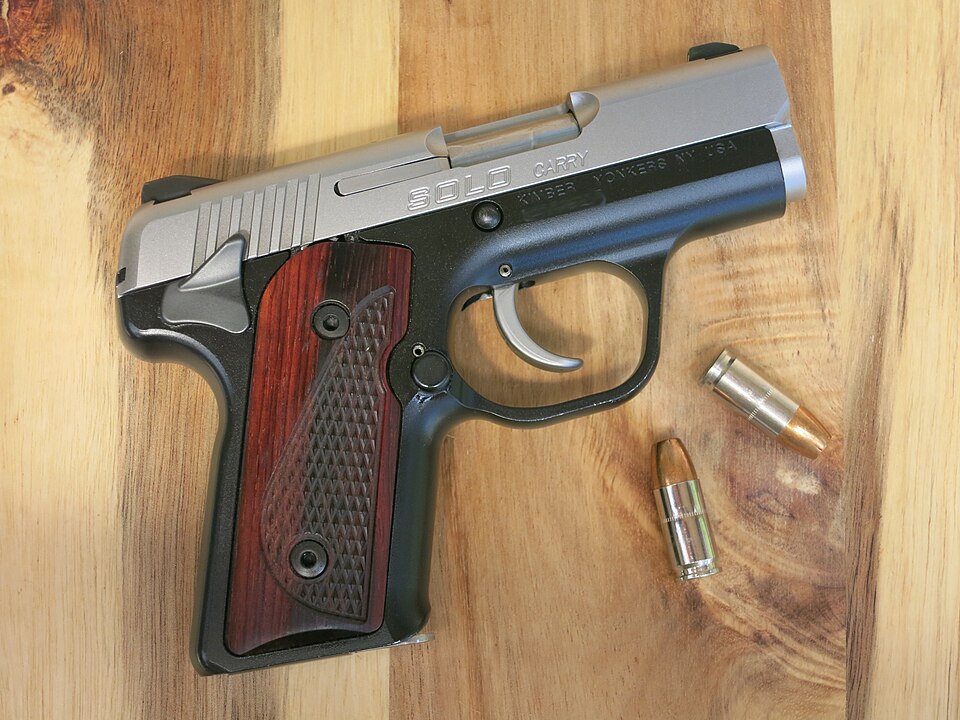
8. Kimber Solo Carry – Ammunition Picky
Being a high-end micro 9mm, the Solo Carry demanded 124-grain or heavier premium bullets to function properly. Lighter ammunition would jam, which is a deadly feature for a self-defense handgun. Kimber later dropped this line in favor of more forgiving models.
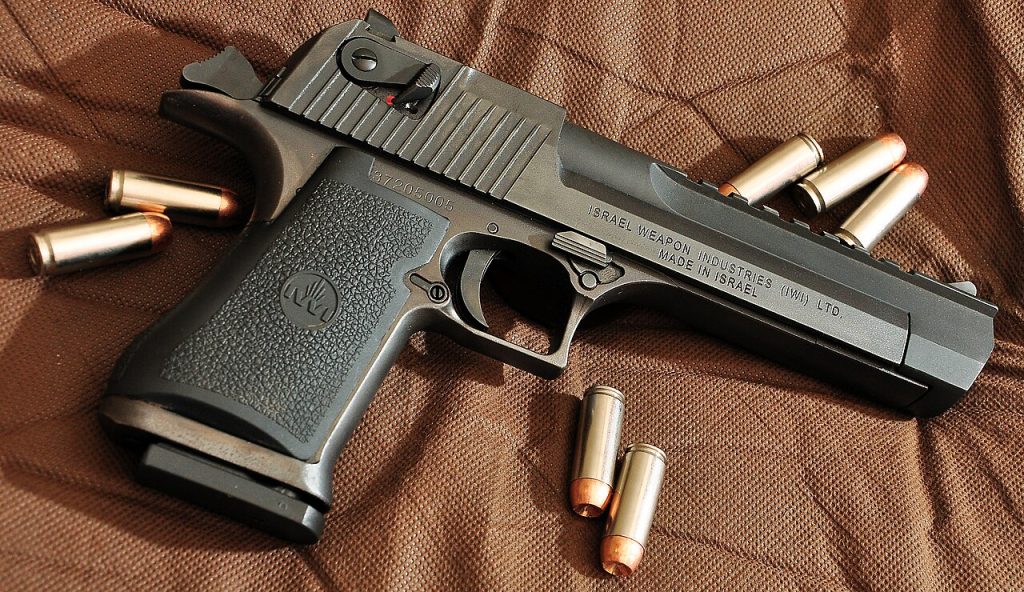
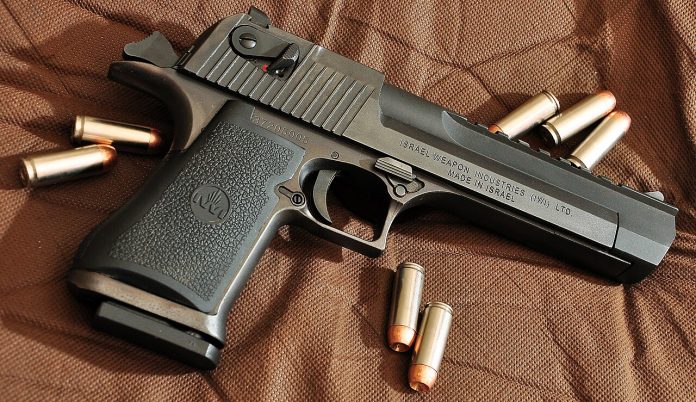
9. Desert Eagle .50 AE – Style Over Substance
Although it has gained popularity for its appearances in movies and games, the Desert Eagle’s massive size, weight, and expensive ammunition make it impractical. Its reliability is also dependent on the ammunition, making it more of a showpiece in the shooting range than a serious contender for a sidearm.
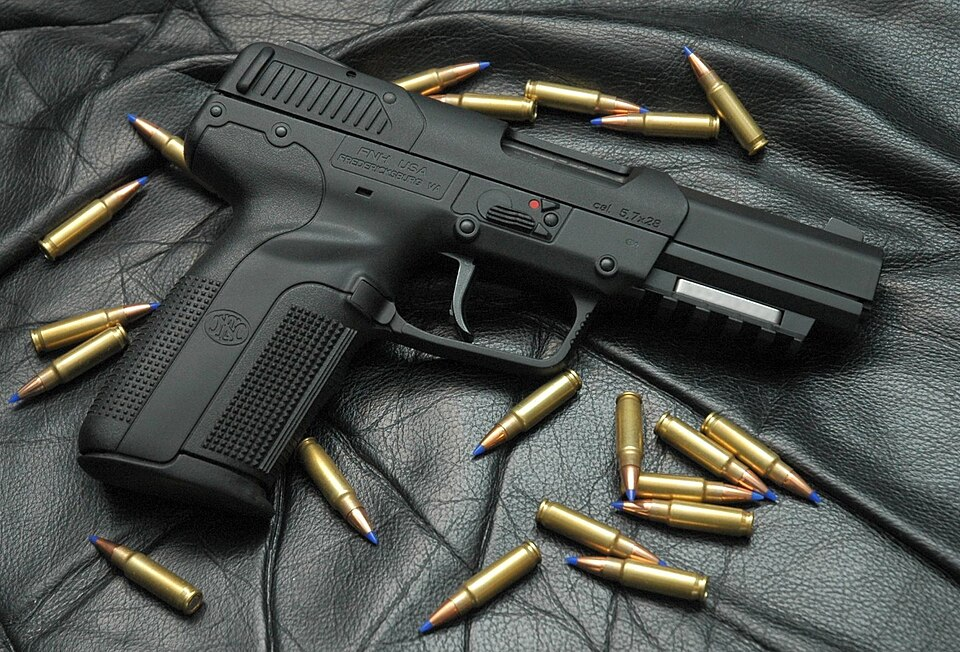
10. FN Five-seveN Hype Meets Civilian Restrictions
While originally designed for its armor-piercing capabilities, the limited magazine capacity of the Five-seveN was such that civilians could only use standard 5.7x28mm ammunition. While accurate and low-recoil, the cost of the ammunition and the gun itself meant that it could not live up to its military reputation in the civilian sector. Each of these guns is a reminder that innovation must be balanced with execution.
Whether it has been set back by problems with its design, a misunderstanding of the market, or simply over-engineering, each of these guns is a reminder that in the world of shooting sports, reputation is earned at the range, not in the catalog.


