
The story of the Marine Corps since the late 1960s to acquire a small-arms inventory is like an engineering logbook authored on the other side of a tight ration: humidity, sand, fast-training pipelines, and the fact that all the riflemen must be able to put rounds where they mean them. Gradually, the Corps began to drop the wood-steel heritage of the rifles in favor of rails and optics and repeatable accuracy over time on modular platforms.
Throughout that arc, the defining through-line is not any one model but a sequence of inflection points, which may include caliber selections, operating systems and the gradual abandonment of the culture of iron-sight marksmanship in favor of the culture of speed and identification founded on optics.
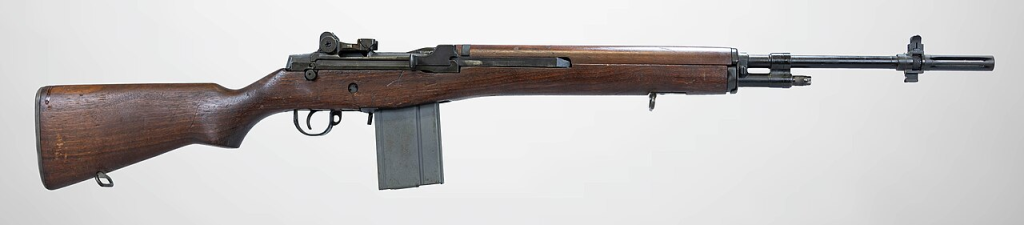
1. M14
The M14 was adopted in 1959 and was the transition between the M1 Garand and the light weight 5.56mm rifles that would mark the next decades. It was chambered to 7.62x51mm NATO and provided the range and power that was still useful even after it fell out of general issue as a rifle. With its traditional design of walnut stock, full length barrel, and heavy action, it was not well suited to the jungle conditions of Vietnam but the accuracy of the platform kept it in the specialty niche.

2. M16
In 1969, the Marine Corps embraced the M16 that established a new design philosophy of light ammunition, more carried load, and controlled automatic firing. It was chambered in 5.56x45mm NATO and had an essential different sustainment and handling profile to rifles of 7.62mm. Initial reliability issues also compelled alterations in production and maintenance methods and subsequent flat-top receiver models allowed optics and accessories that ushered the rifle into a new phase of use.
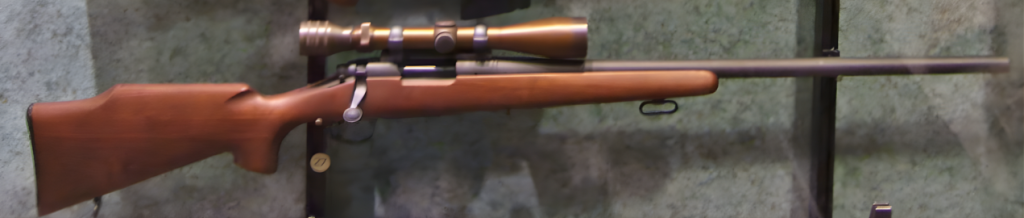
3. M40
The M40 was introduced in 1966 and was a derivative of the Remington Model 700, it was the first specifically designed sniper rifle in the Corps and established a standard of accuracy that influenced the subject in the Marine doctrine long into the future. It served the purpose in 7.62x 51mm NATO to provide the capability of making deliberate long shot that could not be done by ordinary rifles. The system changed over time, with the gradual improvement of the barrels, stocks and optics integration to become rifles like the M40A5 and not a radical redesign.
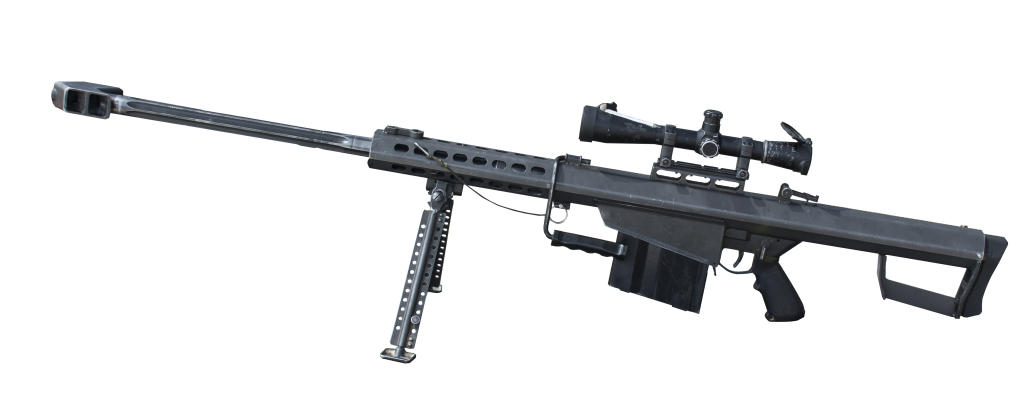
4. Barrett M82
The rifle made the work of sniper to include more when the Marines started using the Barrett M82 in the early 1990s. Using .50 BMG and based on the semi-automatic and 10-round magazine, it introduced quick follow-up to a task that in most cases meant putting the system out of commission and hitting hard targets. Its bulk and mass placed it as an intentional weapon, not a stalking rifle but instead it was an effective distance of close to two kilometers, which was substituted by a pretence to the capability that infantry rifles simply could not offer.
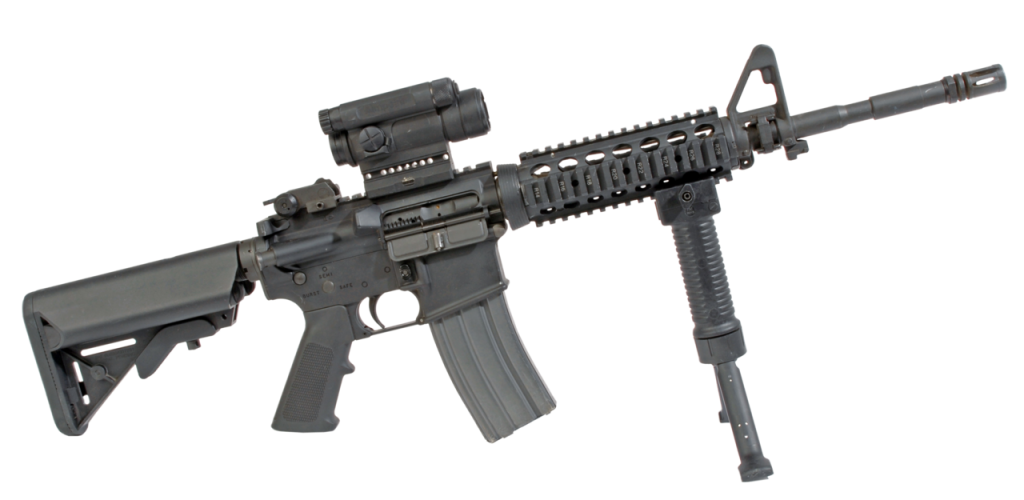
5. M4 Carbine
The M4 came into service in 1994 and took the M16 operating concept and shrank it into a smaller, vehicle and close-quarters optimal size. It maintained the NATO chambering 5.56X45mm and wider AR-family ergonomics that made cross-training and parts compatibility feasible. The compatibility of the carbine rail space and accessories was aligned with the then expectation of white lights, lasers and optics to be commonplace and not the exceptions in the post 1990s.
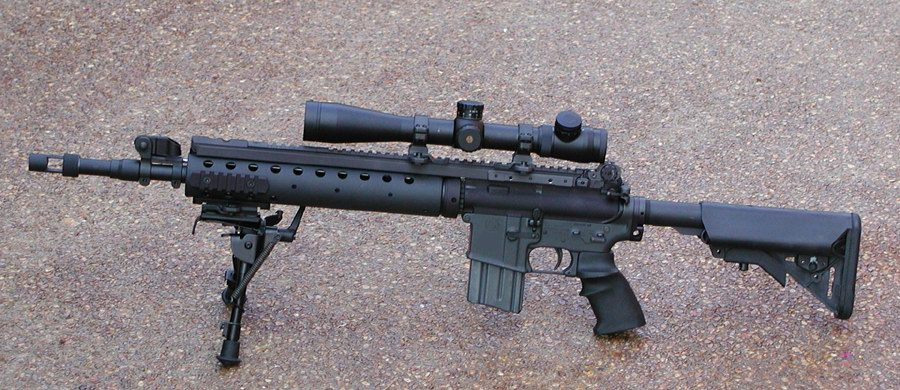
6. Mk12 Special Purpose Rifle
The Mk12 SPR was introduced in 2002 as a response to the needs of systems: matching the accuracy of the barrel of a full-fledged sniper, free-float handguard, and magnified optics, with ammunition optimized to be consistent out to range. Designed to provide a precision option to the designated marksmen, without the weight and role separation of a conventional sniper system. Practically, the weapon identity became so intrinsically linked to that unified thinking that the rifle, optic, and ammo are bundled together rather than a system of components. The Mk12 was known to perform 5.56mm-like on distances of engagement that the conventional carbines could only aspire to possess.
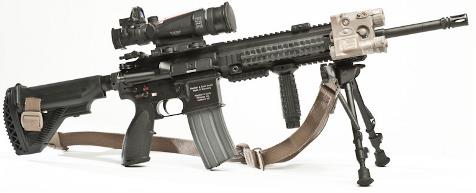
7. M27 Infantry Automatic Rifle
The M27 was first introduced in 2010 to perform the role of automatic-rifle; however, it was something larger: as of 2018, it has been accepted as the standard infantry rifle. It was popularized on the basis of control and precision, which was assisted by a piston-powered operating system and a floating barrel. It was also consistent with an enhanced Marine focus, every rifleman being an accuracy-driven shooter, without losing any capability to provide sustained fire when the squad required it.

8. Mk13 Mod 7
The Mk13 Mod 7 of 2018 was a response to an obvious shortcoming of 7.62mm sniper range, shifting to the .300 Winchester Magnum. The change was described by Military Marine Corps Systems Command as multiplying sniper range by approximately 300 meters, and the optics package on the rifle was not an add-on. The rifle is fitted with the Night force Advanced Tactical Riflescope and the Tremor3 reticle that allows quicker wind holds and more precise and consistent corrections at long range.
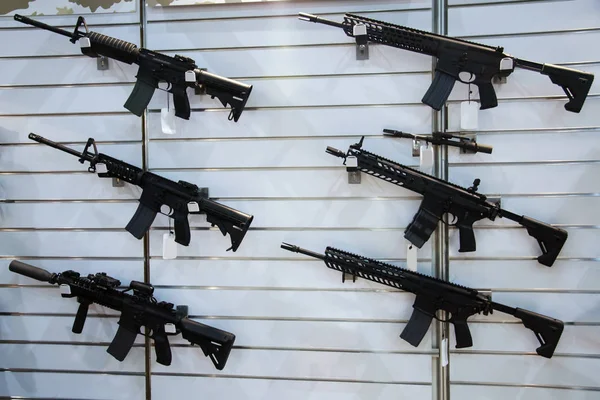
These rifles follow a constant engineering trend; the changing environments and the distances of engagement required the Corps to adopt a platform that extended their reach, offers greater control, or can achieve precision more easily when stressed. The change in technology is evident when it comes to wood stocks and rails and variable optics. The less obvious transformation consists in the fact that every inflection point rewired the appearance of standard capability in Marines at the gun.


