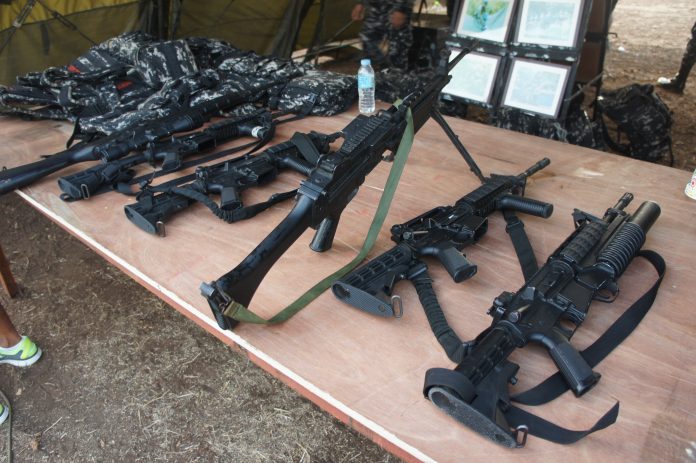
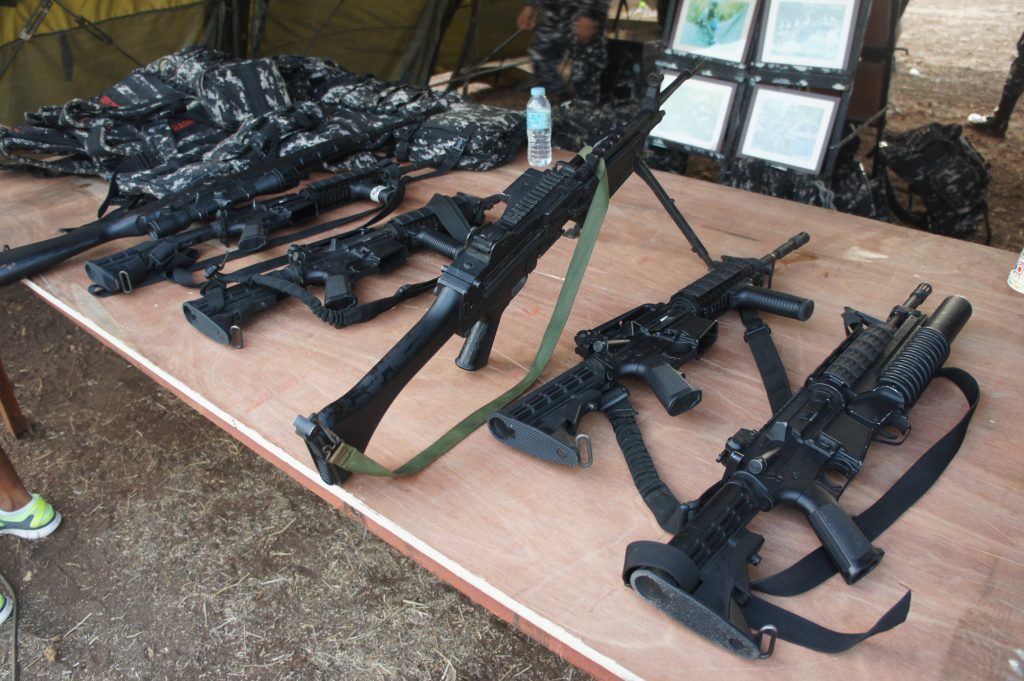
The U.S. infantry weapon story since World War II has never been only about a new rifle showing up in an armory. It has been a running engineering argument over weight, controllability, and what a “general purpose” small arm should do when body armor, optics, and squad tactics keep shifting the goalposts.
Major Thomas P. Ehrhart captured the modern anxiety in one blunt line: “the U.S. infantry weapon has devolved from the World War I rifle capable of conducting lethal fire out to 1,200 yards, to the current weapon that can hit a target out to 300 meters, but probably will not kill it”. That tension hit probability versus decisive effect threads through every generational change.
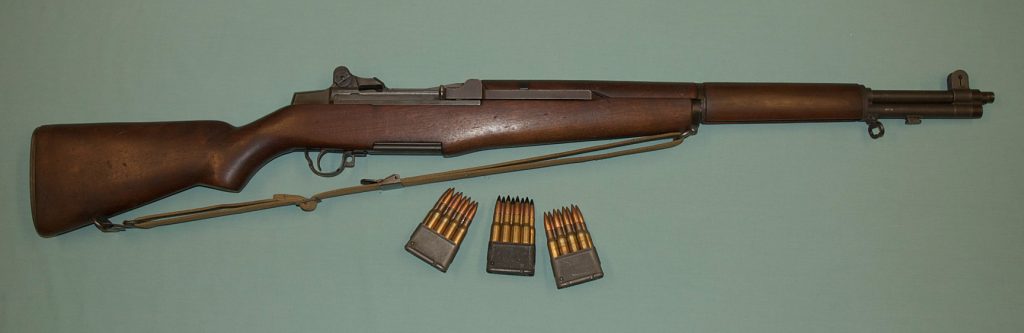
1. M1 Garand
Chambered in .30-06 and adopted before the war, the Garand institutionalized semi-automatic fire as the U.S. baseline expectation. Its eight-round internal magazine and gas operation gave squads faster follow-up shots without asking individual riflemen to master bolt-action pacing. Just as importantly, it shared ammunition with the BAR, a practical pairing that reinforced a recurring U.S. preference for squad weapons that “eat” the same cartridge when possible.
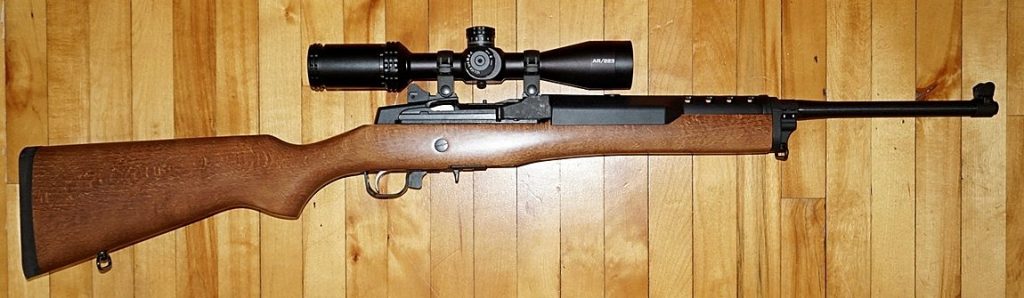
2. M14
The M14 represented the Cold War push to standardize around 7.62×51mm NATO and consolidate roles previously spread across multiple weapons. It delivered a 20-round detachable magazine and selective fire, but its length and traditional furniture created handling penalties in restrictive terrain. Its lasting relevance has been less as a universal rifle and more as a platform that still appears where reach and precision matter more than compactness.
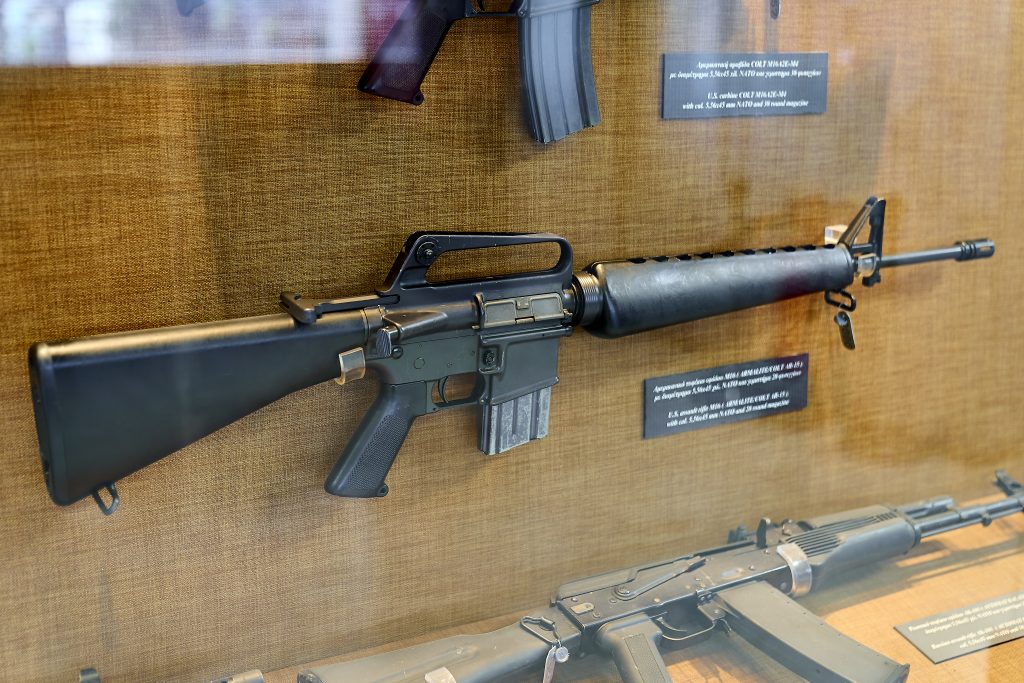
3. M16
The M16 family hard-switched U.S. doctrine toward 5.56×45mm and the idea that lighter recoil and lighter ammunition could produce more hits and more carried rounds. Early reliability problems became a defining lesson in how ammunition, maintenance assumptions, and small design choices can dominate field performance as much as raw ballistics. Over decades, the pattern also proved unusually adaptable to optics, rails, and incremental modernization without rewriting the entire manual of arms.
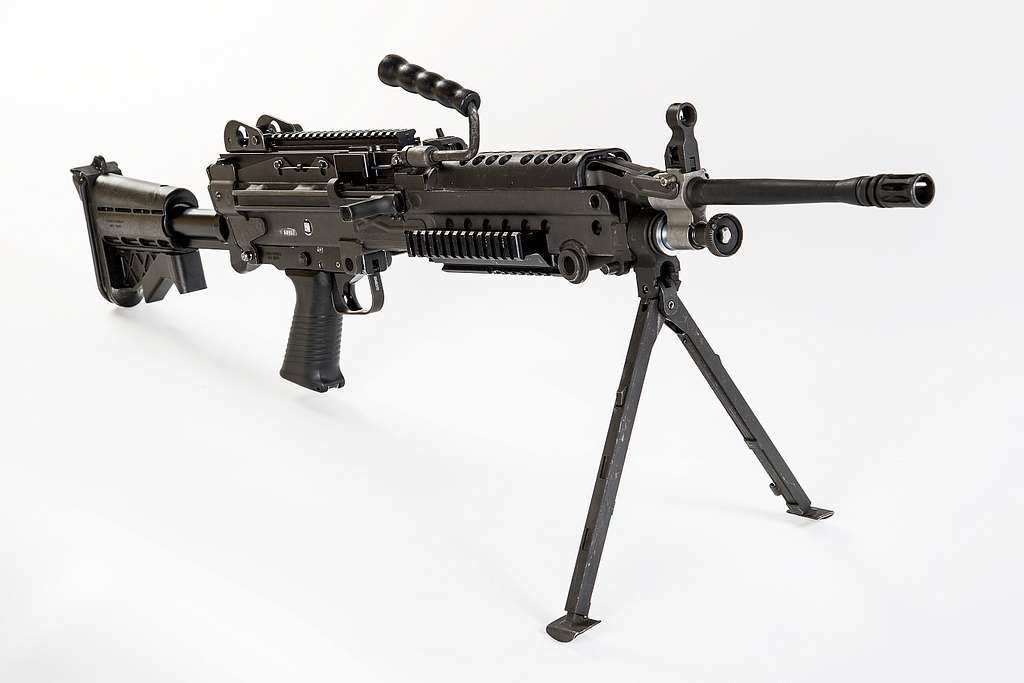
4. M249 SAW
Adopted to bring belt-fed automatic fire to the squad while keeping 5.56×45mm commonality, the M249 was as much a logistics decision as a firepower one. It also exposed an enduring tradeoff: a belt-fed gun can sustain volume, but weight and bulk can become liabilities in close terrain and fast movement. The longer the M249 stayed in service, the more it became a measuring stick for what a “light” automatic weapon should weigh and how far it should reach.
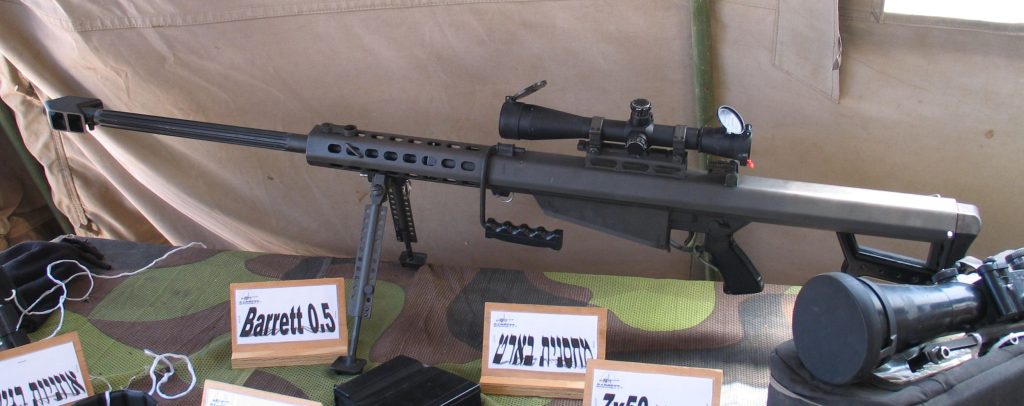
5. Barrett M82
Fielded in .50 BMG, the M82 pushed infantry capability into anti-materiel and long-range interdiction roles that standard rifles could not touch. Its practical impact has been less about typical squad engagements and more about giving small units a semi-automatic, heavy-caliber option to defeat equipment, barriers, and distant threats. It also underscored a parallel U.S. approach to lethality: when a cartridge change cannot solve a problem, the answer is sometimes a different class of weapon entirely.
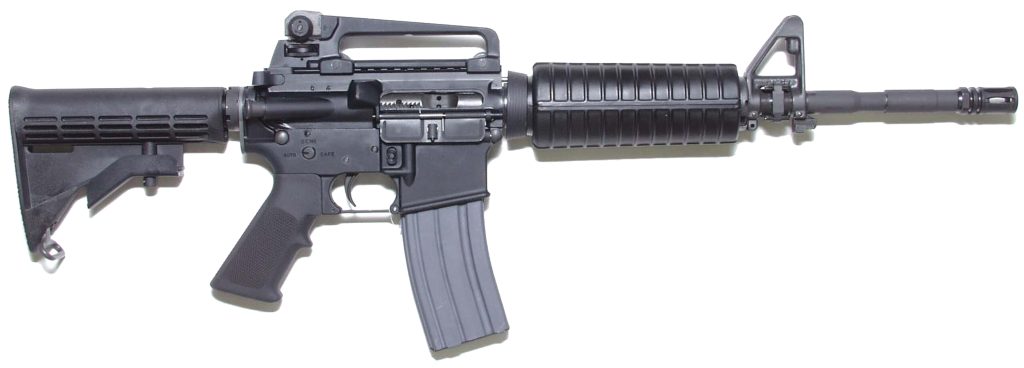
6. M4 Carbine
The M4 condensed the M16’s ecosystem into a handier package for vehicles, urban movement, and accessory-heavy configurations. Rails and optics integration helped redefine what “standard issue” meant, shifting capability into modular add-ons rather than a fixed rifle configuration. The platform’s friction point has been the same one that later drove new programs: how far 5.56×45mm can be pushed against improved protection while keeping recoil and weight in the sweet spot.
7. M7 Rifle
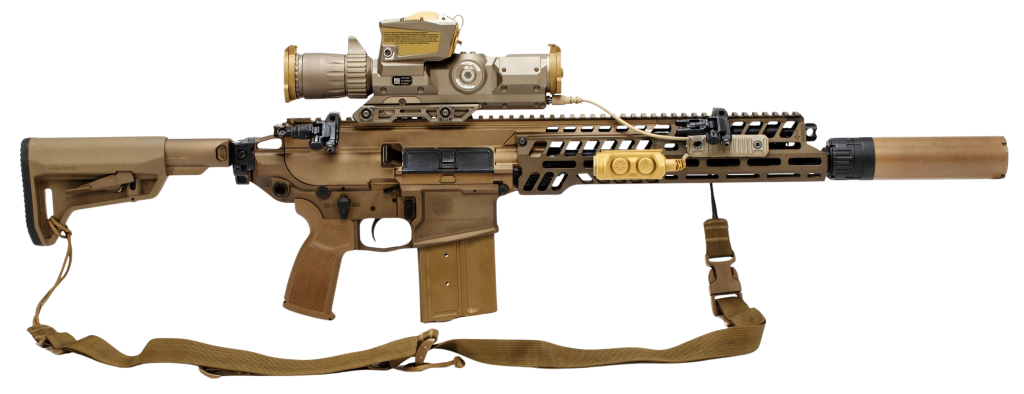
Formally designated in 2024, the M7 moved the Army to 6.8×51mm and a piston-driven operating system, aiming for greater downrange effect without giving up suppressor-forward configurations. The program’s technical premise higher performance ammunition, different recoil management expectations, and modern accessories puts engineering change and user feedback at the center of the rifle’s long-term identity. This is also where optics stop being “nice to have” and start acting like a core component of the weapon system.
8. M250 Light Machine Gun
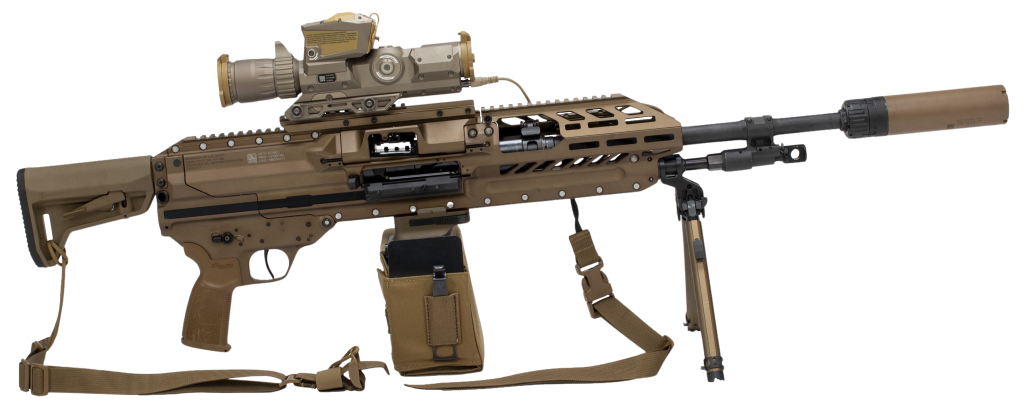
The M250, a belt-fed 6.8×51mm automatic weapon, was selected to replace the M249 and began fielding in 2024. Its design and employment are tightly coupled to the broader NGSW ecosystem, including the XM157 fire-control optic, which integrates a laser rangefinder, ballistic calculator, and sensor suite. Public specifications list the M250 at 13 lb (or 14.5 lb with suppressor) and outline how a modern squad automatic weapon is now judged not only by rate of fire, but by carried load, accuracy aids, and system-level integration across rifle and automatic weapon roles, as described in the M250 designation overview.
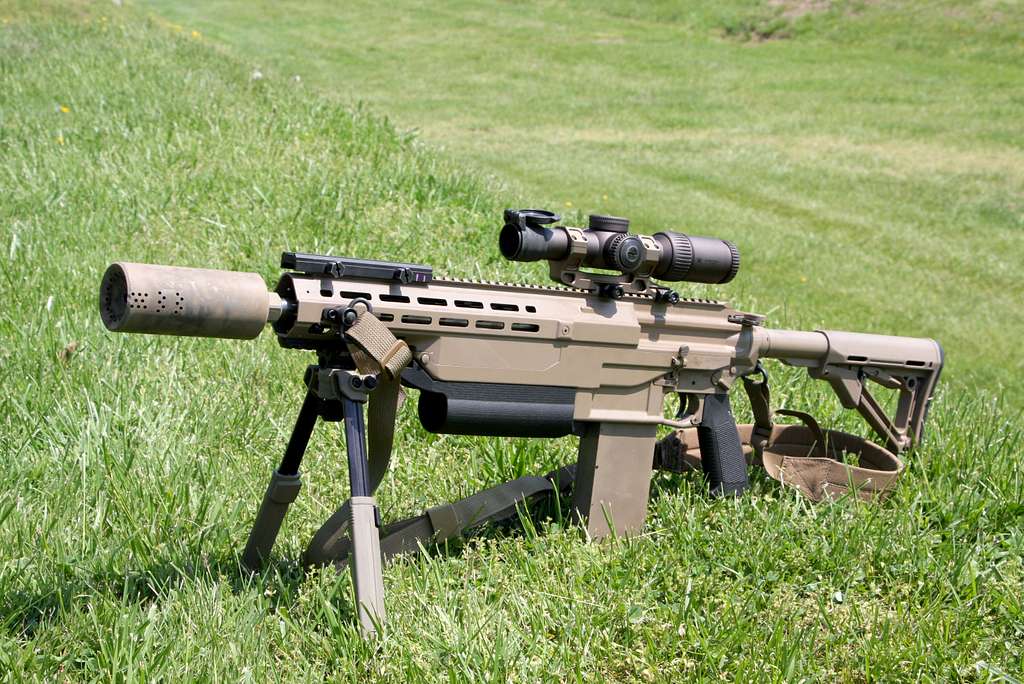
Across these weapons, one pattern holds: the cartridge choice drives the design envelope, but the squad’s real capability is increasingly defined by the full stack ammunition, optics, suppressors, and how much weight can be carried without breaking the unit’s tempo. The result is not a straight line toward “better,” but a series of engineered compromises that reflect what the Army expects a rifle squad to do, and what physics allows a human to carry and control.


