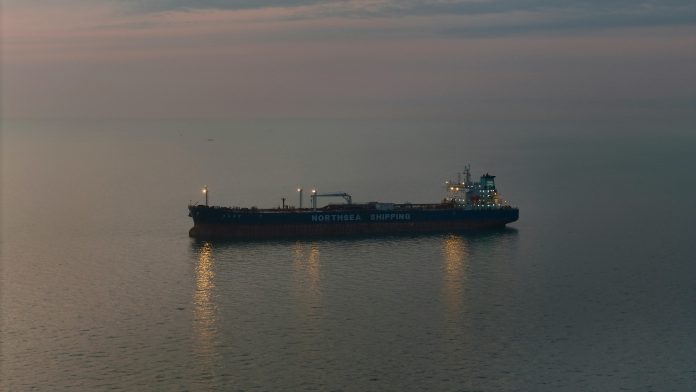
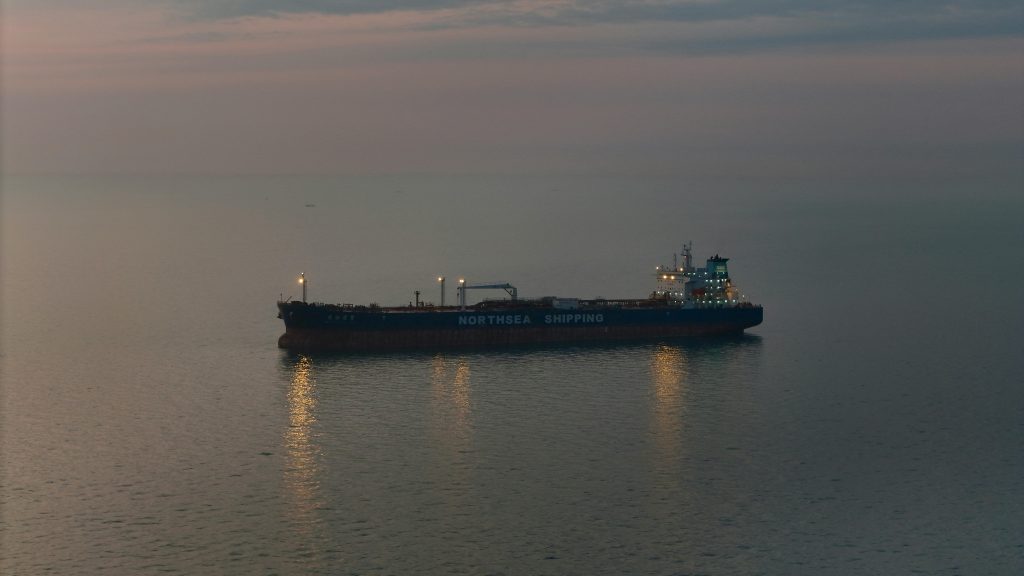
“US action is driven by the vessel’s underlying identity [IMO number], ownership/control networks, and sanctions history, not by its painted markings or flag claim,” Dimitris Ampatzidis, senior risk and compliance analyst at maritime intelligence firm Kpler, told BBC Verify. The pursuit around the tanker formerly known as Bella 1, later signaling as Marinera, pulled a technical maritime problem into full view: enforcement depends less on what a ship looks like and more on what can be proven about identity, control, and compliance across jurisdictions.
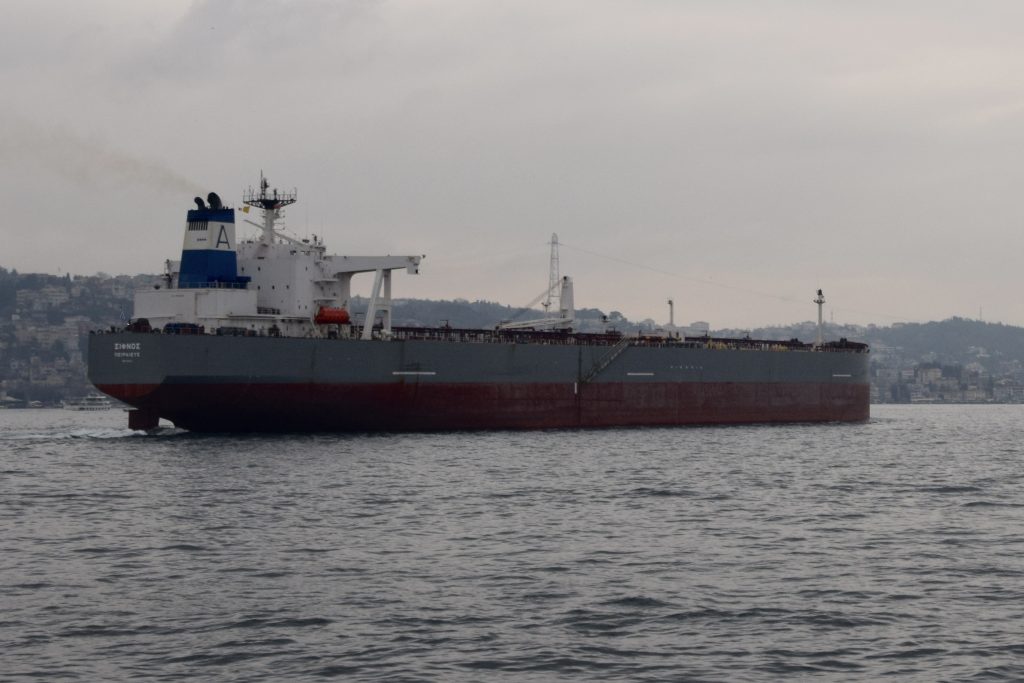
In this corner of shipping, a hull-painted flag and a mid-voyage rename are operational tools meant to add friction to tracking, boarding authority, and commercial screening. What makes these cases persistent is that they exploit cooperative assumptions built into maritime trade: consistent transponder broadcasts, stable registries, and owner information that can be verified quickly. Dark-fleet operators have learned to fragment each of those signals.
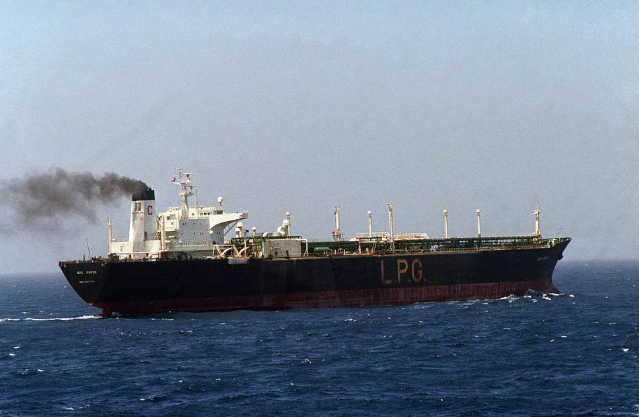
1. Mid-voyage reflagging as a legal shield
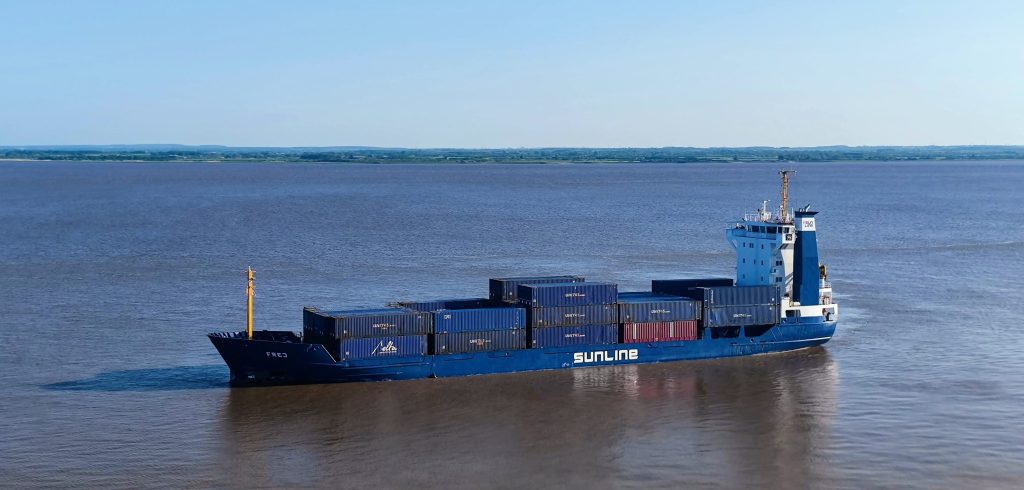
In the Bella 1/Marinera case, the vessel was described as having painted a Russian flag on its hull, changed its name, and shifted registration while already underway. Windward described the move as reflagging “mid-voyage,” a pattern it said was highly unusual outside dark-fleet behavior. The engineering value of reflagging is administrative rather than mechanical: it changes which state’s jurisdiction is invoked in routine interactions such as port calls, service contracts, and the threshold questions around boarding authority.
Michelle Bockmann, a maritime intelligence analyst at Windward, told BBC Verify that switching to a Russian registry could “complicate US enforcement efforts” because it alters whether a vessel can be treated as stateless for boarding under specific maritime-law provisions.
2. The IMO number as the vessel’s “fingerprint”
Renames and repaints are fast; the most durable identifier is the IMO number. Compliance analysts increasingly treat the IMO record as the backbone for continuity, because it remains constant even if the ship changes name, flag, or owner-of-record. That is why the practical center of gravity in vessel sanctions and interdiction has moved toward identity resolution linking a ship’s current appearance and paperwork to its historical track.
This is also why the U.S. Treasury has updated sanctions entries to reflect vessel renames, including updating the SDN List entry for ARTURA (IMO: 9150365) to reflect the changing of its name to OHAR. The adjustment signals how quickly identifiers can drift if lists track only names.
3. AIS manipulation and the limits of “normal” tracking
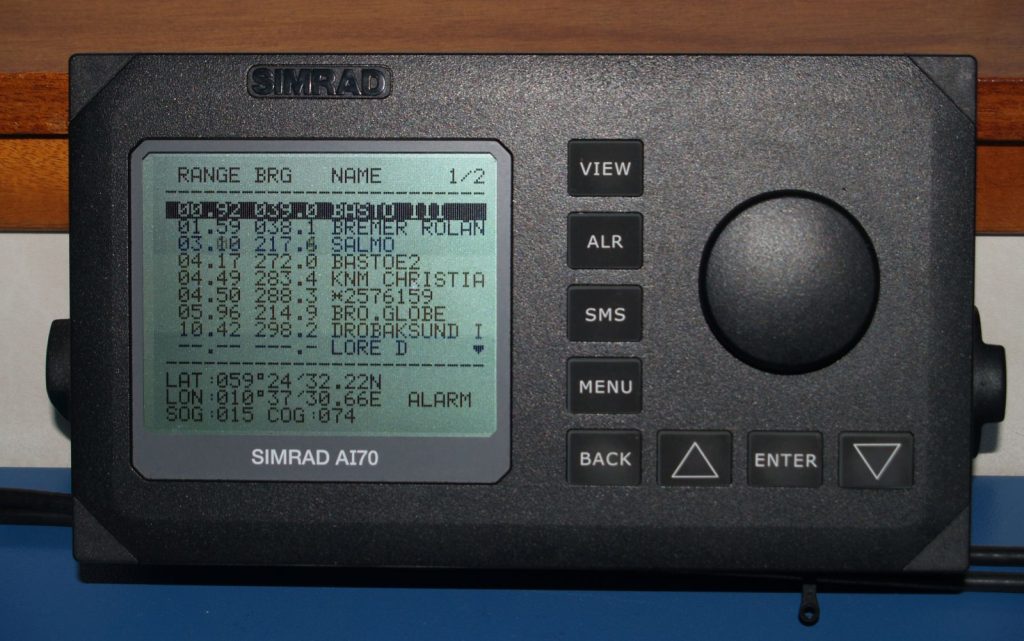
Automatic Identification System data remains the default layer for situational awareness, but dark-fleet operations are built around degrading its trustworthiness. Vessels can go “dark” by switching AIS off, transmit inconsistent routes, or present plausible-but-false positions that complicate enforcement decisions and insurer risk models.
Windward’s broader framing describes dark-fleet tactics as relying on AIS and GNSS manipulation, false flags, and opaque ownership. It has estimated over 1,900 dark-fleet vessels operating globally as of Q3 2025, underscoring that the challenge is systemic rather than tied to a single ship.
4. Ownership opacity: when the hull is visible but control is not
Name-based sanctions create gaps when a vessel “vanishes” through identity changes while underlying control remains constant. As one sanctions-focused analysis put it, “Sanctioning a vessel is only half the battle. Without transparency in asset ownership, enforcement is merely symbolic.” The operational problem is that finance, crewing, insurance, and technical management often run through layered companies that can be swapped faster than regulators can reconcile databases.
That same analysis highlights why compliance teams prioritize cross-checking IMO numbers, operators/ISM managers, and legal owners not only a ship name because the “regulatory scaffolding” breaks when identifiers are manipulated across registries and jurisdictions.
5. False flagging and the safety externalities
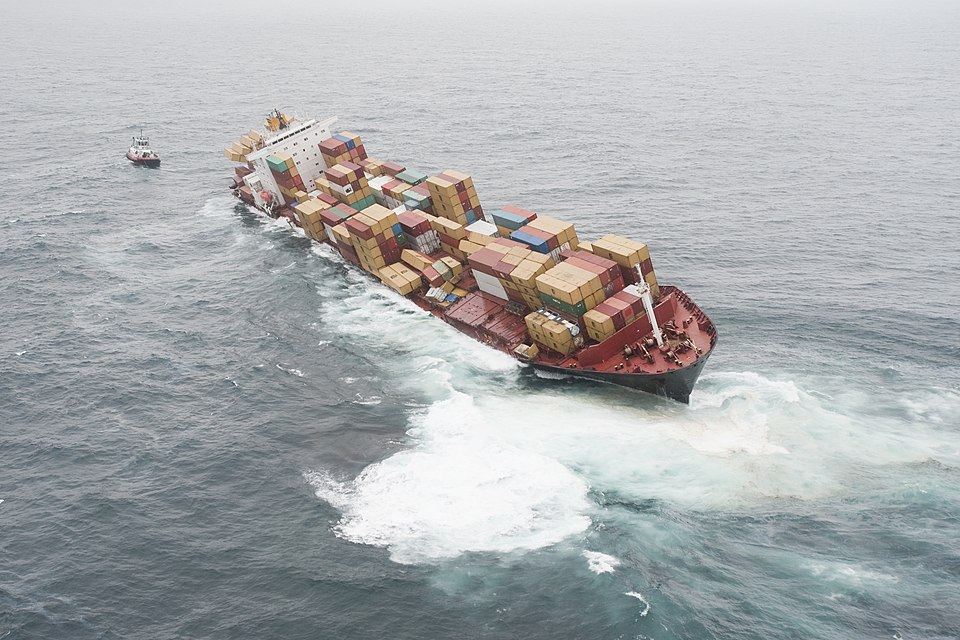
False flags introduce more than legal ambiguity; they can also degrade safety and environmental accountability. Research tracking shadow-fleet flag practices found a sharp rise in false-flag operations, including 90 vessels operating under false flags in September 2025, and warned that operating under a false flag can void insurance and place spill and salvage costs onto coastal states.
Even when a vessel holds a formally recognized flag, repeated rapid flag changes can signal registry shopping seeking jurisdictions with weaker verification and enforcement. For coastal authorities, that pattern increases the burden of deciding what is “real” in time to manage port-state control, pollution response readiness, and search-and-rescue coordination.
6. Aerial surveillance as the bridging layer between claims and reality
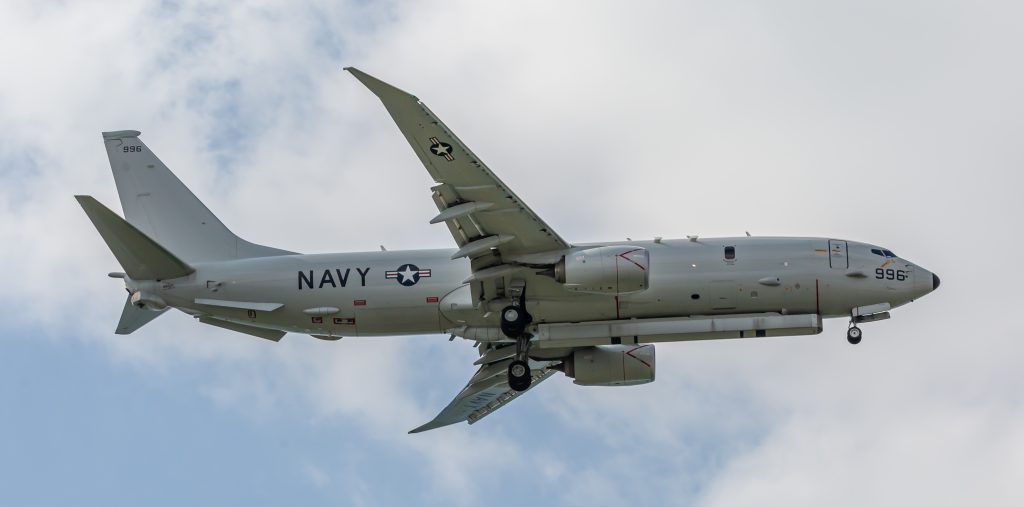
As the Marinera transited the North Atlantic, multiple reports described intensified air tracking, including P-8 aircraft activity near Ireland and Iceland. Irish reporting noted two Poseidon aircraft transiting Irish airspace while tracking the ship, illustrating how air patrols are used to validate or contest what AIS says and to maintain custody of a contact across large ocean spaces.
In practical terms, surveillance aircraft provide the time-sensitive continuity that registry data cannot: confirming the vessel’s position, correlating it with emissions and wake signatures, and maintaining a track even when transponders become unreliable.
7. Boarding and seizure operations: law-enforcement mechanics with military logistics
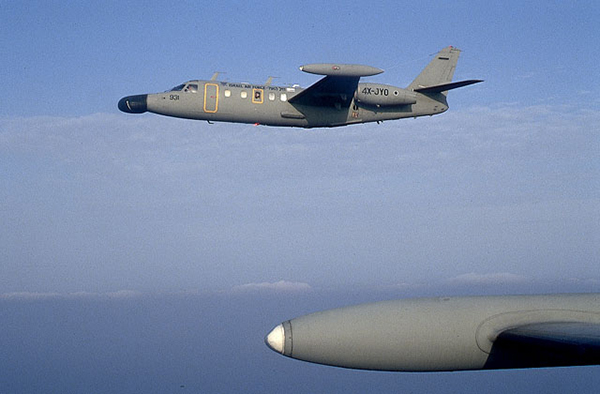
When interdiction moves from monitoring to boarding, the engineering problem becomes access and control: putting personnel safely onto a moving platform in hostile weather, securing compartments, and maintaining chain-of-custody over documents and systems. In the Marinera case, one account described a U.S.-led boarding in the North Atlantic supported by helicopters and a coastguard vessel, framing it as a sanctions-enforcement action rather than a conventional naval engagement.
That blend law-enforcement authority paired with high-end logistics reflects where modern maritime sanctions enforcement has landed: the decision turns on documentation, identifiers, and warrants, but execution depends on aviation, cutters, and endurance tracking across oceans.
The through-line is procedural, not cosmetic. Dark-fleet tactics aim to force every observer regulators, insurers, banks, port states, and navies to spend time reconciling identity before they can act. As long as ships can change names and flags faster than databases synchronize, the decisive advantage stays with whoever can fuse IMO history, control networks, and verified location into one operational picture.


