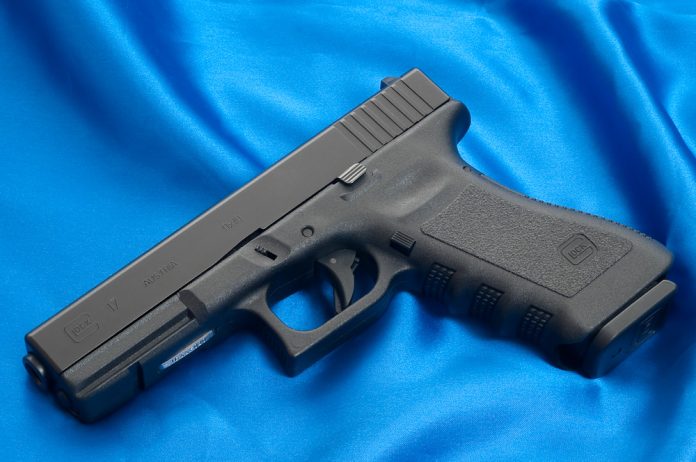
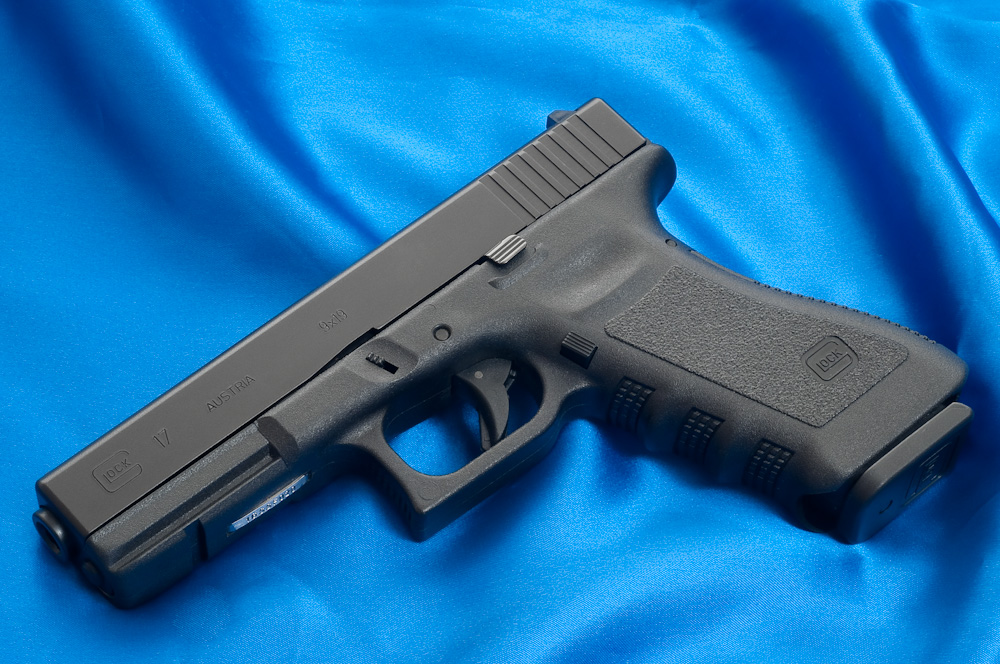
Glock has a strong market presence, but the current striker-fired pistol scene includes many brands. In 2026, the main question is not just “Glock or not Glock.” Instead, it’s about which design fits best for how a pistol is carried, fired, and maintained.
In the compact carry category, full-size duty frames, and the growing trend of crossover models, a few options often stand out for several reasons. These include grip shapes that fit more hand sizes, factory triggers that perform well with little complaint, optics-ready features that feel standard rather than optional, and designs that handle high round counts without issues.
The following models are practical alternatives that address the same question in different ways: what works best right out of the box, and what remains reliable after heavy use.
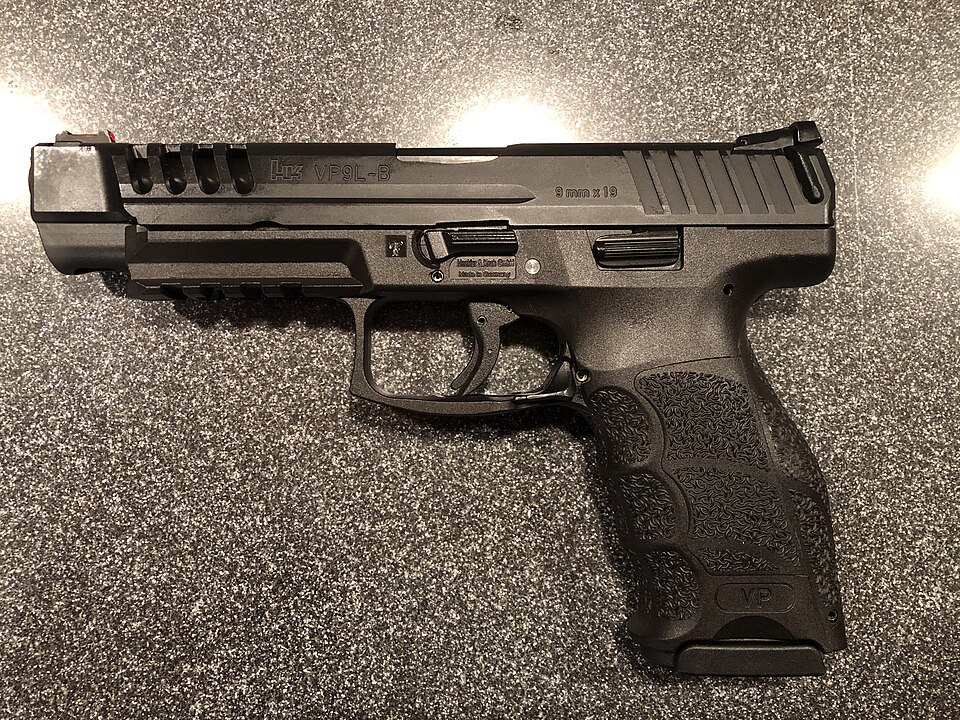
1. Heckler & Koch VP9
The VP9 is known for its ergonomics, which feel intentionally “hand-first” rather than frame-first. Its grip system is unique because it adjusts more than just the backstrap. Shooters can customize side panels and backstraps to fit their palm size and overall circumference. This results in a grip that feels natural for various hand sizes. This quality has made it stand out since its introduction, offering a custom feel in a duty-size striker pistol without the need for aftermarket frames.
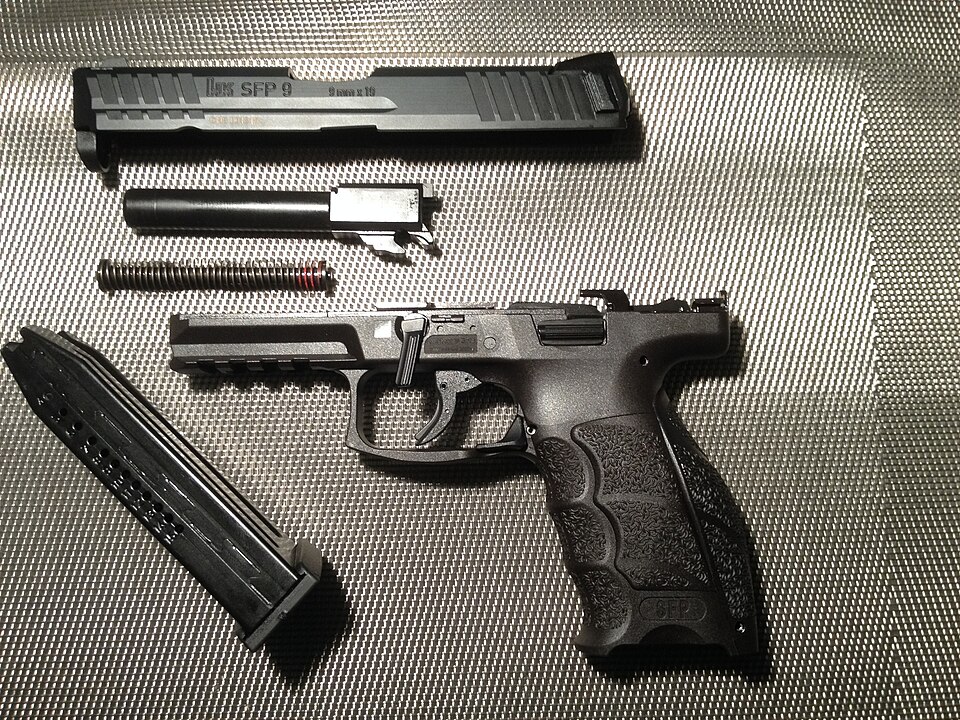
The control layout and manipulation features showcase the design’s engineering efforts. The slide’s cocking supports allow for better grip at the back, making it easier to rack the slide, especially in wet, gloved, or low-strength situations. The pistol also provides both visual and tactile indicators of its status. The VP9 line has expanded with variants that cater to American preferences, including the push-button magazine release option known as the “B” model.
For those who evaluate pistols based on how quickly the sights align and how consistently the grip fits during presentation, the VP9’s comfortable feel is its main appeal.
2. CZ P-10 C
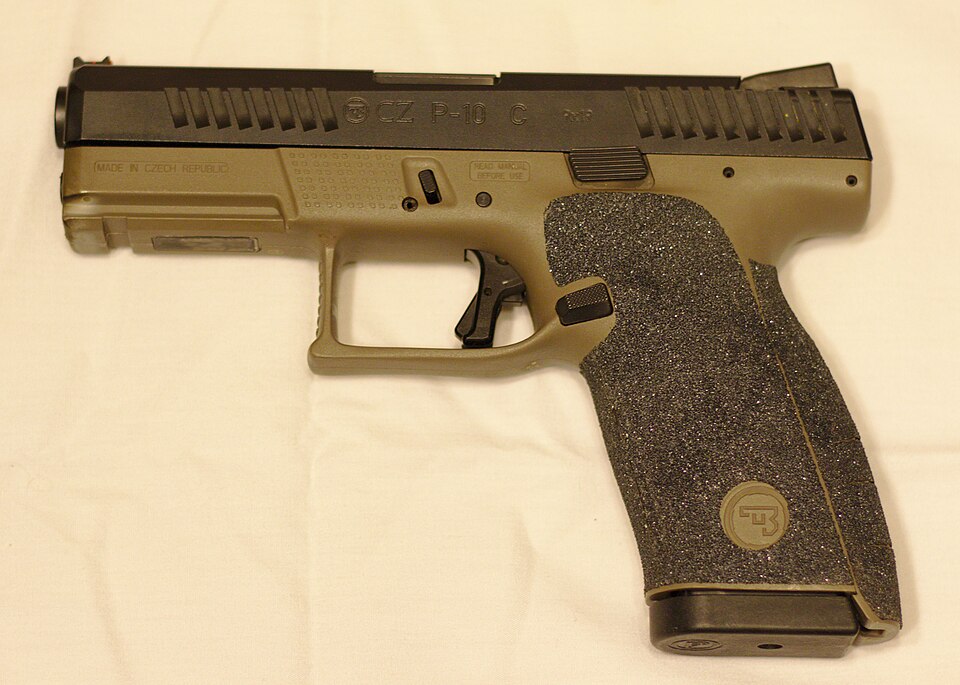
The CZ P-10 C often gets called “underrated” because it checks several compact versatility boxes without a high price. Its dimensions are similar to the Glock 19, but its frame and grip feature a deeper beavertail and a rounder profile that many find less bulky. This design helps it sit securely and track smoothly during rapid shooting.
Another reason for its popularity is the trigger feel. Many reviews mention a distinct wall and a crisp break around 4.75 to 5 pounds, along with a reset that’s easy to feel during fast shooting. A detailed range review noted about 1,500 rounds, with only one minor issue on a single pistol and a 300-round testing session with various loads that functioned flawlessly.
Optics-ready versions and an evolving accessory market keep this platform modern, but its main draw is simple: it performs like a serious compact while being priced to get attention.
3. Walther PDP
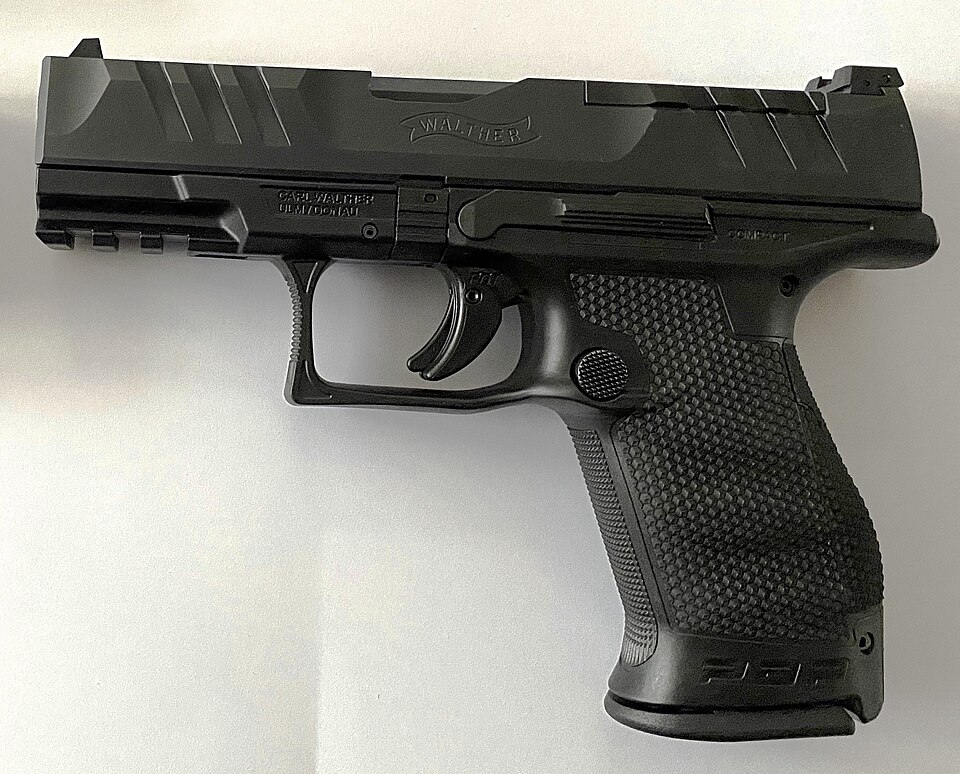
The PDP is built on a straightforward principle: if slide manipulation is critical under stress, it should be easy. Walther’s aggressive front and rear serrations give it a versatile feel, standing out among other striker pistols that treat serrations merely as decoration.
Its capacity and ergonomics meet the standards of duty-ready designs. The PDP typically offers an 18+1 full-size option and features a grip design that feels more contoured than the usual boxy style. It includes an extended beavertail for better handling. Its approach to optics mounting is often praised, allowing for red dot attachments without requiring extensive gunsmithing.
For Glock buyers looking for similar utility but valuing slide handling and grip shape, the PDP offers an easy-to-understand alternative.
4. SIG Sauer P365XL
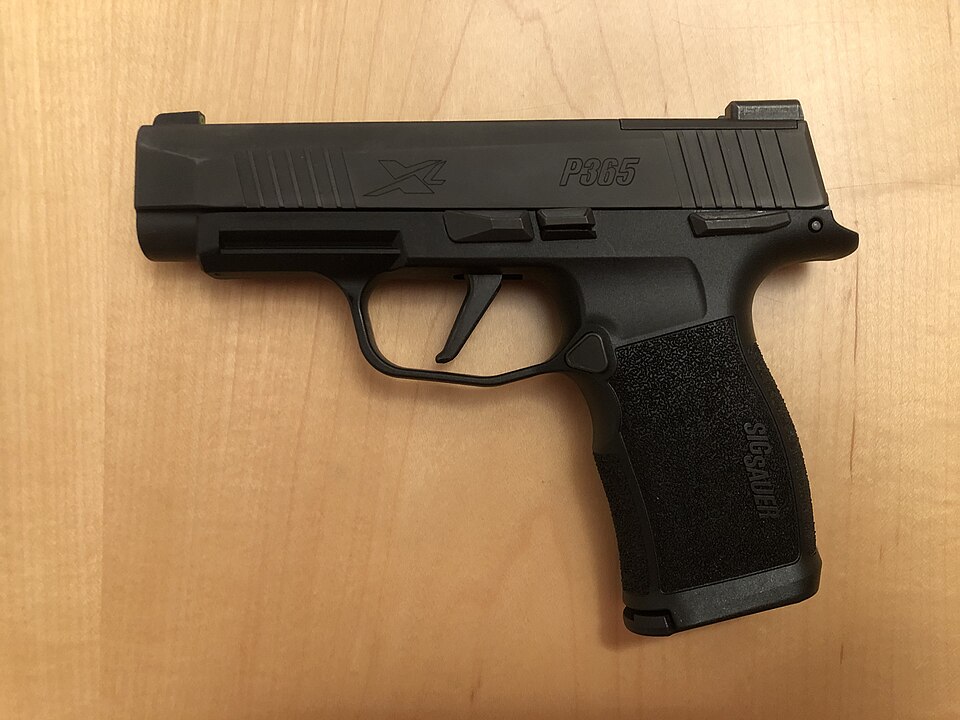
Some comparisons to Glock miss the point of modern concealed carry. Many people don’t want to hide a compact; they want to carry comfortably all day without sacrificing their wardrobe. The P365XL seeks to provide a carry-friendly size while remaining easy to shoot for extended practice.
Capacity and versatility are key features. The XL configuration usually offers a 12+1 capacity (or more with extended magazines) while maintaining a slim profile that aids concealment. SIG’s Fire Control Unit concept changes how ownership works. The serialized core can be swapped between grip styles and slide options, letting the pistol adapt without needing a new gun.
For users initially considering “Glock 19 sized” models but leaning towards slimmer options, the P365XL is a straightforward choice.
5. Springfield Armory Echelon
The Echelon appeals for its modern feel without needing an immediate parts list. It presents as a duty-size striker pistol designed for practical use, focusing on optics integration and surface texture.
Capacity options are generally a standard 17+1, with extended magazines available for 20+1. Reviews highlight the grip’s rough texture and rounded shape, along with a flat-faced trigger that enhances control during both precise shooting and rapid strings. It seems built for the red-dot era instead of modified to fit it.
For Glock shoppers seeking a service-pistol size but wanting a modern out-of-the-box feature set, the Echelon belongs on the shortlist.
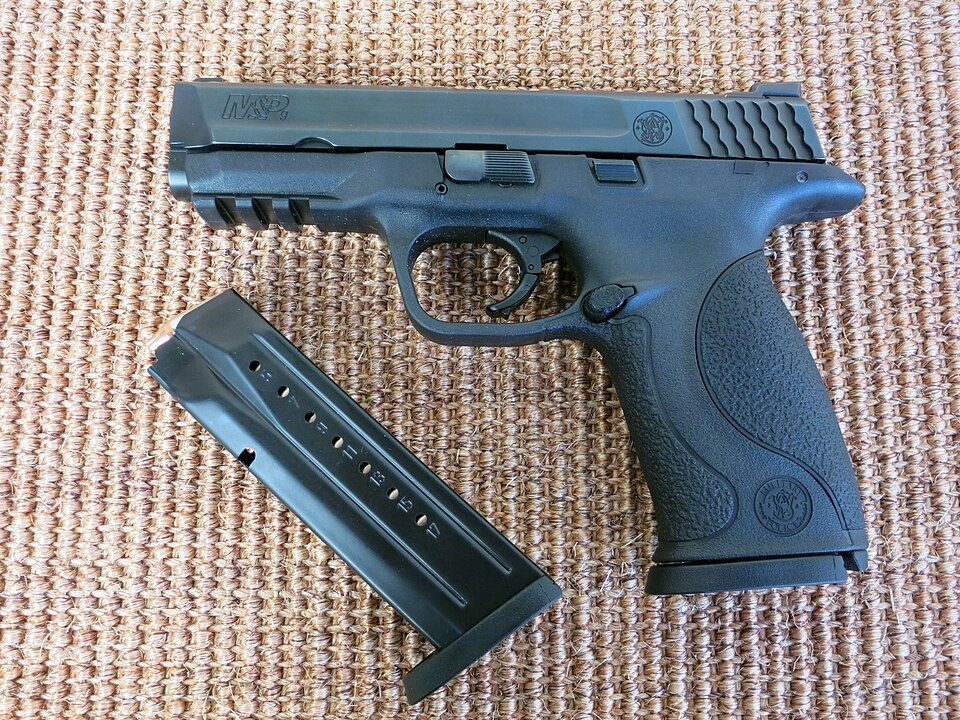
6. Smith & Wesson M&P9 M2.0
The M&P9 M2.0 remains a favorite because it covers the essentials of a duty pistol with solid ergonomics. The grip shape is usually seen as more rounded and filling compared to the squared style. The texture is purposefully aggressive to keep the gun stable in sweaty or messy situations.
The trigger is typically known for its longer pull to a defined wall, followed by a crisp break, instead of a “soft roll” quality. Optics-ready versions are now standard in the lineup, and the platform’s popularity has made accessories, holsters, and support gear easy to find.
For those wanting a reliable, widely accepted alternative with a grip that fits many hands, the M2.0 is an obvious choice.
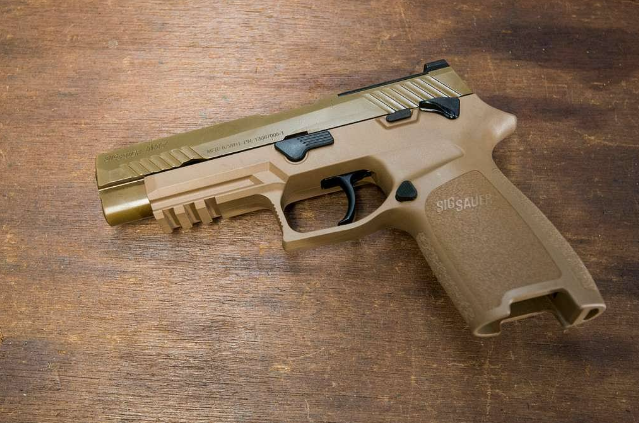
7. SIG Sauer M17/M18 (P320 family)
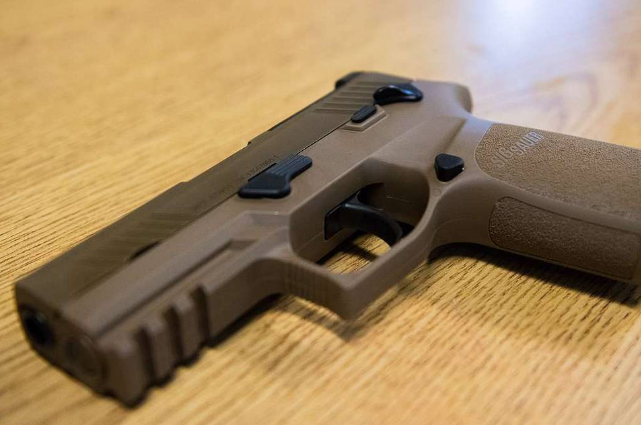
The M17 and M18 are significant in this discussion because they highlight what “modularity” means when treated as a core feature. The serialized Fire Control Unit allows for reconfiguration without changing the main component, enabling users to swap grip modules, slides, and other parts easily.
This modular approach has expanded with formal approval for new components under the U.S. Army’s Modular Handgun System program, including items like grip modules, a flared magazine well, a “gas pedal” takedown lever, and red-dot options. This is laid out in the Modular Handgun System coverage. For civilian users, the benefit is clear: a well-supported ecosystem typically boosts the availability of accessories, standardized solutions, and long-term parts support.
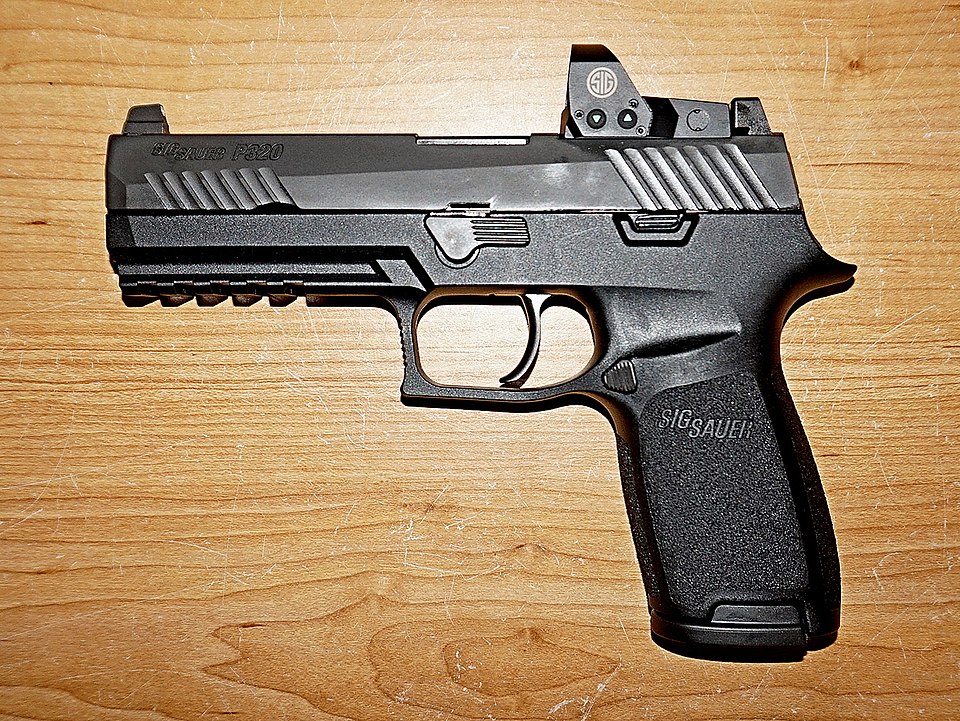
For Glock buyers who value a firearm that can be adjusted for fit and function over being locked into one frame design, the P320/M17/M18 family offers one of the best modular options available.
In 2026, the key question regarding “Glock alternatives” is less about finding a replacement and more about choosing the right grip shape, trigger feel, and optics setup based on how the pistol will be used. Grip fit, slide handling, and the accessory ecosystem become the main differences once the initial excitement wears off.
When evaluating these models based on those criteria rather than brand recognition, the options appear more as a series of purpose-driven solutions to everyday needs.


