
“A rifle can look perfect in a short clip: tight group, clean recoil, slick reload, and a pile of accessories that promise “do everything.” The trade rack tells a different story. Once owners live with a platform carry it, feed it, mount glass on it, and try to practice with it–the little realities show up fast.
These are not “bad rifles.” They’re common hype buys that get swapped out after the first season predictably for reasons like weight, recoil behavior, role confusion, upgrade creep, or expecting a rifle to stack tiny groups with any ammo.
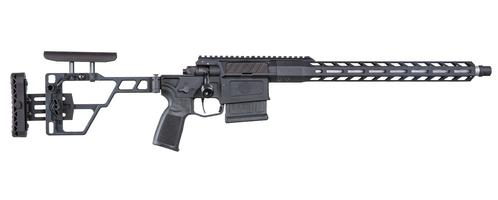
1. SIG Cross
The Cross sells the idea of a modern, compact “do-it-all” bolt gun-field-friendly dimensions with enough adjustability to feel precision-adjacent. The trade-away pattern usually starts with an expectation gap. A lot of buyers expect it to settle and track like a heavier trainer while carrying like an ultralight, and the physics refuse to cooperate. In lighter configurations, the recoil can feel sharper than expected, with the rifle not always sitting as calmly on bags or sticks as a purpose-built match-weight rig.
The Cross also tends to be a project rifle. Owners frequently chase after different trigger feel, stock settings and bolt-on accessories until the original point simple, packable capability gets buried under parts. Plenty of shooters keep them and run them hard; the quiet trades often happen when the owner realizes the better answer was either a dedicated lightweight hunting rifle or a dedicated heavy trainer, not a compromise trying to cover both.
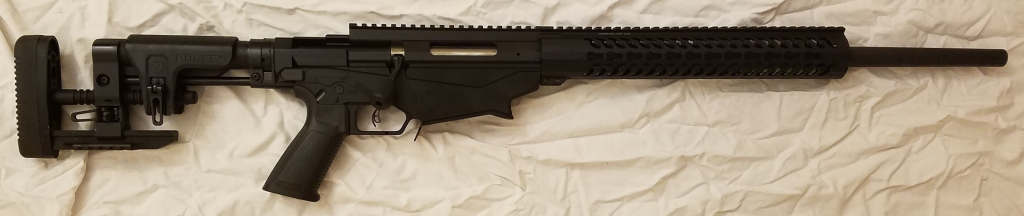
2. Ruger Precision Rifle (RPR)
The RPR is the poster child for “precision for the price,” and it earns that reputation in the right lane. It also punishes anyone who buys it imagining a carryable hunting rifle or a casual range toy. Depending on configuration, the RPR sits in a published unloaded weight window of 11.5 to 15.2 pounds, and that’s before optic, mount and a loaded magazine are added. The trade-away moment often arrives the first time it gets hauled any real distance.
The other friction point is testing expectations. Internet culture rewards three-shot “brag groups,” but serious evaluation trends toward larger samples. As one reference puts it, “Ten shots are a more reliable indicator when it comes to predicting what a load is likely to do in the future” (Ten shots are a more reliable indicator). When an owner learns the RPR still has ammo preferences, still rewards fundamentals, and still asks for a defined role, it becomes a frequent “trade for something simpler” candidate-especially for shooters who never actually use what the chassis-style ergonomics were built to support.
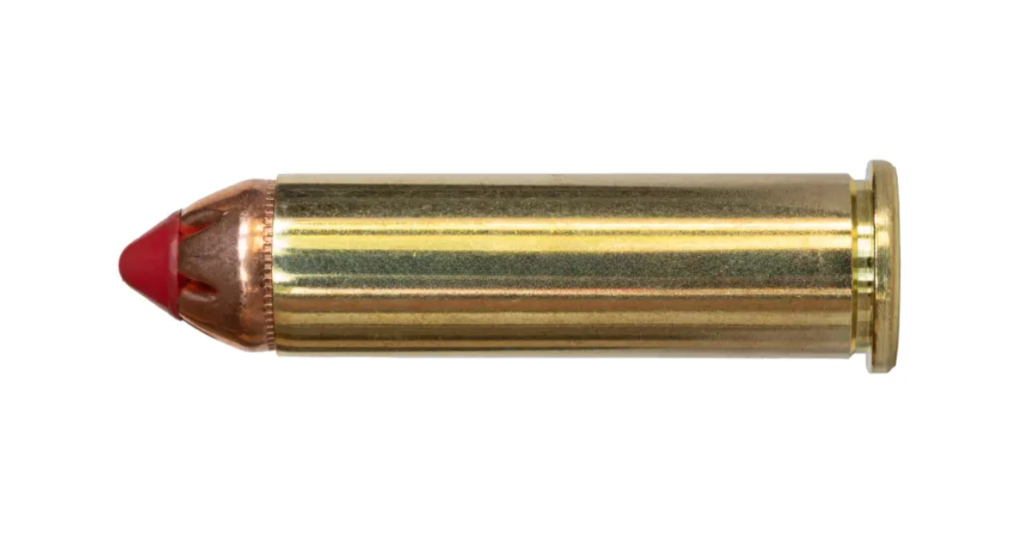
3. Christensen Ridgeline
A lot of Ridglines get bought as the “premium lightweight that still shoots like a laser.” The trade-away story is usually about how light rifles behave in real positions. The light hunting rifles can be accurate, but they are less forgiving: more perceived recoil, more wobble, and a greater chance that the shooter not the barrel becomes the limiting factor. Practice can turn unpleasant fast in magnum chamberings, and the rifle turns into a “carry a lot, shoot a little” tool.
At a higher price point, buyers generally expect factory ammo to produce effortless consistency. If a particular rifle-ammo combination does not deliver that right out of the gate, confidence falls quicker than it will on a cheaper gun. The trade is often quiet because the rifle isn’t unusable; it simply didn’t deliver the “no drama” experience the buyer thought the price guaranteed.
4. Kimber Adirondack (and the ultralight mountain-rifle category)
The Adirondack feeds a particular fantasy: a classic-feeling rifle that disappears on a long climb. Where that same feature-carrying low mass-makes it carry so well, it also makes it the most difficult to shoot well when fatigue, awkward angles, and improvised rests show up. Light rifles magnify tremor and positional wobble, and recoil can feel abrupt even in moderate cartridges.
There’s also a lifestyle mismatch that drives trades. Many owners learn post-purchase that their real hunting is front-country: truck-to-stand, short walks, or blinds. In that reality, weight savings matter less than shootability and practice volume. When an ultralight becomes “great to carry, not fun to shoot,” the swap usually isn’t about quality it’s about fit.
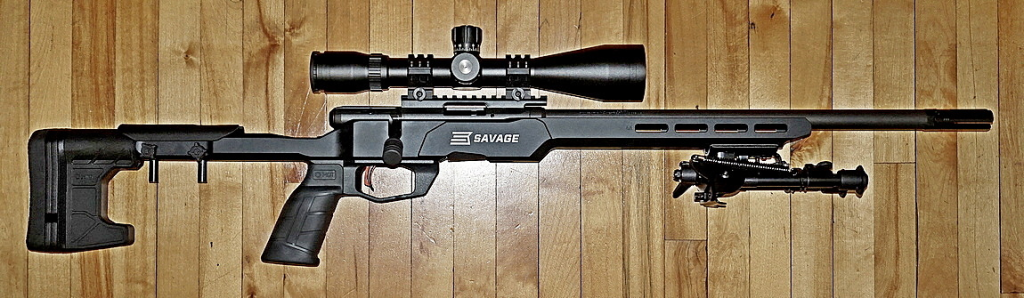
5. Savage Axis II Package Rifles
Classic “entry rifle that people expect to feel like a finished system.” The Axis II package hype is affordability, plus the halo of “Savage accuracy”; and many examples do shoot well. Where the trade-away usually comes is from the complete package, not the barreled action: basic stocks can feel flexible, and the included optic is often the weak link once the owner starts trying to stretch distance or confirm repeatability.
Owners will find themselves often spending money in attempts to fix what they thought was a done-deal starter kit. On deer-at-normal-distances, though, the rifle can work all day. The quiet trades tend to come from shooters who wanted a platform they could train with, enjoy at the range, and feel confident investing in without immediately rebuilding the whole setup.
6. Mossberg Patriot
The Patriot sells because it looks and sounds like a plain hunting rifle, and it’s consistently reviewed as “good for the money.” The trade-away reasons are generally not catastrophic accuracy issues-small frictions add up when round count increases. Action feel, stock feel, and general refinement matter far more when someone starts practicing regularly, doing load work, or chasing a repeatable zero across multiple ammo types.
A portion of Patriot trades occur when the owner realizes that “serviceable” is not the same as “a tool they enjoy using.” The rifle feels like a budget shortcut when you do longer-range sessions. More than one owner has chosen to step up, rather than keep putting up with minor annoyances.
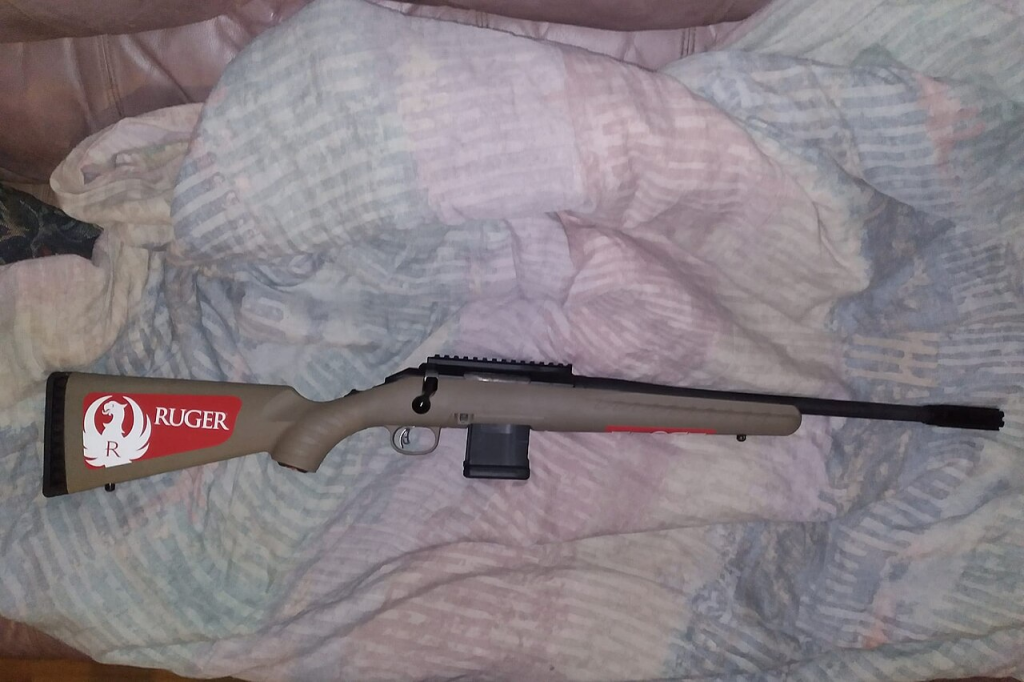
7. Ruger American Ranch
The Ranch gets hyped in certain chamberings as the handy, threaded rifle that “does everything.” The trade-away moment often shows up when “handy” translates into compromises: Short barrels can be loud, the light rifle can feel snappy, and distance expectations can outpace what the configuration is meant to deliver with typical factory ammo.
Most swaps are driven by role confusion. Used inside its lane as a compact field rifle, the American Ranch can be excellent. Disappointment tends to start when it’s treated like a precision platform and judged against heavier rifles designed to be shot from bags, bipods, and stable props all day.

8. Ruger Mini-14
The Mini-14 sells on nostalgia and “classic carbine” vibes, and it has a dedicated following. Trades usually happen when the buyer expected AR-style convenience: cheap magazines, endless accessory support, and straightforward optics solutions. The Mini can be made to work well, but it is its own ecosystem.
It often ends up on the trade rack especially once the initial novelty purchase fades when owners realize they wanted the modularity and plug-and-play aftermarket of an AR more than they wanted the Mini’s personality.
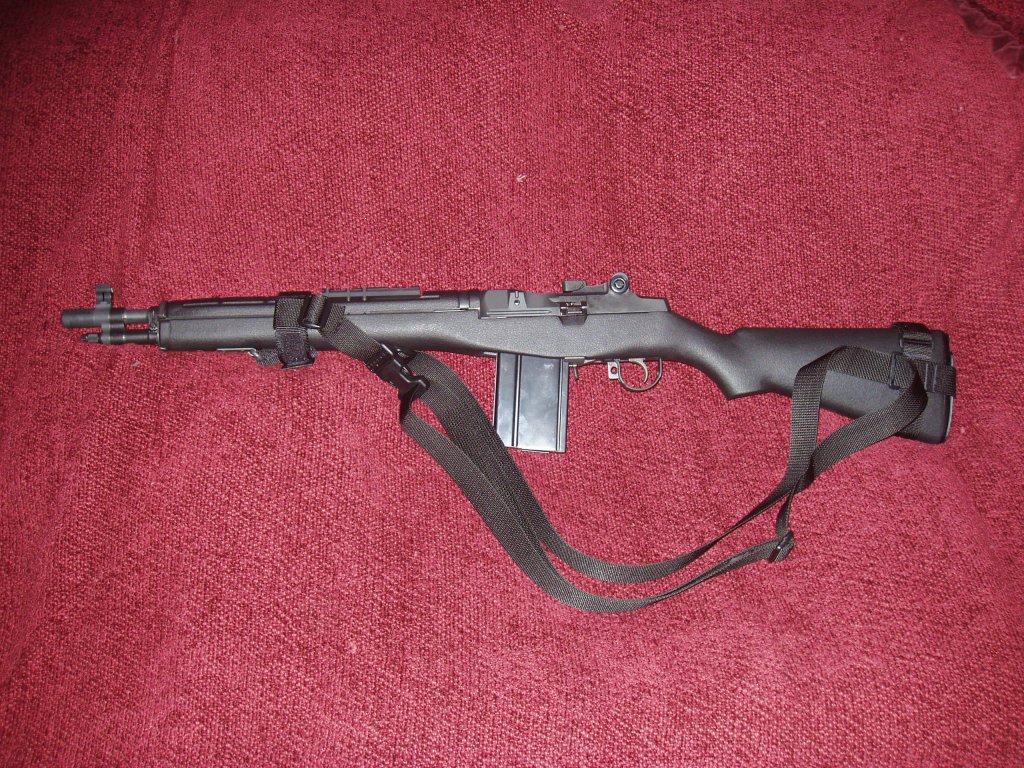
9. Springfield Armory M1A SOCOM 16
The SOCOM 16 gets purchased for compact .308 energy and unique “battle rifle” flair. Often, the trade-away reasons are practical: .308 cost, recoil, and a shorter .308 can be loud and less pleasant to shoot for long practice. Most owners find out they don’t like the training volume on a platform heavier to carry and more expensive to feed than they thought it would be. Another frequent point of friction: Optics setup. Mount choices, cheek weld height, and chasing a comfortable durable configuration can turn the purchase into an ongoing project. Some owners are happy to commit to that. Others decide they wanted a simpler .308 solution either a bolt gun or a different semi-auto without the extra setup effort.
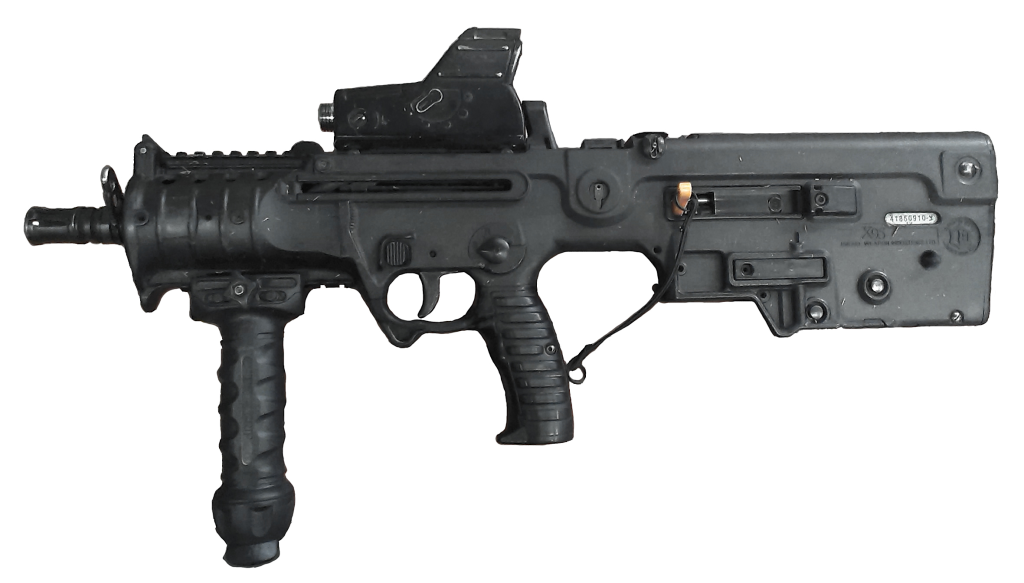
10. IWI Tavor X95
Bullpup reality check Bullpups promise full barrel length in a short overall package, and the X95 is one of the most recognizable options. It delivers on compactness-one reference notes an overall length of 22.8 inches on a 13-inch SBR configuration (22.8-inch). The trade-away pattern is usually not reliability; it’s human interface. The manual of arms feels different than an AR, reloads feel different, balance feels different and trigger characteristics are a perpetual bullpup discussion even when the example is “good for a bullpup.” Some shooters adapt and run them fast.
Others decide they bought novelty when what they truly wanted was familiarity, universal parts support and a training path that matches what they already know. What these all point to is that across all these platforms, the consistent theme is not failure-it’s mismatch. A rifle that looks perfect on the internet can still be the wrong answer for how an owner actually carries, practices, and shoots. When the purchase decision is anchored to role clarity-what gets carried, how far it gets carried, how many rounds get fired per year, and what kind of positions get used-the trade rack becomes much less tempting.


