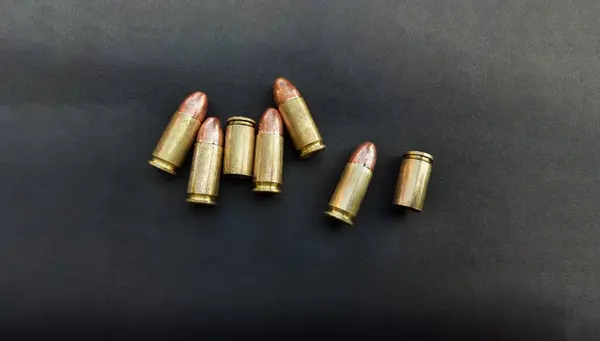
There are two types of handgun debates: those that end at a stopwatch and those that end when the credit card bill arrives. The 9mm vs. .40 S&W debate straddles both worlds.
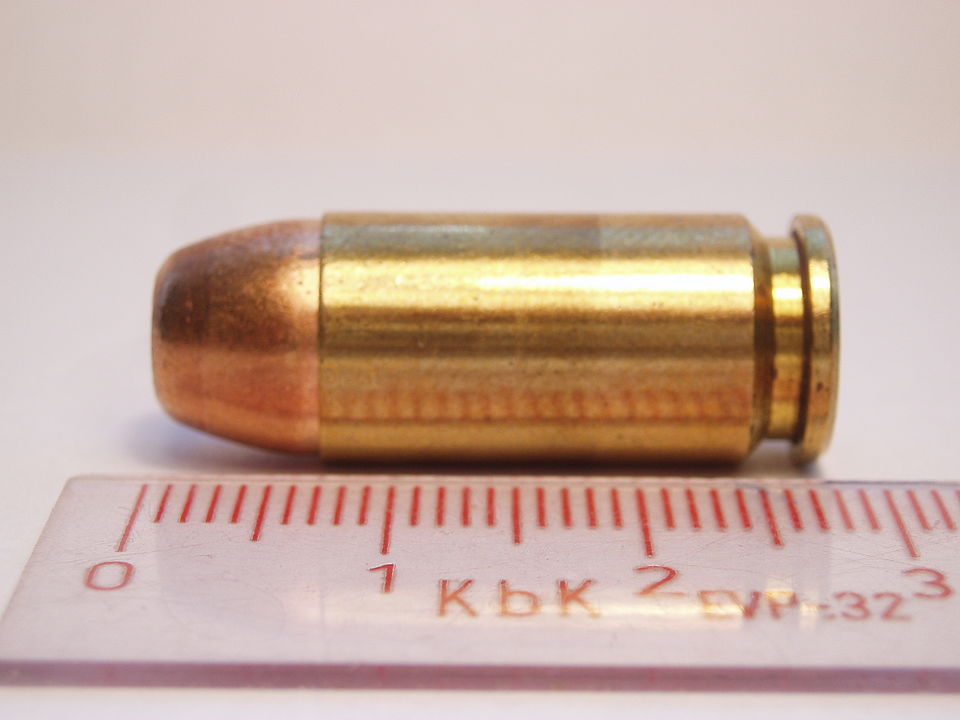
Both cartridges work in modern, reliable pistols. Both have decades of duty use behind them. And both can be tuned with bullet selection, recoil springs, and training habits. What keeps the rivalry alive, though, is that trade-offs are real: the .40 brings more bullet weight and diameter, while the 9mm typically brings more controllability and more rounds in the same footprint.
Instead of making it a mascot fight, the better approach is to break the decision into questions that shooters actually face when they pick a concealed-carry setup.
1. How much recoil actually shows up in real shooting?
The calling card of the .40 S&W is a sharper recoil impulse, often characterized by many shooters as “snappy” – especially in compact pistols. The main article’s benchmark is simple: typical 9mm loads deliver about 25% less recoil than .40 S&W, and that gap tends to widen as guns get smaller and lighter.
This matters, because recoil is not just discomfort-it’s time between accurate hits. Faster follow-up shots are generally easier with 9mm, and that advantage becomes more visible when shooting one-handed, shooting from awkward positions or trying to keep sights steady during rapid strings.
2. Does “stopping power” distinguish between them in a meaningful way?
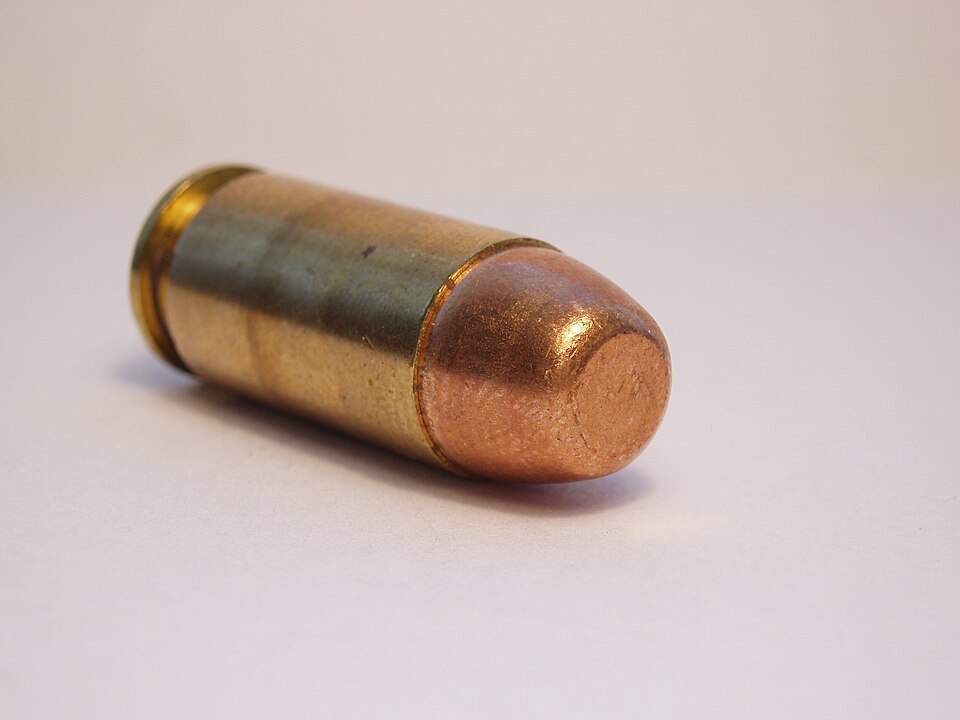
“Stopping power” remains elusive because it merges several quantifiable components penetration, expansion, and the size of the permanent wound cavity with one non-negotiable factor: shot placement. The .40 S&W generally drives a wider and often heavier bullet, and when all things are equal it tends to cut a larger permanent hole than 9mm.
At the same time, modern hollow points have narrowed the practical gap. A trauma surgeon’s comparison of service-caliber wound ballistics notes that expanded diameters overlap heavily, with 9mm expansion listed at 0.36-0.72 inches and .40 S&W at 0.4-0.76 inches. The takeaway is not that caliber never matters; it is that the difference is often smaller than the difference created by where the bullet lands and whether the shooter can deliver multiple accurate hits under stress.
3. How many rounds fit before the gun gets bigger?
Magazine capacity is the most consistent advantage of the 9mm. In similar full-size frames, the difference can appear small on paper but still matters in practice. The main article’s example is a Glock 17 holding more than a comparable .40-caliber Glock 22 by two rounds.
Simple mechanical reason: narrower cartridges stack more efficiently. That means that a 9mm shooter typically carries more ammunition without changing grip size, concealment footprint, or spare-mag dimensions. For concealed carry, “more rounds for the same bulk” is a practical advantage that does not require any change in technique to benefit from it.
4. Which caliber is easier for most people to shoot accurately?
Mechanical accuracy between the two is not the real separator; shooter performance is. Many shooters post better practical accuracy with 9mm when similar pistols are used, as recoil management is easier and the sight tracking cleaner. The main article frames it the right way: the important question is which round a shooter can fire more accurately, not which is “more accurate” in isolation.
Where training contexts are concerned, the softer recoil of the 9mm usually means one can practice longer with less fatigue, often resulting in better consistency over time. Shooters of smaller stature or lesser experience are often more susceptible to the sharper impulse of the .40 pulling shots off-target faster, especially during rapid fire.
5. What changes when the use case goes from carry to home defense?
Distances and reaction time are compressed in the home-defense environment, which squeezes shooters toward loads and platforms that they can control reliably. The central article treats it as a handling problem as much as a power problem: the “best” option being the heaviest and most powerful round which a shooter can run while still maintaining shot placement.
It also includes a common .40 S&W load for home defense: 180-grain, favored for its penetration and energy transfer within close distances. That preference exists with a reality that simply doesn’t care about caliber – misses can create risk through barriers. In a wall-and-gel over-penetration setup using common building materials, some defensive handgun loads stopped in the first interior wall after passing through gel, while FMJ loads tended to continue through barriers. The work details a test method built around 12 inches of 10% ballistic gel with simulated interior and exterior walls behind it.
6. Why did .40 S&W get popular in the first place?
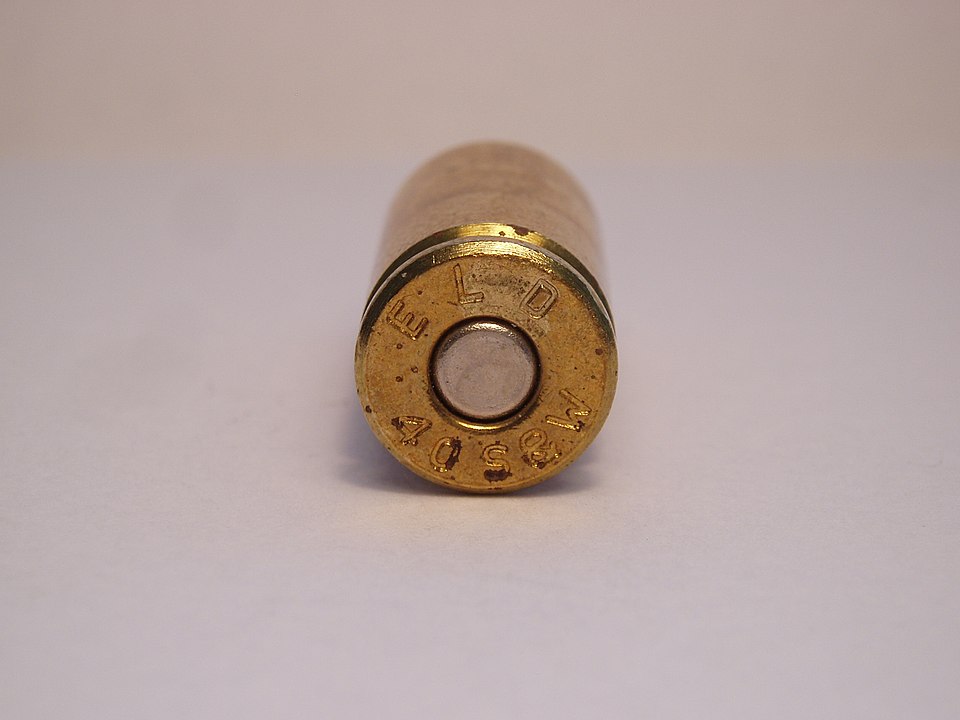
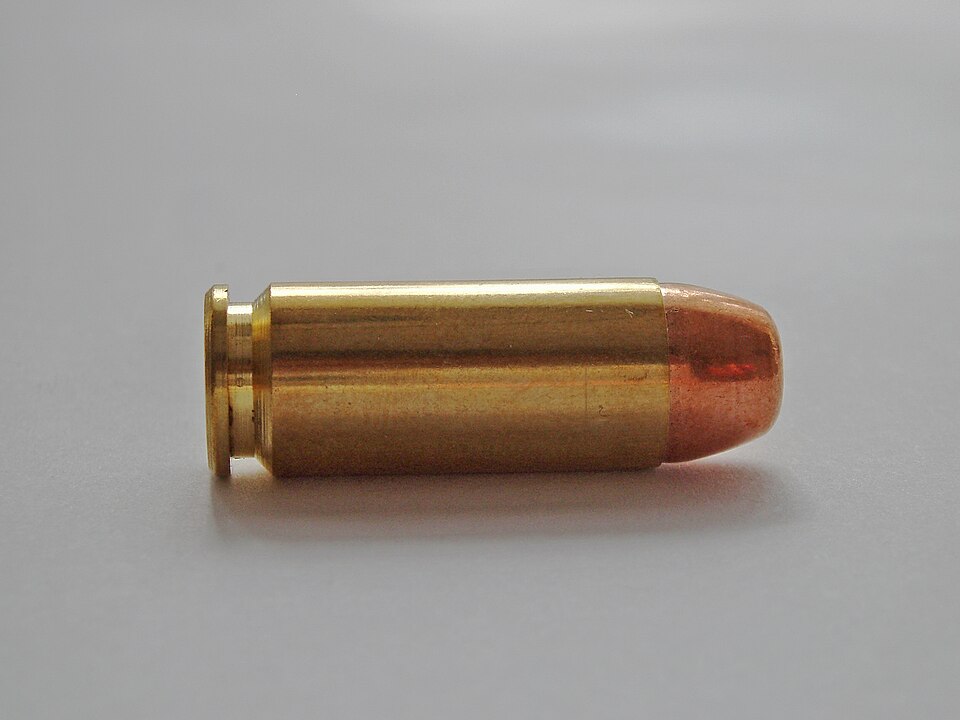
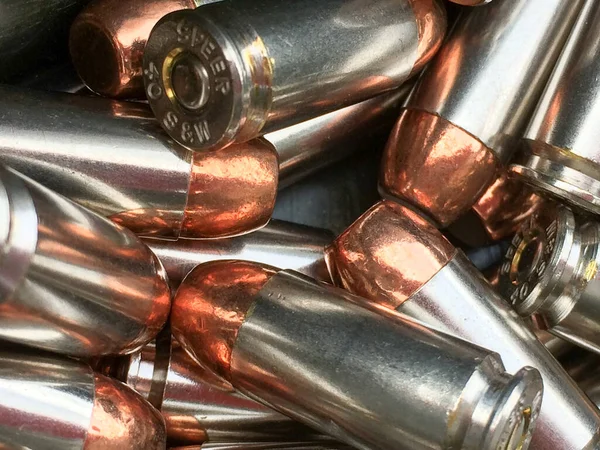
The .40 S&W is not an “old classic” cartridge; it was a purpose-built compromise that became a standard. In 1990, it saw the light of day as the result of collaboration between Smith & Wesson and Winchester; it traces directly to a law-enforcement push for improved terminal performance after the 1986 FBI Miami shootout.
From an engineering perspective, the cartridge’s origin story is a packaging story: The FBI tried the 10mm Auto, then settled in on reduced-velocity 10mm performance. That “lighter” 10mm concept led manufacturers to shorten the case so the round could fit into 9mm-size pistol frames, while still sending a .40-caliber bullet at duty-appropriate velocities. The main article cites the key dimensional change as 3 millimeters removed from the 10mm case length-small enough to sound trivial, big enough to create a new category.
7. What determines the “best” selection once the specifications are known?
What matters is whether the shooter can deliver repeatable hits quickly with the specific pistol they will actually carry. This main article really provides the most actionable advice of the entire debate: rent comparable handguns in both calibers, shoot a few boxes, and pick the one that produces better performance on demand. That approach respects what the data-heavy discussions keep circling back to: handgun rounds are compromises, and outcomes are heavily dependent on placement, penetration, and the shooter’s ability to stay on target.
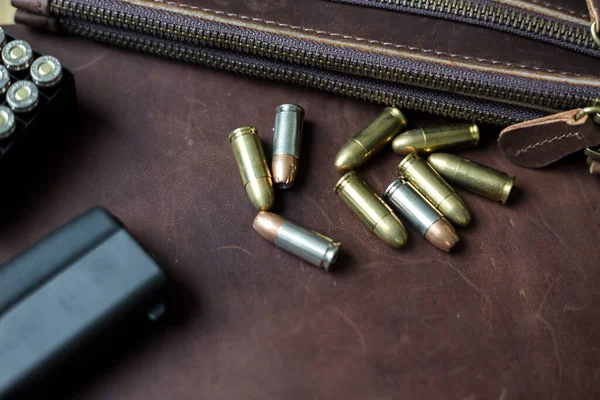
Once those fundamentals are in place, the controllability and capacity advantages of 9mm show up a lot more often; .40 S&W at least still had a bigger bullet and heavier common loads, if nothing else, as a valid option for shooters who handle it well. For concealed carry, the rivalry does not end with a chart. It ends with the shooter’s split times, group sizes, and confidence in the gun they will carry every day.


