
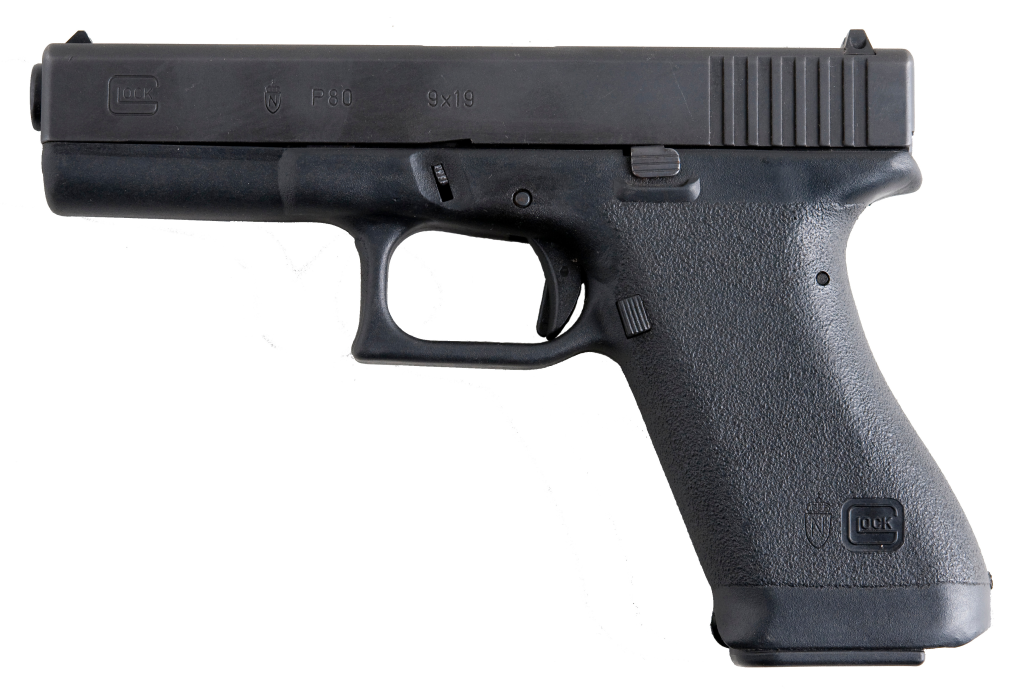
Glock built its reputation on continuity: controls familiar through generations, long production runs, and a parts ecosystem that let departments, dealers, and end users plan years ahead. That is why the decision to wind down dozens of commercial models lands differently than an ordinary catalog refresh would. It reads like a re-prioritization at the factory level of what gets machined, what gets stocked, what gets supported, and what gets pushed into “legacy” status.
Under the hood, the change threads together three pressures that rarely align this cleanly in the handgun business: manufacturing efficiency, the mainstreaming of slide-mounted optics and a growing compliance burden centered on illegal conversion devices commonly called “switches.” The result is a lineup that looks slimmer on paper but more deliberate on the assembly line.

1. SKU reduction to reclaim manufacturing bandwidth
Glock’s commercial catalog has, over time, accumulated layers of overlap: multiple generations, niche chamberings, and model-specific variants selling in uneven volume. Pulling low-demand pistols out of regular production reduces the number of slide/frame/barrel combinations that have to be scheduled, inspected, warehoused, and forecasted. Fewer SKUs, in practical terms, also mean fewer “slow movers” tying up distributor inventory and less production time spent on changeovers that do not scale.

The chamberings most commonly treated as candidates for this sort of pruning, such as the .357 SIG and .45 GAP, are illustrative of the wider logic. They enjoy real followings, but they do not march to the market beat with the same predictability as mainstream 9mm. A narrower core lineup also simplifies service parts planning because Glock can focus its attention on supporting a small set of high-volume configurations rather than spreading resources across long tails of niche variants.
2. Optics-ready pistols moving from “option” to default
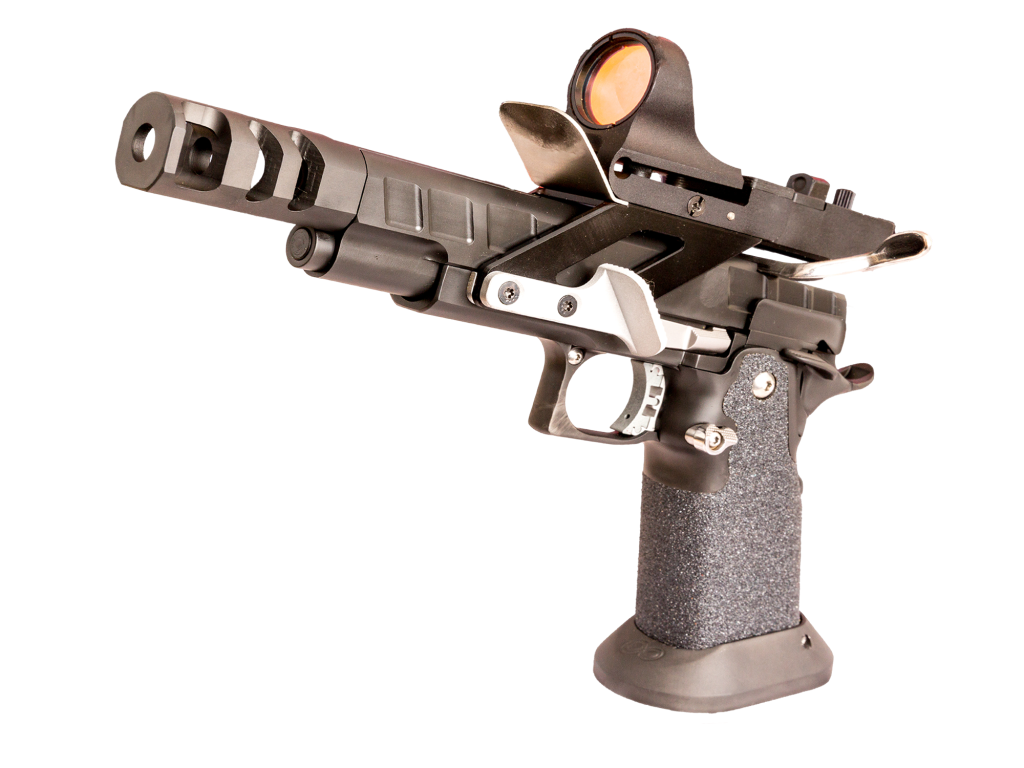
Slide-mounted red dots have crossed from enthusiast upgrade to institutional standard in many segments. Glock’s commercial strategy increasingly treats optics cuts and mounting interfaces as primary features, not add-ons. That emphasis is visible both in how product families are positioned and in reduced appetite for older slides and frames that cannot be brought into an optics-first approach without redesign.
Even within Glock’s own branding, optics have splintered into distinct paths: traditional MOS plate systems, newer direct mount approaches-each with different manufacturing implications. As more buyers expect optics capability out of the box, it becomes harder to justify keeping older, non-optics-ready models in full-rate production when that same machine time can be used to build current configurations that match what the market repeatedly asks for.

3. Conversion-device scrutiny reshaping what “acceptable design” means
The most intense crosswinds blowing on Glock are legal and regulatory pressure associated with illegal conversion devices. The accessories in question, sometimes referred to as “Glock switches,” have been considered machine gun parts under federal law when illegally possessed or used. The policy discussion has been rapidly expanding to encompass issues of whether certain pistol designs are “readily convertible.” For example, California enacted AB 1127, which targets dealer sales of pistols defined under that law as easily convertible; interestingly, its enforcement timeline is structured around dealer transfer restrictions and later manufacturer roster re-testing windows.

Along with this has come an uptick in civil litigation. The New Jersey complaint against Glock alleges that the platform can be converted with a small external device that fits at the rear of the slide and cites rates of fire that can reach 1,200 rounds per minute, along with an increase in conversion-part recoveries noted by ATF data. It cited a statistic showing that recoveries of machine gun conversion parts rose 570% from 2017–2021 compared to the prior five-year span. Whatever one’s position on responsibility, the operational reality for manufacturers is that “conversion resistance” has become a design attribute that regulators and plaintiffs are actively testing in courtrooms and legislatures.
4. “V” or “Gen V”-style internal revisions aimed at blocking switches
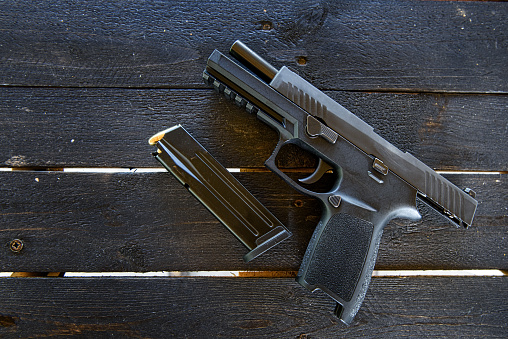
Retail and media reports of the replacement models have indicated changes around the rear of the slide, where these devices are usually fitted. A thread common to reports of the change describes fitting a steel feature that will interfere with switch installation, rather than continuing to rely on the easily modified polymer nub present in earlier variants. At least one report refers to a “Gen V” or “V Series” base gun, which is externally very similar to its forebears but with anti-conversion geometry at the backplate area.
Those anti-switch measures also run headlong into a hard truth: where there is a design target, attempts to defeat it will follow. The more relevant engineering consideration here is that Glock seems to be treating conversion deterrence as a repeatable manufacturing requirement and not an aftermarket problem. That kind of shift influences which legacy slides and frames remain worth producing because it can be cleaner to build new compliant architectures than to keep multiple generations alive while trying to patch them.
5. A true next-generation platform as the “why now” of the reset
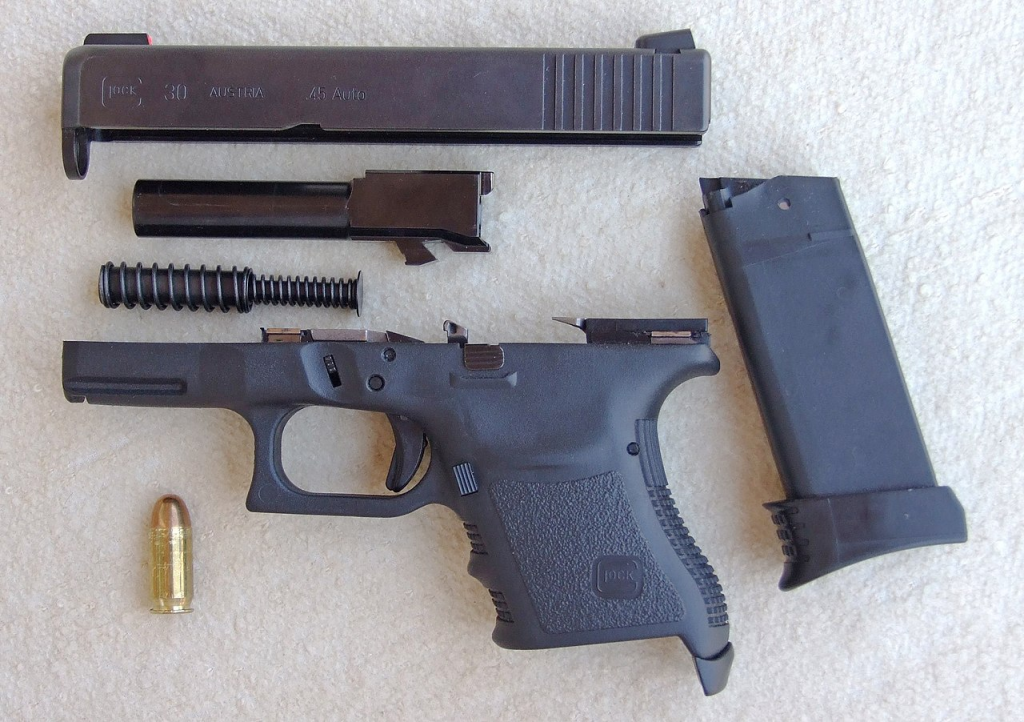
A lineup purge makes more sense when something new is ready to absorb the demand. Coverage surrounding Glock’s next platform points to a Gen 6 family in 9mm-initially framed around the G17, G19, and G45-built to modernize ergonomics and optics mounting while keeping familiar handling and compatibility where it matters. In at least one detailed technical walk-through, the Gen 6 is said to move beyond MOS plates to a direct-mount optics approach with thin pattern-specific shims guiding screws into the slide for common footprints.
Gen 6 seems to set in stone a “looks the same, built differently” ethos: familiar profile, significant internal and interface changes, and select backward compatibility. Training organizations have reportedly responded by bifurcating armorer instruction into modern and classic tracks – a pretty good indicator that Glock expects agencies and armorers will be dealing with two different maintenance realities for years to come. That is just the type of downstream burden a manufacturer attempts to limit by stemming the bleed of incremental additional legacy variants.
6. The aftermarket faces a parts-ecosystem split
Aftermarket support has always amplified Glock’s dominance, but the discontinuations create fault lines. Once commercial production on certain generations and niche models slows-or stops-the supply of new OEM parts becomes less predictable and pricing pressure tends to go one direction. Builders already treat generation matching as non-negotiable for reliable function: the slide geometry, recoil systems, barrel lockup, and trigger group compatibility become easier to get wrong as this ecosystem fragments. That fragmentation isn’t theoretical. Practical guidance aimed at Glock builders emphasizes that the Gen 4 slide and recoil system changes don’t naturally map onto the Gen 3 frames without compromises and that Gen 5 geometry pushes “top half” components into a more generation-locked ecosystem. If Gen 6 expands those differences, the aftermarket will respond with new product lines-but at the cost of increased complexity for owners of “classic” guns who rely on drop-in interchangeability.
7. Collector dynamics and dealer behavior change immediately
Discontinuations reliably trigger two near-term effects: accelerated dealer sell-through and selective collecting. The long-slide and niche models tend to become more interesting once they are no longer routine-order items, and “last run” inventory often moves quickly as buyers try to lock in a preferred generation or configuration. Glock’s promise of ongoing parts and service support-most particularly for institutional users-keeps the older pistols viable for departments and individuals who already have inventory and training sunk into a specific generation. The bigger shift is psychological. Glock’s brand equity has long been tied to predictable continuity; a large-scale portfolio cut signals that continuity now has boundaries set by manufacturing focus, optics standardization, and the compliance environment around conversion devices. For the market, it’s less about a lone model being “gone” and more about Glock re-centering its commercial strategy around fewer core pistols that better match current purchasing patterns and that can be defended, supported, and updated on a tighter cadence.


