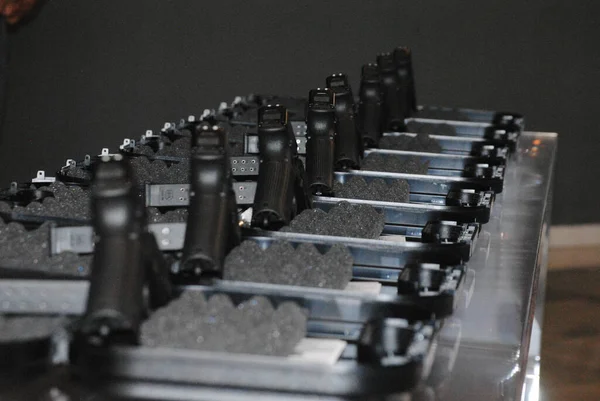
For years, Glock’s commercial catalog has been a model of continuity: familiar frames, predictable generations, and a parts ecosystem rewarding standardization. That reputation is precisely why the company’s decision to drop a large slice of its lineup landed as something more than a routine SKU cleanup.
What looks like a discontinuation wave is also a manufacturing reset. It pulls together optics adoption, caliber demand, distribution realities, and a parallel push toward new baseline pistols-while the aftermarket and institutional customers sort out what “support” means when the shelves change but the installed base stays huge.
1. A commercial catalogue that had grown beyond what demand could justify
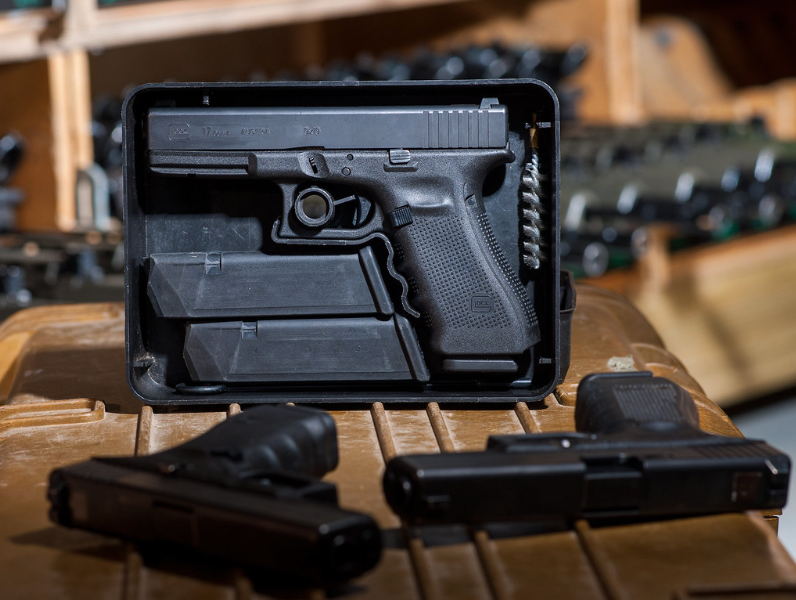
The breadth of Glock’s lineup was part of the brand’s advantage, until it was an operational drag. Overlapping a high number of models and generation variants can create slow-moving inventory, fragmented forecasting, and extra complexity both at the factory and distributor level. Cutting the marginal sellers lets production time and logistics capacity shift toward the configurations that move fastest.
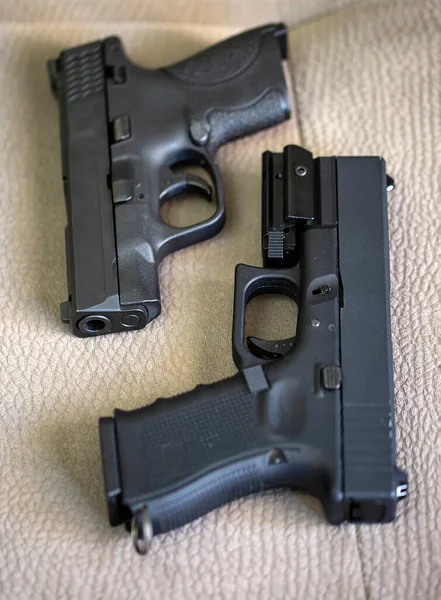
That rationalization has been especially visible in less-common chamberings that never matched 9mm volume. When a brand has been built on interchangeability and predictable availability, pruning niche SKUs can be less about abandoning customers than it is about protecting the core promise for the majority of buyers.
2. Optics-ready moved from “premium option” to default expectation
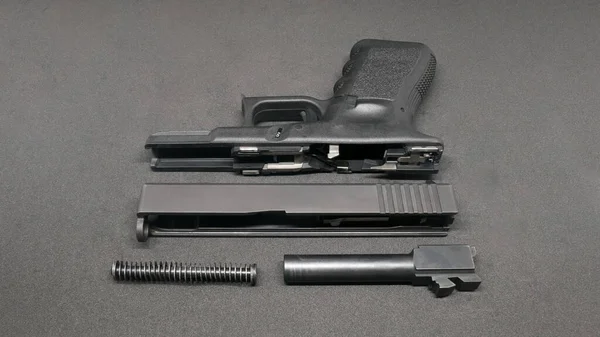
Slide-mounted dots are no longer a boutique feature; they are increasingly treated as baseline. Glock’s own roadmap has reflected that shift, and discontinuations line up with reducing legacy slides and frames that are less aligned with current optics-mounting approaches. The company has also signaled that “necessary updates to our product line” are tied to “upcoming offerings,” framing the cut as a precursor to what replaces it.
What that means to the buyer is that the “default Glock” is ever more defined by how cleanly it supports a dot without resorting to aftermarket milling. For dealers, it simplifies stocking: fewer oddball SKUs, more repeatable demand, fewer returns tied to mismatched optics footprints.
3. The “V Series” seems designed to become a simplified baseline
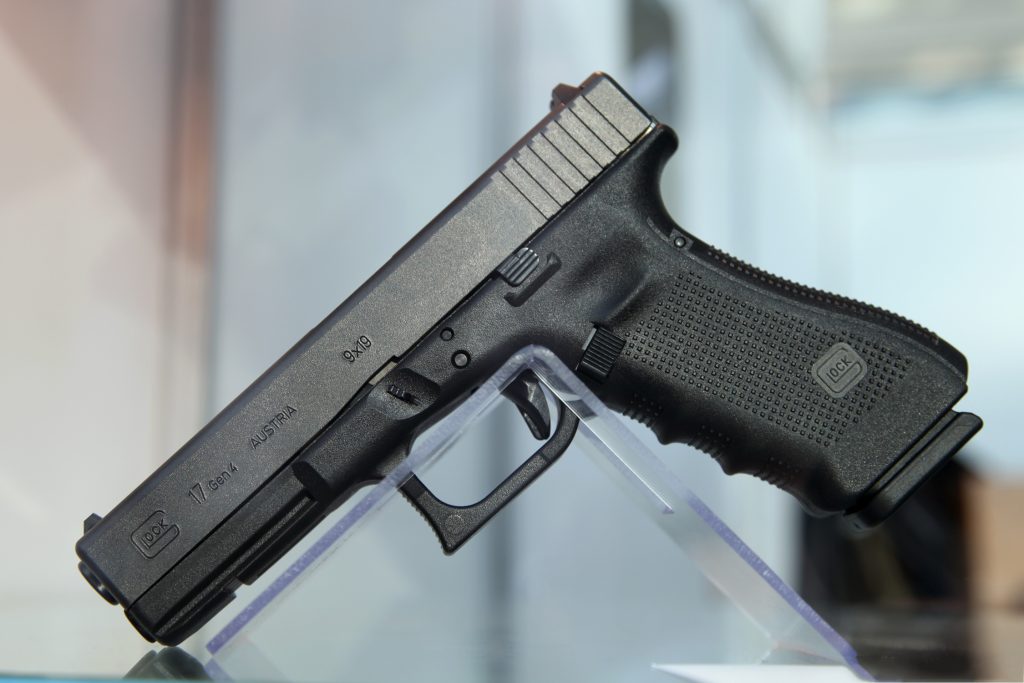
Perhaps the clearest signal in the public messaging is this idea of a new baseline line-pistols meant both to establish a core commercial offering while simplifying internal processes. In Glock’s own words, “The Glock V Series is here to establish a baseline of products while simplifying our processes.”
The named lineup also suggests what Glock believes the “spine” of the market looks like: service-size and compact 9mm staples plus a targeted set of .40 and 10mm/.45 options, with MOS variants where the demand is durable. The detail that the pistols “remain the same trusted look and performance you already know” points to a strategy focused on minimizing retraining and holster disruption, while still re-basing the commercial portfolio around a tighter set of current-production frames and slides.
4. Controversy over conversion devices forces consideration of design and compliance
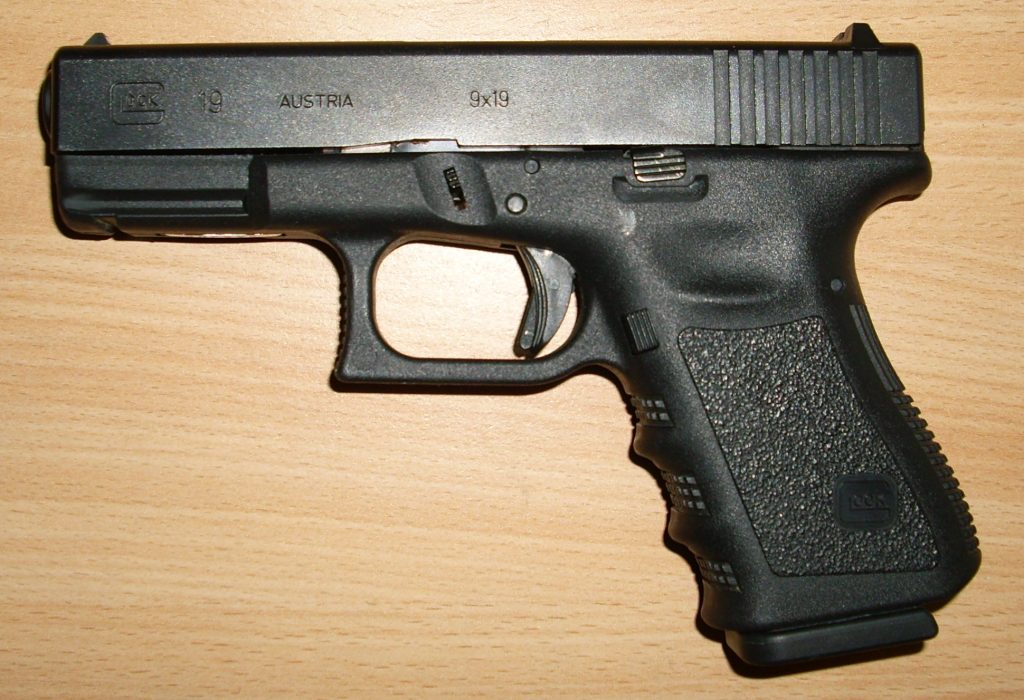
Framed as liability risk, compliance engineering, or reputational containment, conversion devices have become a necessary constraint on modern handgun design. Reference coverage describes the back-of-slide interface as the battleground, including claims that a newer variant uses a steel blocking feature where prior designs relied on polymer. It also references California’s AB 1127 and the concept of banning sales of pistols that can be converted with common tools.
For manufacturers, this type of pressure can influence how a product line is segmented and how quickly legacy variants are retired. The discontinuation wave can reduce the number of distinct commercial models that need separate compliance evaluation, separate training material, and separate parts pipelines-especially when the public conversation is fixated on a specific family of pistols.
5. Institutional demand is being handled on a different track altogether from commercial retail
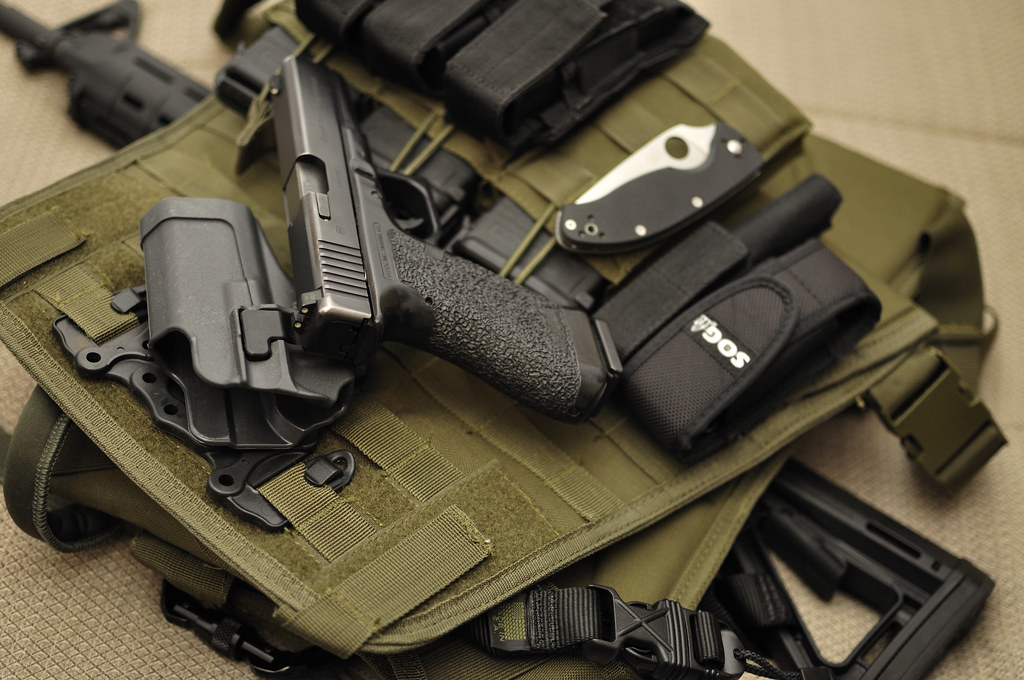
The biggest installed base for Glock is institutional, and that audience values continuity: parts, armorer knowledge, magazines, and predictable service intervals. This discontinuation wave has been repeatedly framed as a commercial portfolio decision, while service and support remain in place for older generations.
Distribution notes from the channel reinforce that separation. One dealer message says, “we will no longer be accepting any new blue label IOP or commercial orders,” while reinforcing that agency ordering continues and citing an average lead time of 180 days. That kind of split is consistent with a manufacturer redirecting capacity toward contract obligations while it retools the commercial shelf lineup.

6. The economics of the aftermarket change when “current production” disappears
The Glock aftermarket is effectively an industrial ecosystem unto itself, and discontinuations immediately re-price everything from slides and barrels to small parts and magazines-especially when several generations have been extant and in circulation at the same time. The moment a model is no longer current production, the “easy button” for replacement parts becomes less reliable, even when a manufacturer continues service support.
For parts makers, fewer active SKUs can be good news in the long run-clearer demand signals, fewer low-volume tooling runs. In the short run, though, the change tends to concentrate demand on compatibility-critical items: springs, extractors, locking blocks, and optics solutions that fit the still-dominant installed base. Collectors and certain buyers also treat discontinued variants as end-of-era purchases, pulling inventory forward and compressing supply in the retail channel.
7. A generational shift can be the real reason the old line-up needed to go
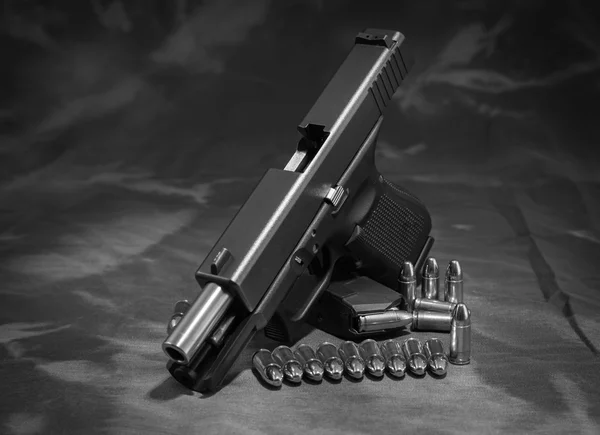
Historically, Glock’s evolution has been conservative, while reporting from the Gen 6 says that this is a much more aggressive update to the internal and ergonomics while maintaining external familiarity and broad gear compatibility. That coverage outlines direct-milled optics readiness, a new flat-faced trigger, and substantial internal changes while maintaining compatibility with magazines and sights from generations gone by. It also signals a training implication: henceforth, armorers might have to devote separate attention to newer firearms versus “Classic” ones.
When a new generation brings in enough internal divergence, the cost of keeping multiple older generations in full commercial production goes up steeply. Within that, discontinuations function less as a surprise and more as housekeeping necessary to make a new platform scale: factory capacity, parts stocking, and training are easier to manage when the company stops trying to be everything to everybody all at once. Across each of these drivers, the common thread is simplification under modern constraints: optics as standard, fewer slow sellers, clearer baselines, and product decisions shaped by both the market and the legal environment. The practical result is that Glock owners and buyers are being funneled toward a narrower set of current-production pistols while the legacy fleet stays in circulation through service support and the aftermarket.


