“Polymer-framed pistols dominate modern holsters for good reasons: low weight, low cost and consistent performance at scale. Yet steel-framed handguns keep showing up on firing lines, in training bags and in collections that could easily go “all polymer” and never look back.
The pull toward steel is rarely due to a single feature. It is in how a pistol behaves when it is shot hard, handled often, and kept for the long haul-especially when the shooter is chasing tighter splits, calmer sights, and a mechanical feel that does not get lost in the push toward lighter, cheaper, and faster-to-produce frames.
1. The extra weight that actually buys control
A steel frame adds mass where it matters-and that mass resists acceleration when the gun cycles. What that translates to in practical terms is that recoil feels slower and less sharp, making it easier to keep the sights inside an acceptable window between shots. That advantage tends to bear out more and more as higher-pressure cartridges are used and the longer the practice sessions are, when fatigue starts to magnify small handling problems.
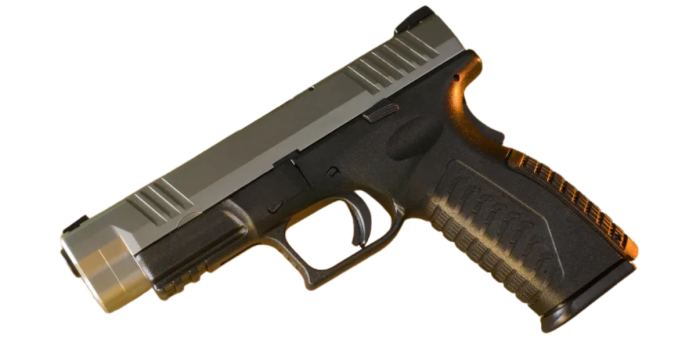
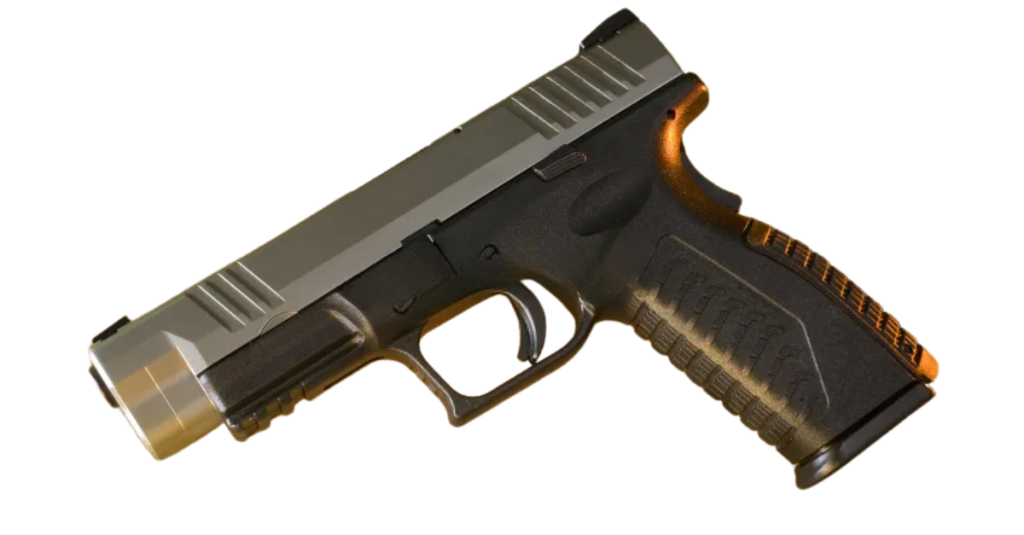
One modern example is the 42.7-oz. PDP Match SF (Steel Frame), built as a steel counterpart to a polymer match pistol. When shot side-by-side, the heavier frame reduced average muzzle rise from 12.4° to 11.1° and trimmed a 10-shot string time from 5.5 to 5.0 seconds in a simple timed drill. That kind of difference is exactly what keeps steel relevant in performance-focused builds.
2. A steadier “in-hand” balance for helping with tracking
Steel frames shift more of the weight below the slide, which changes how the gun settles during recoil. Most shooters find it easier to track the front sight- or dot-through the cycle with less top-heavy feel and to return to the same aiming reference without overcorrection.
This balance effect is not unique to the match guns. Full-size steel service pistols and steel-framed compacs will be apt to feel planted during strings-particularly when the shooter’s grip is imperfect or the cadence speeds up.
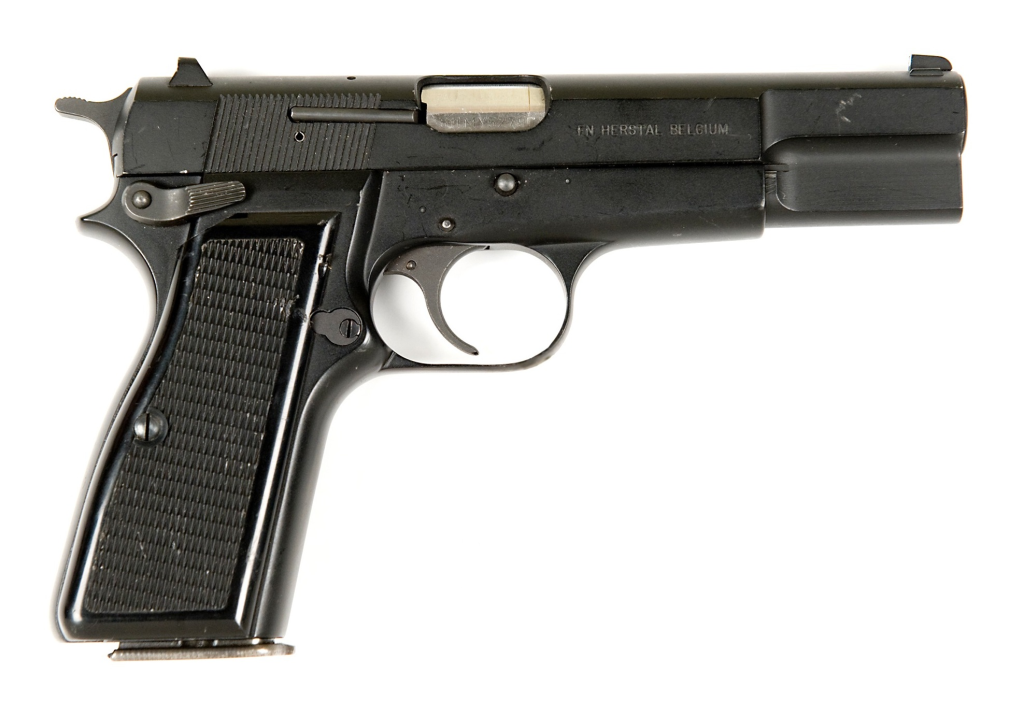
3. Iconic designs that still set the baseline
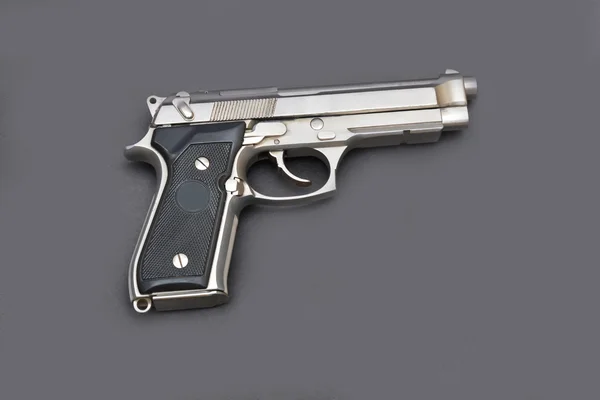
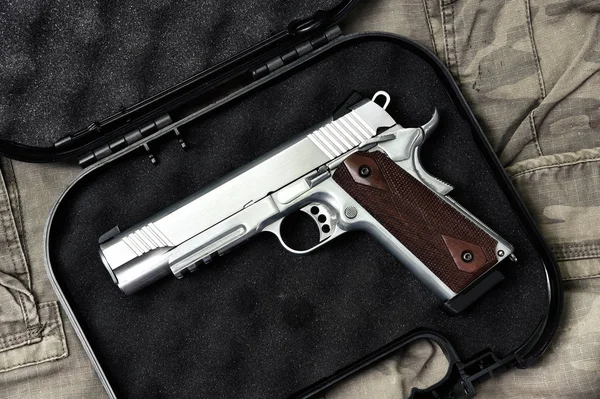
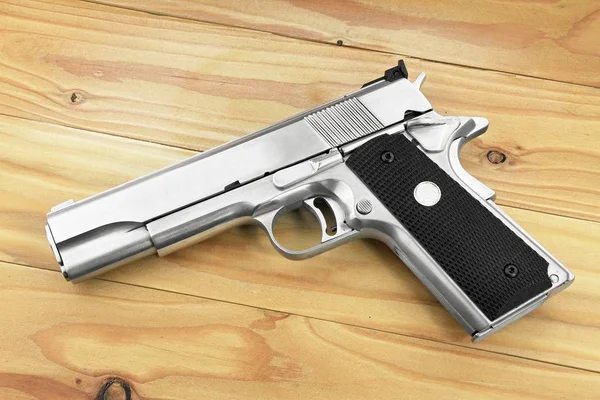
The 1911, Browning Hi-Power, and CZ-75 remain reference points because their steel architectures created shapes, trigger systems, and handling traits that have stayed competitive for decades. These are not museum pieces but rather platforms that continue to be built, rebuilt, and refined year after year because the underlying mechanical layout still works.
With the CZ-75 specifically, its ancestry includes early forged-frame examples and later cast-frame production, plus long-running sport variants designed around durability and match use. Hence, a competition-oriented version such as the CZ 75 TS is listed at 1,285 g, illustrating how “more gun” is often part of the recipe when the goal is stability over convenience.
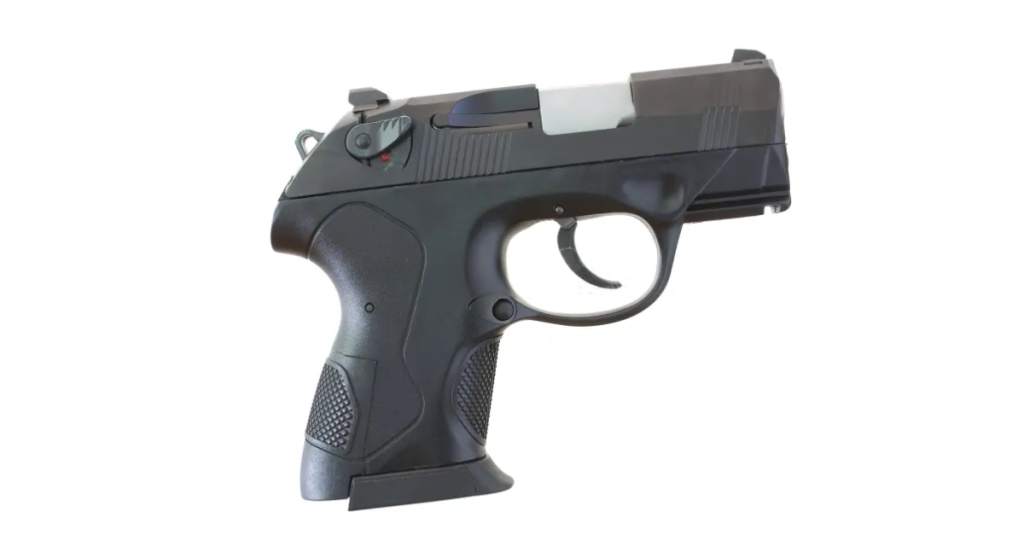
4. Thin, rigid frames which can be physically smaller
Polymer requires bulk to achieve the same stiffness targets that steel can with much less material. That can equate to slimmer frame walls and a more compact overall package, depending on how the gun is designed.
The trade-off is weight, but the packaging point matters: Steel is not automatically “big.” Where manufacturers engineer for steel from the start, the result can be a handgun that carries surprisingly flat relative to its capacity and shootability.
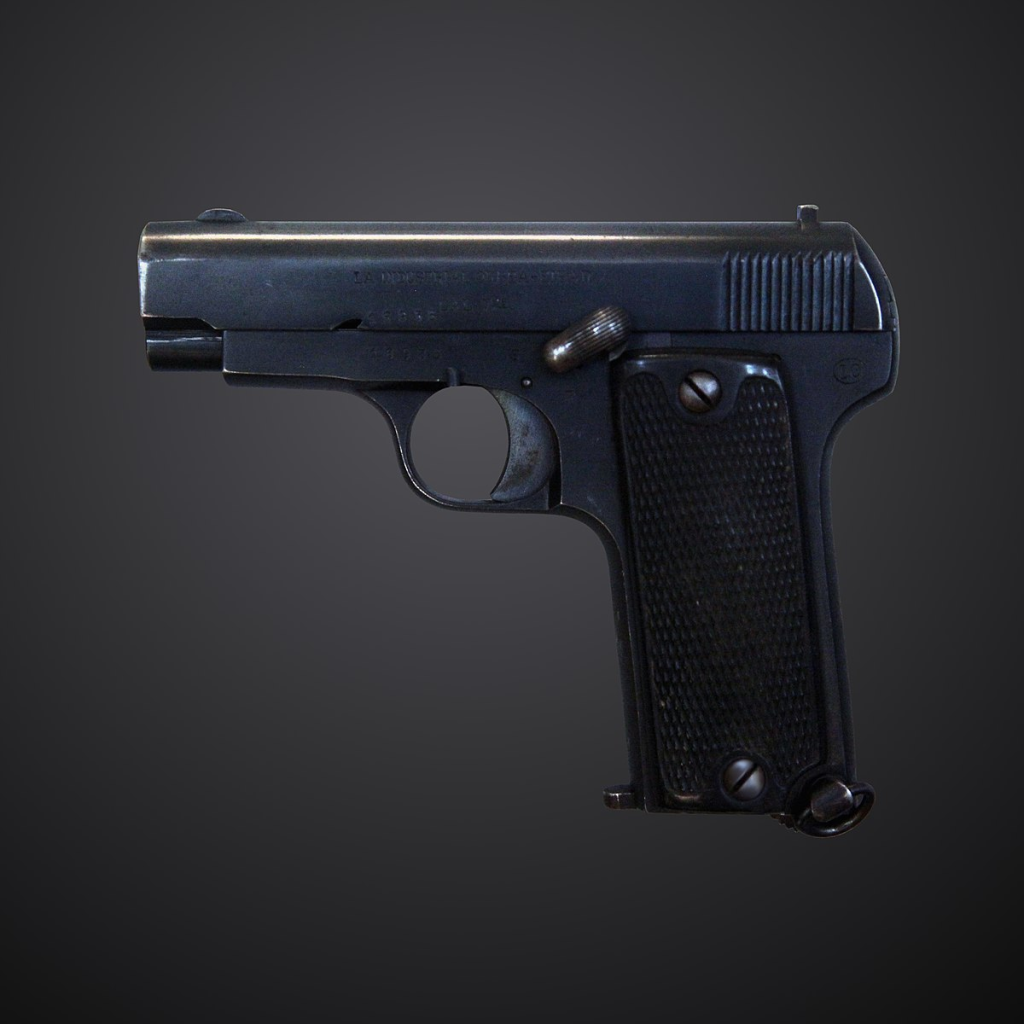
5. The slide-to-frame feel that remains consistent
Done well, tolerances for bearing surfaces of steel-on-steel can yield a repeatable smooth cycling sensation. That “runs on rails” feeling is not only comforting, but the consistency of lockup and cycling feedback helps shooters more easily diagnose grip, timing, and recoil management during practice.
Contrarily, polymer-framed pistols rely on embedded metal rails and controlled flex. They can be very reliable but their tactile feedback tends to be different; often less “mechanical” and more “springy,” especially in lightweight compacts.
6. Heat tolerance in high-volume range use
Extended drills, classes, and match days mean that the frames and rails go through repeated thermal cycling. Steel absorbs and distributes heat differently than polymer, and it tolerates localized heat without softening. While the slides and barrels absorb most of the firing heat, it’s the frame that holds up to the repeated use and maintains dimensional stability to support consistent function and feel.
That is one of the reasons that steel-framed pistols remain common in the disciplines where round counts come in long strings and the gun is expected to behave the same at the end of the day as it did at the start.
7. A platform that invites long-term maintenance and tuning.
Steel-framed pistols often support traditional fitting work: refitting safeties, tuning extractors, setting up triggers, and refinishing. Not that every owner should modify a defensive gun, but it does mean the material and construction are friendly to repair and restoration when the goal is service life.
High-mileage pistol ownership is often more about routine replacement of wear parts than “wearing out a gun.” One overview with a durability-oriented bent says most shooters view spring changes as normal lifecycle maintenance and describes recoil springs being swapped at intervals that can vary widely by preference and use.
8. Cosmetic wear is easier to interpret
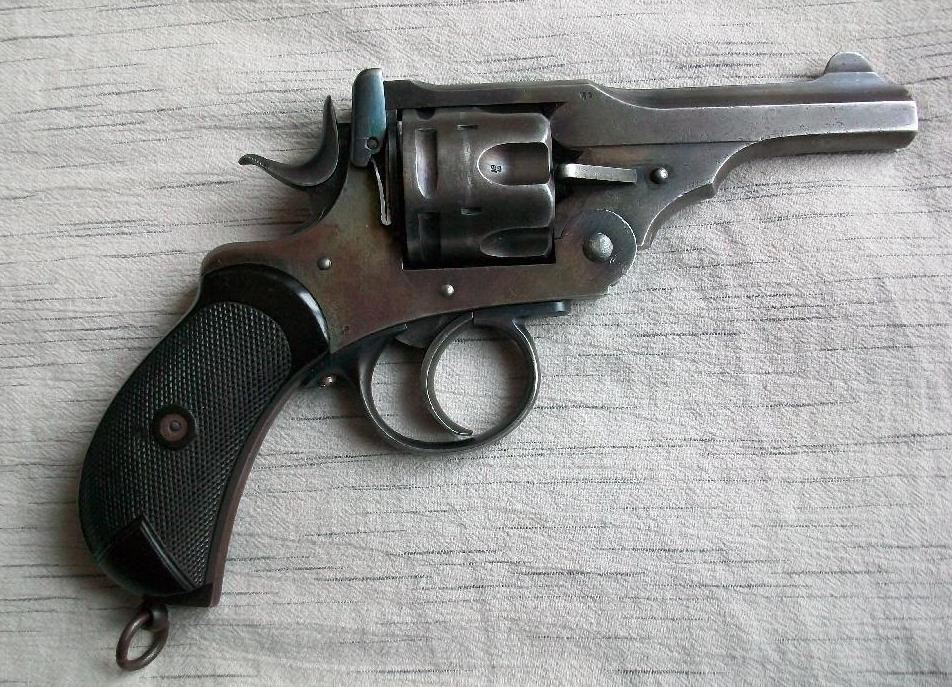
steel tends to show honest edge wear, holster polish and finish thinning in patterns that are familiar to most owners: those marks are legible – they suggest contact points and carry habits more than they do structural degradation.
Polymer can also age well, but its wear often reads differently: glossing, scuffing, and surface burnishing look abrupt even when nothing functional is happening. On steel, the “what changed?” story is often clearer at a glance.
9. Confidence with higher energy loads and heavy training schedules
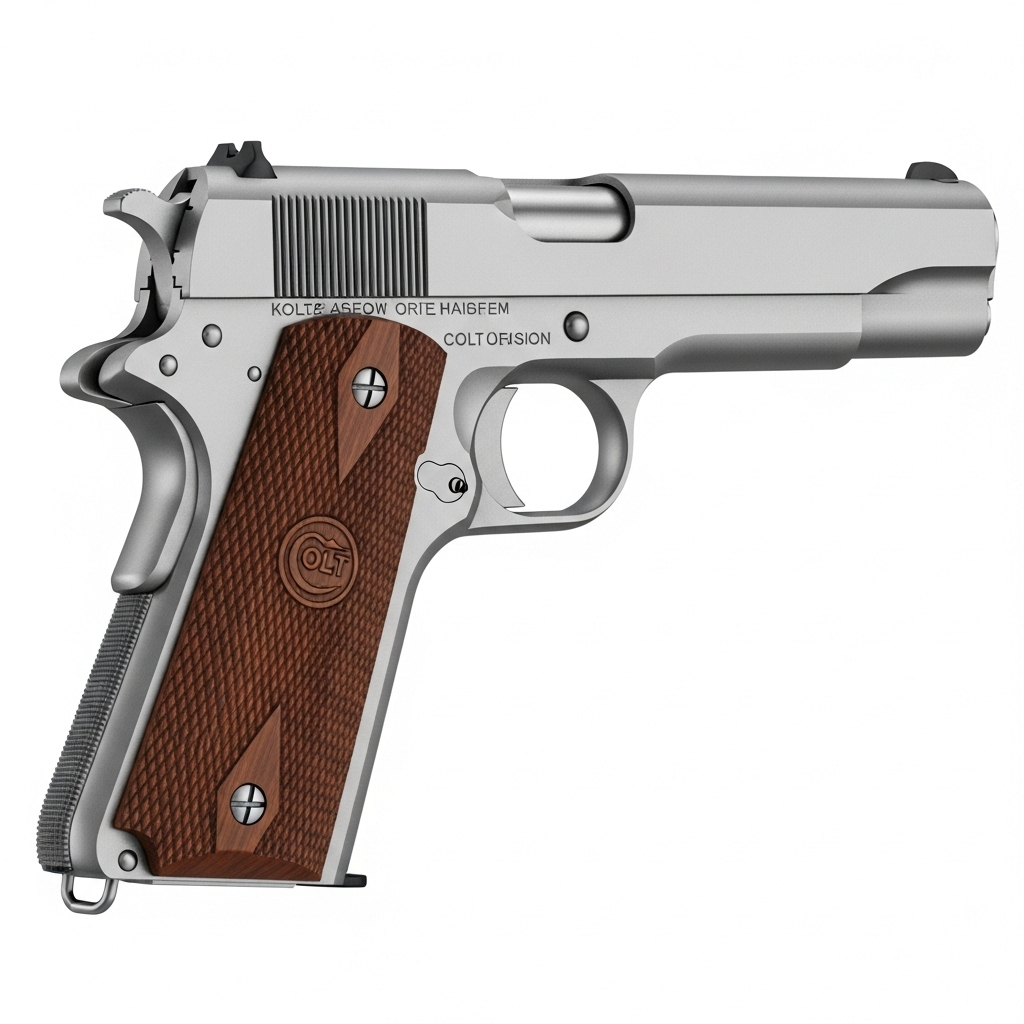
Some shooters move to steel when recoil impulse and pressure, along with training volume, go up. The stiffness and mass of the frame can make hot loads more manageable and can keep the gun feeling stable as grip strength fades over a long session. This does not make polymer “weak.” It reflects a practical equipment choice: when the shooter’s priority is speed and repeatability on demand, a heavier, stiffer frame is an easy way to stack advantages without changing technique.
10. A track record spanning generations of use
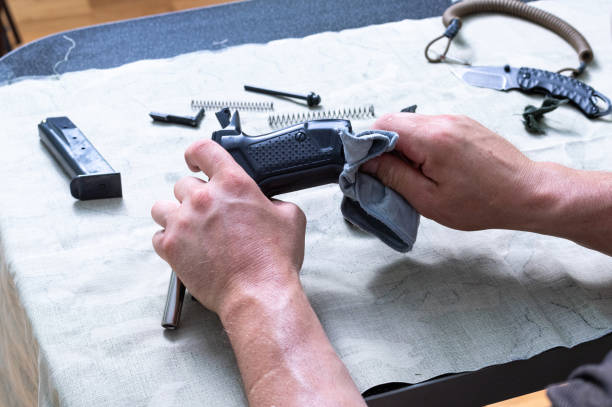
Institutional and competitive history with steel-framed handguns goes back decades, and that counts with owners who keep pistols for life rather than by product cycle. Long service life is often less dramatic than people expect. A high-round-count perspective on pistol longevity emphasizes that frame and slide cracking are uncommon in reputable modern designs, and that most functional issues show up first in replaceable parts like springs and magazines, not in the frame itself. That durability narrative is part engineering, part culture: steel guns are commonly treated as long-term equipment. They get maintained, rebuilt, and handed down because the underlying material and construction reward that kind of ownership. Both succeed for different reasons and both belong in the modern design of the pistol. The advantages of polymer are hard to ignore in carry comfort and manufacturing efficiency; steel keeps on delivering measurable benefits in recoil behavior, heat tolerance, long-term serviceability, and that intangible but real “mechanical confidence” many shooters feel on the line. For real use, it is rarely about a spec sheet. It is how a pistol behaves when it is shot fast, shot often, and kept for years.


