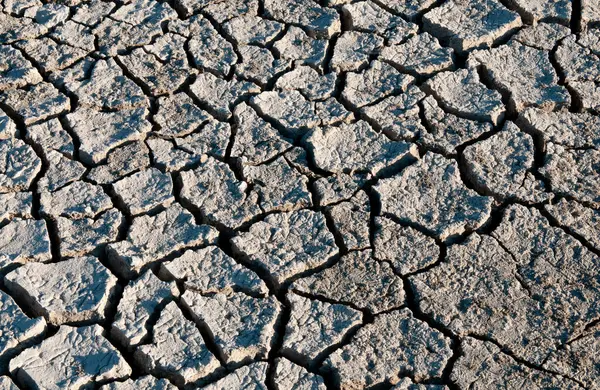
Continental freshwater loss Continental freshwater loss has become larger than ever before:Continental freshwater loss Continental freshwater loss has become historic: 11.4 trillion cubic feet of water disappear annually, a volume equal to the daily consumption of 280 million people. This is the so-called continental drying, which has been found to be the top cause of sea level rise on Earth, even more than the combined meltwater of Greenland and Antarctica. The combination of satellite gravimetry, high technology hydro modeling and precision agriculture technologies is coming together to expose the drivers, the effects and solutions to this planetary crisis.
1. GRACE Satellite Technology Mapping of the Crisis
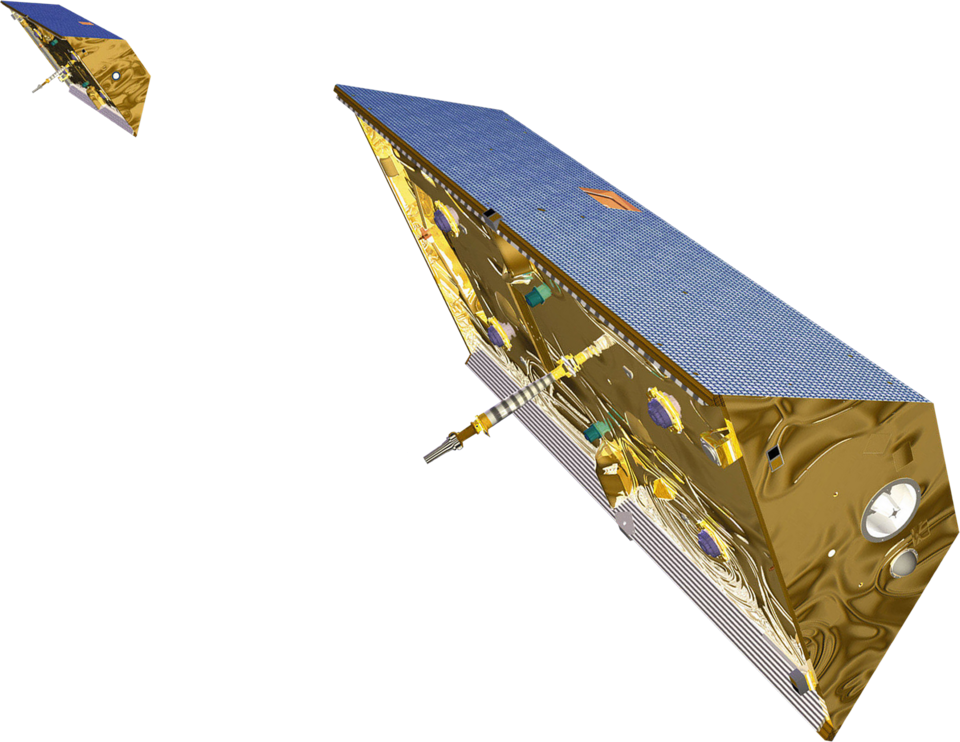
Gravity Recovery and Climate Experiment (GRACE) and its successor, GRACE Follow-On, are the backbone to continental drying research. The two satellites are twin satellites that identify minute variations in the gravity field on Earth, which are brought about by the movement of water mass. The 22 years of statistics indicate that the drying areas are increasing by an area of 831,600 km 2 in a year which is approximately twice the size of California. This has enabled scientists to identify losses in ground water, soil water, snow and surface water and can provide a resolution to the scale of the basin. This accuracy allows water administrators to monitor hotspots of depletion on a real-time basis, both in the North China Aquifer System and in the Central Valley of California.
2. Over-Extraction of Groundwater: The Major Force
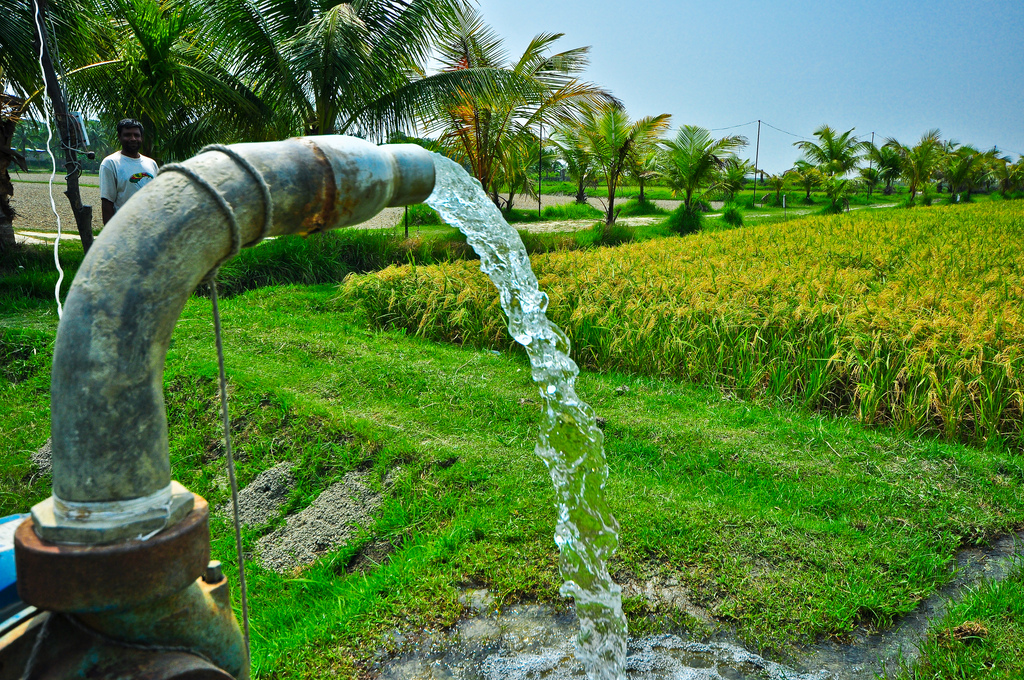
GRACE data indicate that depletion of ground water results in the loss of non-glaciated terrestrial water storage in 68 percent. Ninety-eight percent of the water footprint on the planet is in agriculture, and in dry areas, over-pumps of the aquifers have become a default position in relation to low rainfall and melting snow. Unregulated, aquifers like the Ogallala in the U.S. High Plains and the Indus Basin in South Asia experience a decline on a human scale that is irreversible. High energy price countries are more likely to have a low rate of depletion, whereby the pumping costs become the measure against excessive exploitation.
3. AI-Driven Irrigation Efficiency
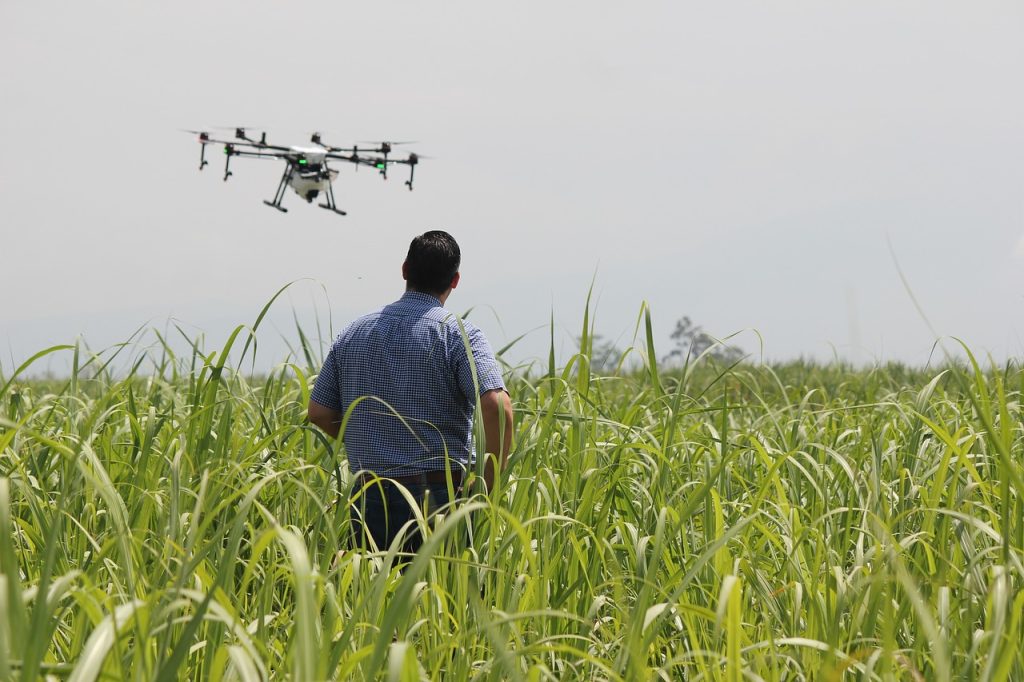
Remote sensing and artificial intelligence are changing the management of irrigation. With the combination of satellite soil moisture data and models such as UNet-ConvLSTM, scholars can predict the water needs of crops with an RMSE of up to 0.298 on worldwide scales. These systems automatically change their irrigation times, which saves up to 26% of wastage of this technique. In other places such as the Middle East and North Africa where the water scarcity is extreme, AI-based precision agriculture can transform the efficiency of water use to the median levels- something that can potentially release sufficient water to feed 118 million people in a year.
4. Virtual Water Trade: Raise and Razes
Virtual water trade Dynamics Virtual water trade is the exchange of goods that are water intensive and with this exchange, the demand can be shifted out of drying areas. Such trade saved 475 billion cubic meters of water each year between 2000 and 2019, approximately 9% of the amount of water utilized on the 35 most significant crops globally. However, mismanaged exchanges may increase depletion in other places. In one instance, alfalfa that is cultivated in Arizona to be exported to Saudi Arabia depletes the local aquifers to the advantage of the importer. A composite index of water scarcity, which is a combination of physical and economic measures of scarcity, demonstrates that 39 per cent of the virtual water flows between more and less-scarce countries are traded, which explains why fairness in trade policy is necessary.
5. Water supply expansion engineering
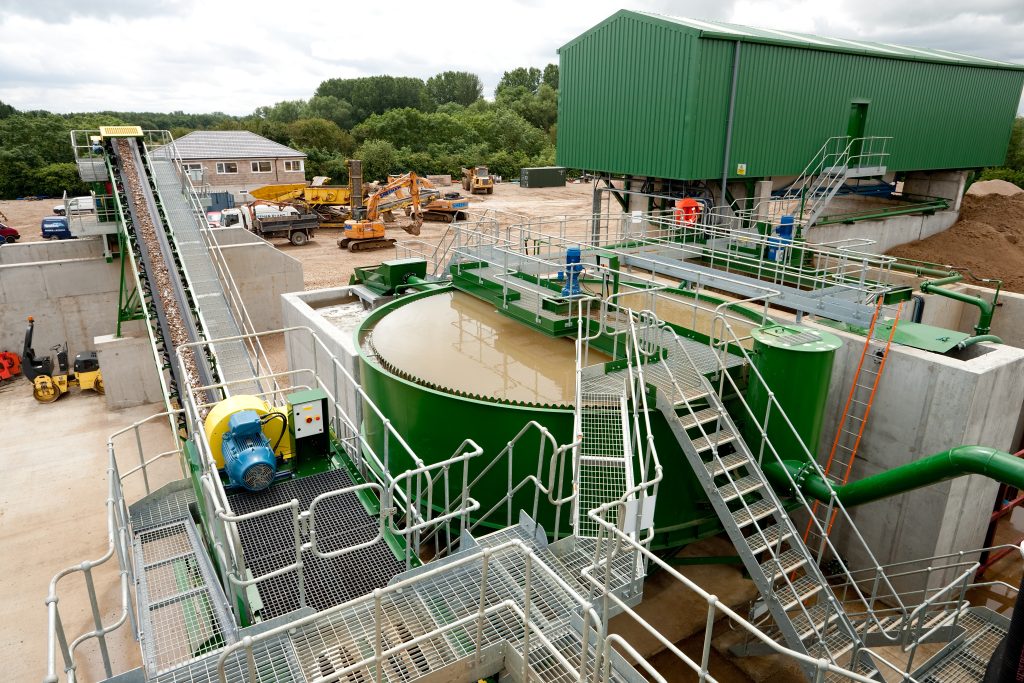
The need to offset the losses is important on desalination and recycles of water. Developments in low-cost renewable-driven desalination help cut down on operation costs and membrane bioreactor systems are able to recycle wastewater to agricultural purposes. In Israel, over 85 per cent of the irrigation supply is already met by treated wastewater. Building such systems around the world would not only increase the amount of water available on a global scale (hundreds of billions of cubic meters) but in the arid areas around coastal areas.
6. Extremes and Compounds of Climate.
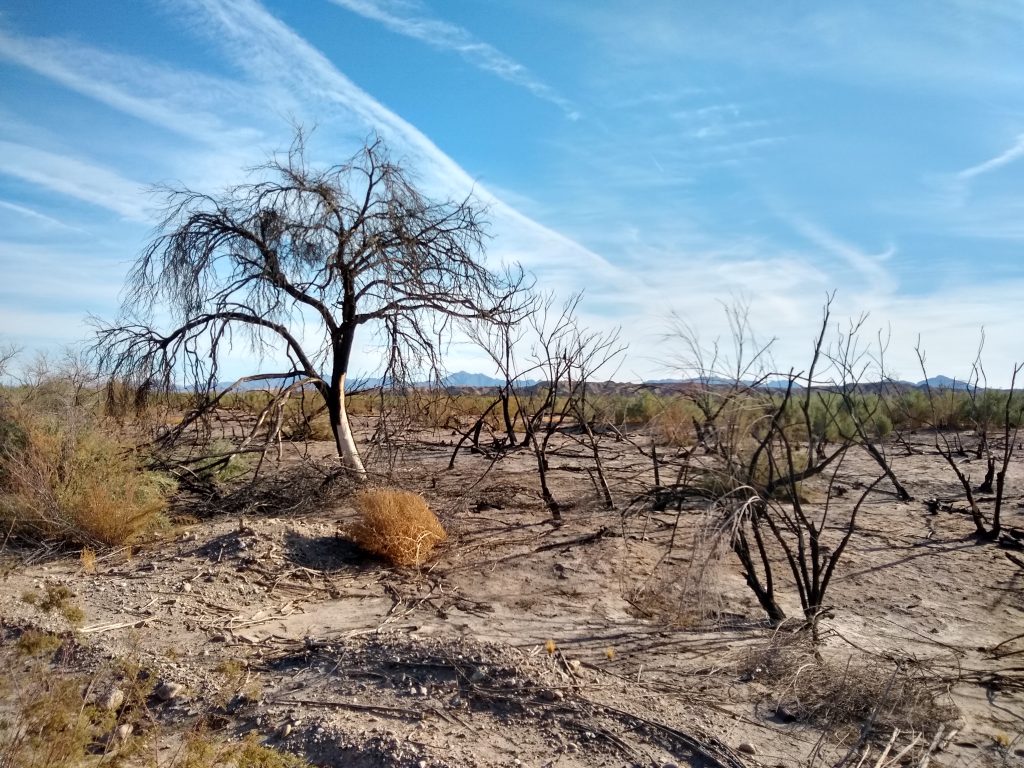
Continental drying increases the risk of wildfires, particularly in areas of biodiversity hotspots 17 of 36 hotspots throughout the world are currently under increased threat of fire. In some forest types, compound drought-wildfire events decrease gross primary production (GPP) by as much as 35 percent, and is twice as strong as drought. Engineering solutions involve combining forecasts of drought with fire management systems, using fuel moisture sensors, and preparing flexible land-use strategies to cushion the ecosystems against the concurrent risks.
7. Policy and Allocation Structures
Similar, countries that have well-developed integrated water resource management have a two to three times slower depletion of freshwater compared to the non-integrated ones. Water rights are characterized by effective systems of allocation, are inclusive of environmental flow requirements and are free of inflexible transfers across sectors. Transboundary cooperation is necessary in common basins such as the Mekong or the Nile where withdrawals upstream have a direct impact on downstream availability.
8. Social Economic Implications and Adaptation
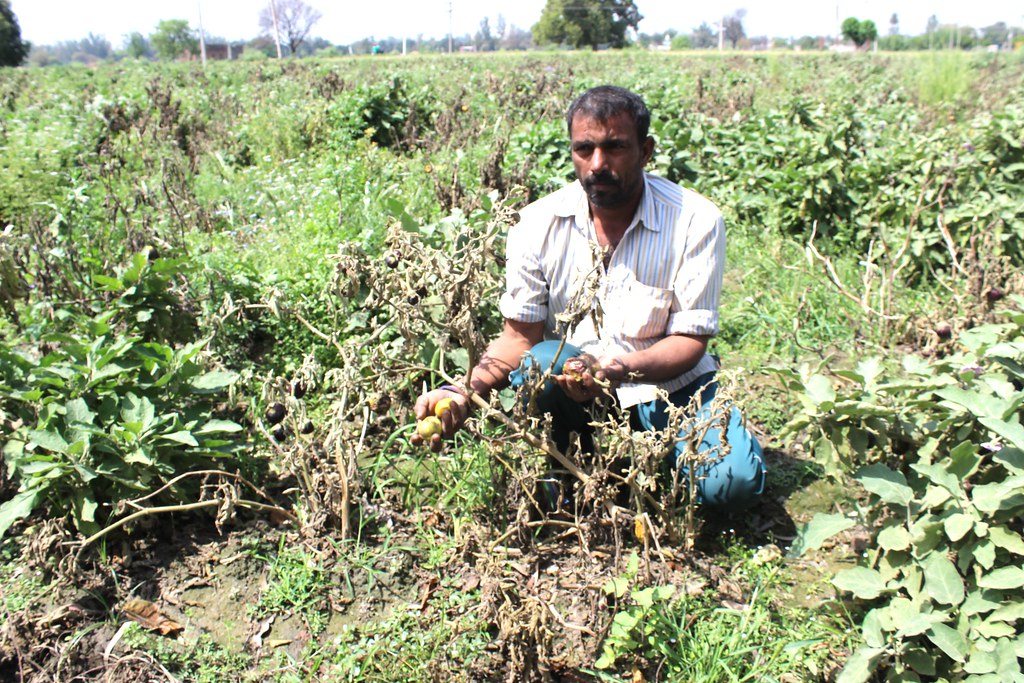
Due to droughts in Sub-Saharan Africa, the drying up takes away 600,000-900,000 jobs per year, and landless farmers lose 14% of their employment with each instance. The solutions that have to be engineered should be accompanied by socioeconomic adjustment: creation of more non-farm jobs in rural areas, linking communities to markets, and investing in drought-resistant crops. Such actions decrease reliance on susceptible water-intensive agriculture.

9. The way to incorporate Technology in Global Water Strategy
The data create a three-pronged solution that consists of controlling demand with pricing, regulations, and AI-based optimization of irrigation; increasing supply due to desalination and recycling; and streamlining allocation through a legal and institutional system. With the integration of GRACE tracking, AI forecasting, and fair trade into such strategy, water managers will be able to decelerate the pace of continental drying and reserve the resources to be used by the future generations.
Growing water storage on the earth is provided a way out by the convergence of satellite hydrology, machine learning, and engineered water systems. As continental drying is now a significant contributor to sea level rise due to the actions of the mass, the urgency is obvious: the policy action should be equal to the technical innovation to prevent a new bankruptcy of the freshwater.


