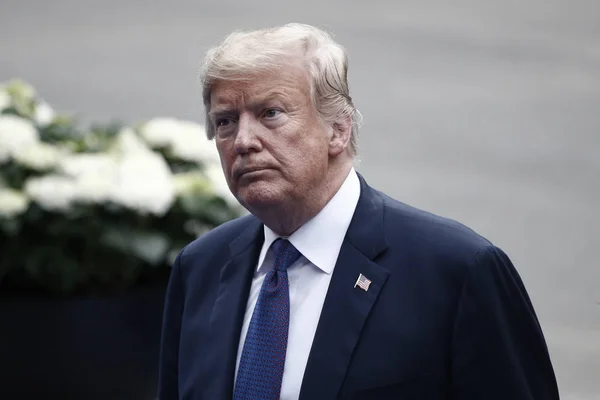
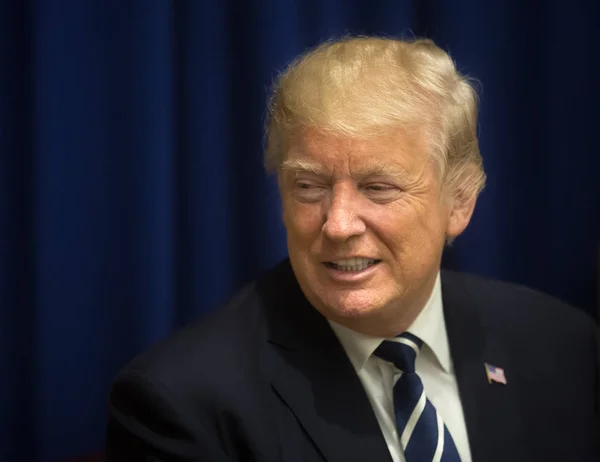
“We’ll knock the hell out of them.” With that blunt declaration alongside Israeli Prime Minister Benjamin Netanyahu, President Donald Trump set off renewed debate over how far Washington and Jerusalem will go to counter Iran’s rebuilding of military and nuclear capabilities. It wasn’t just rhetoric – it came after months of intelligence reports, battlefield assessments and uneasy signals from Tehran.
This is against the backdrop of an explosive Middle East, where the June 12-day war between Israel and Iran saw depleted missile stockpiles, ruined nuclear facilities, and frayed diplomatic channels. But analysts caution that rearming capacity, adapting, and avenging is well and truly formidable as far as Iran is concerned. For watchers of defense, the question is not whether another confrontation is possible but how it will occur and what strategic factors will define it.

1. Iran’s Ballistic Missile Rebuild
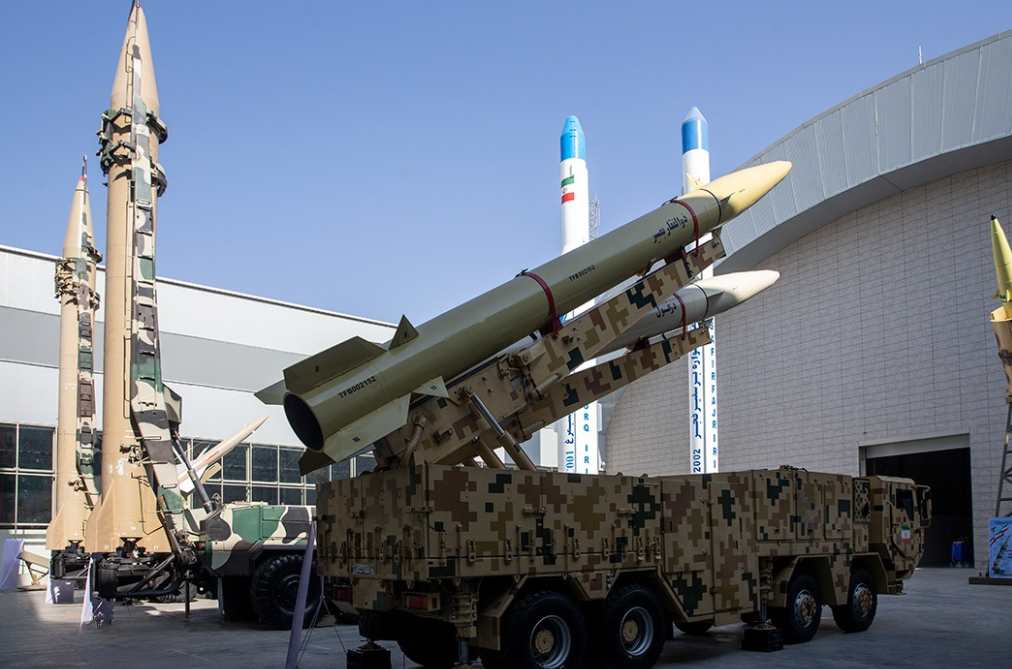
Israeli intelligence and Western sources began tracking shipments of sodium perchlorate from China to Bandar Abbas back in September – a key ingredient for solid-propellant missiles. Some reports have suggested that Iran could achieve production rates as high as 3,000 missiles a year, although experts like Tal Inbar caution this figure is exaggerated. But satellite imagery does show that damaged missile-production facilities were being repaired-an indication the Iranian ballistic missile program remains active. Publicly, Iranian officials such as the Armed Forces Spokesman Abolfazl Shekarchi brag that production lines “have not been shut down for a moment” since the war. This level of persistence signals a determination on Tehran’s part to keep a deterrent capability credible despite heavy losses.
2. The Stress on the US and Israeli Missile Defenses
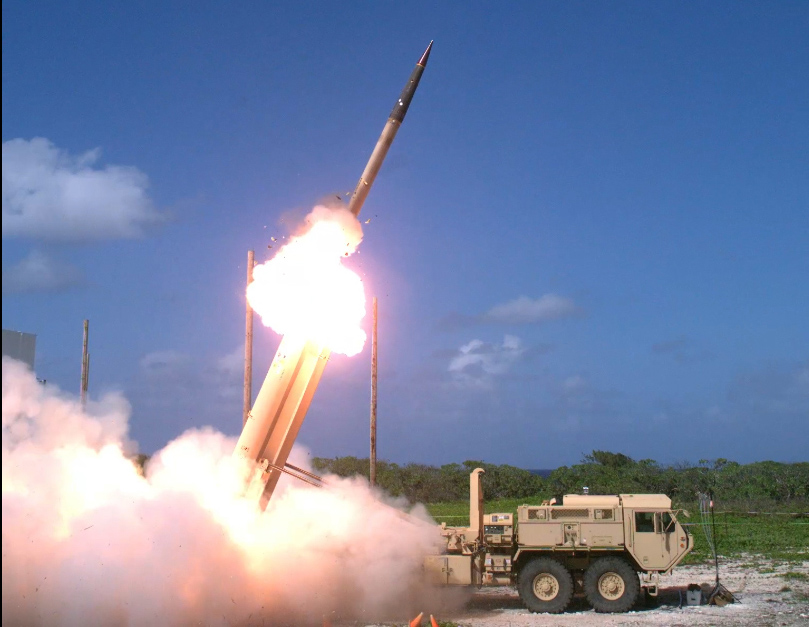
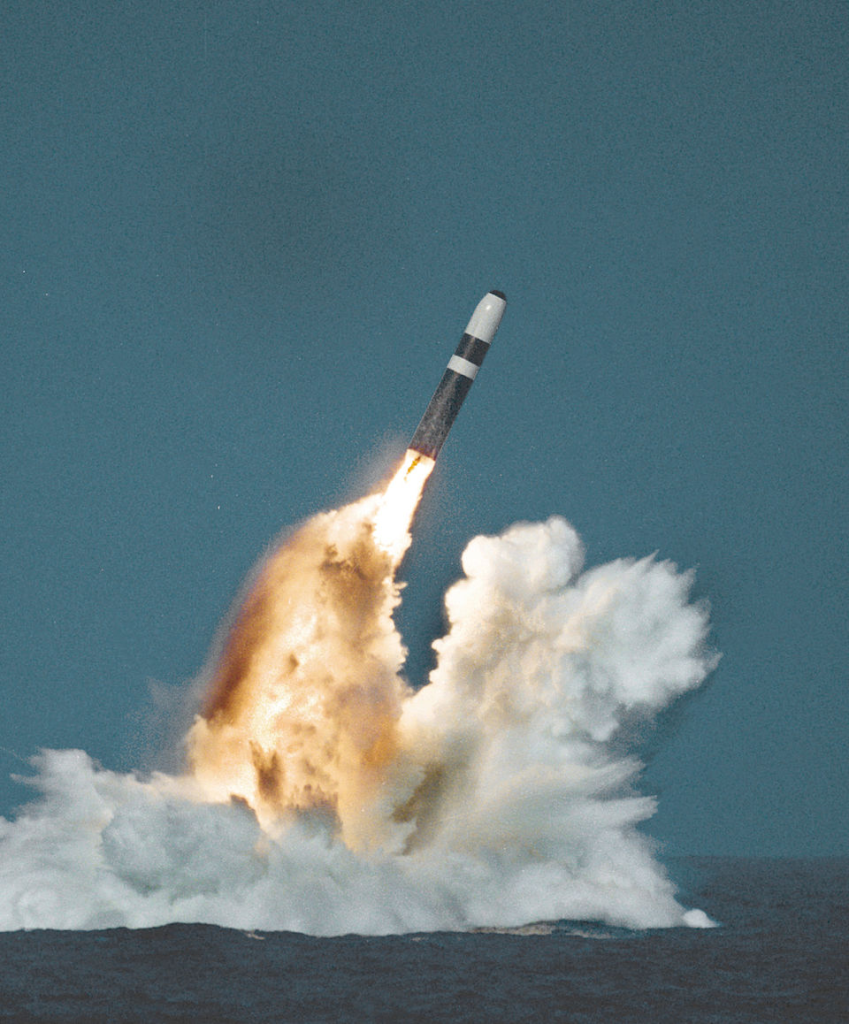
The fighting in June underlined a prime vulnerability: interceptor stocks. U.S. forces fired 100 to 150 THAAD missiles, which cost $12.7 million apiece, plus 80 SM-3 interceptors, wiping out about a quarter of America’s THAAD stock. According to Ari Cicurel of the Jewish Institute for National Security of America, “we are still very far behind in replenishing” those stocks. Production bottlenecks mean less than 20 THAAD interceptors are built each year by Lockheed Martin. This imbalance – missiles can be built faster than interceptors – could leave Israel and the U.S. exposed in a sustained, high-intensity exchange.
3. Mixed Signals from Tehran
In December, one IRGC-affiliated outlet reported nationwide missile tests supported by videos showing contrails. Iran’s state broadcaster quickly denied the tests, attributing the footage to high-altitude aircraft. That suggests either botched trials or internal adjustments for decentralizing missile operations, analysts say. Such cross-messaging is, of course, frequent in Iran’s hybrid political system; the nuance makes for nuanced threat assessments. Whether these were technical assessments or strategic demonstrations, they revealed preparations for future conflict.
4. Nuclear Facilities Under Siege
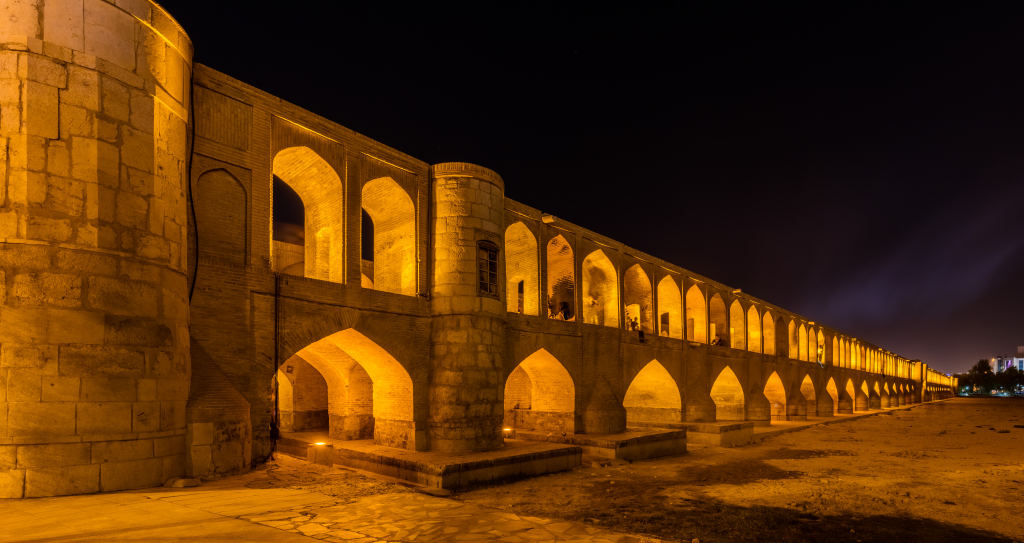
This June’s strikes reached Fordow, Natanz, and Isfahan, with the U.S. flying its biggest conventional bomb into Fordow’s deeply buried site. They have killed at least 14 leading nuclear scientists-a serious blow to Iran’s tacit technical knowledge base. The most recent strike caused extensive damage to the Isfahan complex, crucial for converting yellowcake into uranium hexafluoride. Although activities in these facilities have come to a halt, this underground infrastructure and likely a third enrichment facility near Isfahan has not been destroyed. Also unknown is the fate of the 400 kg of 60 percent enriched uranium produced by Iran, which develops a significant proliferation risk.
5. Contested Outcomes of Strikes
Trump claims that the strikes “obliterated” Iran’s nuclear program, but U.S. and Israeli officials estimated one to two-year delays. According to IAEA Director General Rafael Grossi, enrichment could be resumed in a matter of months considering Iran’s industrial capacity. According to Newsweek, this warning by Grossi stands in tune with a classified analysis carried out by the Defense Intelligence Agency, which said, “the centrifuges remain largely intact and enriched uranium stockpiles were not confirmed destroyed.”
6. Potential for Nonconventional Warheads
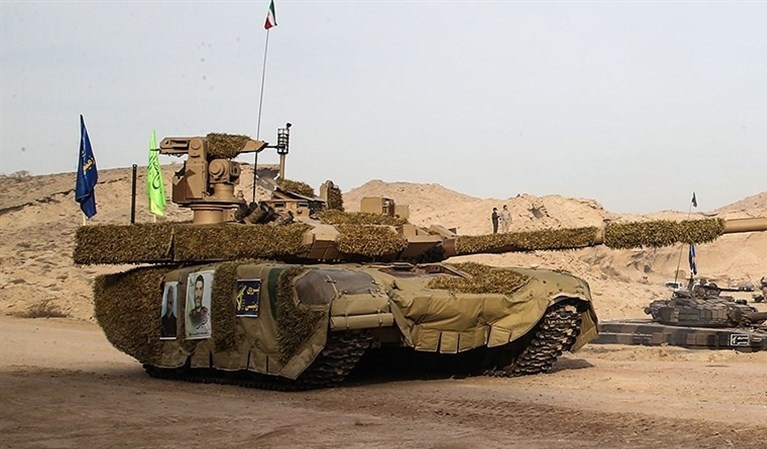
An Iran International Exclusive : IRGC engineers are designing the chemical and biological warheads for ballistic missiles, which-if true-would mark a dangerous escalation in what has until now been limited to conventional explosives. Until now, Iran-a signatory to the Chemical Weapons Convention-has denied seeking such arms, but the redeployment of some of its missile assets and the investigation into unusual warheads in recent years point to this capability providing flexibility.
7. Iran’s Proxy Network
The challenges of Iran’s regional allies go beyond direct confrontation. Hezbollah continues to engage in low-intensity conflict with Israel, and Houthis in Yemen have proved capable of launching long-range missiles toward Israeli territory. Then, of course, there is the threat of ballistic missiles by the Houthis, “may even surpass Iran’s soon,” Cicurel warns, adding yet another layer to Israel’s defense calculus.
8. Domestic Pressures in Iran
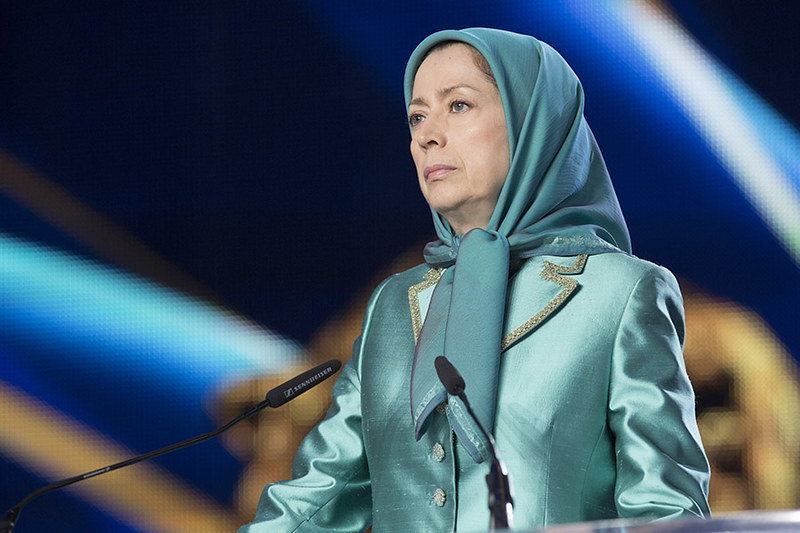
Economic turmoil is fueling unrest inside Iran. Inflation has hit 52.6% year-on-year, the rial has collapsed to record lows, and merchant strikes have spread across Tehran’s commercial districts. These pressures could restrain Tehran’s military spending-or, quite on the contrary, drive hardline responses in a bid to rally nationalist sentiment. Maryam Rajavi of the NCRI framed these protests as a renunciation of political repression that might have implications for Iran’s strategic decision-making.
9. Impasse Diplomatique
After the attack, Iran’s parliament passed a law banning cooperation with the IAEA unless its NPT rights are guaranteed, and after it accused the U.S. of having “betrayed diplomacy mid-negotiation,” the negotiations came to a halt. Mr. Trump’s team has floated a model like the UAE’s nuclear agreement – total forgoing of enrichment-but Iranian leaders say their nuclear rights must be respected. Without inspections or trust, the risk of covert rebuilding mounts. The strategic picture that emerges from Trump’s warning is incredibly complex: Iran’s missile and nuclear capabilities have been damaged but not eliminated, its defensive posture is changing, and its proxies remain active.
For U.S. and Israeli planners, the challenge will lie in balancing military readiness with diplomatic engagement in an environment where intelligence is contested and timelines are uncertain. Whether the next move is deterrence, negotiation, or preemption, the stakes in this evolving confrontation remain extraordinarily high.


