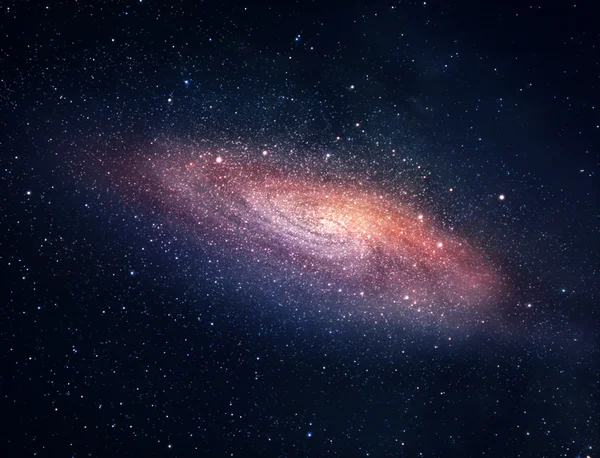
“Are we alone in the universe?” It is a question that has fueled scientific research for decades. In recent years, discoveries in astronomy and astrophysics are bringing about groundbreaking insights into life formation, planet evolution, and the destiny of the universe. Ranging from communication signals from deep space that might, incidentally, betray the presence of Earth, or from exotic planets that are undergoing radical transformations, scientists are beginning to reconstruct an ever more complete portrait of mankind’s place in the universe.
Such findings are not only re-writing the textbook on extraterrestrial prospects, but also challenging long-held beliefs about the history of the cosmos. The following nine categories highlight some of the most fascinating and relevant issues, each bringing a fresh perspective on the exploration of life beyond Earth and the forces of nature in the universe.
1. The Accidental Radio Messages from Earth to the Stars
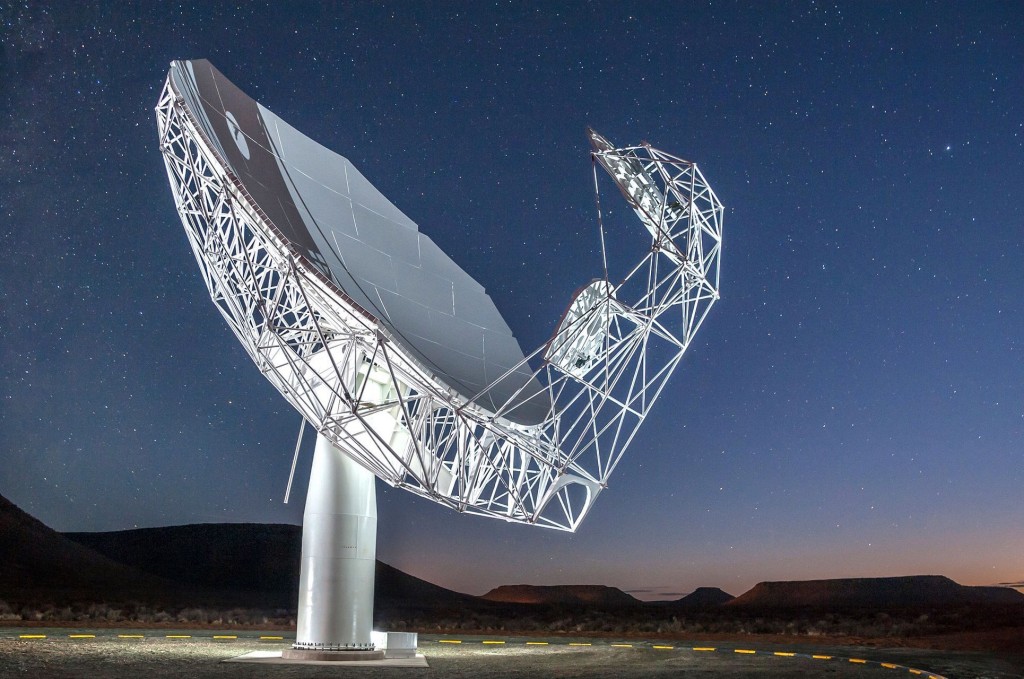
Analyses of the NASA Deep Space Network have shown that the strongest radio communications from Earth, directed towards missions close to the Martian region, have a significant spillover effect, extending far past the intended destination. According to a study by Penn State’s Pinchen Fan, if a alien civilization were in a position to detect the alignment of the Earth and the planet of Mars, there is a 77% probability of detecting our signal. This is a probability range of orders of magnitude higher than the random probability of signal intercept. Room for improvement in SETI research has been proposed to exist in systems which line up edge-on to our solar system.
2. The Most Eccentric Planetary Orbit Ever Found
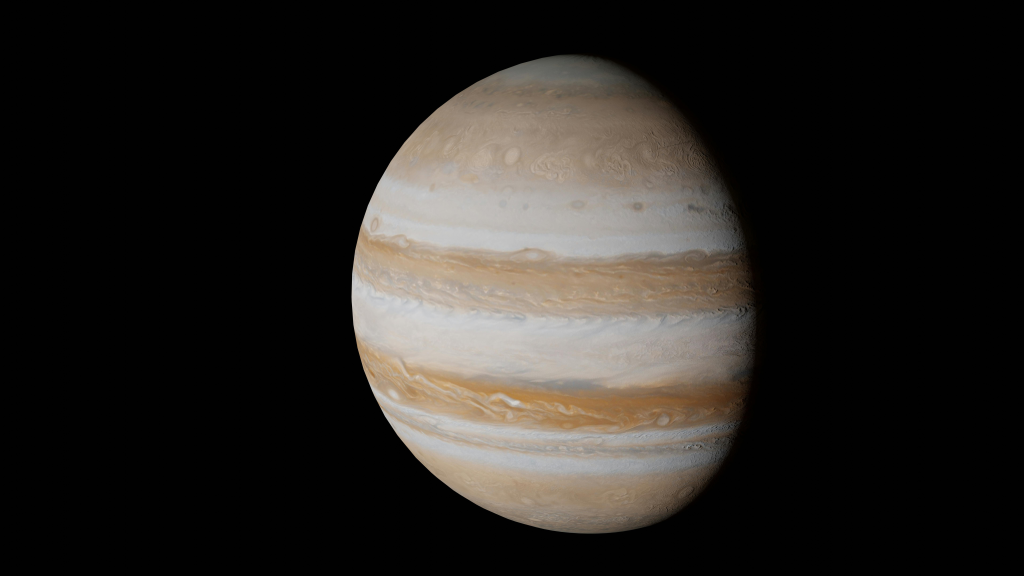
TIC 241249530 b is an enormous Jupiter-like planet found to have the elastically longest orbit, ranging from well inside the orbit of Mercury to well past Earth and taking one orbit of the star in 167 days. Its retrograde, or reverse, orbital motion, or the orbit in the opposite direction from the rotation of the star, is indicative of extreme orbital interactions in a binary star system. Computer modeling of the planet predicts it to migrate toward the star in an eccentric orbit cycle and become a hot Jupiter in about a billion years, forming what is known as a “progenitor.”
3. Hot Jupiters with Titanic Helium Tails
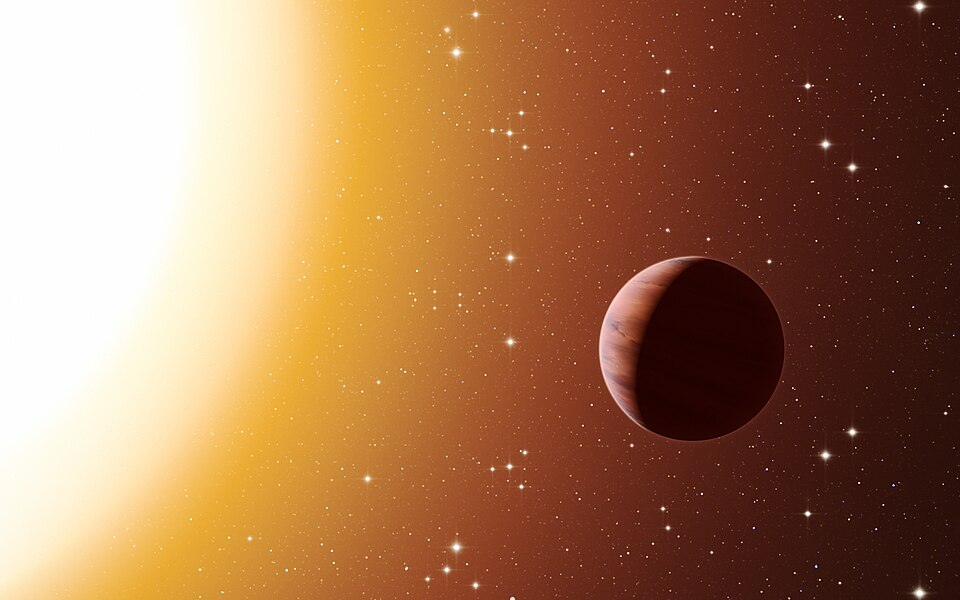
In the case of exoplanet HAT-P-32 b, the rate of atmospheric loss is so high that it creates huge helium tails measuring 53 times the planetary radius. Observations done with high-resolution spectroscopy depict both the front and rear sections of gas of the escaping planets, which was confirmed by three-dimensional hydrodynamical models of planetary evaporation. It would take tens of billions of years to remove the atmosphere of the exoplanet at its estimated rate of evaporation of 1.7 x 10 14 times the solar mass per year.
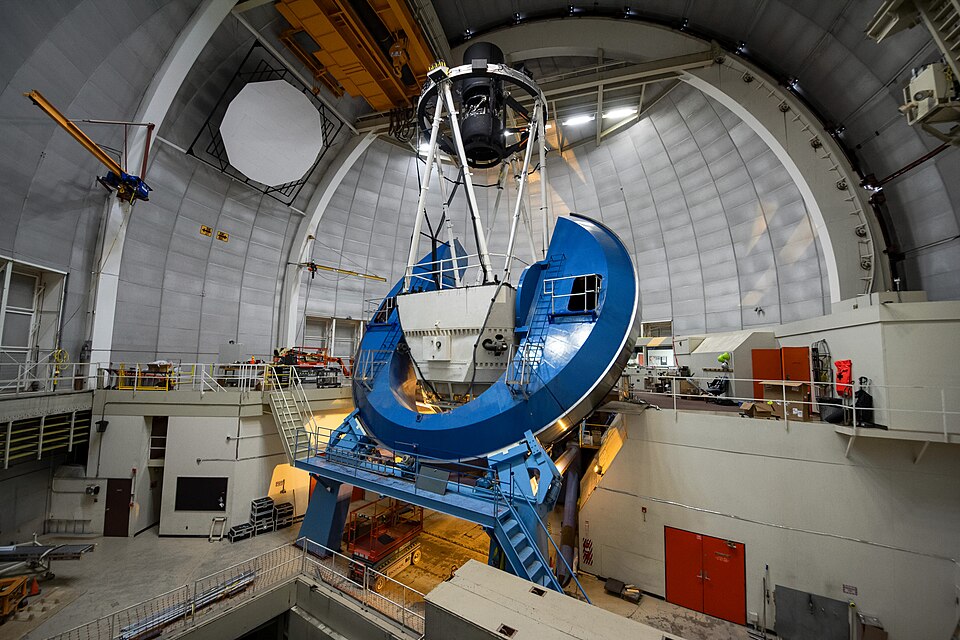
4. Mapping the Universe in 3D
The Dark Energy Spectroscopic Instrument (DESI) has created the largest 3D sky map to date, surveying millions of galaxies and quasars out to a third of the sky. By analyzing how much this light has been stretched by the universe’s expansion, DESI can track the history of this expansion. Additionally, it can verify Albert Einstein’s general relativity theory on large distances. DESI has already found “rare” phenomena like red quasars that can be used to test theories of galaxy evolution.
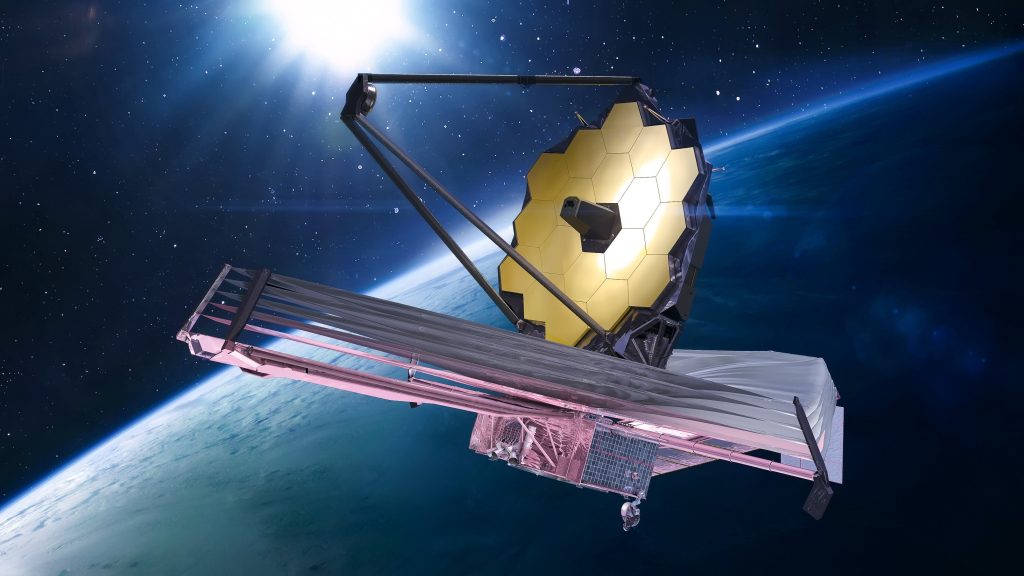
5. Early Dark Energy: A Potential Missing Piece of Cosmic Physics
MIT scientists have suggested that a transient phenomenon named early dark energy could solve the “Hubble tension” problem and the appearance of luminous galaxies measured by the JWST telescope in the first 500 million years of the universe. Early dark energy would represent a antigravity phenomenon that appeared during the early universe era and led to the increase of primordial fluctuations of matter density that would have formed luminous galaxies. Early dark energy could represent a historical solution of two major problems.
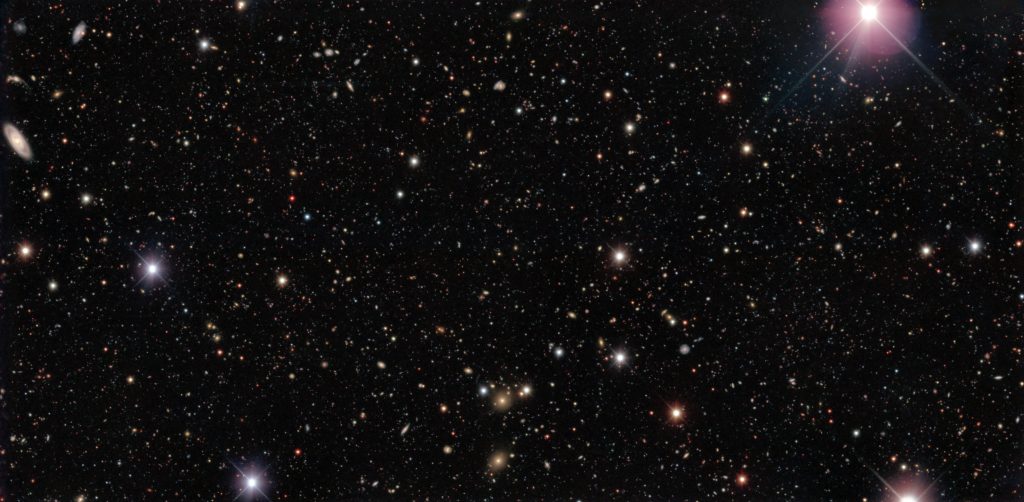
6. The Math of Chances for Intelligent Life
A new approach, patterned on the equations put forward by Drake, calculates the chances of the evolution of an intelligence civilization within other universes using the formation rate of stars and the density of dark energy as variables, finding that the conditions that apply to our own universe are remarkably non-optimal but not unique. The new equation predicts that even densities much higher than that which prevails in our own universe are consistent with the evolution of life.
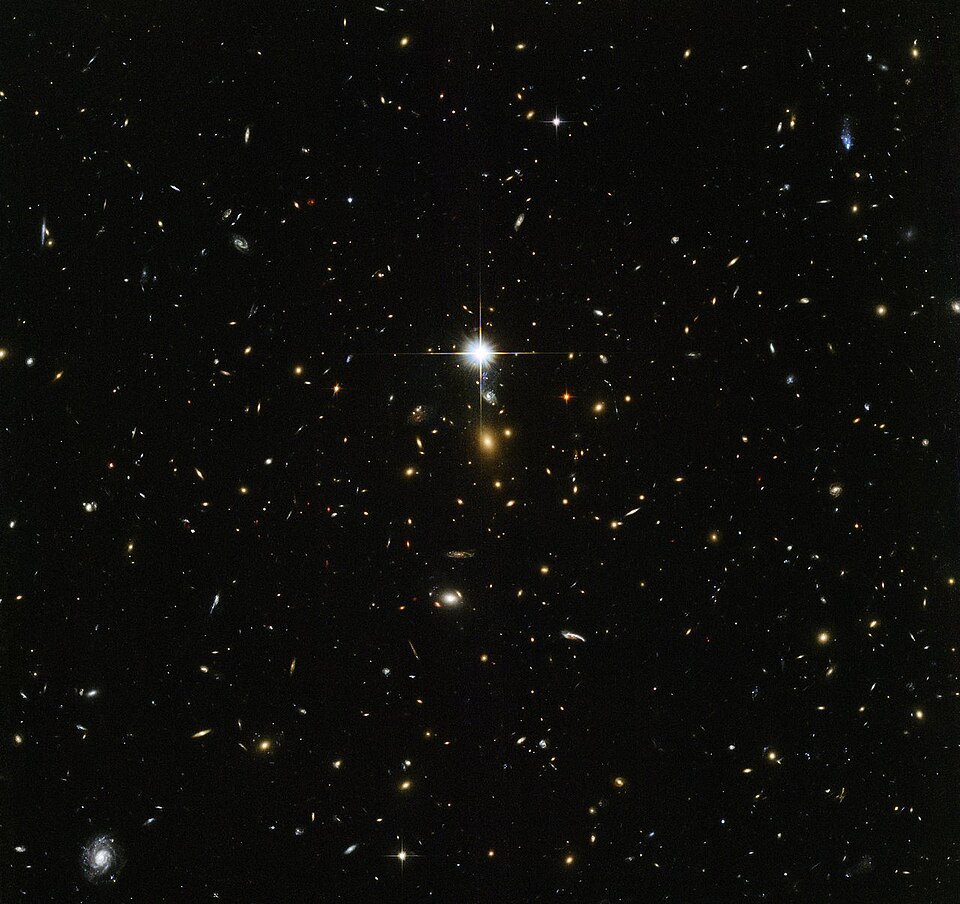
7. Archaeological Drake Equation
Astrophysicists Adam Frank and Woodruff Sullivan have reframed the Drake Equation to explore the question: is our species the sole technological civilization ever to have existed? Based on data on exoplanets, Frank and Sullivan estimate that unless the probability of superior life forms coexisting on a habitable planet is less than one in 10 billion trillion, other civilizations undoubtedly precede us in time. This ‘cosmic archaeological’ view ignores the problem of the average lifetime of civilizations in favor of the rate of occurrence of ‘tech’ species in the universe’s ‘deep time’ scale.
8. SETI Strategies from Our Own Signal Patterns
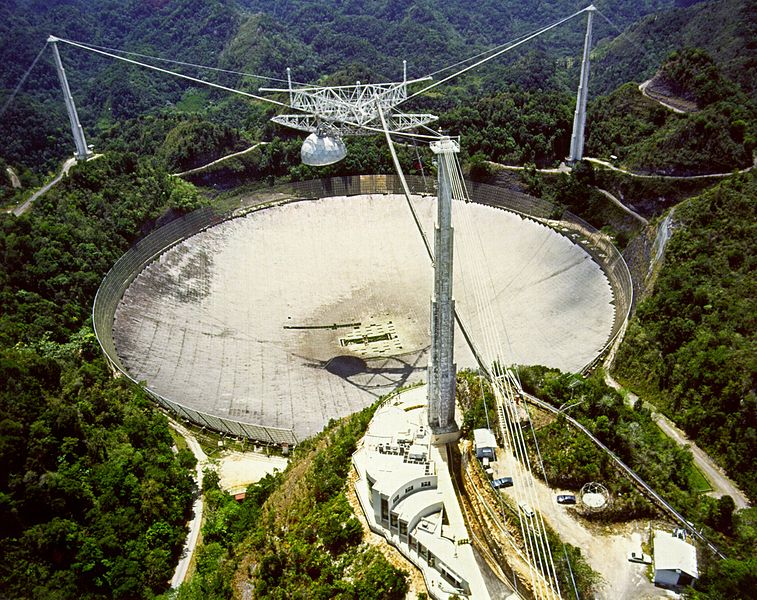
The DSN transmissions have been found to be communicated through the ecliptic plane. The duty cycle of the Earth Transit Zone records 20 times the average duty cycle. Submitting that the study was done after understanding that Earth is 20 times more likely to be discovered through the duty cycle of the Earth Transit Zone signifies that there is more focus on the exoplanets discovered through the edge-on approach. The detection of Earth technosignatures is possible through the duty cycle of the Earth Transit Zone.
9. Cosmic Requirements for Life in the Multiverse
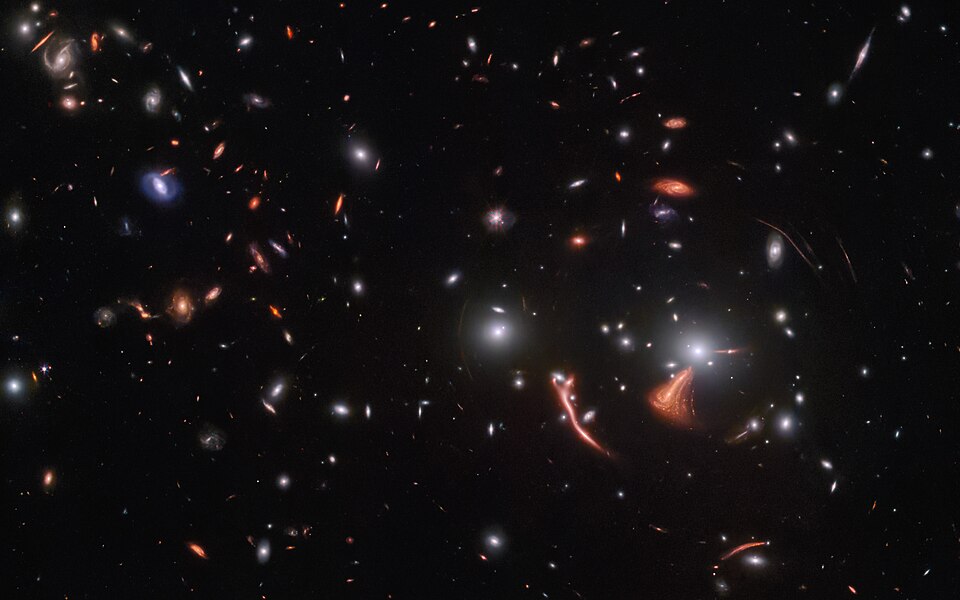
Daniele Sorini et al. from Durham University have investigated how differences in dark energy density influence star formation and the possible emergence of intelligent life. The team showed that, in a universe optimized for star formation, about 27% of matter would condense into stars, versus just 23% within our universe. Though our universe’s dark energy density is far from optimal, it still falls well within the ranges that allow the emergence of life.
Such findings illustrate the speed with which our knowledge of the universe is progressing. By examining the large-scale dynamics that drive galaxies now with the minute particulars of planetary atmospheres, we’re gathering information that facilitates an increasingly comprehensive understanding of the possibilities of life that await discovery off the planet. Whether it’s accidental signals, unusual planetary paths, or the multiverse itself, each new revelation draws us closer to the solution of the most ancient question that’s haunted the human species.


