“The base for storing, equipping, and launching Shaheds – Donetsk airport – no longer exists.” These are far from boastful words but a fact assessment of one of the most decisive strikes by Ukraine in 2025. On November 5, Ukraine carried out a meticulously planned joint operation that destroyed a Russian drone hub in the occupied Donetsk region that was vital to Moscow’s UAV activities in the front lines.
Sat imagery, OSINT assessments, and witness reports have since filled in the picture of the level of damage.
From a defense research and military technology perspectives, the situation provides a rich case study of modern precision strikes, the fallibility of forward-deployed drone systems, and the effects and interplay of reconnaissance and strike capabilities with psychological effects. This is the essence of the strike, encapsulating the key aspects of the strike, its plans, strategies, implications, and relevance to the current era of drone warfare, into this checklist.
1. Joint Strike Force at Work
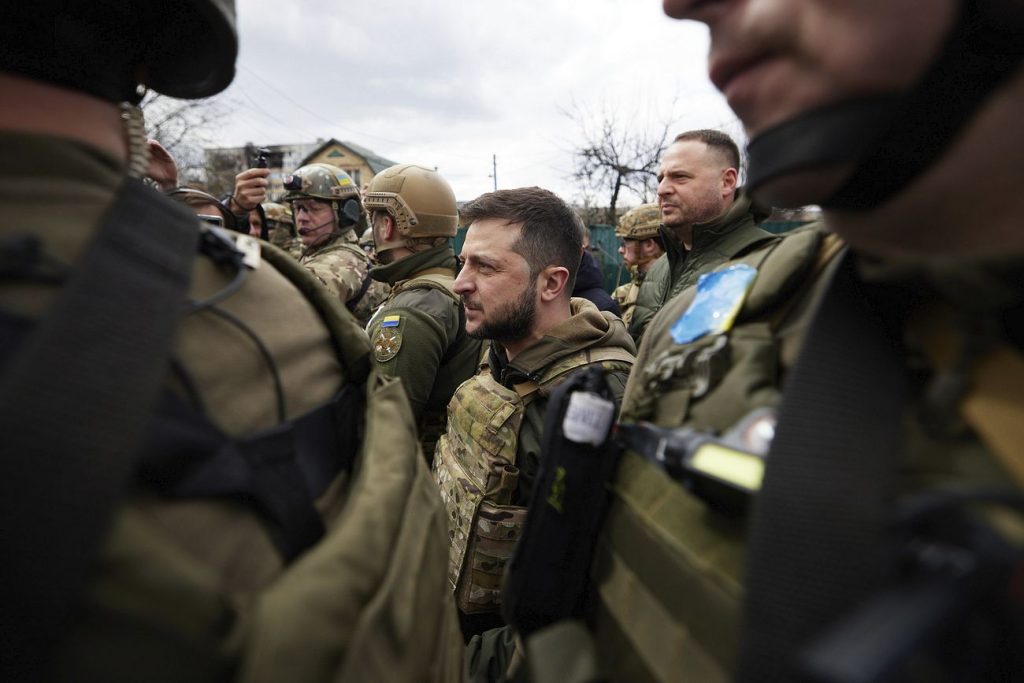
This exercise involved the coordination of Ukraine’s Special Operations Forces, Rocket and Artillery troops, and reconnaissance drone crews from the Unmanned Systems Forces. This coordination across branches reflects a growing policy of incorporating UAV intelligence into strike planning. Brovdi’s 414th Separate Brigade, also known as “Birds of Magyar,” was also actively involved, reflecting the inclusion of drone units in joint targeting cycles.
2. Months of Reconnaissance and Target Development
Brovdi called this target development “painstaking work over several months, put together piece by piece.” The OSINT entities, such as Cyber Boroshno, had been tracking Russian construction efforts at the airport since August, pointing out new missile launchers and storage containers. This, of course, represents a new kind of reconnaissance strike cycle: layered surveillance, open-sourcing, and observation building toward precise strikes.
3. Scale of Material Losses
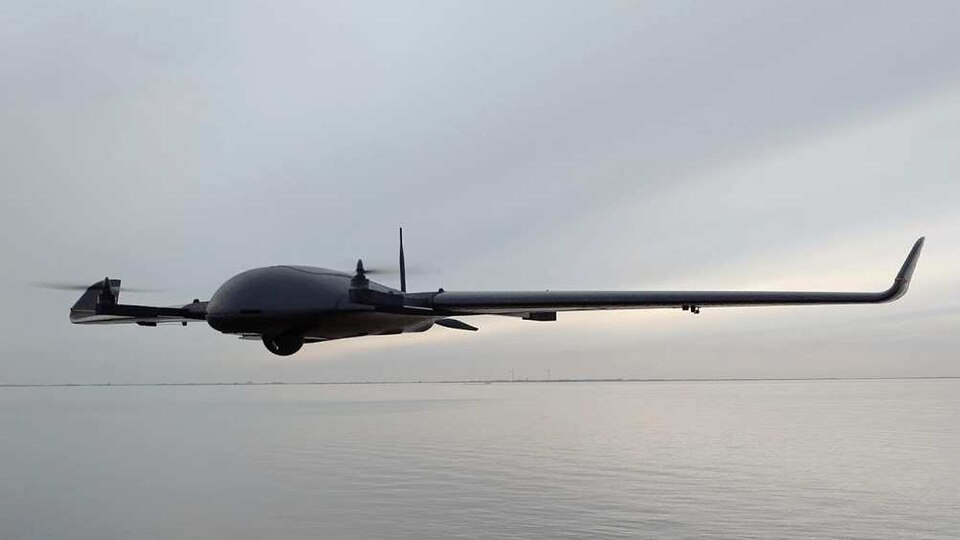
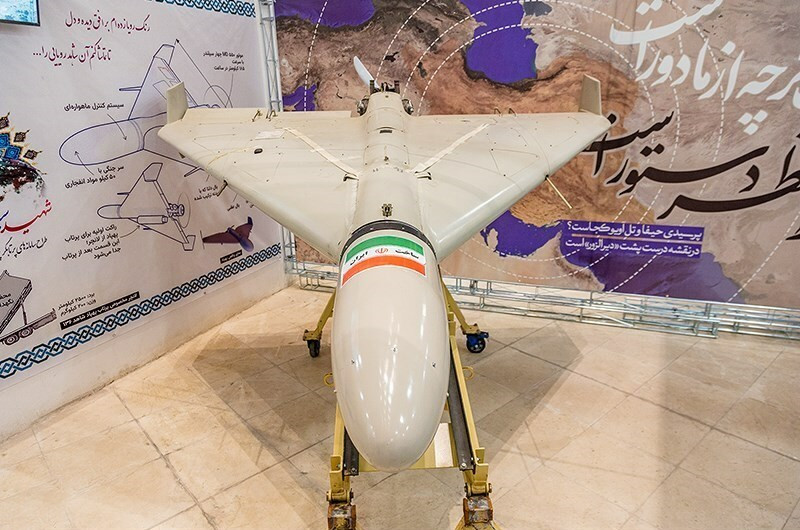
Initial reports indicated there were more than 1,000 Shahed Geran-2 type and 1,500 combat-ready units. Cyber Boroshno sources later indicated between 1,150-1,200 Shahed and Gerbera-type UAVs had been destroyed. The attackalsoengaged an ammo storage, fuel storage, and a UAV pre-launch processing point, damaging both weaponry and the support infrastructure being used by the Russians.
4. Satellite Imagery Confirms Destruction
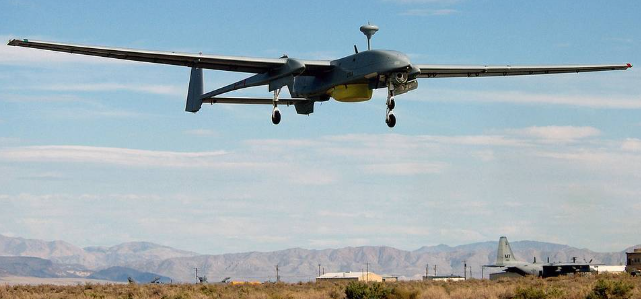
Analysis conducted post-strike on ‘Dnipro Osint’ recorded that one specific storage facility had been completely destroyed, presumably from the secondary explosion of warheads. Additionally, another facility had itsroof collapsed on the entire storage space. Such images not only verify the extent of damage on the battlefronts being fought on but also indicate the level of vulnerability such UAV infrastructure has towards precision attacks.
5. Russian Use of Donetsk Airport As a Launch Site
The location, within less than two dozen miles of the front lines, had been repurposed as a drone platform mid-2025. While this location diminished Ukraine’s reaction time to air defenses, it is more vulnerable to strike. As Kyle Glen wrote, “The attack may prove to Russian policymakers that launch sites near the front lines are not viable.”
6. Strike Execution and Weapon Mix
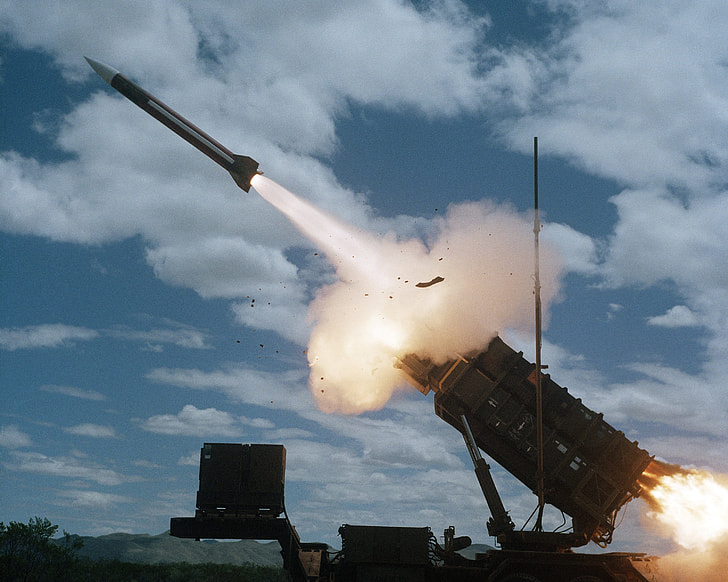
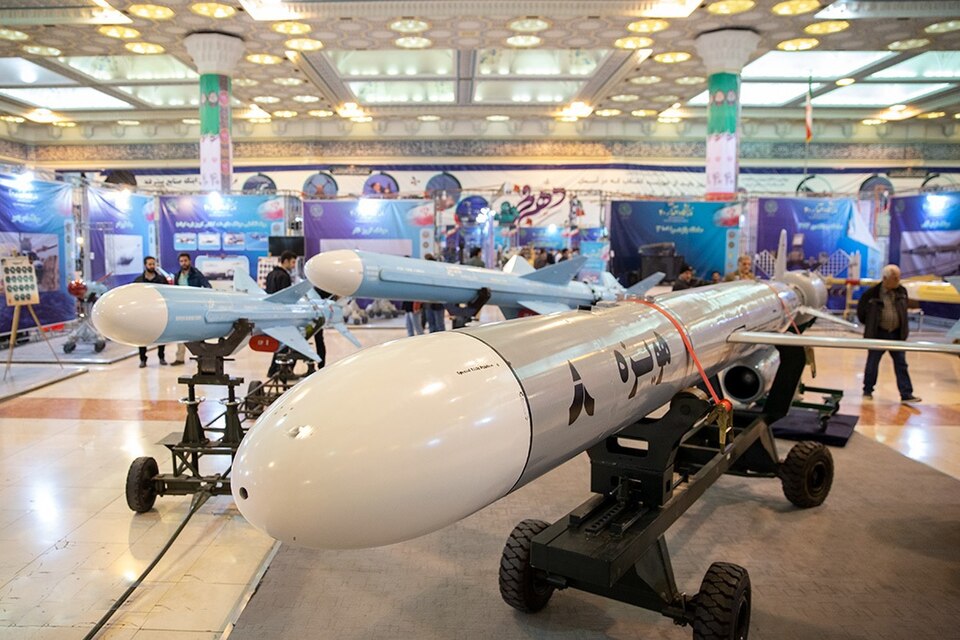
According to the “Dosye Shpiona,” the cruise missiles and strike drones were used in the attack. According to the United24 report, the fact that 90 percent of the UAVs in the Ukrainian attack reached their targets had an exceptional success rate in the airspace conditions.
Standoff missile fire and the UAV-based effects represent the evolving strike packages of the Ukrainian forces.

7. Eyewitness and OSINT Video Evidence
Local residents have been recording video evidence of giant explosion blasts in the airport and nearby Spartak village. Such video evidence, disseminated by telegram channels, functions both as intelligence for analysts and as a psych ops effort aiming to show the Russian public how vulnerable their assets are.

8. Effect on Russian Drone Campaign
It should be noted that the overall Ukrainian campaign targeting Shahed production and storage facilities had already decreased the number of launches from 6,303 in July to 4,132 in August. This attack can be considered part of this campaign where the ultimate aim is to reduce Russia’s ability to conduct rapid salvos of unmanned aerial vehicles.

9. Strategic and Psychological Implications
In addition to the physical damage, the strike undercuts the Russia’s Sense of Sanctuary within the occupied territory. Like the Deep Strike aspect of the Operation Spider Web’s, the action proves that the forward UAV nodes are vulnerable. It proves the viable combination for the Ukraine military of OSINT, persistent surveillance, and Fires for a template for the destruction of High Value Targets.
The downing of the Donetsk drone base is more than just a successful tactic, and with good reason: it is the embodiment of the increasing merging of intelligence, precision strikes, and psychological effects as theory and reality intersect in modern warfare. “The importance of continued reconnaissance, the integration efforts, and the vulnerabilities inherent within the architecture themselves are reinforced for the military technologist and the OSINT community,” as the warfare doctrine evolves.


