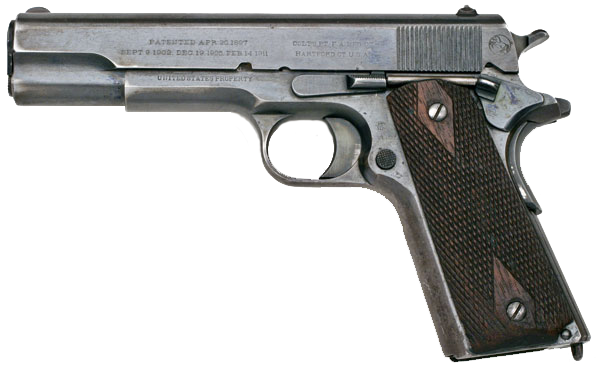
Have you heard the fellow say, “My 1911 has been perfect for 40 years.” That’s true-or it could be they’ve put half a box of bullets down its throat. The question of tradition in the form of the century-old steel frame 1911 versus innovation in the form of modern polymer pistols is not, in this case, nostalgia vs. innovation, but rather performance and how it will meet its mission. Emitting the feel of fine craftsmanship, accuracy, and combat lineage, the 1911 has long been the iconic gun for more than a century. The pistols with polymeric frames have long been the dependable workhorses of law enforcers, widely prized for their light feel, greater capacity, and tough tenacity.
Both have shown the strength of their stuff in the heat of combat, yet offer vastly distinct shooting experiences in feel, ease of upkeep, and ease of concealment. This no-nonsense dissection examines a set of nine trade-offs considered absolutely crucial, encompassing expert input, tested longevity, and real-world carry relevance. Starting with match-winning levels of accuracy through to reliable carry, it gets straight to the heart of what really is important.
1. Weight and All-Day Carry
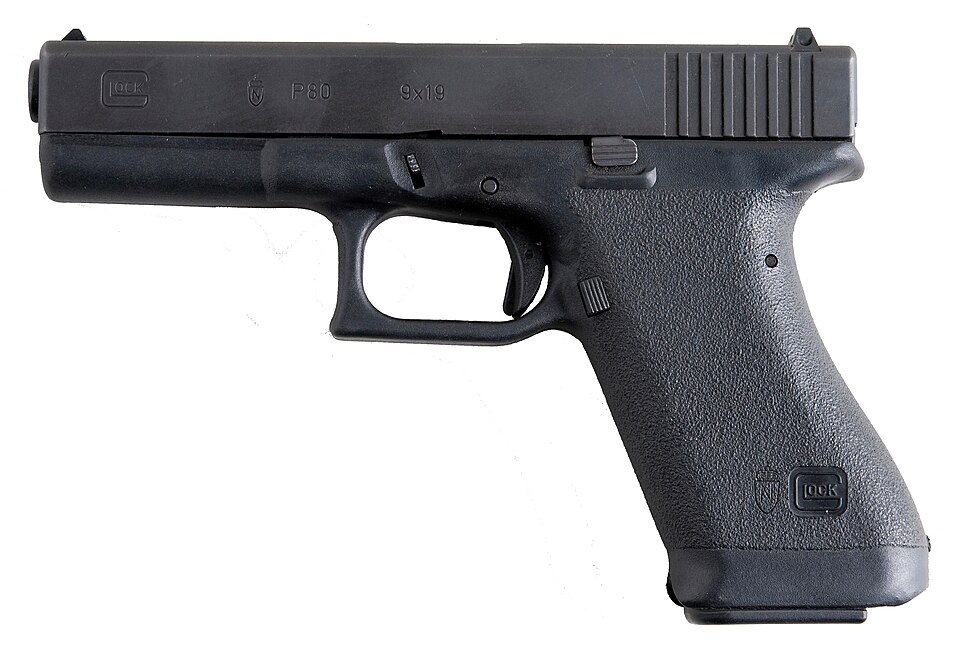
A standard weight 1911 constructed from steel translates to an unpleasantly heavy 40 ounces or so when unloaded. Although this helps in recoil recovery, it does act as a burden in the hips when carrying for extended periods. This increased weight requires a sturdy belt and has been known to discourage carrying in warm environments or among smaller individuals. On the other hand, polymer frames, as seen in a Glock 17 weighing 24.87 ounces, are significantly lighter than their steel counterparts by as much as 30%. A subcompact Glock 43 weighs only 16.23 ounces.

2. Trigger Performance
The single-action trigger on a 1911 is the gold standard: short, sharp break, light reset. It is the measure by which all other triggers are compared. A decent trigger job, as described in the gunsmithing “bibles,” should reduce the weight of the pull to 3.5-4.5 lbs. in a self-defense pistol or even lower for a competition pistol. The striker-fired polymers started woefully inadequate compared to the 1911. While they don’t have the elegance of a well-smoothed 1911 trigger, they do what they’re supposed to do: they’re light, consistent triggers that don’t require frequent work.
3. Magazine Capacity
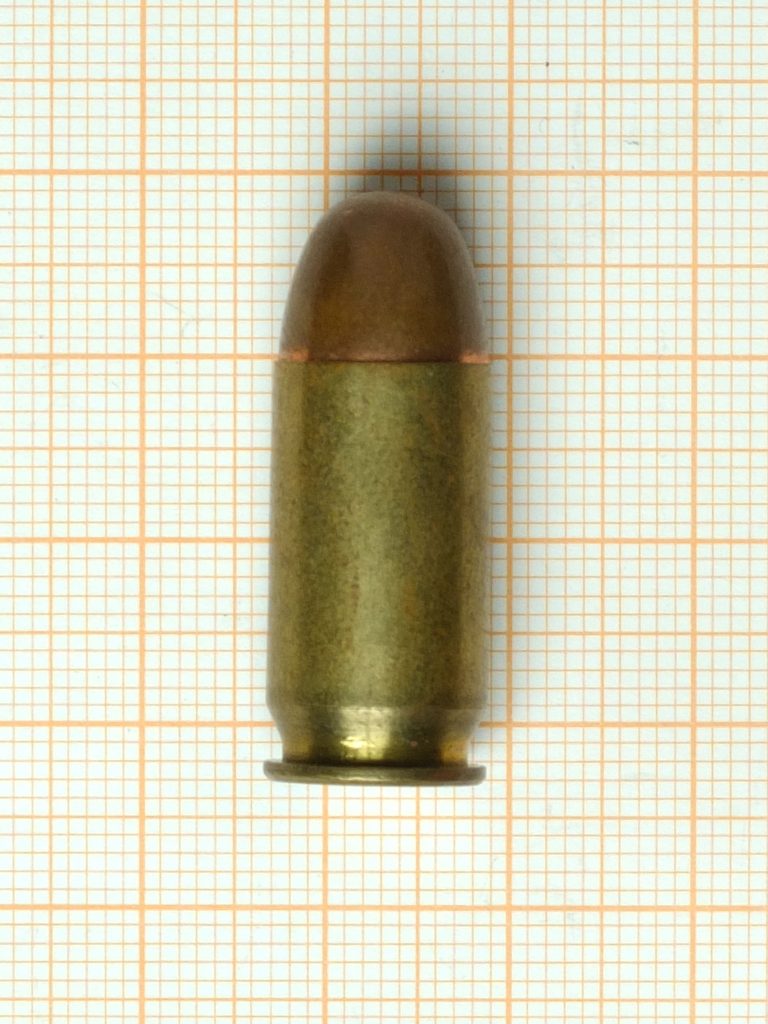
A standard 1911 .45 ACP will hold 7 to 8 rounds of ammunition within its magazine, whereas 9mm models will offer a few extra rounds without being double-stacks. Today’s polymer pistols will consistently carry 15 to 18 rounds of ammunition within a flush-fitting magazine, while designs like the Sig Sauer’s P365 will carry micro-compacts loaded to 12+1 rounds of ammunition. Such increased firepower may prove to be an imperative component within a self-defense scenario.

4. Maintenance and Durability
Where there is meticulous attention, there is rewarded dependability in the steel-framed 1911s: frequent cleaning and maintenance, selective corresponding ammo. Complacence leads to malfunctions, particularly when operating in loushy environments. While the frames are polymers, they are arguably always corrosion-proof, ignorant to the elements of body-sweat, rain, and grime. During various tests of torturous scenarios, guns like the Glock-17 have remained operational when submersed in mud, a toughness that will soon be demanded of them by those shooters who are lax toward gun maintenance but demanding for gun functionality. Even stainless steel will succumb to corrosion given enough environment-oppressive exposure; polymers will suffer neither impairment nor damage.

5. Cost and Customization
High-quality 1911 models, with strict tolerances and premium finishes, are quite pricey, with prices easily exceeding those of poly models. These guns are open to extreme levels of customization, with the grips, sights, trigger, and safeties being customized, giving the holder complete flexibility in customizing the gun. Polymer pistols are cheap at purchase, but when it comes to customization, specifically the addition of lights, sights, and improved trigger mechanisms, the options are endless and more affordable.
6. Concealability
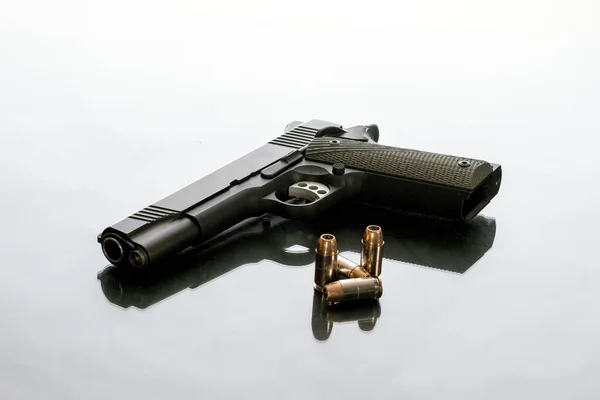
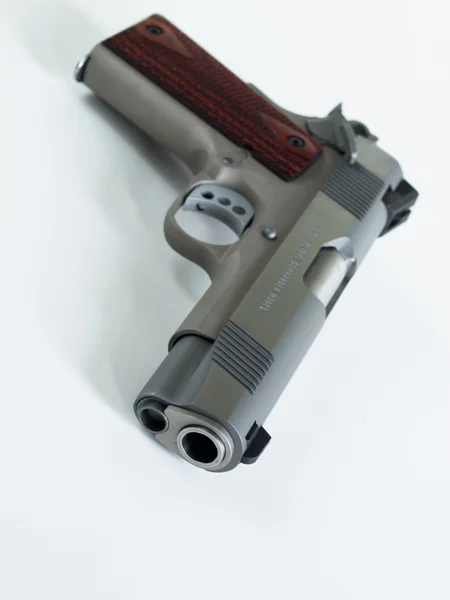
Nonetheless, standard 1911s are too long and cumbersome, despite their thin single-stack design, and are consequently harder to conceal when dressed casually. This is where the selection of holsters, angle of carry, and one’s wardrobe attire become paramount in order to prevent printing. Subcompacts and comps produced out of polymer, weighing well under 20oz, have become experts at deep concealment holstered in either waistband or pocket carry. The 9mm Compact and Micro 1911 have bridged this gap, although overall size and weight advantages of polymer remain supreme in the realm of concealed carry.
7. Recoil Management
The mass of the steel 1911 mitigates the recoil, and in the case of the .45 ACP, this facilitates rapid fire. Lighter and compact polymer models are stiffer, and this is very pronounced in the compact models. Interestingly, the polymer frame does exhibit some flex when fired, and this is manifested in what can be termed as the “extended” sensation of the recoil impulse as evident in slow motion. This can be mitigated by proper grips and stance, although recoil-manic shooters find themselves sticking with the steel frame.
8. Aesthetics and Emotional Value
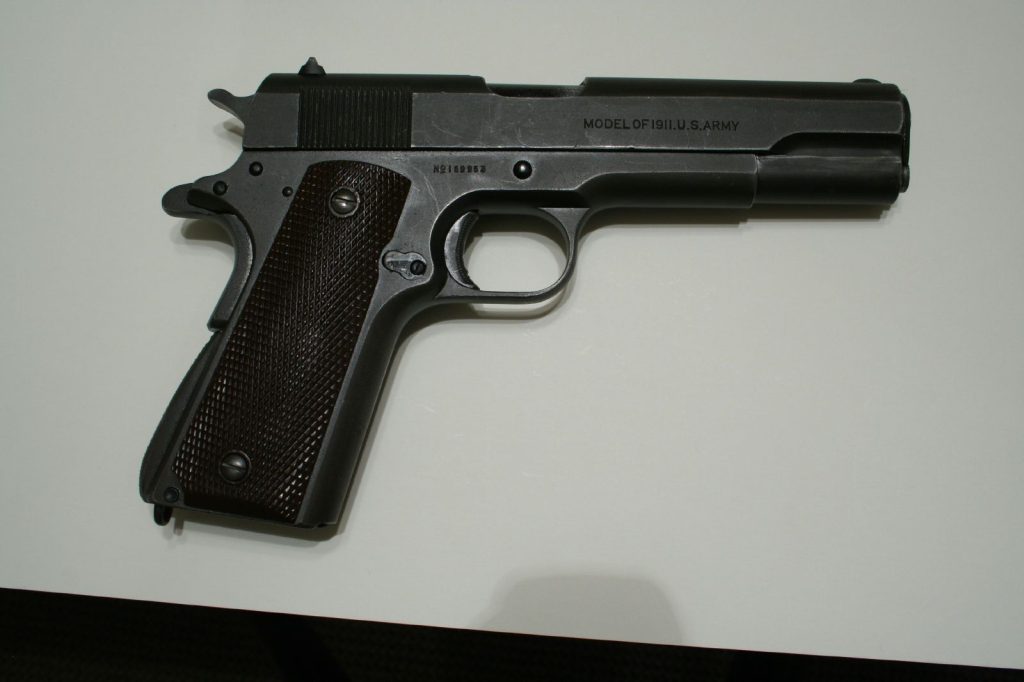
The possession of the 1911 is as much about history as it is about performance. Its curves, its materials, its engineering sophistication are concepts from another time, another era of craftsmanship. The possession of the 1911 is the possession of history, possession made possible by history, and for some people, possession is the same as history. The polymer pistols are not shy about their intentions: functionality, where form is secondary to function, with molded frames and protective coatings. The emotional aspect is as good as nonexistent, and the appeal is as pragmatic as the pistols are designed to be useful, not treasured possessions.
9. Safety Mechanisms and Training
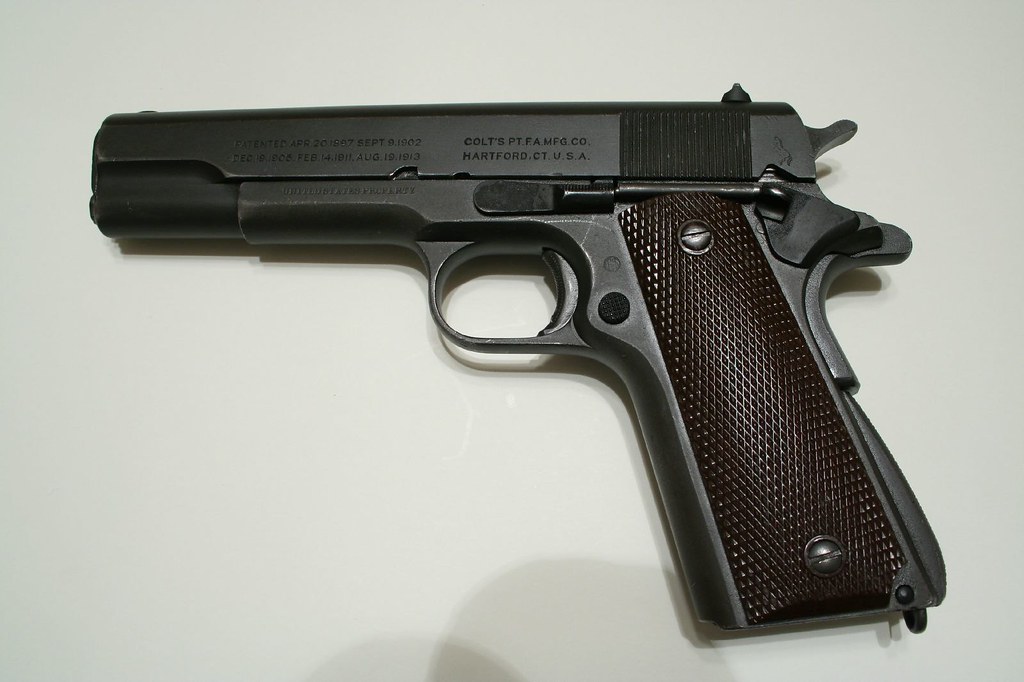
The 1911’s dual safeties grip safety and thumb lever safety are not easily mastered and require consistent and trained usage. ‘Speed bump’ style grip safety and extended ambidexterous safety levers can increase 1911 accessibility during high-stress shooting situations, explains Justin Carroll, although eliminating the safety mechanisms on a 1911 is not recommended. Most polymer-framed pistols rely completely on internal safety and trigger mechanisms. These makes triggering easier and more instinctive, although extra stress will be placed on pistol holsters and trigger control.
Shooters who train and are experienced with their weapons will easily grasp the manual safety mechanisms found on 1911s. However, shooters who only shoot sporadically may want to opt for polymer-framed pistols, which are simpler to understand and more durable. When deciding between a 1911 with steel and a polymer-framed modern pistol, shooters are not necessarily choosing one weapon over another, although rather aligning weapon properties with the values that the shooter holds dear.


