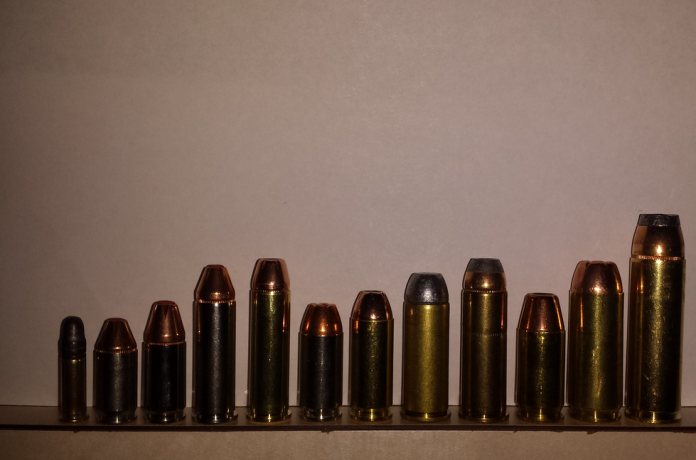
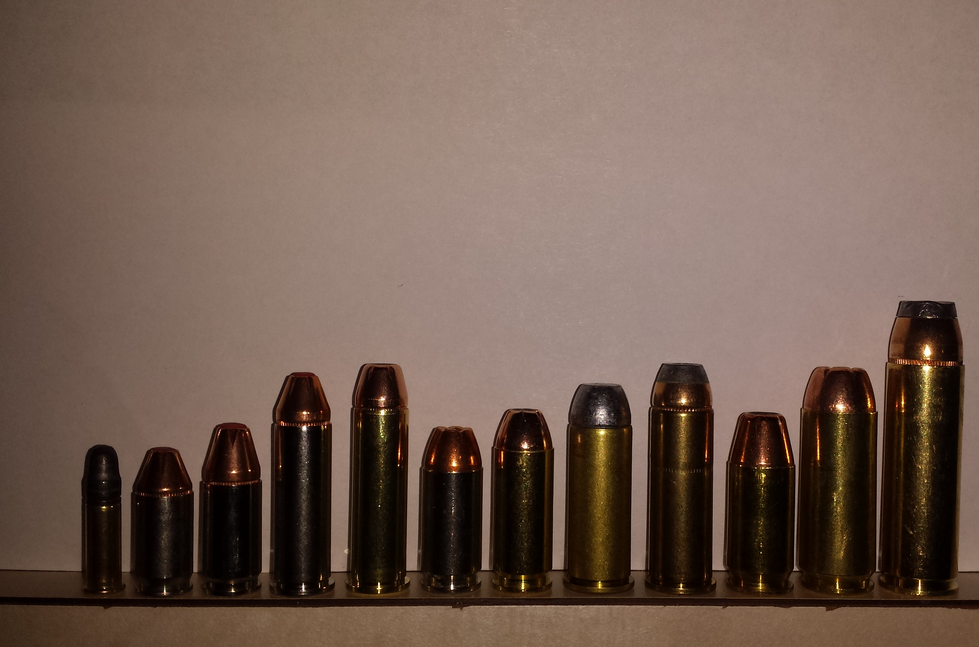
What if the cartridge one is entrusted to save a life simply doesn’t deliver? In this harsh world of armed self‑defense, the wrong caliber means the difference between stopping a threat and watching it advance. With any gun being better than none, not all the handgun rounds meet the demanded standards of penetration, reliability, and controllability when the outcomes are decided within seconds.
Veteran firearms instructors, ballistic laboratories, and decades of street data have identified a handful of calibers whose work performance has been consistently substandard in defensive roles. Some cannot reliably deliver sufficient energy to reach vital organs. Others constantly malfunction, and a few discipline shooters with such extreme recoil that follow‑up shots suffer. Drawing from ballistic gel tests, FBI protocols and expert field experience, here are eight handgun calibers which professionals advise against for everyday carry.

1. .22 Long Rifle – Popular but Prone to Failure
The .22 LR is the most produced cartridge in the world, due to its light recoil, mild report, and economy. Its rimfire design inherently trades reliability for those advantages, however, with misfire rates as high as 1–2% in premium loads and as high as 8–10% in bulk packs. The thin brass case restricts pressure, often keeping muzzle energy below 200 ft‑lbs. Translated into FBI protocol terms, the .22 LR often fails to penetrate the required 12–18 inches through thick or heavy clothing. Putting it bluntly, USCCA says the .22 LR “may not get the job done” against a determined attacker. Great for training, great for pest control, but as a primary defensive caliber, it leaves way too much to chance.
2. .25 ACP – Outclassed by Modern Standards
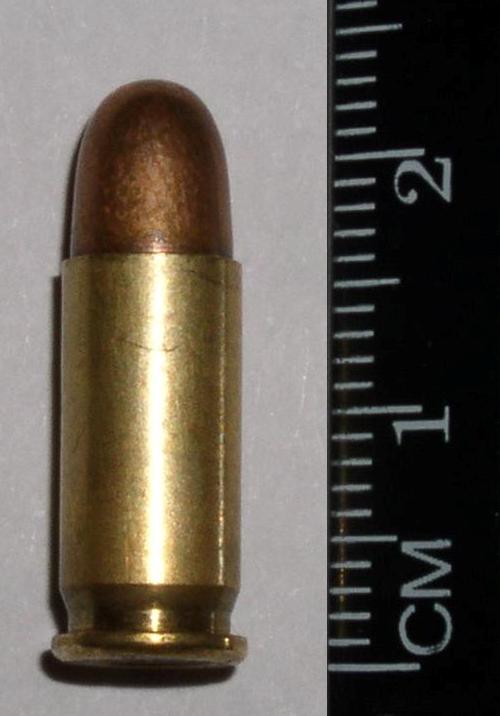
Until the introduction of the .25 ACP in 1905, the .22 LR was the smallest centerfire cartridge available. Because the .25 ACP now lags behind in every practical measure, typical muzzle energies lie below 70 ft‑lbs, weaker than many .22 LR loads. Few hollow points expand at such a low velocity in this caliber. Most .25 ACP pistols are cheaply made, small‑frame designs with simple sights and minimal durability. There is little in the way of ammunition choice, and performance seldom approaches modern defensive ideals. The USCCA describes it as “by far the worst for self‑defense” among standard handgun calibers.
3. .32 ACP – A Relic of Another Era
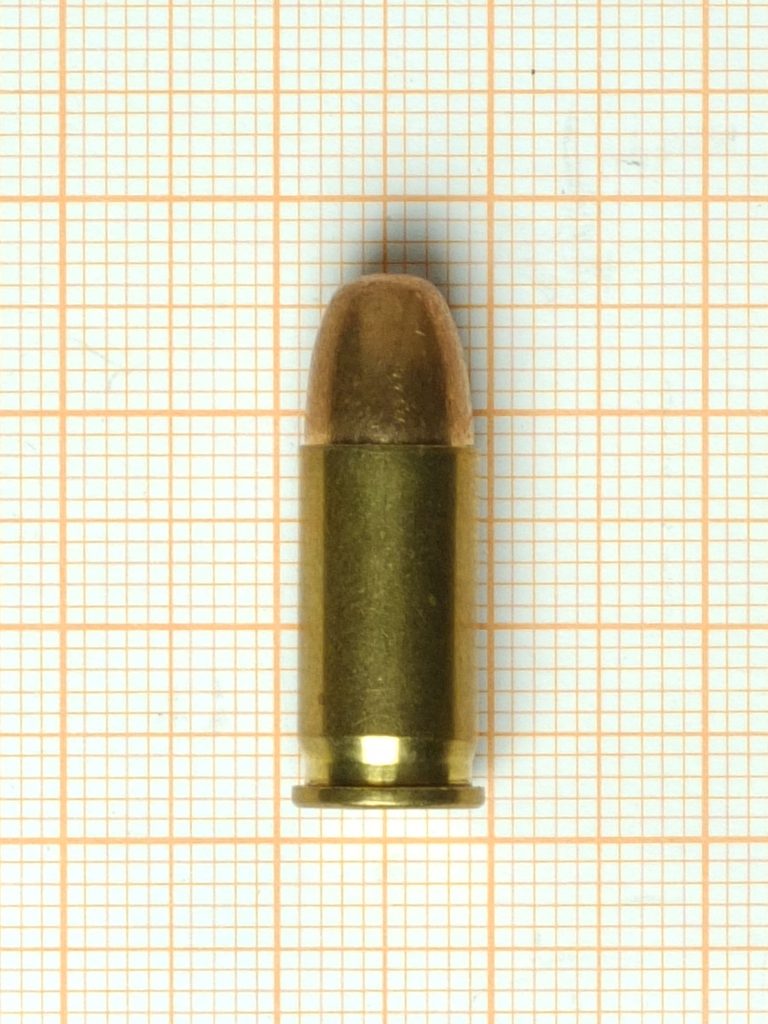
John Browning’s 1899 creation once served police and military forces; today’s testing shows poor expansion and shallow penetration, especially against layered clothing. Muzzle energy averages 125–170 ft‑lbs, below what many trainers deem necessary for rapid threat stoppage. In other respects, mild recoil and good concealability weigh against limited ammo options and dated firearm platforms. Ballistically it falls between the .22 LR and .380 ACP but actually performs more like the former in terminal effect.
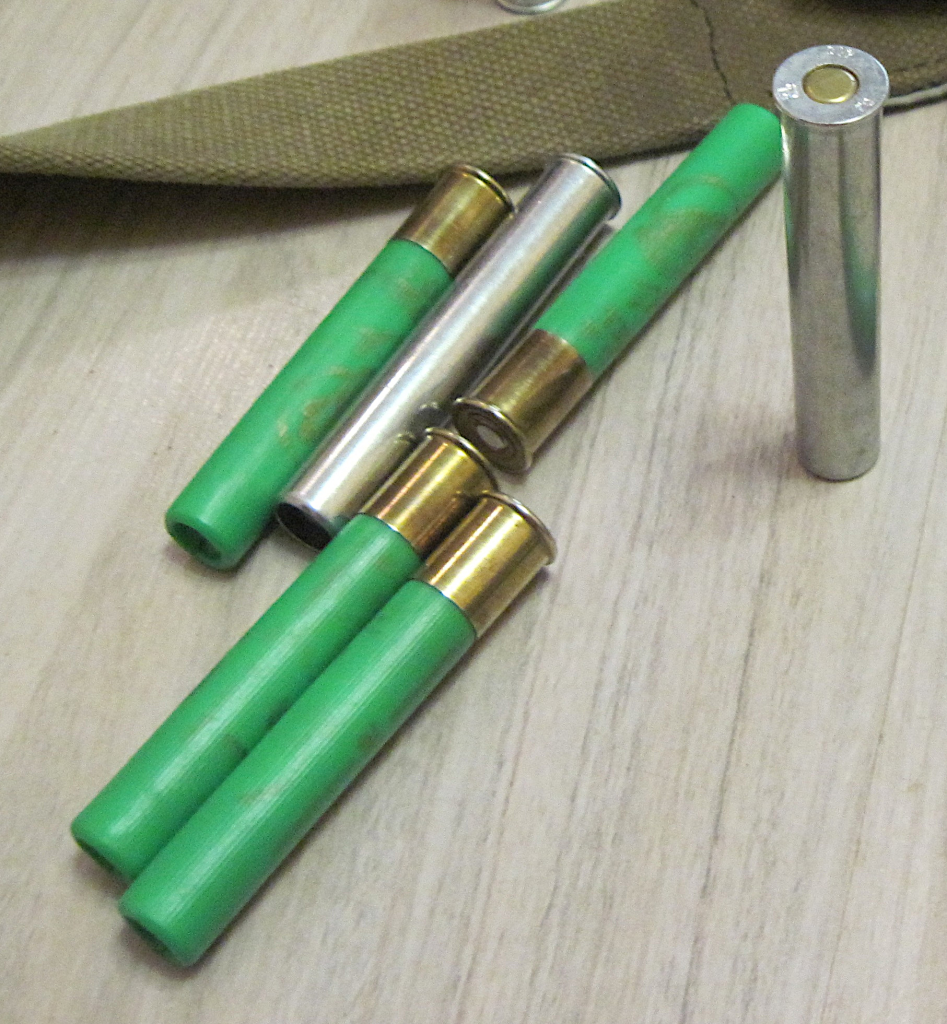
4. .410 Shotshell Revolvers – More Gimmick Than Guardian
Shotguns dressed up as handguns, such as the Taurus Judge, claim to be able to deliver shotgun‑like spread. In reality, however, short barrels choke velocity off and birdshot penetrates too shallow to reach vital organs. Buckshot and slugs fall behind dedicated handgun rounds in terms of energy transfer. Testing by USCCA found that .410 fired from a 3‑inch revolver barrel “is unlikely to stop a determined threat” unless fired at point‑blank range into vulnerable areas. The wide spread disperses the impact energy, making this a poor substitute for proven defensive calibers.

5. .380 ACP w/ Weak Loads – Borderline Ballistics
The .380 ACP can serve well but only with carefully selected ammunition. Fired from a short‑barreled pistol, many popular loads fall short of the FBI’s 12‑inch minimum for penetration. Combine this with snappy recoil of ultra‑compact .380s, and accuracy often suffers. Premium loads, such as Hornady Critical Defense, represent an upgrade; however, carrying underpowered .380-as most experts warn-is “rolling the dice.” Those who opt to carry this caliber need to be dedicated to extremely selective ammunition selection and diligent practice.

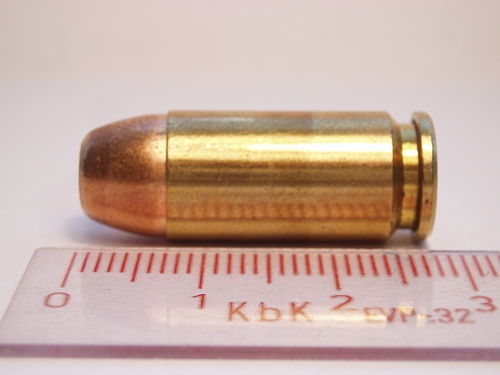
6. 10mm Auto – More Than Most Shooters Need
The 10mm Auto, originally developed for the FBI, is a powerhouse that pushes upwards of 600 ft‑lbs with high velocity. Stout recoil, loud muzzle blast, and an overall heightened risk of over-penetration in urban or home defense are costs for said power. For most, the recoil slows follow‑up shots and degrades accuracy under stress. Although excellent for large animal defense in the back country, most experts recommend 9mm or .45 ACP as giving a more balanced blend of control and stopping power in human threats.

7. .38 Special from Ultra‑Short Barrels – Performance Drop
The .38 Special has an illustrious defensive history, but snub‑nose revolvers with barrels of less than two inches suffer greatly from velocity loss. This greatly reduces hollow point expansion, and even +P loads result in heavy recoil without proportionate ballistic gain. Ballistic gel tests show most snub‑nose .38 loads barely meet the FBI’s penetration floor. As noted in the Lucky Gunner’s revolver trials, short barrels worsen the trade‑off between controllability and terminal performance. Tailoring quality +P loads to consistent practice can help to minimize these problems.
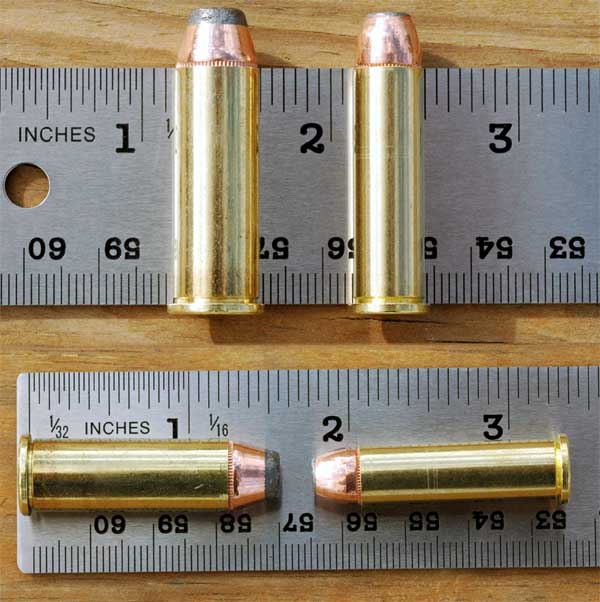
8. .44 Magnum: Overkill for Concealed Carry
Immortalized by Hollywood, the .44 Magnum produces over 1,000 ft‑lbs of energy and very deep penetration traits that make it poorly suited for urban defense. Heavy recoil slows follow‑up shots, and the large revolvers required are difficult to conceal. Over-penetration is a serious hazard, with USCCA tests of similar high-energy loads showing bullets passing through multiple interior walls.
Outside of wilderness defense against dangerous game, its disadvantages outweigh its merits for everyday carry. Choosing a defensive caliber is a question of balance: power, controllability, and reliability. The eight rounds profiled here are not incapable of lethality, but each requires tradeoffs that most shooters cannot afford in a crisis. Modern service calibers like 9mm, .40 S&W, and .45 ACP combined with vetted defensive loads-offer a significantly superior blend of penetration, expansion, and shootability. When it comes to self‑defense, the objective is not absolute power at all costs, but rather the delivery of accurate, effective fire when it counts most.


