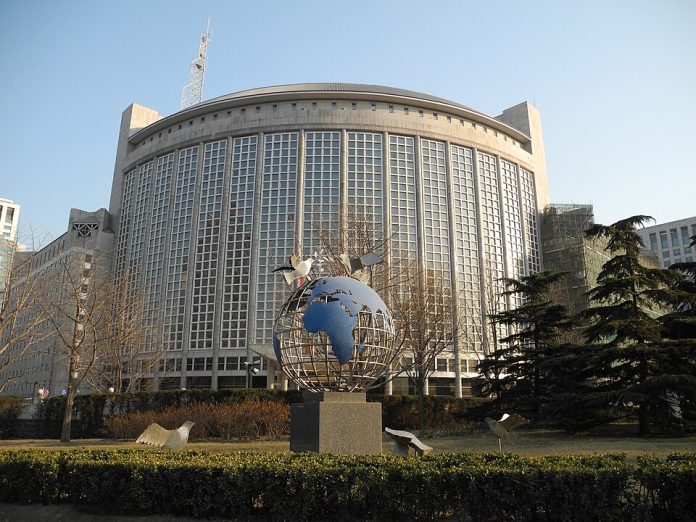
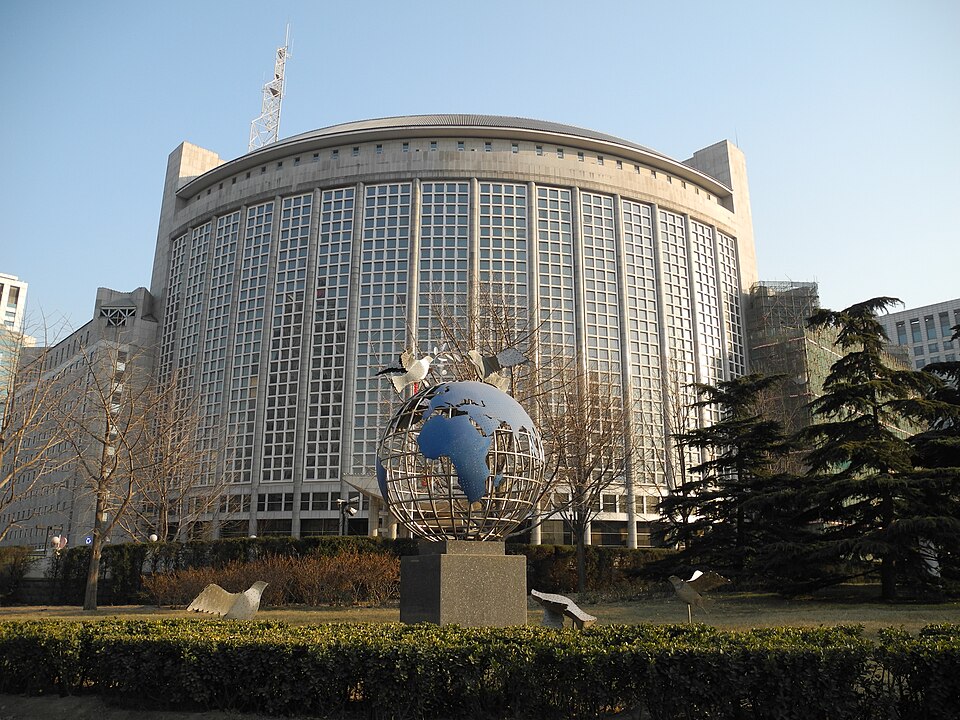
“Anyone who sells arms to Taiwan will find the cost is too high. They will pay the price.” With this stern warning, the Chinese foreign ministry reignited a volatile triangle involving the US, China, and Taiwan. Sanctions were imposed on 20 US firms and 10 officials in late December 2025. They include bans on money transactions within China, as well as denial of visas.
This is coming against the backdrop of the United States’ latest arms sale package to Taiwan worth a staggering $11 billion, which is the largest the country has ever given Taiwan’s defense needs, including rocket systems, drones, and artillery. For persons in the defense industry as well as those who analyze global geopolitics, the sanctions are more than just political fodder; they are also stronger leverage for the Chinese strategy of discouraging any military support for Taiwan by other nations.
This is what the list below distills from the current conflict: the 10 most important takeaways on military, legal, and geopolitical matters that will evolve and set the tone for the next phase of relations across the Strait and the Sino-American relationship:
1. “The Largest-Ever US Arms Package to Taiwan”
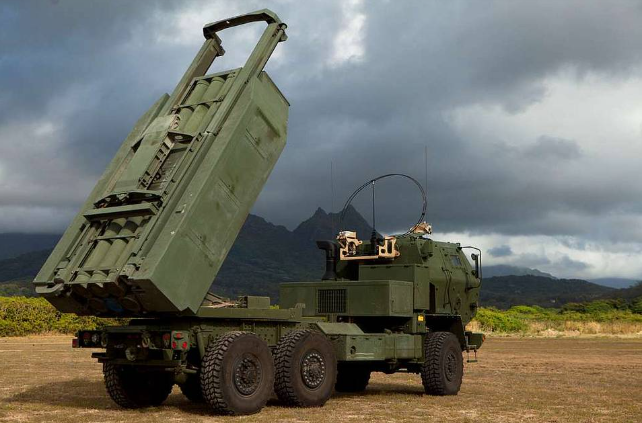
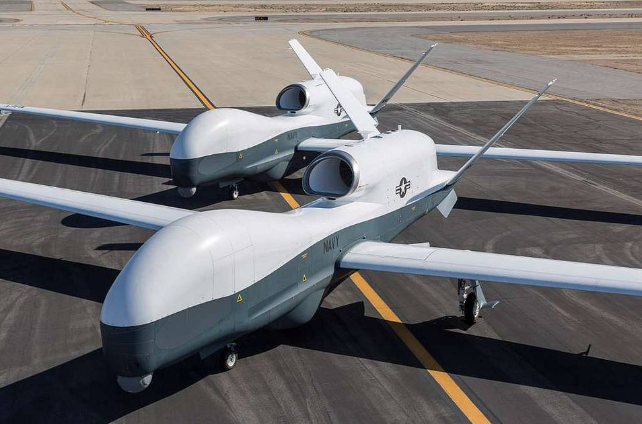
The latest arms sale agreement, estimated at $11.1 billion, encompasses 82 HIMARS rocket launchers, 420 ATACMS missiles, 60 M109A7 self-propelled howitzers, Altius drones, and thousands of Javelin and TOW missiles. As per Defense Security Cooperation Agency sources, these sales are necessary to enhance deterrence capabilities in Taiwan through modernization and mobility-related innovations in force structure and survivability. Prior approval from Congress needs to be received; however, bi-partisanship ensures a positive outcome.
China’s foreign ministry frowned at the deal as it violated the “one-China principle.” The amount is gigantic compared to any other previously announced packages and represents the American government’s resolve to sustain military superiority in the region.
2. Sanctions by Beijing: Coverage & Targeted
China’s sanctions involve freezing assets that those companies and individuals may have within China’s territorial jurisdiction, as well as blocking entities from doing any business with them. Persons banned from entry within China’s territory include Northrop Grumman Systems Corporation, a defense operation in St. Louis owned by Boeing Company, L3Harris Maritime Services, Epirus, as well as Anduril Industries’ Palmer Luckey.
Although more of a symbol since American defense companies do not have extensive commercial ties with China the imposition of the sanctions holds Political implications. The linkage of the sanctions with arms sales, which has been explicitly stated by China, illustrates China’s readiness to take retaliatory measures against violators of red lines.

3. Palmer Luckey’s Public Response
The response of Anduril founder Palmer Luckey was vintage Palmer, with him posting on the social media platform X that he was “honored” to have his “non-existent Chinese assets seized.” While his jibe is obviously humorous, the real point is that these measures have little real-world effect but carry more than ample symbolic clout.
The presence of Luckey, a commercially successful defense entrepreneur, on this list indicates that the Chinese are ready to target successful defense entrepreneurs along with established defense contractors, which may dissuade others from entering the Taiwan-related defense industry in the future.
4. The Taiwan Relations Act’s Enduring Role
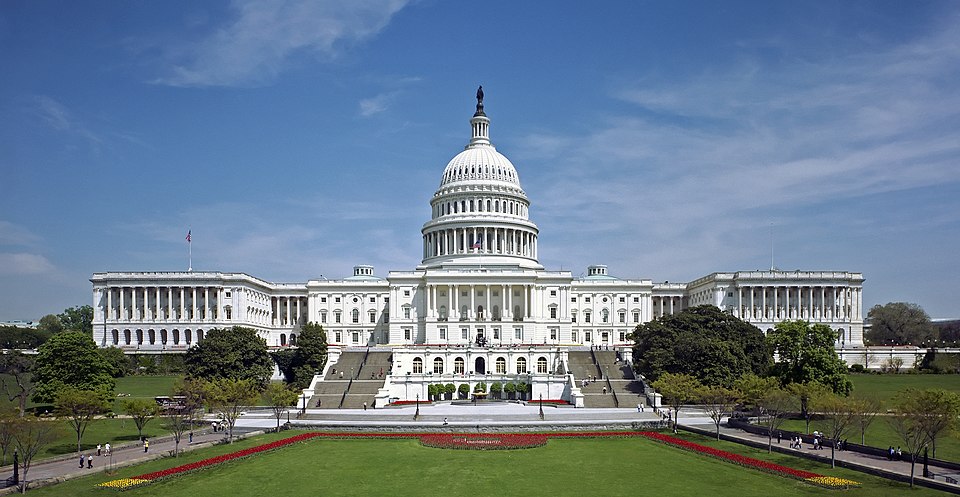
The Taiwan Relations Act is the key statutes on which the United States’ policies are based, and Congress mandates that the Taiwanese be supplied with weaponry of a defensive nature and the ability to resist intimidation. As an act by Congress, this measure cannot be jeopardized by Chinese pressure either.
This legislation provides “safe harbor protection” to the U.S. administration that might come under pressure to change its stance towards Taiwan.
5. China’s Quarantine Strategy
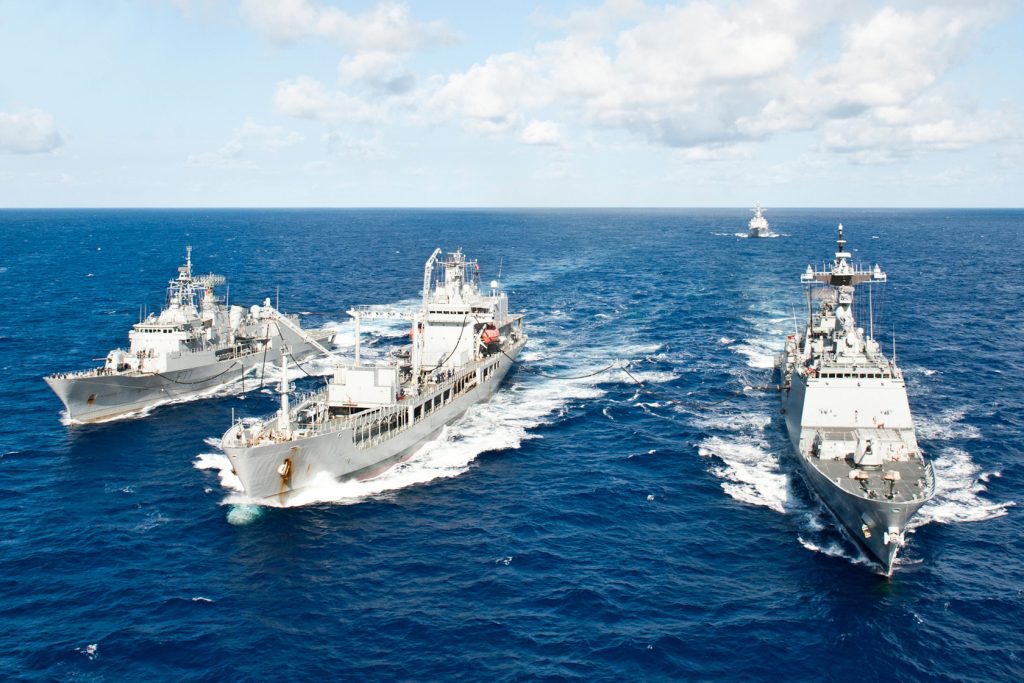
A 2024 CSIS report describes how a maritime quarantine short of a blockade might be achieved by the CCG in order to control the flow of shipping into Taiwan. Activities like this might enforce international compliance without leading directly to war.
By scaling their deployment efforts or using selective targeting of goods, the Chinese could apply mounting pressure while probing the resolve of the US and its allies. The level of confidence in US military action in response to a quarantine has been found to be lower in surveys than in the case of a blockade and an invasion.
6. Militarization of China Coast Guard
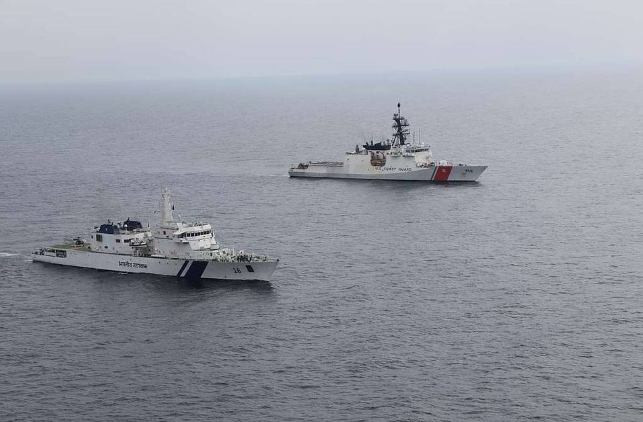
The Taiwan Coast Guard disclosed in April 2025 that “the PLA Eastern Theater Command exercises operational control” over CCG through “‘white hull’ law enforcement escorts, for ‘gray hull’ military operations.” Events of 2024 included missile target support by CCG cutters near Taiwan’s contiguous zone to aid PLA forces.
The overlap between law enforcement and the military further clouds the issue, as such forces will exploit the norm that coast guard ships are less provocative than traditional warships.
7. Asymmetric Warfare Focus in Taiwan
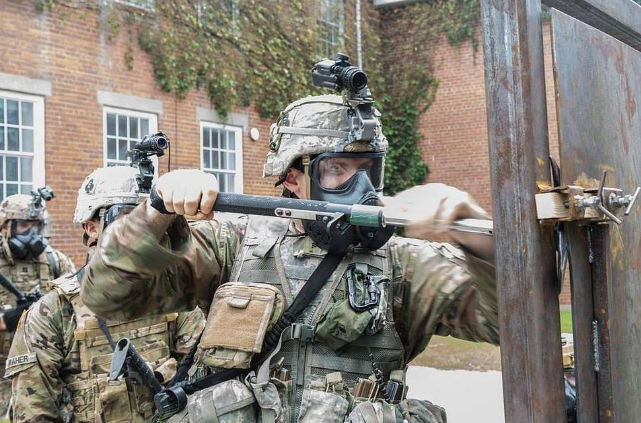
Taipei’s defense policies focus on developing mobile and affordable weapon systems that are able to deal targeted damage, and such systems are influenced by the advice of the US.
Platforms like the HIMARS system and the loitering drones are examples of systems that are able to deal targeted damage when faced by an enemy in superior numbers.
The approach has been supported with a supplementary defense budget of $40 billion by President Lai Ching-te up to the year 2033, as Taiwan targets to increase its expenditure to 5% of its GDP by 2030.
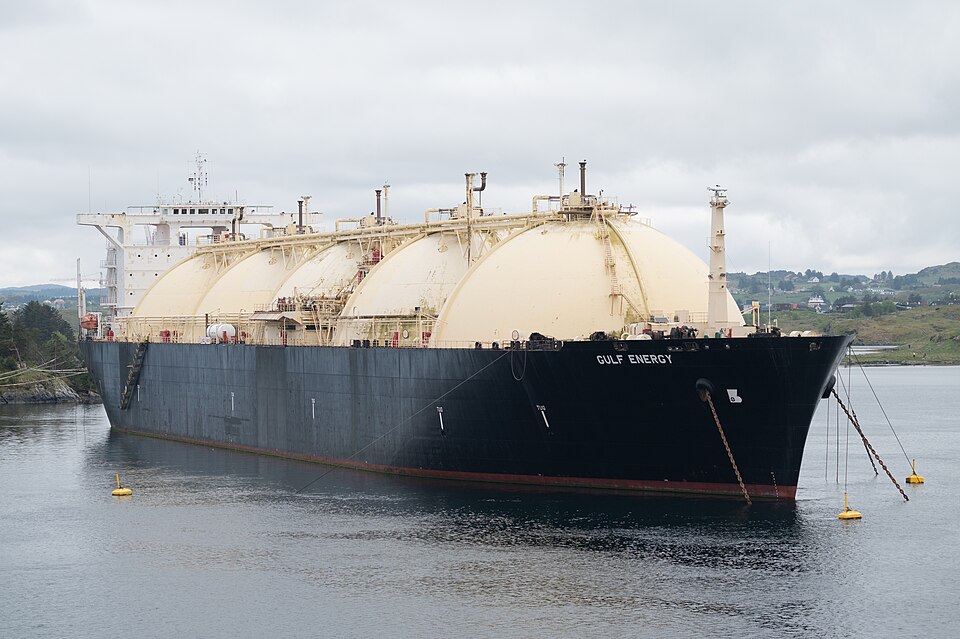
8. Effects on Worldwide Shipping
Quarantine or embargo action would affect the currently operating two-thirds of global trade through East Asian waters. Taiwan’s dependency on foreign LNG transport ships, providing almost half of its energy demand, faces the risk of interference by sea-based blockade.
European and Asian line companies would have to pay more for insurance and travel longer distances, and this would create economic ripples across the Taiwan Strait area.
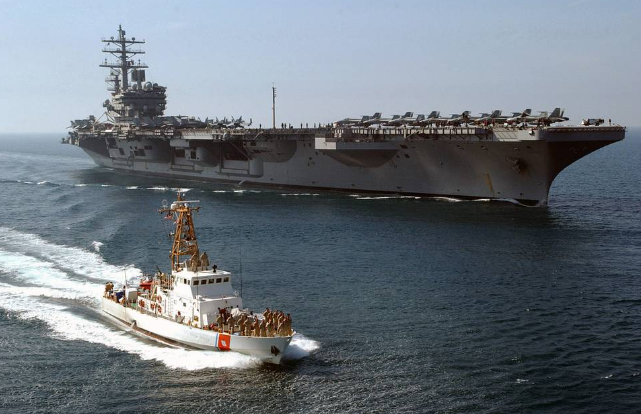
9. US and Allied Countermeasures
Experts propose joint patrols between the US Coast Guard and other allied forces in Taiwan’s exclusive economic zone to deter provocation from the CCG. Such patrols with Japan or the Philippines would also create a cost of provocation against China’s militarized law enforcement.
The European navies, with their knowledge and skills in the protection of merchant shipping, could assist in the convoy and command-and-control tasks, in spite of the geographical distance and other security concerns.

10. Symbolism vs. Substance in Beijing’s Moves
Though the sanction lacks the strength of economic deterrents, the message in the sanction is clear China is intolerant of foreign military presence in Taiwan. This comes on the heels of the announcement of the military sale to Taiwan. This is Beijing’s response to military presence on Taiwan. From a perspective that applies to defense contractors in the US, this incident illustrates commercial diplomacy and strategic deterrence and that geopolitical risk cannot be extricated from high-profile defense contracting arrangements.
The Chinese sanctions against U.S. defense contractors are only one component of a larger toolkit aimed at discouraging any military intervention in Taiwan and have employed the use of symbolic policies as well as possible quarantines and military-enforced policing. For military officials and watching policymakers, this incident serves as a further reminder of the need for a consideration of both the legal and operational verities that are creating tension across the Straits.


