“What can be seen, can be hit. What can be hit, can be killed.” These words spoken by General William E. De Puy in 1974 have come true in 2025, as what can be seen now can indeed be hit, thanks to advanced ballistics, making a whole new difference in war as targets are now shot not in volumes, but in calculated targets. Within the lengthy history of the U.S. military, accurate firearms have led to circumstances where wars are fought based on expertise and not just strength.
Whether in the jungles of Vietnam or in the mountains of Afghanistan, these firearms have ensured that American forces dictate terms of the war from a distance that attackers could not have been repulsed by their enemies. This list examines 10 of the most important precision weapons which have led to significant levels of overmatch for United States troops. These weapons are part of a tradition of engineering skills, hard training, and tactics which have led to a tradition of excellence in infantry warfare.
1. M40 Series – Marine Corps First-Round Dominance
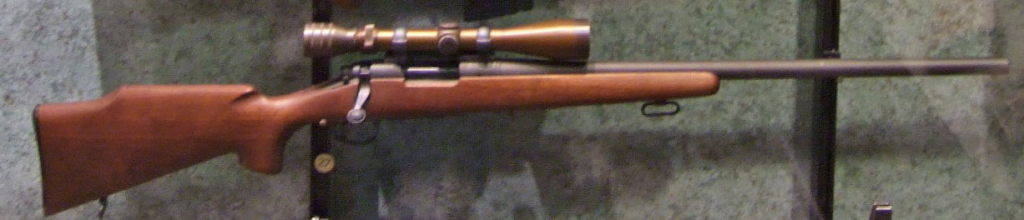
Born from a need in 1966, the M40 sniper rifle is perhaps the most well-known name within the history of precision marksmen in the Marine Corps. First chambered for 7.62×51 NATO and sporting the most accurate sniper training available on the market, the M40 ensured a first-round hit that the enemy could not even see coming. In this way, within Vietnam, their options were simply to come in under the cover of darkness or get out of range.
2. M24 Sniper Weapon System – Army’s Standardized Long-Range Reach
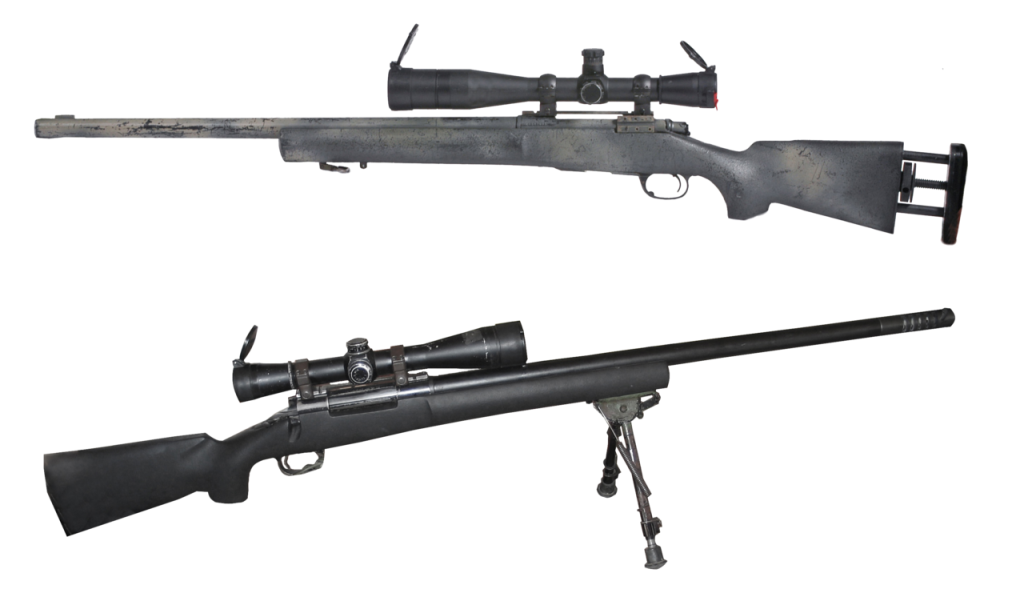
The M24, whose adoption occurred in the year 1988, brought accuracy to the sniper troops in the US Army. The sniper rifle, which had been developed on a Remington 700 action, had a 24-inch long barrel and trigger, which enabled the sniper rifle to engage targets up to 800 meters. The sight and performance features in the sniper rifle created a performance divide between the sniper and the enemy, which the enemy couldn’t fill, especially during the Gulf War, Afghan War, and other battles.
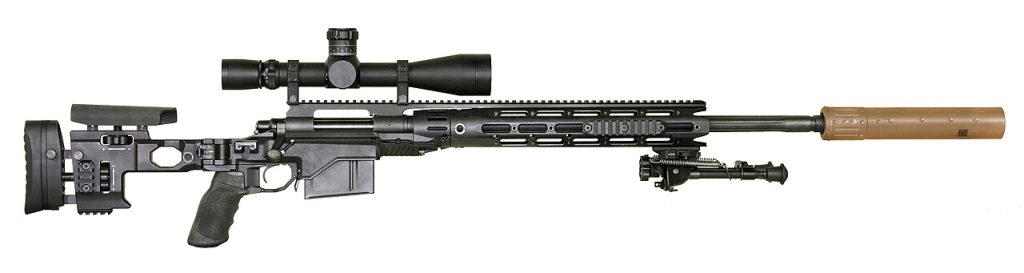
3. XM2010 Enhanced Sniper Rifle – Extreme-Range Engagements
The XM2010, which was launched in 2011, was the magnum-caliber version of the M24 and chambered in .300 Winchester Magnum. When paired with a Leupold Mark 4 variable power scope, the ranged capability of the XM2010 also went past the 1,200 meters mark. As ranges in the Afghanistan valleys were not limited, the US military personnel were able to hit the target at a range from which the fire from enemy positions would not be able to return.
4. Mk 13 Mod 7 – Modern Caliber Advantage
The Mk 13 Mod 7 rifle was employed in 2018 in USMC and SOCOM units and used extended ranges offered by the “.300 WM” and “precision optics.” The rifle was intended to cover mountain ranges and extended ranges and ranges that would be outside of normal sniper rifle ranges. Its deployment in special forces ensured that there was sufficient support and training offered to this rifle too.
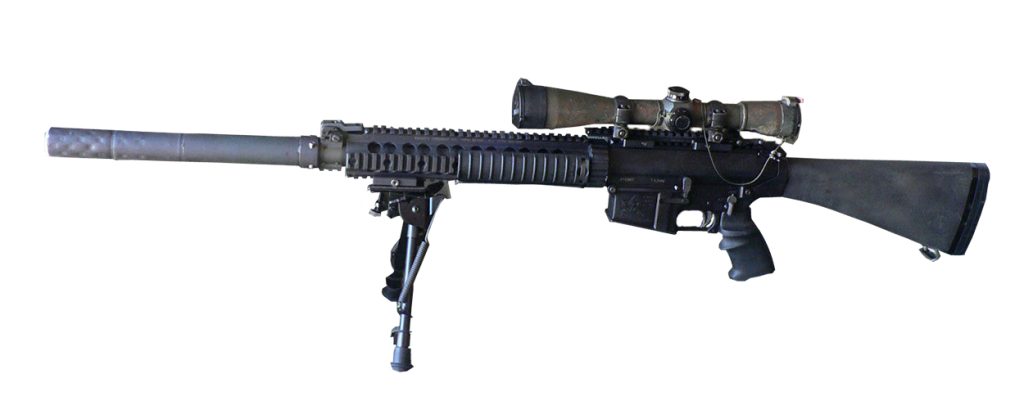
5. SR-25 – Semi-Auto Precision for Rapid Engagements
The SR-25, unveiled in 1991, featured sniper-grade precision and auto-automatic firepower. The 7.62×51mm NATO rounds provided SOCOM Special Forces operatives with the potential to discharge rounds on multiple targets within a short period without resorting to compromises regarding precision, a significant advantage in urban battles fought during the War on Terror.
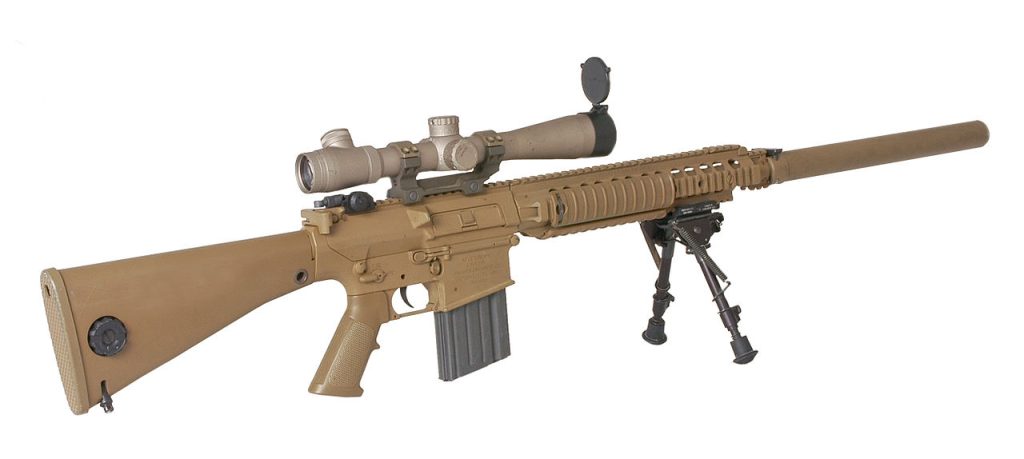
6. M110 Semi-Automatic Sniper Rifle Sniper System – Conventional Force Precision
The M110, standardized in 2008 as an American Army weapon, provided semiautomatic firepower to traditional units. The rapid follow-on shot redefined the rules of engagement in terms of tempo, which forced troops to rapidly silence and eliminate possible threats. The M110 SRS filled the “gap” in Iraqi and Afghan territories between traditional sniper rifles and designated marksman firearms.
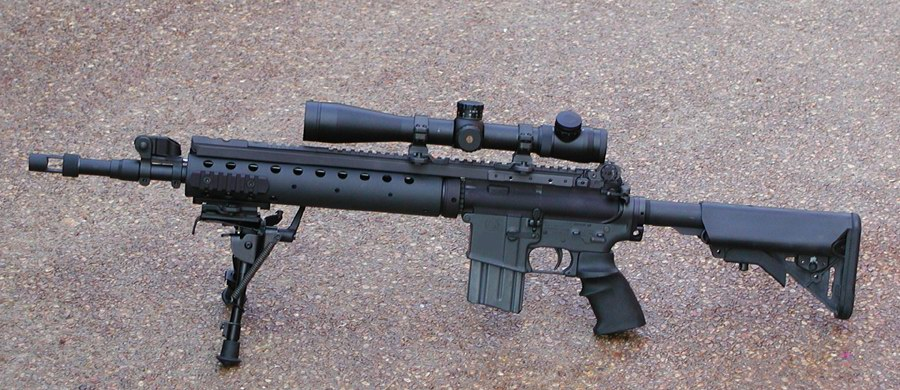
7. Mk 12 Special Purpose Rifle – Mid-Range Dominance
The Model Mk 12 rifle was developed in the year 2002. It offered precision fight capabilities to the infantry, similar to that of snipers. The Model Mk 12 rifle has a 5.56×45mm NATO cartridge and is used for medium-range battles. The Model Mk 12 rifle was used by the Special Operations Command units in the backdrop of the Global War on Terror.
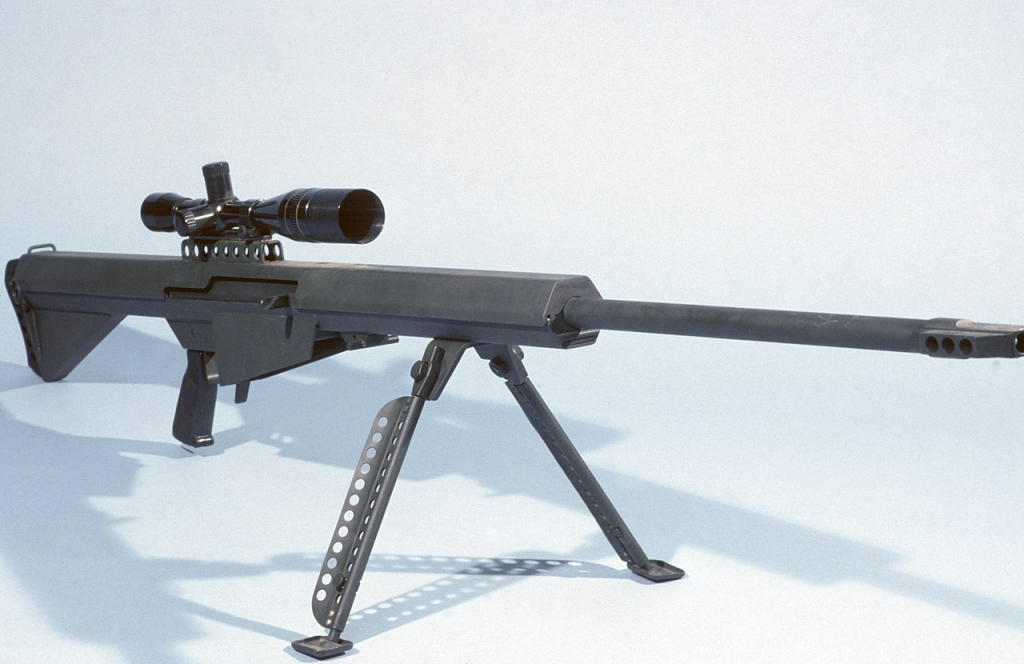
8. Barrett M82 – Overmatch anti-mater
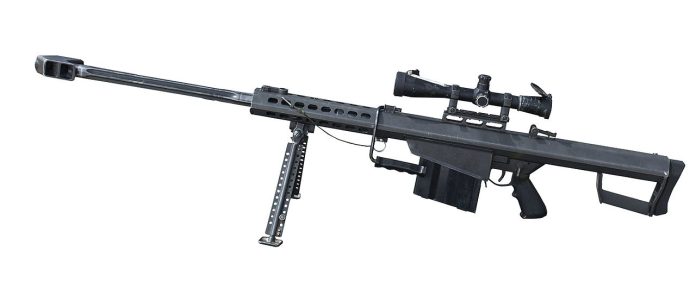
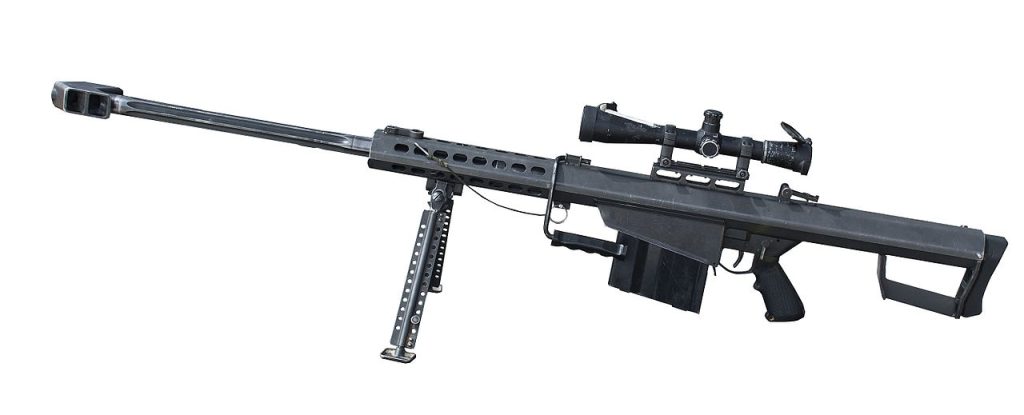
The Barrett M82 has been a symbol of the destruction possible over a long-distance trajectory since 1989. The semi-automatic rifle has a .50 BMG caliber capability of destroying automobiles, radars, and bunkers effective up to 2,000 yards. The ability of the rifle to be semi-automatic as well as the qualities it possessed are the things responsible for the transition of the .50-cal rifled sniper rifle into a shoulder-fired weapon.
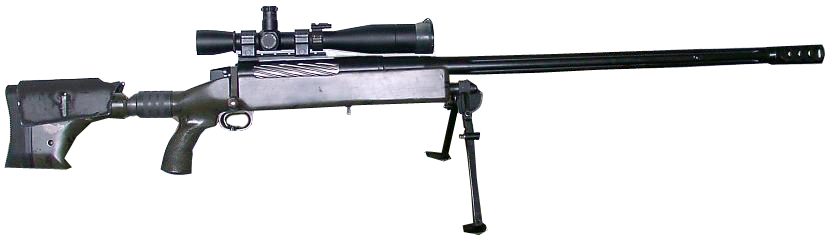
9. TAC-50 – Record-Breaking Extreme Range
In 2000, SOCOM began using a bolt-action sniper rifle called TAC-50 that extended ranges of engagements to previously unmatched ranges in history. The rifle fired .50 BMG ammunition and had Precision and Anti-Material capabilities. The experience of GWOT also highlighted ranges of precision at ranges that were beyond normal sniper ranges and that included psychological overmatch.
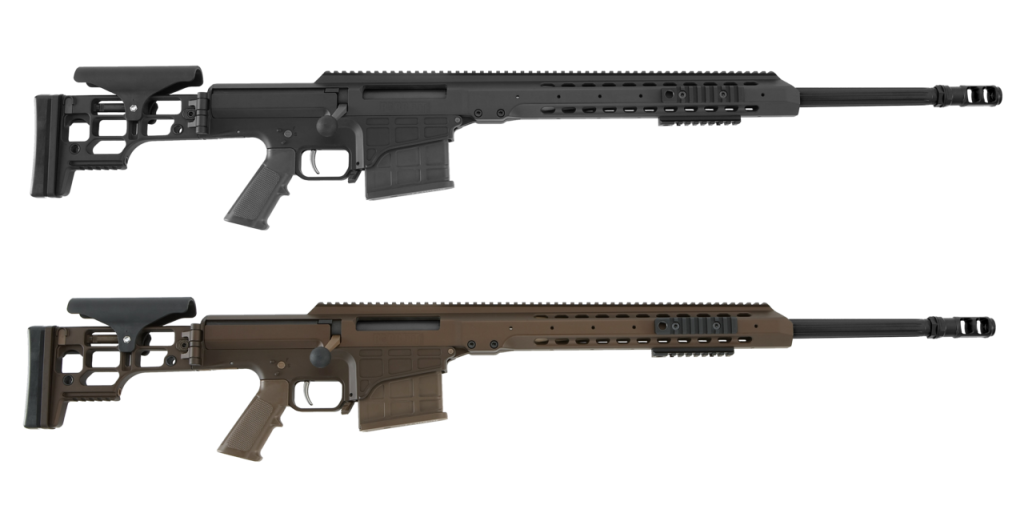
10. MK 22 Advanced Sniper Rifle – Multi-Caliber Adaptability
The year 2020 witnessed the introduction of the Mk 22, the first time mission type flexibility has been factored into the design due to the capability of quickly switching between barrels that vary in several sizes, such as .338 Norma and .300 Norma Magnum. As mentioned earlier, the inclusion of such technology indicates that the future of sniper rifles will revolve around being as modular and versatile as possible. Right from the M40 back in Vietnam to the multi-caliber futures of the Mk 22, these precise instruments have served as catalysts for change within U.S. infantry forces.
These represent the birth of U.S. military Precision Guns: no longer capable of large-scale death but instead structured for the precise placement of rounds technology, training, and discipline working together as a unit to achieve excellence over the enemy. How these sharpshooters will continue to achieve superiority over the rest will have to wait for a forthcoming challenge.


