
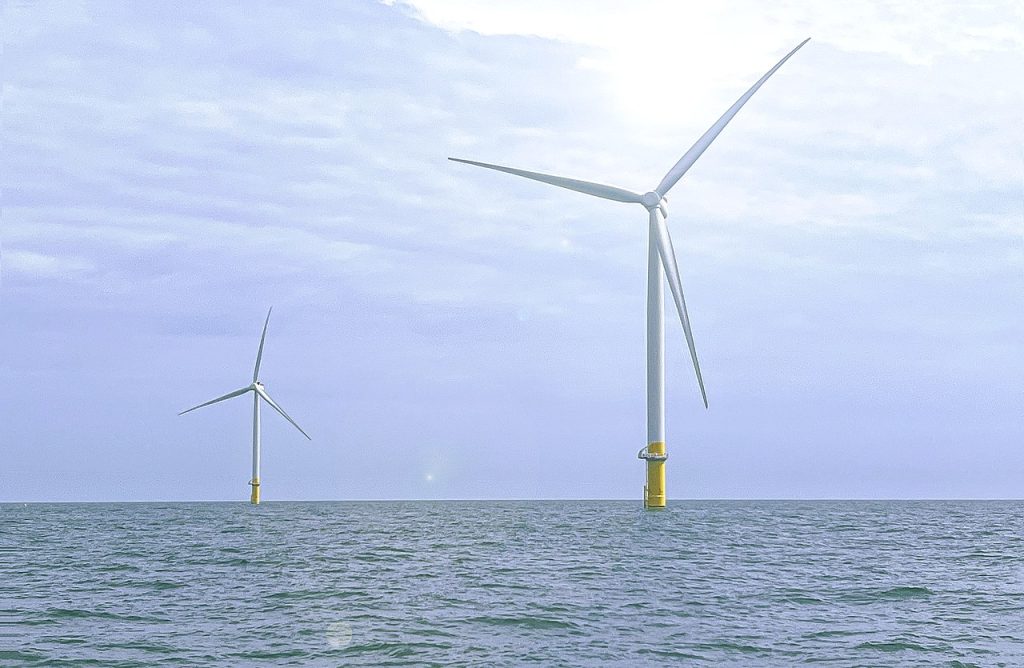
The United States wind farm industry was recently dealt a surprising blow by the Trump Administration, which suspended the federal offshore wind Lease Activity for the first time, at least for five projects under development in the East Coast region. The suspension is based on National Security concerns allegedly classified. The suspension follows development projects to totaling six gigawatts.
1. Extent of the Suspension
The Interior Department’s role will affect Vineyard Wind 1 in Massachusetts, Revolution Wind in Rhode Island and Connecticut, Sunrise Wind and Empire Wind in New York, as well as Dominion Energy’s Coastal Virginia Offshore Wind (CVOW). Several of these are already operational and are now commercially operational, with Vineyard Wind already operational with part of their 62-turbine project operational. Also nearing completion at 60% and boasting a capability to deliver more than two gigawatts and providing power for 660,000 homes is CVOW delivering to Virginia, which boasts the highest amount of data centers in the world and a rising power demand.

2. National Security Rationale
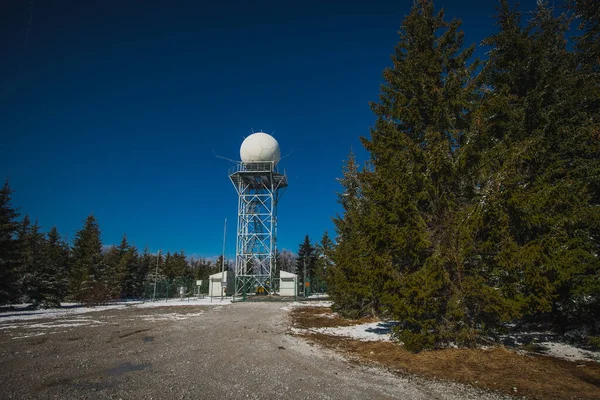
“The Pentagon has found conclusively that large wind farms can cause interference affecting population centers on the East Coast, Interior Secretary Doug Burgum told an audience. This problem is caused either by the motion of wind turbine blades or reflections from wind turbines that result in a phenomenon referred to as ‘clutter,’ which may mask real targets that appear to move while triggering false alarms.
Courtesy of coursera.org ‘Clutter’ can raise very serious questions about how one can distinguish ‘friend’ from ‘foe’ within our airspace,” said Secretary Burgum. Wind turbines have been found to adversely affect the warfare capacity of nations, especially where a large percentage of wind turbines are installed near the central military command headquarters, affecting the navigation system of the airplanes.
3. Physics of Radar Interference
The rotation speed of the blades of a wind turbine reaches almost 230 mph, which is sufficient for the Doppler system to identify it as a moving target. Height and reflectivity characteristics of wind turbines make their presence further contributing to low awareness levels for air defense, air traffic, and weather monitoring. An offshore wind farm may also produce an interference effect for the over-the-horizon radar because this system relies upon the ionosphere for the return signal due to the fact that ionospheres reflect the signals back.
4. Mitigation Technologies And Practices
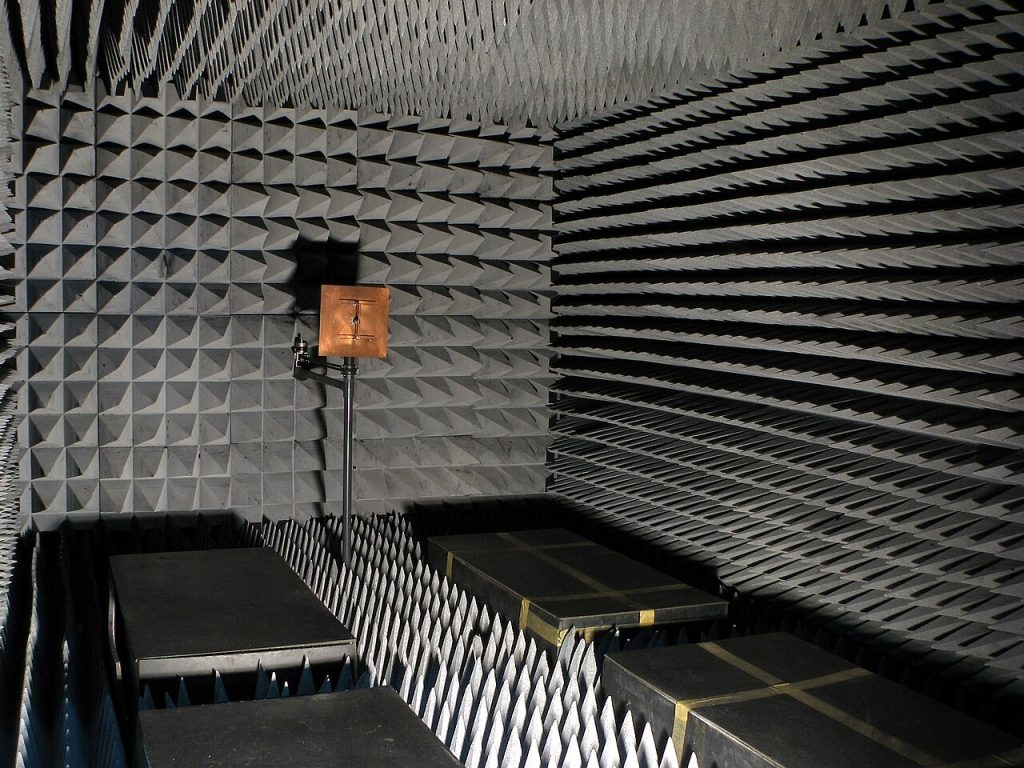
Mitigation technologies are also present for interference with radars, though these are not silver bullets. These are the following projects that are examined by Sandia National Laboratories: paints that are radar-absorbing, turbine shutdown methods, and the installation of the infill radar system. These are all inefficient, as painting remains costly, still gives blind spots, reduces the energy output, and the installation system is capital-intensive. Normally, the conflict problems are already solved by US-based offshore developments during the permit process through the alteration of the positions and capacity sizes.
5. Economic Aftermath
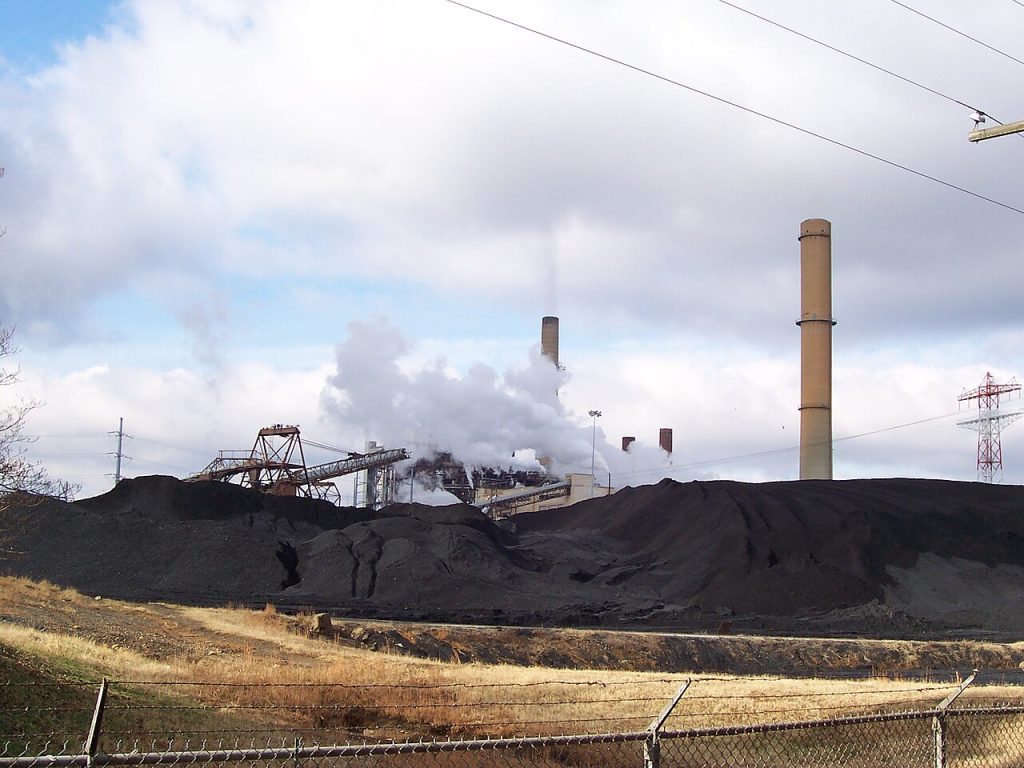
This triggered an immediate market response, and the shares of concerned developers such as Ørsted, Equinor, and Dominion Energy fell. Dominion Energy cited that a suspension of CVOW would threaten grid reliability it would trigger energy inflation and threaten jobs in the thousands. Ørsted admitted that their schemes are prepared to power a million households starting next year. The suspension is related to supply chain contracts, plans for port regeneration, and employee training programs depending on the launch of an offshore wind project.
6. Grid Integration Stakes
The diversification of the grid system through the application of offshore wind is a crucial factor within the regions of New England and Mid-Atlantic, considering the tight constraints facing the regions in relation to the availability of generation resources and the importation of liquefied natural gas. The project was expected to inject ‘clean electricity’ into the congested points. The grid system operator recently reported a ‘record high’ wholesale electricity cost.

7. Political and Legal Environment
A move is expected, which came after the order from the federal judge that Donald Trump’s earlier order was in arbitrary and capricious manner, suspending the permits of the offshore wind. Despite the move that was viewed as a risk evaluation suspension by the Trump administration, there has been criticism that came from those who believed that there was no information provided. The DoD had approved every single one of the leases, a move that was welcomed by supporters of offshore wind.
8. Foreign Precedents
Recently, Sweden postponed the implementation of 13 wind farms because the possible interference could limit its Missile detection time from two minutes to as low as 60 seconds, which adds another geopolitical layer to the interference. The UK and France have established guidelines for the military to site wind turbines in relation to radar stations. Most of the projects in Europe, however, have been approved after interference mitigation strategies have been established.
9. Strategic Energy Security Analysis
As per national security analysts and strategists like former Navy commander Kirk Lippold: This moratorium on US offshore wind energy places China on the cutting edge of wind and solar manufacturing because of China’s preeminent presence in the global solar and wind sectors. Offshore wind energy is of prime essence to Ai Data Centers’ functioning and providing power to critical infrastructural facilities like bases.
This moratorium places five leading edge projects in abeyance whose futures are fully comprehended yet politically blind-sided, opine energy analysts. For energy analysts and policy makers, a proposition pitting radar integrity against renewable energy development stands as a pivotal defining point in America’s halting of its extensive national defense needs against its pressing demand for new clean power capacity.


