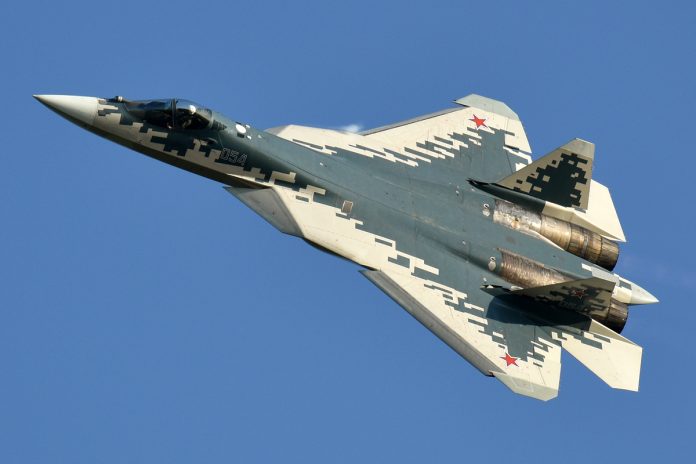
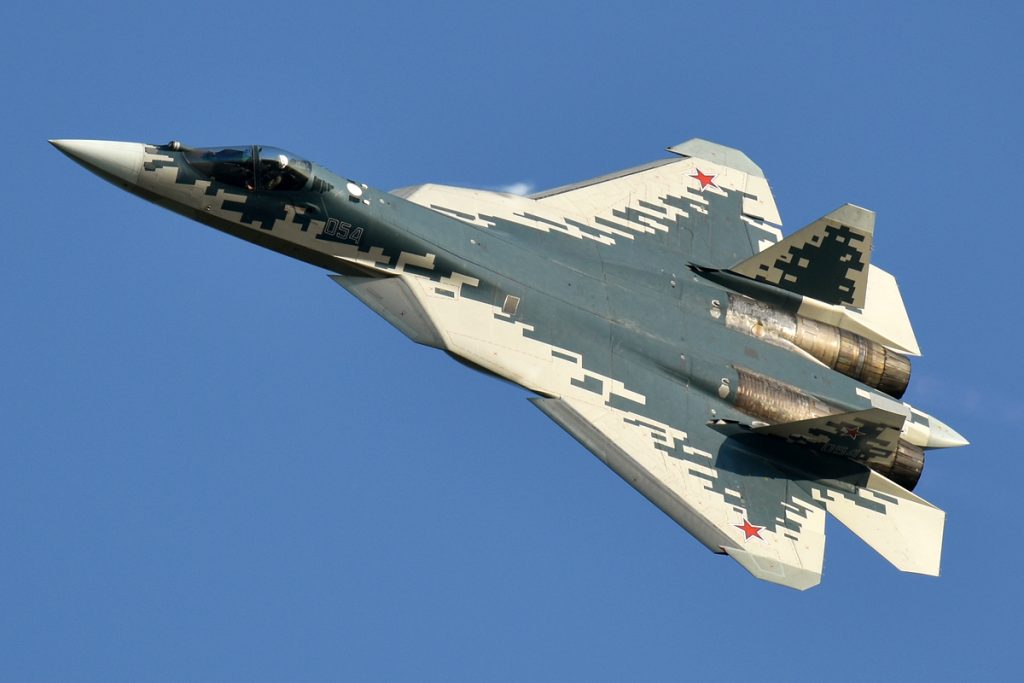
“Power defines air dominance.” That maxim has driven decades of fighter jet development, and Russia’s latest move vis-à-vis the Su-57 program underlines it. The first flight of the Su-57 fitted with the new Product 177 engine is a key milestone on Moscow’s route to a fully mature fifth-generation combat aircraft. Reliant upon interim engines, production delays, and sanctions-induced supply chain constraints have bedeviled the Su-57 for years. Now, with the first of what is expected to be 76 domestically developed high-thrust powerplants being fitted, Russia is demonstrating both technological advance and strategic intent.
This development is about more than outright performance-the product positioning in an increasingly globally competitive market headed by the US F-35 and China’s J-20. Herewith are nine insights that parse the technical, operational, and strategic dimensions of this development from thrust-to-weight advantages to export ambitions, offering a broad view of where the Su-57 stands in the evolving fifth-generation fighter landscape.

1. Product 177: A Leap in Russian Fighter Propulsion
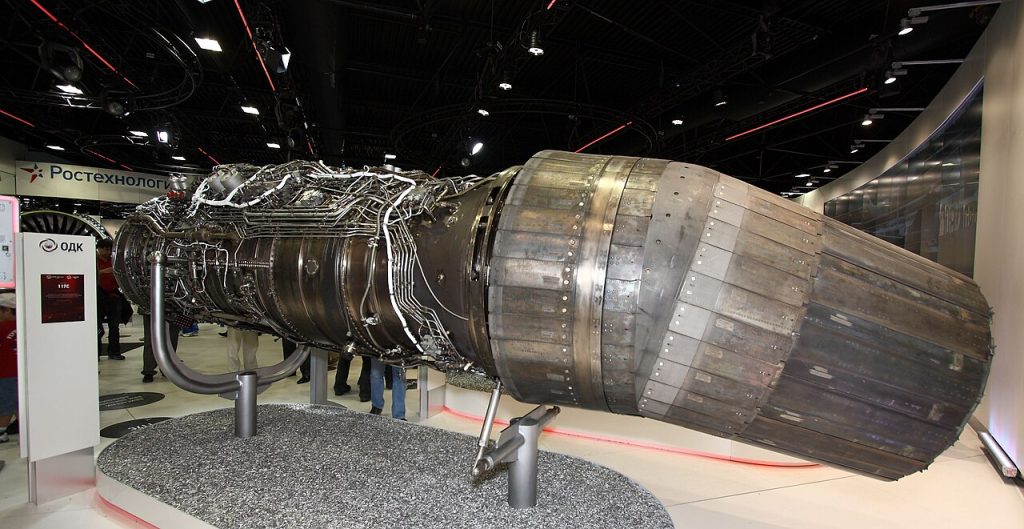
The Product 177 engine was developed by United Engine Corporation and is rated at 16,000 kgf of afterburning thrust, putting it in the same class as the F-22’s Pratt & Whitney F119. Rostec touts reduced fuel consumption and increased service life – both vital for long sorties. According to Evgeny Marchukov of A. Lyulka Design Bureau “innovative design solutions” and new materials provided the opportunity for such a performance leap. Beyond the peak thrust rating, the efficiency of the engine could potentially extend endurance and operating costs, thereby increasing mission flexibility. This would be a significant departure from the earlier Saturn AL-41F1 engines fitted to the Su-57, which failed to provide the aircraft with either adequate stealth or performance for a truly fifth-generation platform.
2. Efficiency Gains in Combat
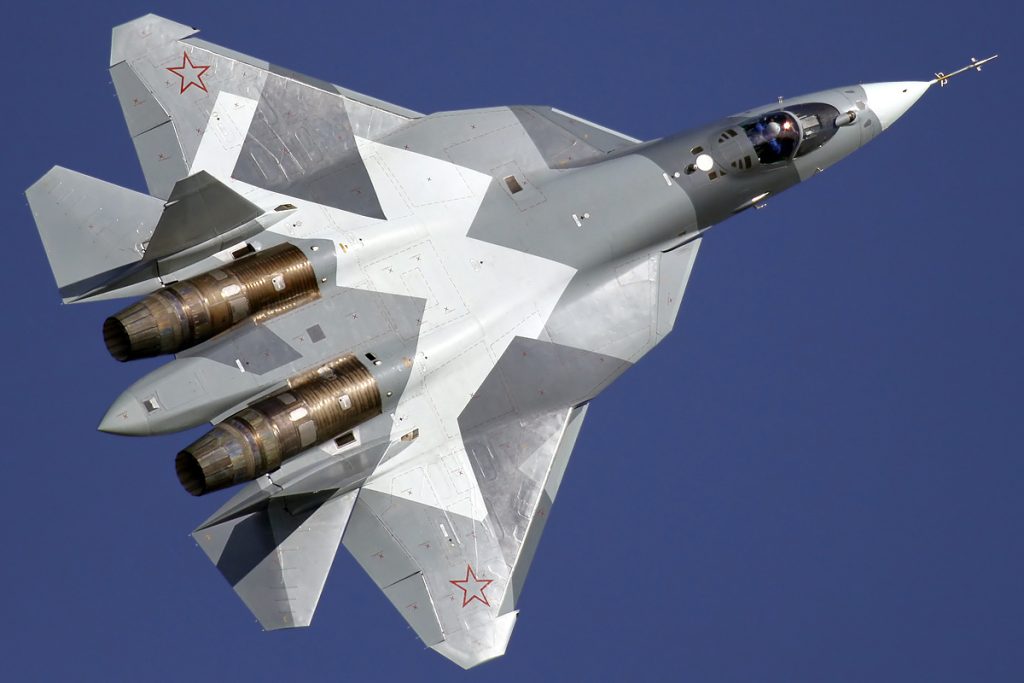
Higher thrust-to-weight ratios improve climb rates, acceleration, and energy management in air-to-air engagements. It also allows heavier internal weapons loads without flight performance degradation. Reduced fuel burn extends on-station time and supports longer-range missions-advantages in contested airspace where survivability is precious based on speed, altitude, and stand-off capability. These improvements are targeted to give the Su-57 a tangible edge in scenarios involving dense surface-to-air missile networks and advanced electronic warfare, where even incremental performance margins can determine mission success.
3. Stealth and Signature Reduction
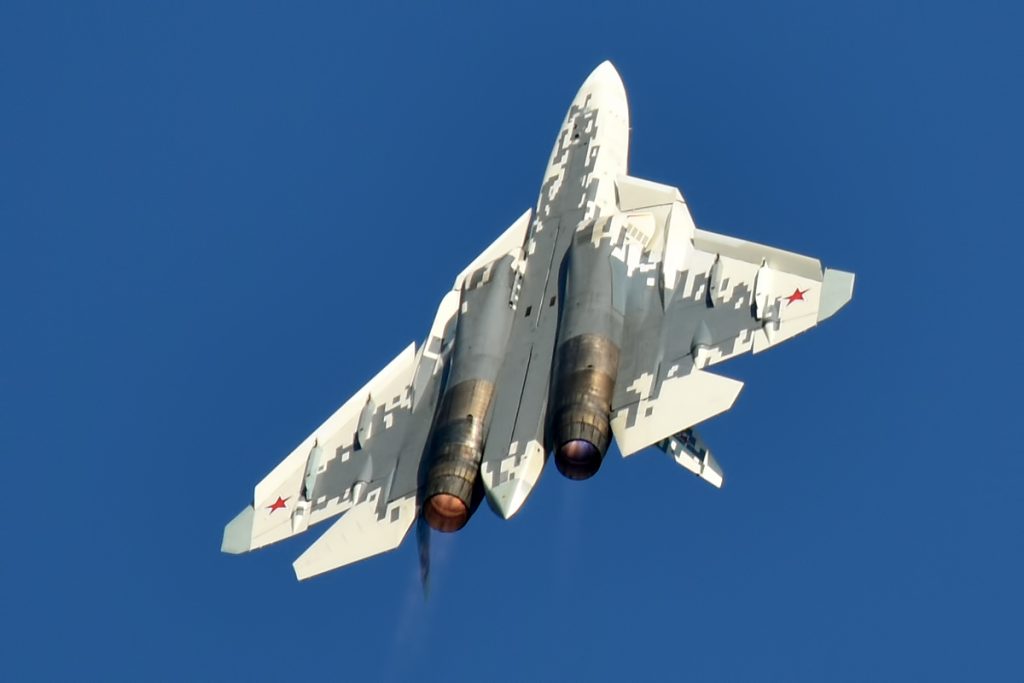
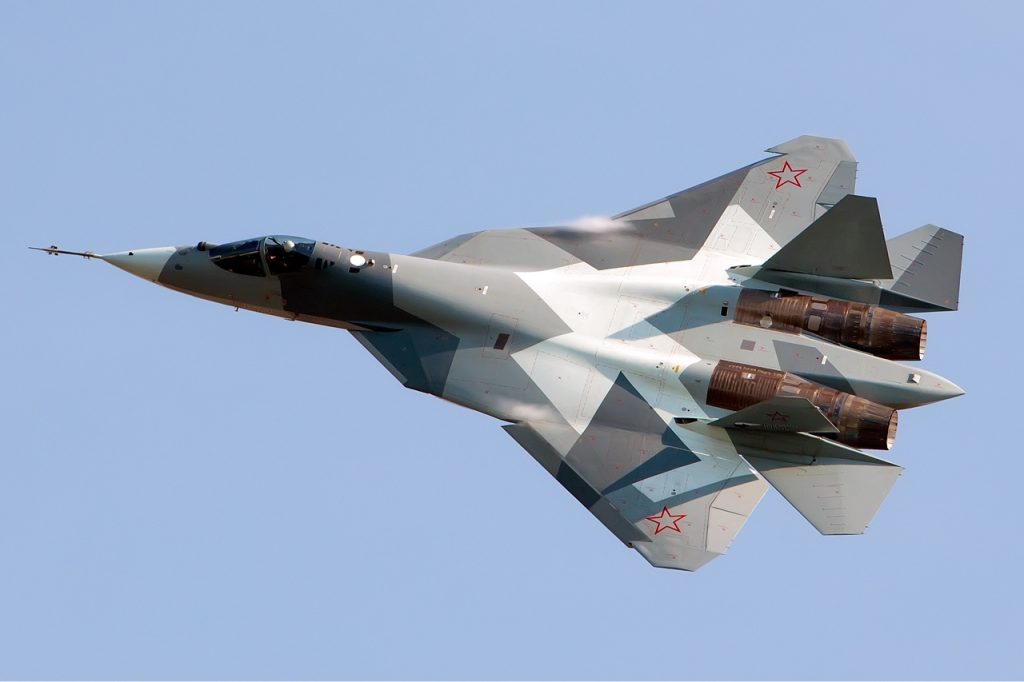
Product 177 features serrated exhaust nozzles, instead of the more common circular design. It further reduces both the radar and infrared signatures, a fundamental improvement for any stealth platform. Along with internal weapons bays and radar-absorbent materials on the Su-57, the new nozzles overcome what has been perhaps the longest-standing criticism of the aircraft’s radar cross-section. Analysts still question whether the Su-57 matches the F-35 or F-22 on signature management, but these refinements indicate a sustained push toward greater low-observability.
4. Evolution from Interim Engines
The early service of the Su-57 had to rely on the Su-35’s modified AL-41F1 engines-a compromise that limited both stealth and performance. Product 177 is the first fully new fifth-generation engine integrated into the platform and a signal that the program is transitioning toward its intended specifications. This development has been consistent with the Russian aim of maturing both the engine and airframe together, producing a coherent combat system rather than a stopgap configuration.
5. Industrial and Production Challenges
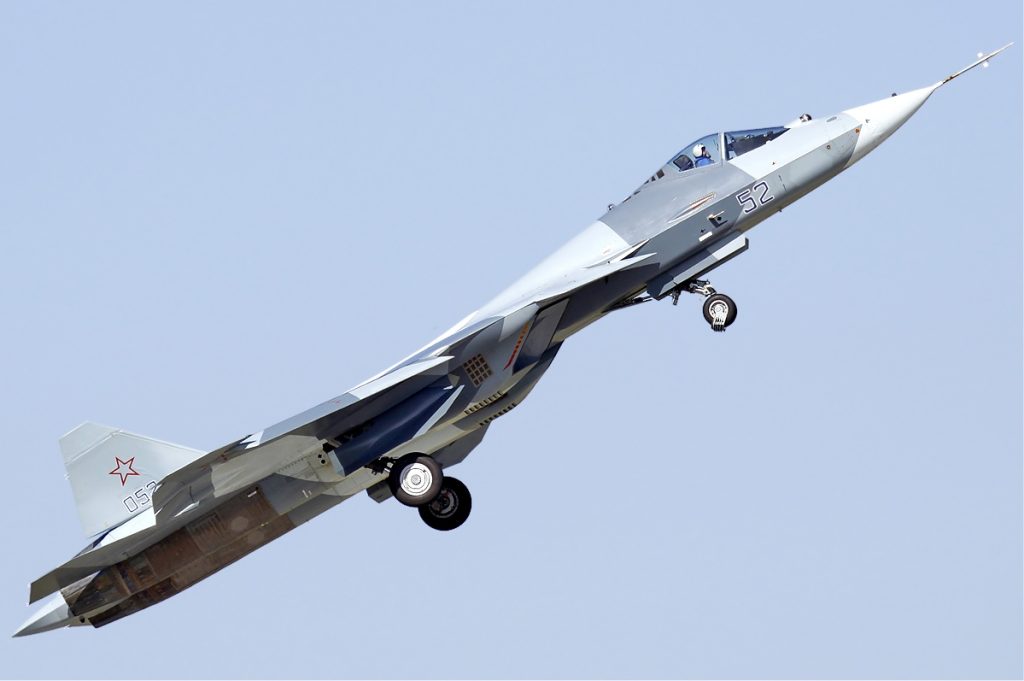
The financial burden, sanctions, and manufacturing bottlenecks have continued to hinder the plan by Russia to deliver 76 Su-57s by 2027. Current estimates of the operational numbers are a few dozen, given the failure of an aircraft plant responsible for production to meet set targets. While Rostec has announced plans for capacity expansion, sanctions continue to make access to sophisticated electronics and composite materials difficult, raising questions about whether the aircraft will be able to scale production to meet both domestic and export commitments.
6. Export Ambitions and Market Positioning
It has been marketed to India, China, and most recently at the Dubai Airshow 2025, targeting Middle Eastern customers. Russia offers sovereign-use rights to its full jet and avionics customization without any US-style export restrictions. There has also been reported interest from both Algeria and India, but no delivery orders have been disclosed thus far. For states not invited to participate in Western fifth-generation projects, Su-57E is an option.
7. Comparative Global Context
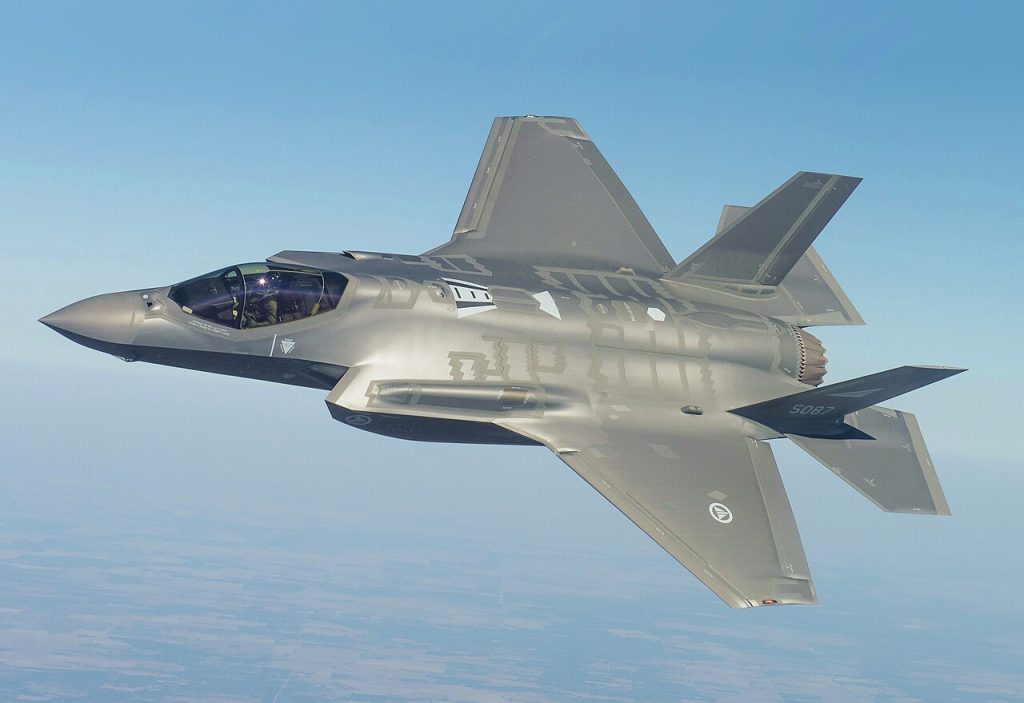
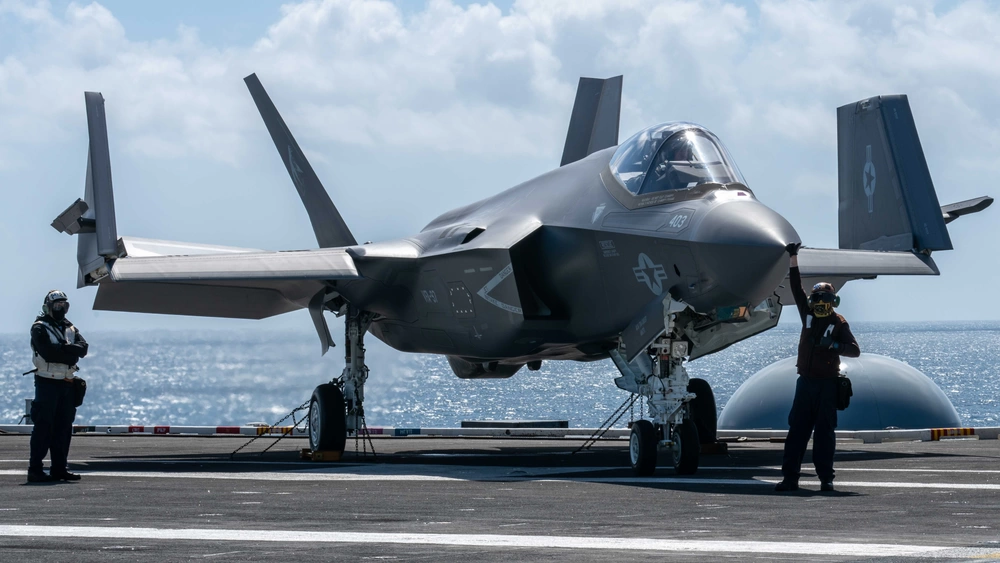
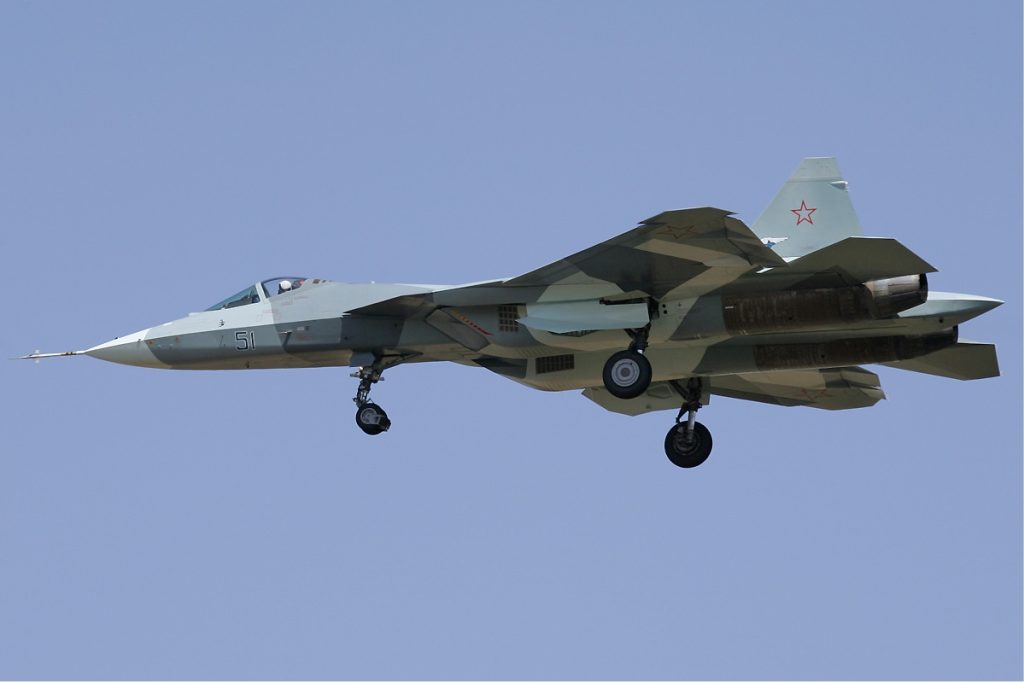
Compared to its peers, the Su-57 lags far behind in terms of production numbers. The US-led F-35 program has churned out hundreds of aircraft, and China’s fleet of J-20s continues to grow. The limited deployment of the Su-57 contrasts with the operational maturity of its competitors. In any case, with two Product 177 engines installed on the Su-57, this could provide a high installed thrust margin, putting it in the top tier of global fighter propulsion, even if it does not match every US engine parameter.
8. Operational Use and Combat Experience
The Su-57 reportedly has “performed excellently in real combat conditions” in the “Special Military Operation,” according to Russia, though independent verification remains scant. Reports indicate the jet has been utilized quite conservatively, if at all, perhaps firing missiles from standoff ranges only to avoid exposure. Indeed, Ukraine said it struck an Su-57 at an Astrakhan airfield in June 2024, a decoration to the risks faced by such high-value assets in modern conflict.
9. Strategic Importance
The maiden flight of Product 177 is more than a technical milestone-it denotes Russia’s intent to anchor the fifth-generation capability on a domestic industrial base. By integrating combat experience, ongoing upgrades to weapons and avionics, and a modern high-thrust engine, Moscow is setting up the Su-57 as the cornerstone for future airpower. The pace at which the engine moves from testing to series production will therefore be closely watched by defense planners, since this will determine both Russia’s operational posture and its competitiveness in the global fighter market.
The Su-57 Product 177 engine installation is a point of inflection for Russia’s fifth-generation fighter program. In as much as clear technical gains have been observed, the extent of influence it will impose on the course of world events depends on the resolution of manufacturing issues, confirmation of performance in real-world scenarios, and securing foreign demand. In a world filled with F-35s and J-20s, the way that the Su-57 comes into form will be a weathervane of Russia’s capability to continue entrenching and improving its air combat fleet over the course of the next ten years.


