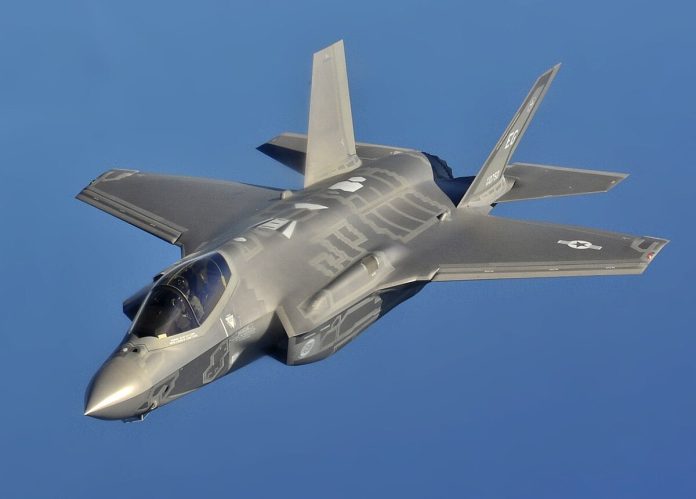
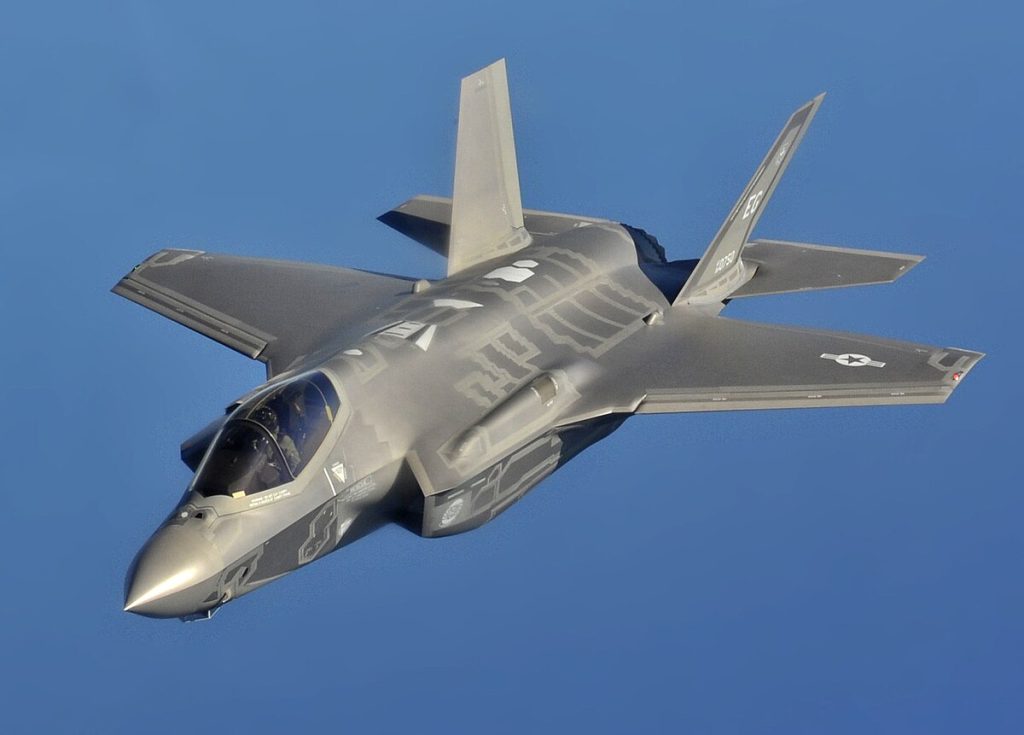
What is happening when fighter jets which are the state of the art of a Nordic country end up landing in the American South first? Delivery of the first F-35A Lightning II to Ebbing Air National Guard Base in Arkansas is not merely a logistical appendix, but an indication of how the northern wing of NATO is becoming a part of a global fifth-generation fighting web.
This achievement takes years of planning to procure, industrial negotiation and alignment of the strategy. It further brings out the strengthening transatlantic relationships that form the foundation of air power in the present day, where training, technology and interoperability begin to meet even before the aircrafts reaches their motherland. The Finnish program provides defense watchers with a case study of how a small yet competent air force can use multinational systems to the greatest strategic benefit.
1. Finland spends $9.4Billion on Fifth-Generation Air Power Leap
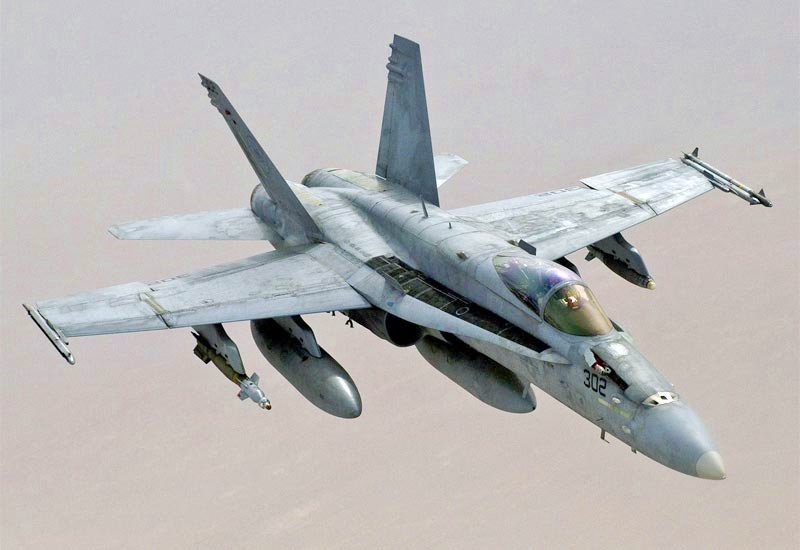
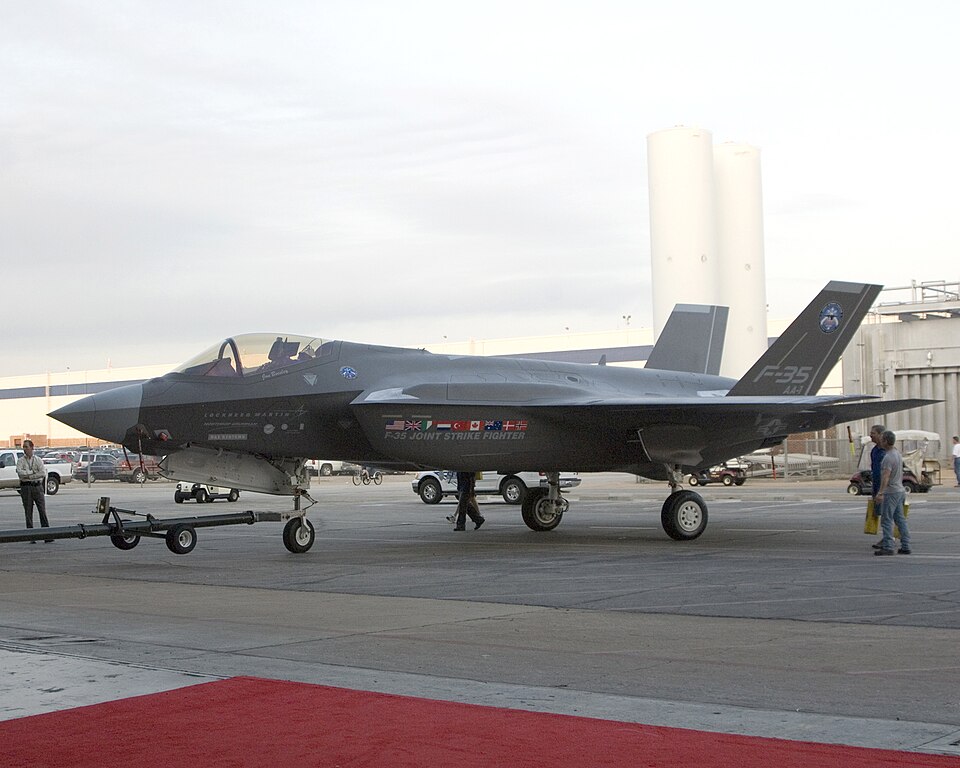
The move by Helsinki in 2022 to procure 64 F-35A CTOL variants is a landmark to abandon its ageing F/A-18 Hornets in favour of a stealth-based platform that operates on a multi-domain platform. The 9.4 billion contract makes Finland the biggest F-35 user in northern Europe by 2030. This acquisition as a result of the HX Fighter Program, Lightning II beat the competition such as the Eurofighter Typhoon, Dassault Rafale, and Saab Gripen, highlighting its multi-faceted stealth, sensor fusion, and networked war fighting ability.
2. Arkansas: The Finnish Pilot Training Hub the State of Unlikes
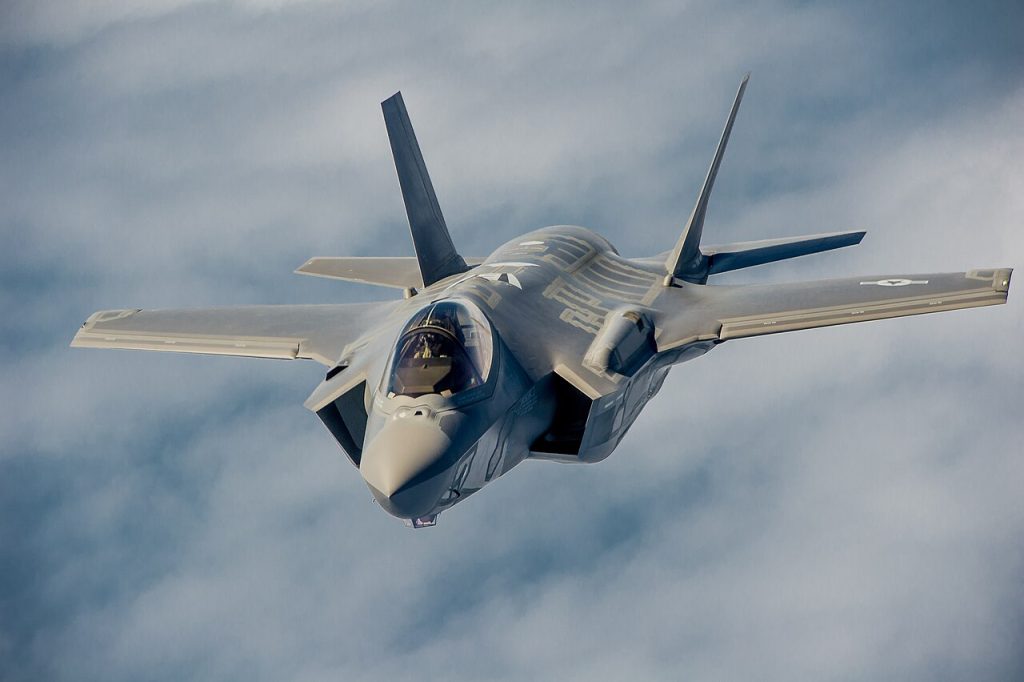
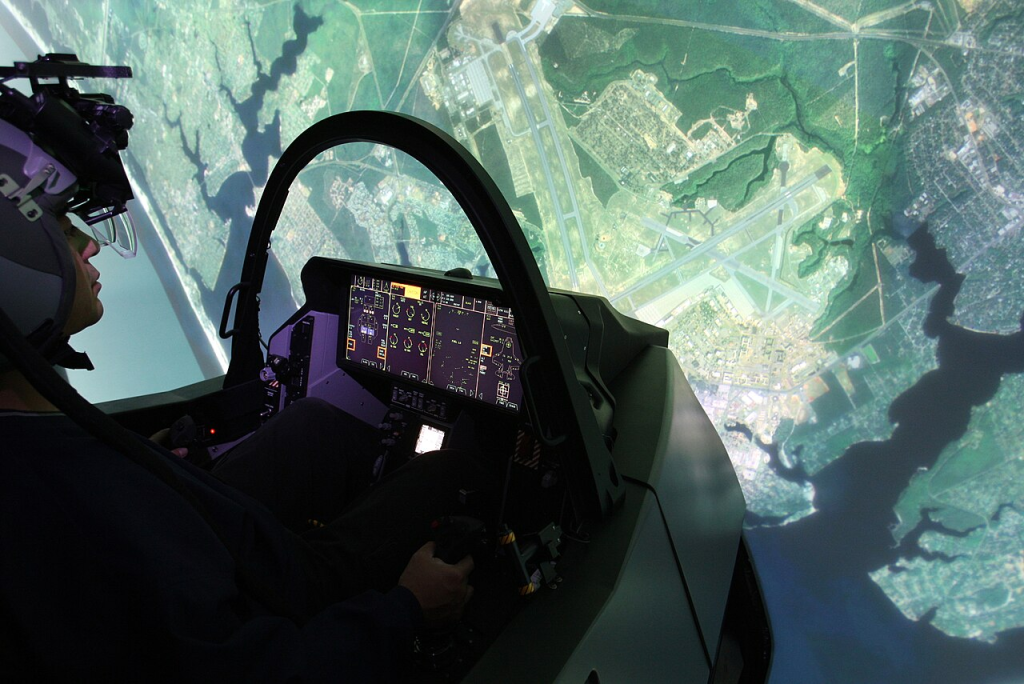
Finland pilots will be training in Fort Smith, Arkansas before their jets can ever reach Lapland. Seven more F-35s will be based at Ebbing Air National Guard Base to aid this action, and the first operational capability will be achieved at the end of 2027. This American-based training makes pilots be proficient in the aircraft-systems under NATO-standard tactics so that interoperability is achieved even before they fly the first flight.
3. The F135 Engine: Power and Limits
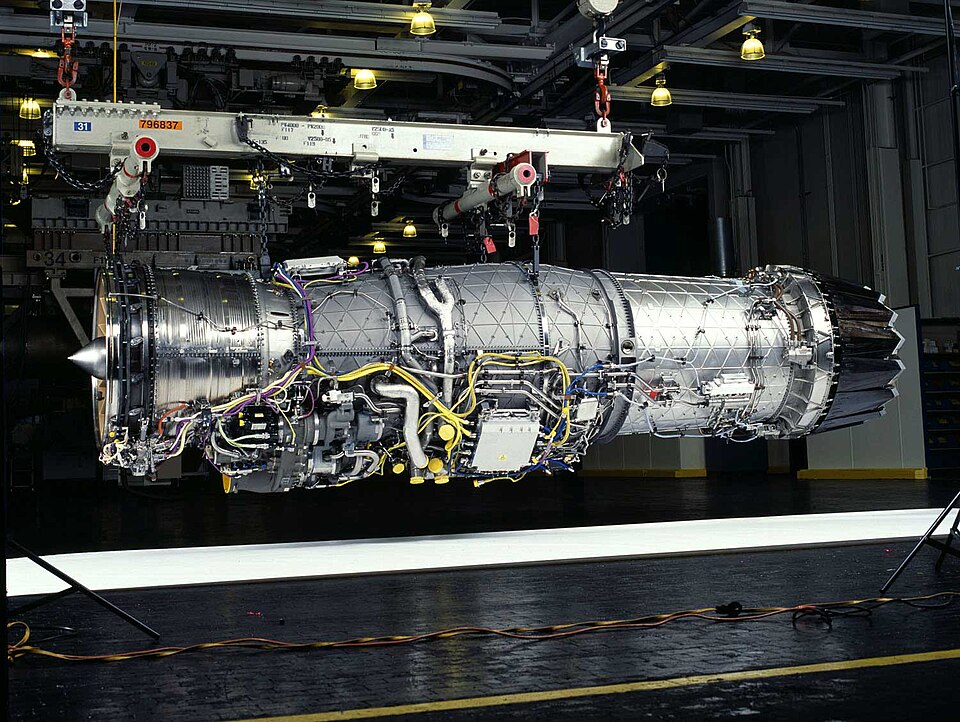
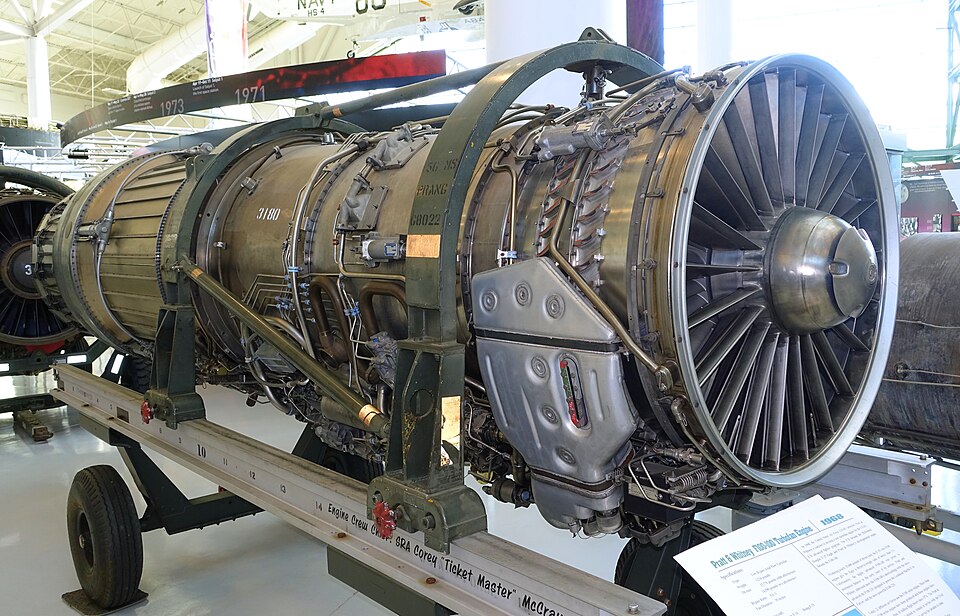
The core of the F-35A is the Pratt & Whitney F135-PW-100 which provides 43,000 lbf of afterburned thrust. Eric Wicklund, a former US Navy Operations Specialist, observes that it has a better thrust to weight ratio than the F-22, with its larger diameter limiting its performance to Mach 1.6. The introductions of Planned Engine Core Upgrades will increase range, thrust and thermal management in support of the future Block 4 capabilities, but will not be available in the market until at least 2031.
4. Modernization of Technology Refresh-3 and Block 4
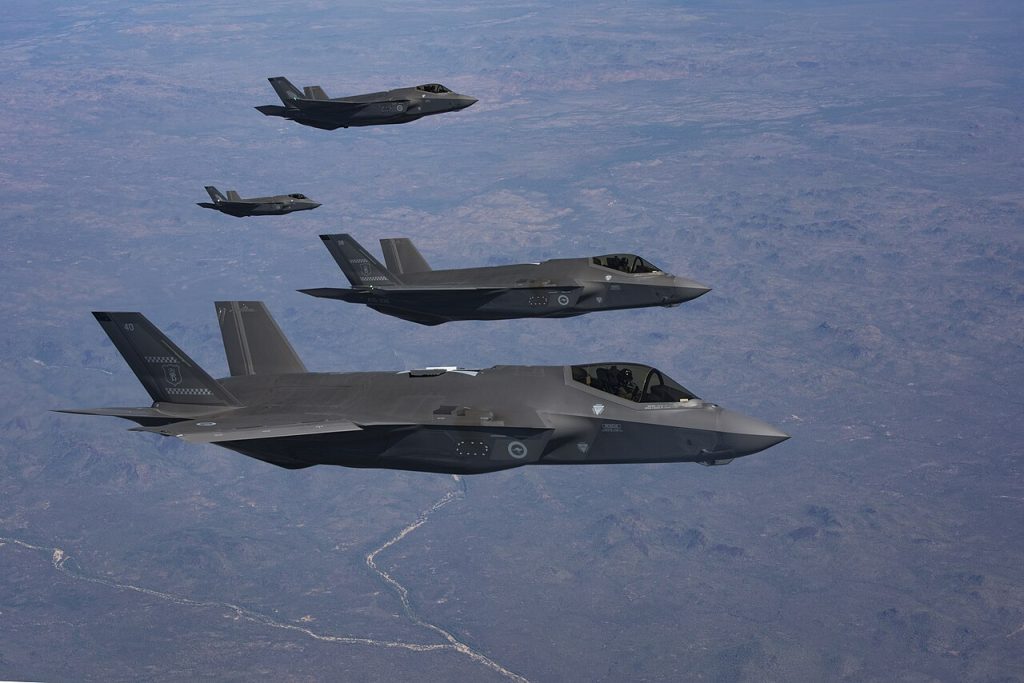
TR-3 upgrades will also be made on all Finnish F-35As, to provide hardware compatible with the late Block 4 package. TR-3 introduces improved electronic warfare, processors and improved target options. The GAO reports however indicate that Block 4 completion can slide to 2031 with some of the post-Block 4 capabilities not occurring till 2033 as a result of engine upgrade delays. This implies that the capabilities of the jets in Finland will grow in a span of over ten years.
5. Industrial Participation: Finland 30% Offset
Finland was able to obtain an industrial cooperation deal at 30 percent of the price of F-35. This involves mass-manufacturing of front fuselage, structure and engine finalization to its fleet. This kind of involvement does not just make Finland part of the global supply chain, but also protects national experience and supply resilience of aerospace production.
6. NATO Interoperability and Cross-Servicing
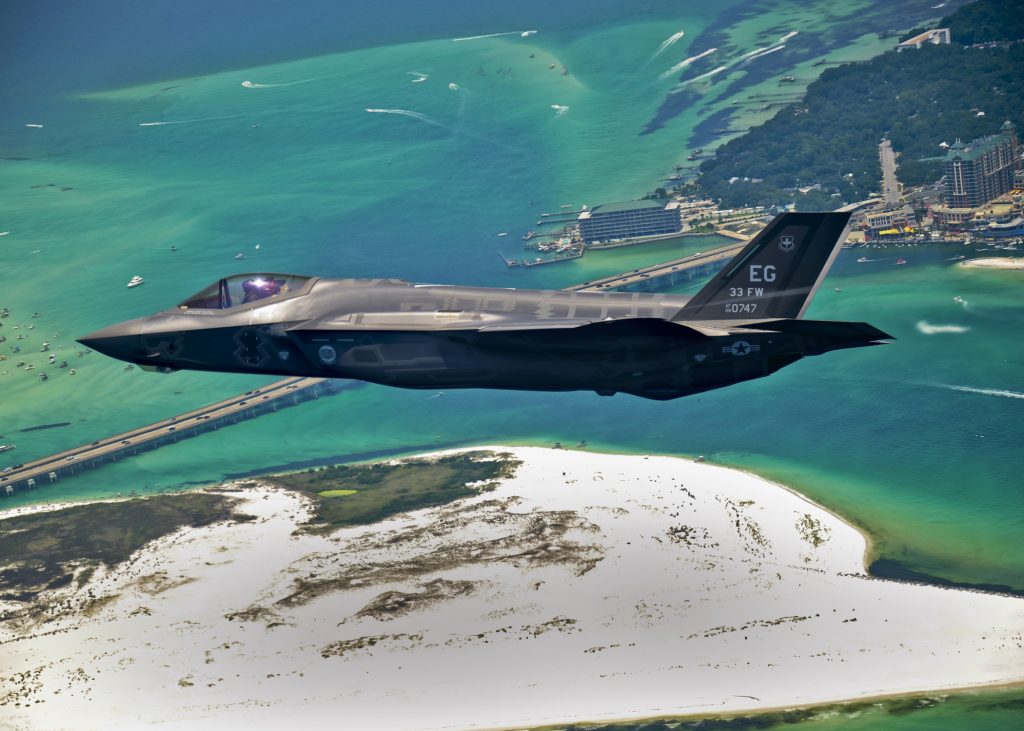
By 2030 more than 400 F-35s will be based in European NATO bases with a total number of 600 by 2035. The common base enables Aircrafts of allies to arrive at any partner base, get fueled, armed and serviced. This has been proved when USAF F-35As were deployed in Ørland Air Station, Norway, and was serviced by all Norwegian personnel that Gen. James B. Hecker termed as an indispensable ability in enhancing operational capability across borders.
7. Northern Flank Strategic Position
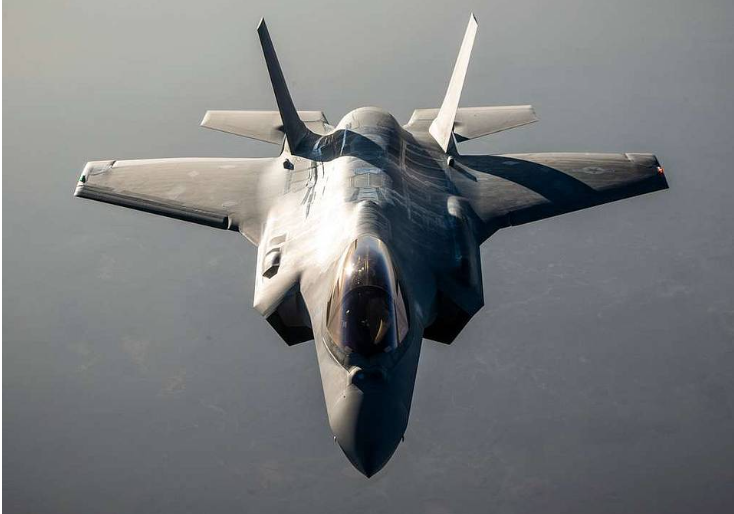
Defense Minister Antti Hakkaenen stresses the position of Finland as a reliable defense partner in the north flank of NATO. The survivability and lethality of the F-35 is programmed to fit the Nordic operational environment where quick reactions and the capability to integrate with the alliance forces is an important consideration in preventing threats in the Baltic and arctic regions.
8. European F-35 Momentum
Finland is not the only European to make a purchase, with Norway having bought 52 F-35As, and Germany buying 35 units to occupy the NATO nuclear nuclear strike position. This pooling improves interoperability, but creates doubts over excessive reliance on one platform. The proponents claim that the strategic benefits of stealth, sensor range and connectivity are more important than the dangers, particularly considering the logistics and maintenance network of NATO as a whole.
9. Problems with Production and Delay with deliveries
Lockheed Martin and Pratt & Whitney have suffered late delivery with all 110 jets in 2024 receiving late delivery because TR-3 was late. The GAO condemned incentive systems that enabled the contractors to get fees when late. In the case of Finland, such delays may translate into a phased capability build up, and this has to be carefully planned in terms of operation.
10. Upgrade Path and Long-Term Service
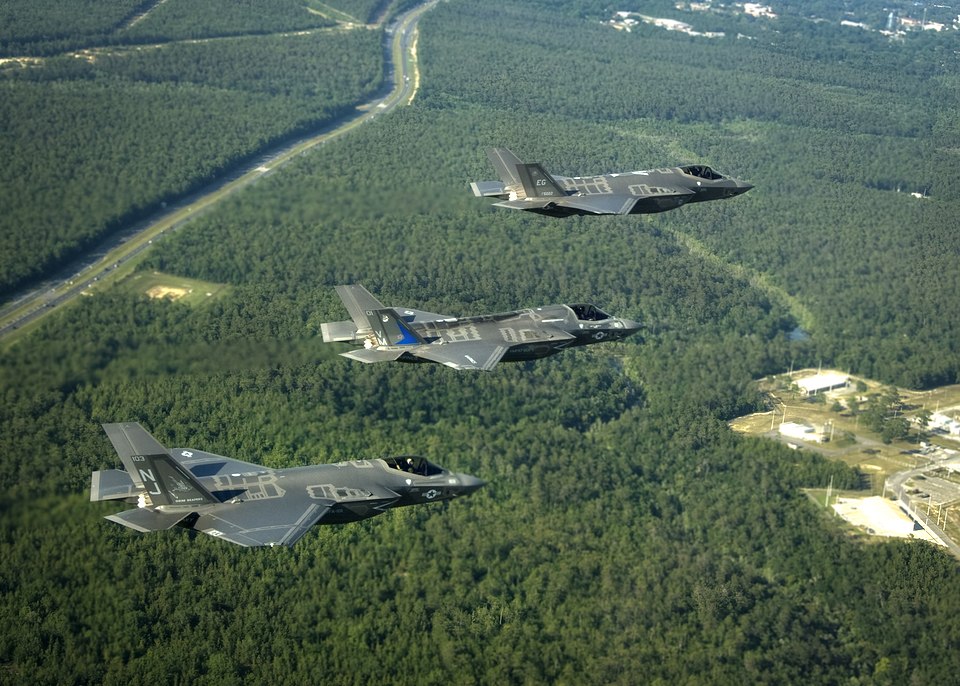
The F-35 is projected to have a lifespan till the 2080s, and sensor, weapon, and software upgrades are to be made in a modular fashion. In the case of Finland, this guarantees that the fleet will remain relevant together with sixth-generation fighters in the future. The experiences of the F-35 operations already feed into the plans such as the Global Combat Air Programme, ensuring that the jet remains a combat asset and a technological bridge.
The F-35 procurement-to-Arkansas-training case in Finland shows that modern air power is not only integration-focused and industrial strategy-based, but also a question of raw power. This entrenching in the fifth-generation ecosystem of the NATO, though, not only enhances the defense posture of Finland, but also adds to a larger ecosystem that is oriented to deterring and, in case it is needed, winning high-end conflict. What lies ahead will be upgrading of technology, industry cooperation, operational modification but the strategic dividends are very much evident.


