

“The universe is under no obligation to make sense to you.” These are the words of Neil deGrasse Tyson, and they are very relevant as we consider the puzzle of life’s origins. Traditionally, for the past several decades, the story told about life’s emergence had this as its central tenet: life originally began inside our planet’s primordial oceans. But with the new information gathered through asteroid explorations and advanced mathematical models of shock synthesis, this traditional narrative is rapidly evolving and gaining credibility for panspermia the theory that the building blocks of life or even life itself came to our planet from elsewhere in the universe.
1. Organic Chemistry in Locked in Ancient Asteroids
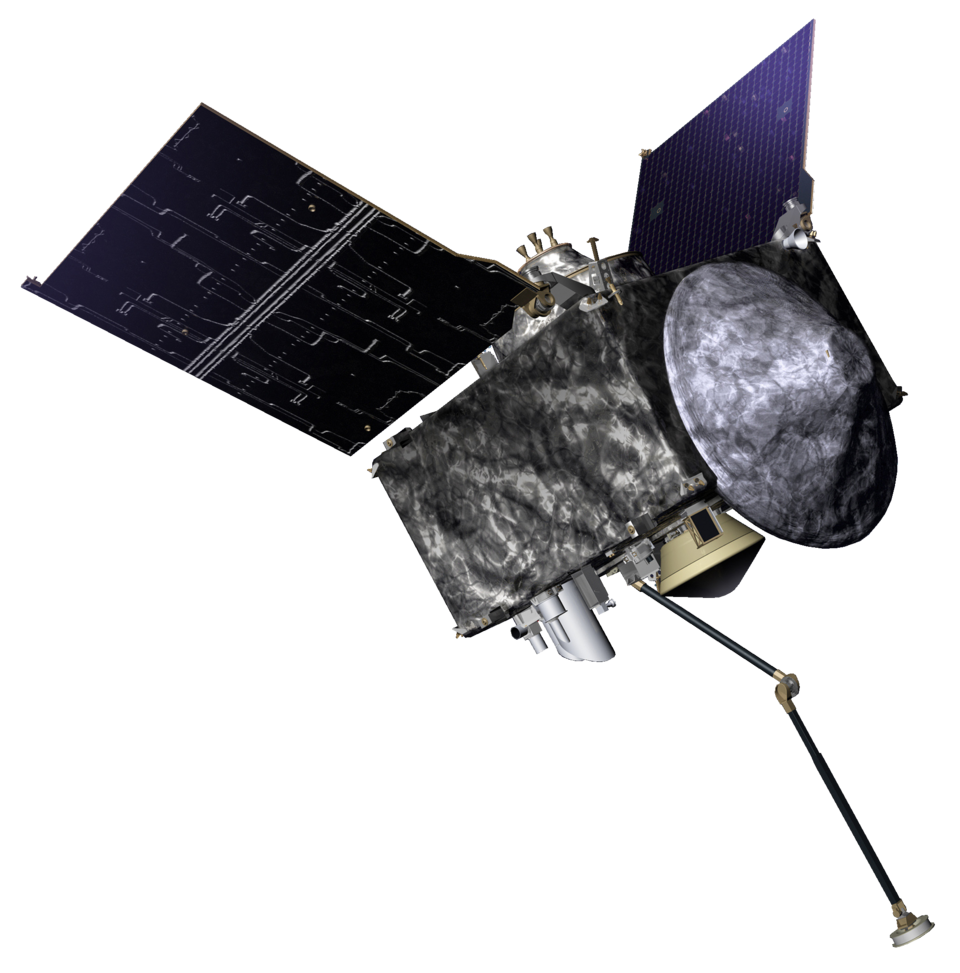
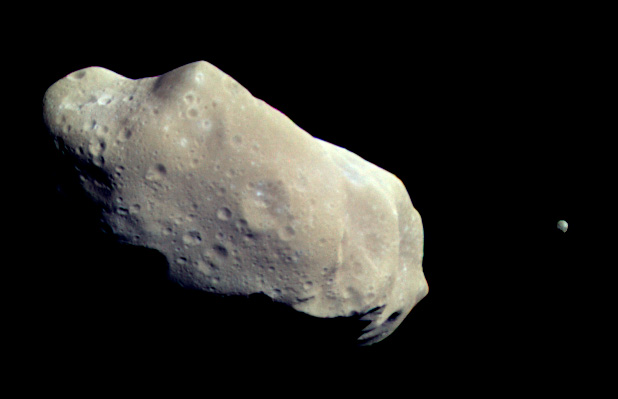
More recently, the characterization of pristine asteroid samples has uncovered a surprising chemical treasure trove. The OSIRIS-REx asteroid samples retrieved by NASA’s OSIRIS-REx spacecraft contain 14 out of 20 amino acids found in proteins on Earth and all five nucleobases found in either DNA or RNA. Japanese spacecraft Hayabusa2’s samples obtained from Ryugu contained carbon, ammonia, salt, and other organic compounds necessary in the formation of life. Organics in the samples were locked in minerals rich in salt, indicating aqueous alteration in the parent body of the asteroid, a “wet world with ammonia-rich brine solutions that could catalyze complex chemistry in the past.” The absence of contamination in the samples lends further credence to the theory that these components of life are present in outer space and could have successfully made their way to Earth.

2. Shock Synthesis: Comets and Life Fact
Simulations made on Earth’s laboratories have also shown that icy comet collisions could produce amino acids. In a study at Kent University, projectiles comprising 7.15 km/s asteroids collided with ice analogs to form glycine, as well as L-alanine and D-alanine, among other amino acids. The model, which uses shock compression and rapid heating, only needs water ice, ammonia ice, and carbon dioxide ice. The discovery could make places far beyond our solar system, such as icy satellites like Enceladus and Europa, into potential habitats.
3. Radiation-Driven Synthesis in Meteor
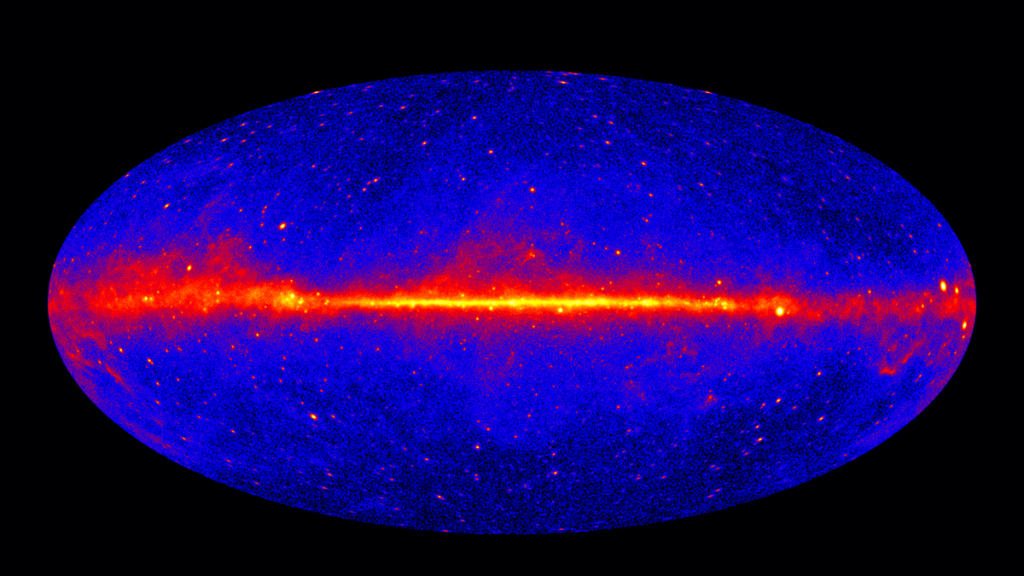
Another mechanism for the production of extraterrestrial amino acids has been proposed to utilize gamma-rays emitted through radioactive decay. Simulations involving the radioactive decay of Al-26 in carbonaceous chondrites demonstrated that gamma-ray irradiation of aqueous solutions of ammonia-formaldehyde led to the production of α-and β-amino acids, which take a production time scale estimated to range between 1,000 and 100,000 years, as compared to those found in the Murchison meteorite.
4. Space Survivors: Biological Resilience
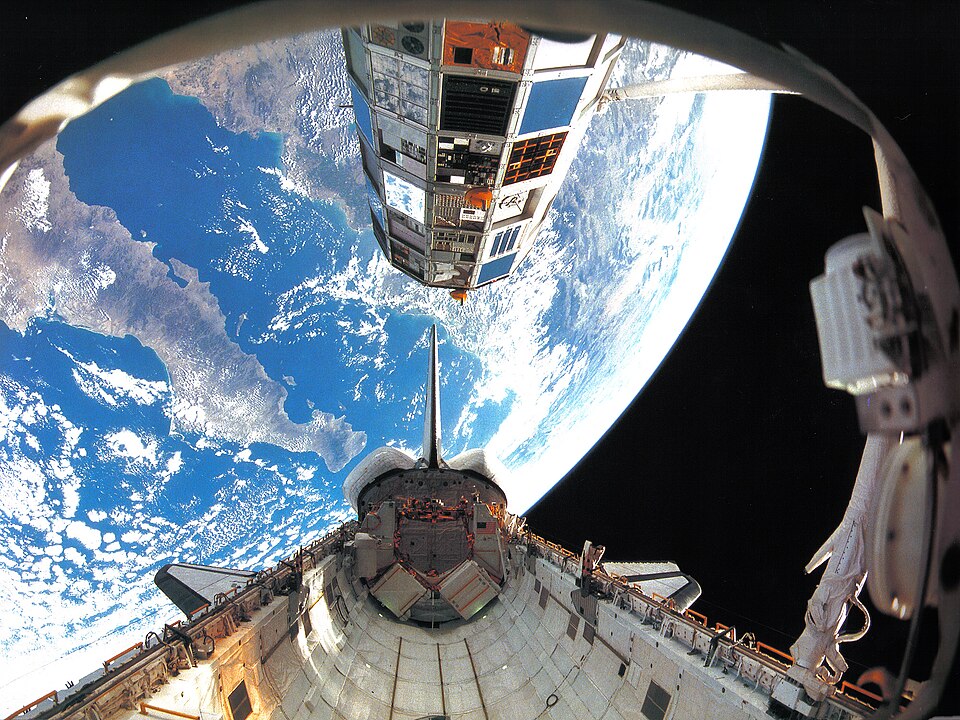
The viability of panspermia depends on the survivability of life in space travel. Tardigrades have successfully been exposed to vacuum conditions, radiation, and ultra-cold temperatures in orbit around the earth. In laboratory experiments, there was 80% survivorship of bacterial spores in layered formations protected from ultraviolet radiation during space exposure. Laboratory results clearly show that there are microorganisms that can survive interplanetary transport requirements and thus confirm the viability of the concept of lithopanspermia through interplanetary transport in rocks.
5. Mathematical Limits to Spontaneous Life
“Applying the theories of information and algorithmic complexity, Professor Robert Endres estimated a minimum amount of organized information required for a protocell at one billion bits.” In a plausible pre-biotic setting, the formation of random molecules would be an experiment with timescales grossly increasing the age of the universe by millions of times. “The ever-driven arrow of entropy adds to the difficulty.” In short, a directed process would be required for the biotic building of a reasonable timescale on the early earth, possibly assisted by physical catalysts or even directed panspermia.

6. Proto-Earth’s Distinct Chemistry
Studies led by MIT have found isotope anomalies in potassium from ancient rocks in Greenland, Canada, and Hawaii to be deficient in potassium-40 relative to modern Earth materials. The signature is a remnant of the proto-Earth mantle from before the giant collision that caused the Moon to form. The chemical incompatibility with known meteorites suggests that the materials from which proto-Earth consists are not found on Earth. The volatile poor composition of proto-Earth suggests that the Moon-forming collision may have brought crucial elements, potentially leading to the promotion of habitability and the emergence of life on Earth.
7. Earlier Arrival of LUCA
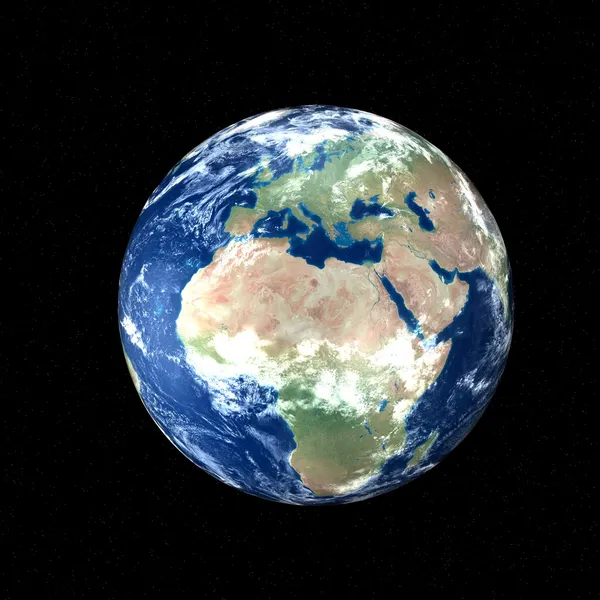
The dates of genomic reconstructions of the Last Universal Common Ancestor are between 4.09 and 4.33 billion years, which is only a few hundred million years following Earth’s habitability. The level of sophistication of LUCA, which codes for about 2,600 proteins and had a very basic immune system, indicates that life appeared with astonishing rapidity. The rapid emergence of life also makes it plausible that life may have been imported in a partially assembled form, which agrees with panspermia’s hypothesis.
8. Interplanetary and Interstellar Transfer
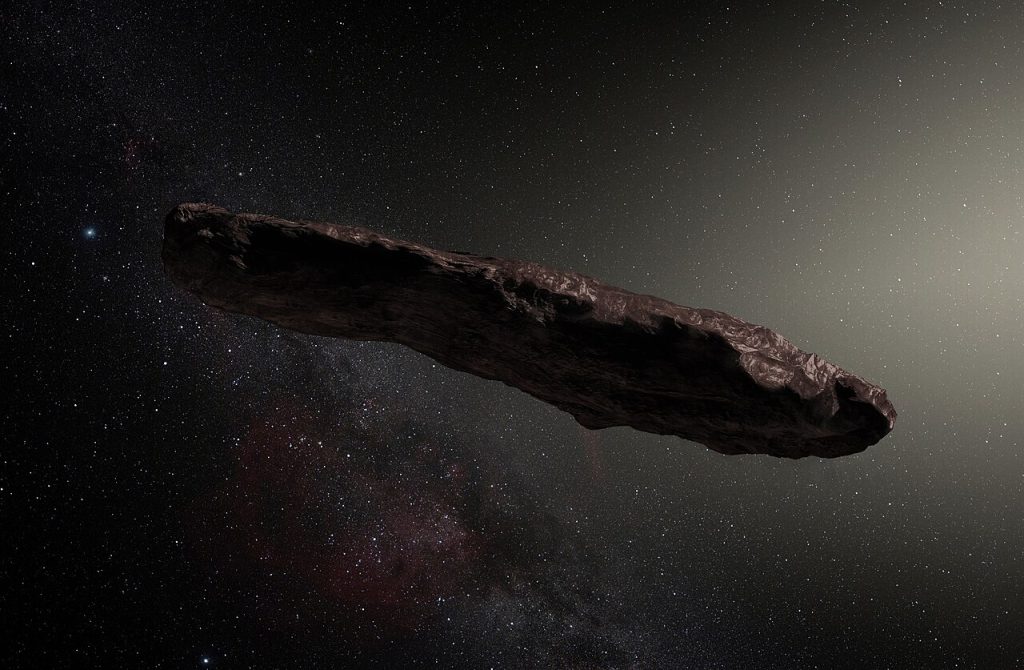
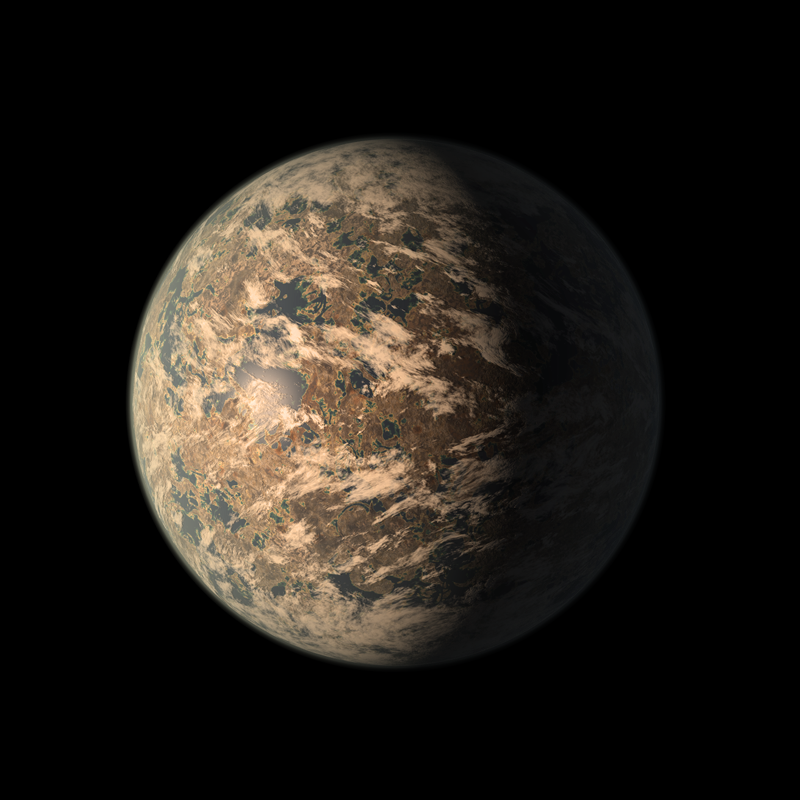
The transfer of matter between planets rarely occurs in our Solar System, although Martian meteorites on Earth demonstrate that it can. In densely packed systems such as TRAPPIST-1, models indicate that up to 10% of matter transferred from one habitable zone planet could be delivered to another in just 100 years. Though interstellar transfer via objects such as Oumuamua is more difficult, the observation of interstellar visitors proves that transfer between stars is possible, even if it’s hard to support life.
The combination of clean asteroid chemistry, biological resistance in the face of impact synthesis, radiation-catalysis, computational improbability of biological synthesis, and biological synthesis by computers is fundamentally changing the debate. Panspermia is no longer a hypothesis it’s increasingly an empirical fact. Whether the spark of life was struck in the early oceans of our own planet or in the depths of space, it now appears evident that our universe is one replete with the necessary ingredients and processes for life and perhaps merely a chapter in a much larger biological tale.


