

Was the most dreadful aviation disaster in European history mere hours away from happening on September 11? It appears that in mid-2024, a string of mysterious fires in logistical centers in Germany, Poland, and the UK unveiled a conspiracy with a level of sophistication and scope that was downright chilling. Out of a string of events that initially appeared unrelated, a plot with a high level of sophistication, which was launched by Russia’s GRU military intelligence agency, came to light.
The team discovered the existence of a “consignment” that spread over several nations, involving “disposable” operatives, encoded messaging, and consumer goods repurposed for incendiary strikes. This potential scale of the operation was awe-inspiring: bombings of commercial aircraft en route to North America, striking freight-laden aircraft and halting global supply chains. This operation has since been characterized as an isolated case study of hybrid threats in the present era, one involving both physical assault and cyber espionage.

1. Fires That Unmasked a Plot
In the period between the 20th and 22nd of July in 2024, there were three separate fires at logistics hubs in Leipzig, Warsaw, and Birmingham. In Leipzig, a package meant to be loaded into a cargo airplane detonated, which, according to the head of German intelligence, Thomas Haldenwang, was a mere matter of luck: “It was mere luck that the package exploded on the ground.” The devices were designed to resemble “electric massagers,” complete with a magnesium compound that burned hot and could be extinguished only with difficulty.

2. Lithuanian Connection
The trail of the parcels led to Vilnius, the capital of Lithuania, where all four parcels had been sent via DHL and DPD on the 19th of July. According to Lithuanian parliament security official Arvydas Pocius, “These are only part of the ‘sustained campaign of hybrid attacks aimed at creating chaos, panic, and distrust.’”Six kilograms of explosives were seized, and the same individuals were also responsible for an earlier arson attack on the IKEA store in Vilnius. The intended targets of the parcels in the United Kingdom were also believed to be false addresses.

3. GRU’s Disposable Agents
By the late part of 2025, at least 20 suspects had been indicted for acts of terrorism in Lithuania and Poland. These suspects included nationals from Russia, Lithuania, Latvia, Estonia, and Ukraine, who were the preferences for the GRU because they had ties with the underworld, thus assuring an unquestionable denial of responsibility for the acts of espionage. Explanations were provided to the Washington Post by Western officials concerning Daniil Gromov aka Yaroslav Mikhailov, a copy of the “new breed of Russian operatives” who had penetrated illegitimate means as opposed to intelligence messages.

4. Test Runs for Transatlantic Sabotage
A statement issued by the Polish prosecutors revealed that the European detonations were indeed “part of testing the sending of such parcels ultimately destined for the United States and Canada.” Following the airport security breach in Europe, the U.S. Transportation Security Administration implemented “increased screening procedures for air cargo originating in Europe,” while a similar press release was made by Canada’s Transport Canada. It was anticipated that successful in-flight detonations would result in “more disruption to the aviation industry than any terrorist action since the September 11 attacks,” after more than two decades.
5. Escape and Extradition Deadlock
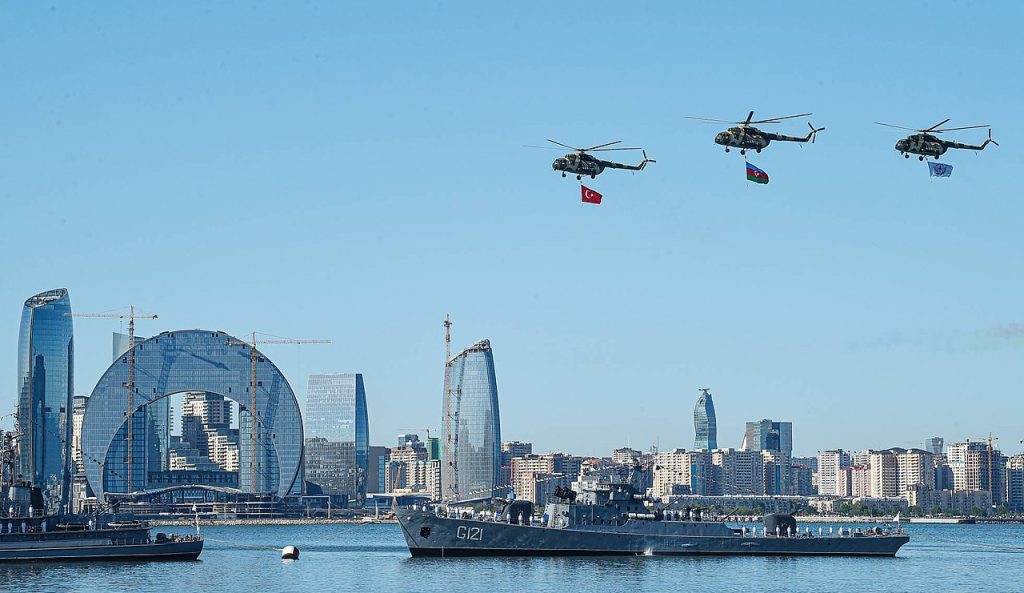
Mikhailov, who has also been cited as one of the key planners, escaped into Asia via an escape plan that involved forged passports to gain refuge in Azerbaijan, but extradition has been refused by the Azerbaijan state despite a red notice by Interpol, which officials believe has been intimidated by a request from Russia’s FSB, SVR, and GRU to send him back to Moscow. This, according to officials, attests to the organizational savvy of the suspected offender.

6. Hybrid Warfare Beyond Parcels
“The DHL plot is one component of the largerseries of Russian “hybrid attacks”. Other examples include the arsons against Ukrainian-related firms in the capital city of the UK, London, the sabotage against Polish railways, as well as the “severing of trans-Baltic sea cables”. As stated by the MI5 chief, Ken McCallum, the “GRU “has an established on-going operation with the aim of causing mayhem on the streets of the UK and the EU, increasingly using criminals after the expulsion of more than 750 Russian agents since the beginning of 2022.”

7. Cyber & Disinformation Fronts
The German government accused Russia of conducting a cyber attack in August 2024 on German air traffic control systems and attempting electoral interference in the Storm 1516 influence operation. Communications infrastructure was attacked by the Fancy Bear hacker group, where illegal videos were produced with the intention of defaming nominees. Such attacks that lead to sabotage, aside from physical sabotage, show the intention by the Russian government to employ a multi-domain pressure strategy that will not easily lead to military action by NATO forces.

8. NATO’s Defensive Build-Up
In preparation for rising threats, NATO member nations enhance their eastern flank. Poland’s East Shield project costs $2.5 billion, and it is 700 km long, featuring anti-tank ditches, shelters, as well as anti-drone systems. Germany has made their first WWII-era commitment with the setup of the 45th Panzer Brigade in Lithuania. Lithuania is also building a large training area at the Suwalki Gap, a route whose loss would see the remaining Baltic nations separated from mainland Poland.
9. The Military Preparations
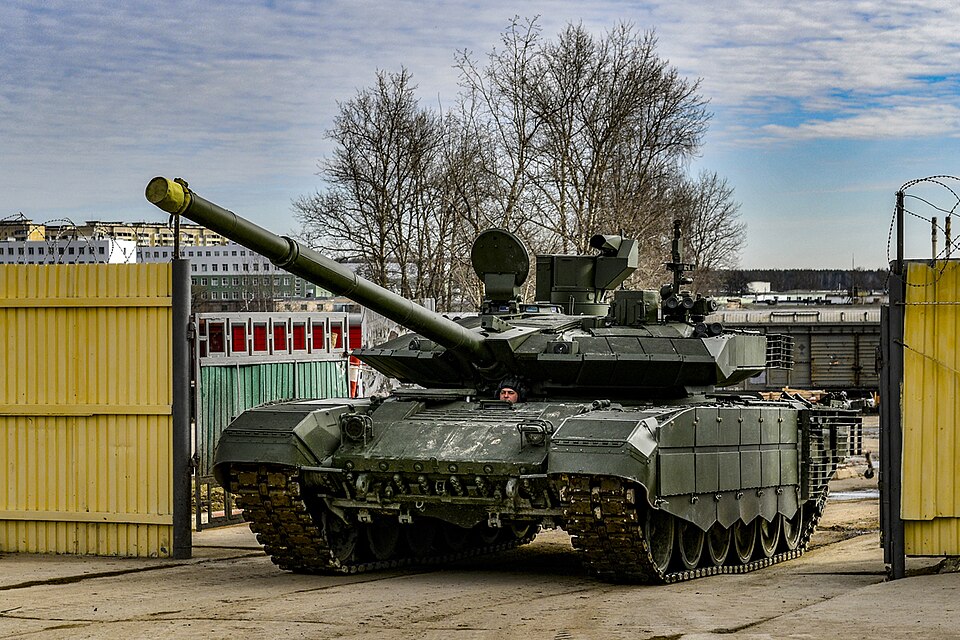
Leaked documents reveal a plan by the Russian manufacturer Uralvagonzavod to achieve a 80% increase in the regional production of T-90 tanks by 2028, not to forget a modernization of the T-72 model. This move was seen to reflect “Phase Zero” – preparation of the environment in the absence of a real war. Drone stealth strikes in the surrounding area of NATO bases, conducting secret intelligence missions in the area of the Geilenkirchen AWACS, make up but a small part of the demonstration of the latter. “The foiled DHL parcel bomb attack is no isolated terrorist event – it gives a hint into a pro cess of hybrid warfare.
From “use and discard” terrorists to secret bombs and cyber-attacks, all pieces of a puzzle indicating the Russian readiness to not merely attack but test the waters, destroy, and prepare the ground for strikes even before the official declaration of war. “Today’s diplomatic blows may turn into tomorrow’s tactical strikes,” writes Nick Witney of the European Council of Foreign relations, “and it is in the interest of NATO to be ready for it.”


