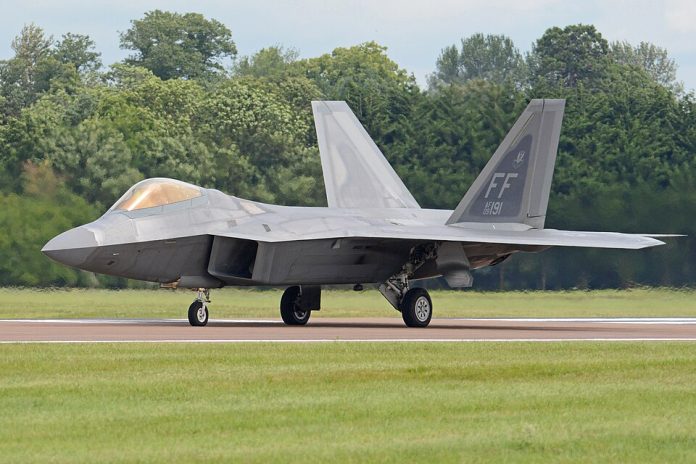
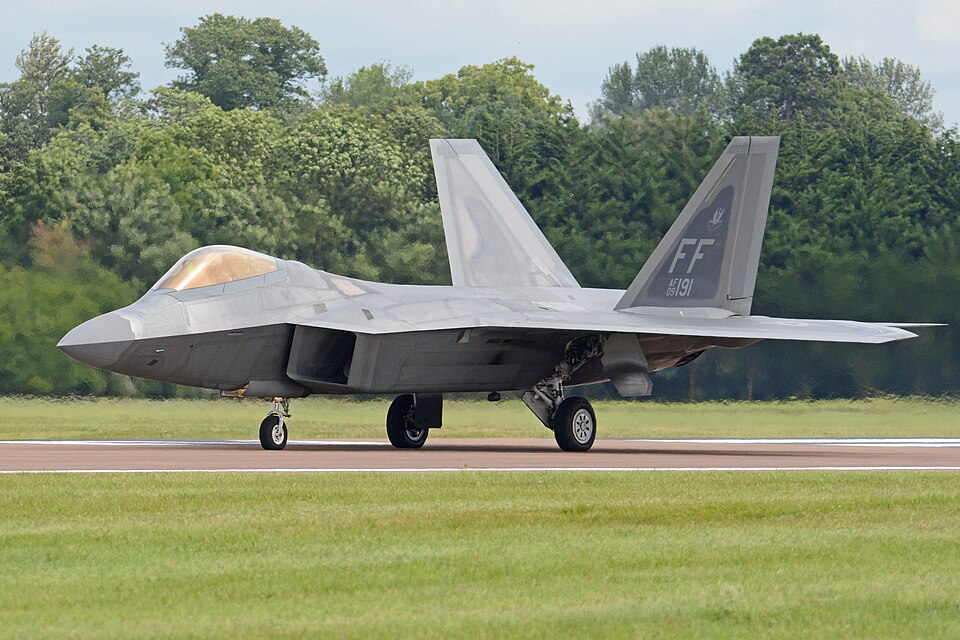
“Quantity has a quality all its own,” as was once said by Joseph Stalin a truth that the US Air Force has learned the painful way regarding its F-22 Raptor jets. A complement of 750 was once projected to give it dominance of the air lanes; however, fewer than 200 F-22s would eventually be produced. Two decades into its operational role in the Air Force, however, notwithstanding sixth-generation fighter jets being many years away from full-scale introduction to the Air Force’s arsenal, the Raptor remains the benchmark for air dominance. The Air Force is hardening its efforts to modernize its existing fighter force and is now building what is being termed “F-22 Super Raptor” machines.
There is no nostalgia at play here; this is simply the smart move to make in a world where great power competition is surging again. Sensors, new weapons integration, range, and even drone control abilities are being stacked on a very powerful aircraft. What has been created is a fighter jet that can bridge the gap until the Next Generation Air Dominance solution is ready.
The following is an examination of the most significant and ongoing developments in the evolution of the F-22 and how these developments play into the high-stakes game of air combat in the 21st-century chess match of military innovation and upgrades that continues at an ever-increasing pace.
1. Sensor Fusion Boost: The 3.2B Software Update
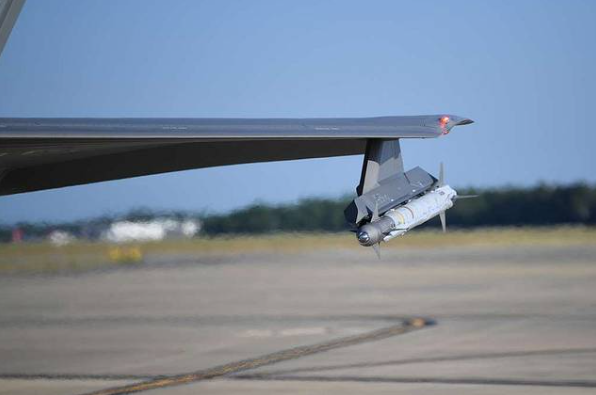
Among the most significant aspects regarding the modernization of the Raptor is the fleet-wide 3.2B software modernization. This modernization in the avionics, command and control, and weapons integration, especially with the aim of upgrading the guidance capacity against jamming, the engagement range, and the accuracy of the AIM-9X and AIM-120D missiles.
These modifications have made the F-22 a ‘first shot, first kill’ capable aircraft. When combined with the stealth factor, the Raptor has the ability to engage threats before being noticed, which is a highly beneficial factor in contested skies. With the 3.2B upgrade, interoperability between the aircraft and 4th generation fighters, as well as F-35 fighters, became possible and further entrenched its position as a quarterback in the skies.
2. Infrared Defensive System for Stealth Survival
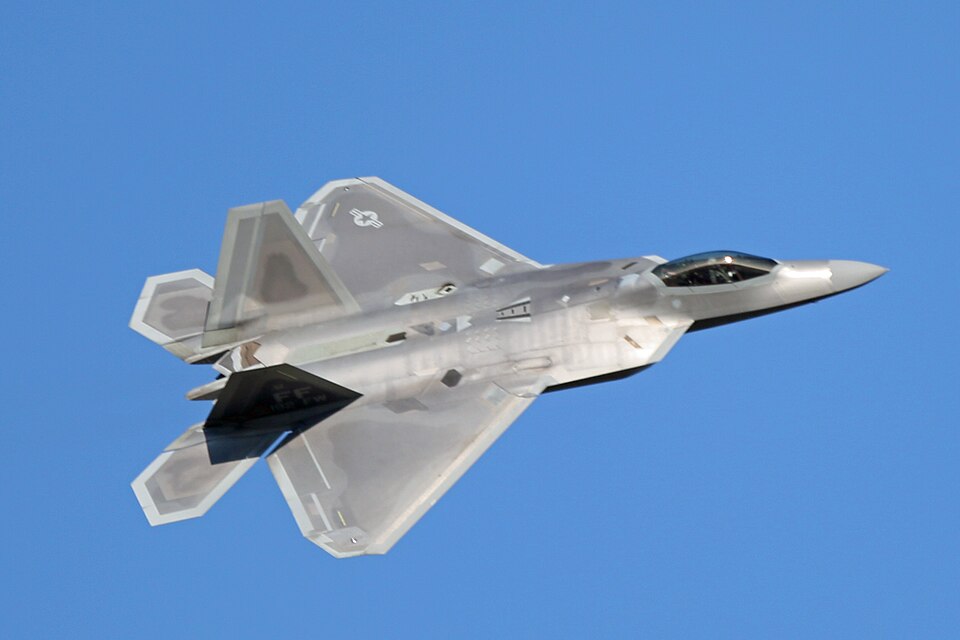
The major survivability breakthrough appears in a contract worth $270 million for Lockheed Martin, for which work involves integration of an IRDS on a fighter jet. A TacIRST sensor distributed array would support threat detection and tracking by a Raptor utilizing infrared and radar/IR capabilities that could be increasingly available to near-peer rivals.
“We recognize the requirement for new and flexible infrared solutions such as IRDS that will increase the chances of success and lethality for pilots’ missions against today’s and tomorrow’s enemies,” explained Hank Tucker, mission systems vice president for Lockheed Martin. Indeed, the modernization effort helps eliminate the very specific vulnerability within the outdated stealth designs and therefore keeps the F-22 capable against the latest detection technology developments.
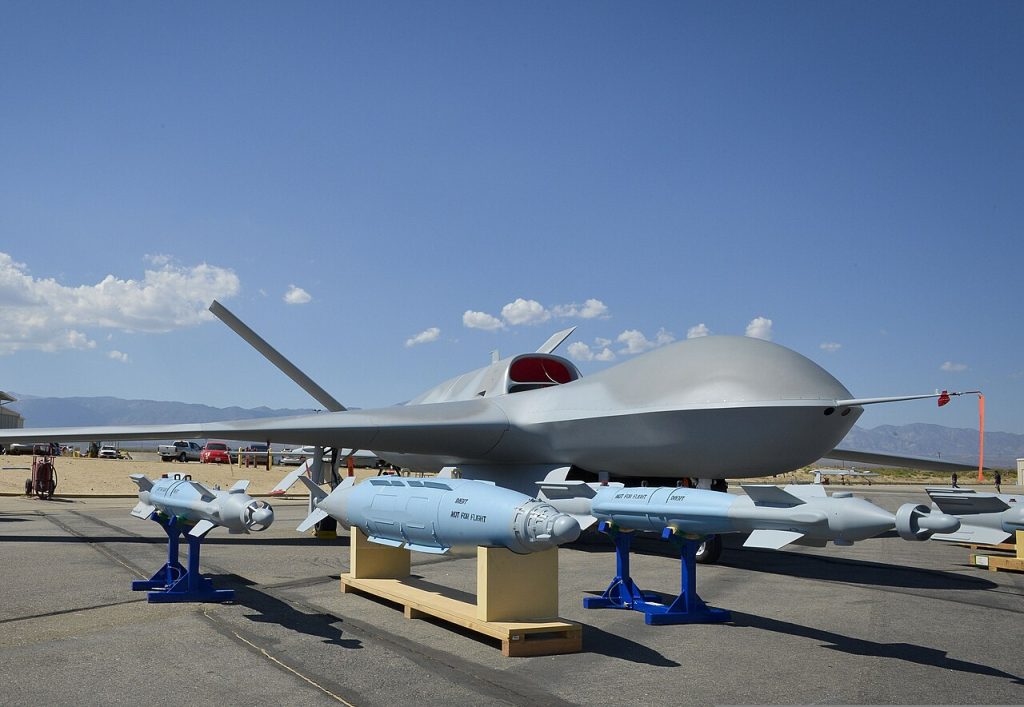
3. Crewed‑Uncrewed Teaming: Controlling MQ‑20 Drones
In October of 2025, the F-22 pilot, who was engaged in an operation within the Nevada Test and Training Range, directly operated the MQ-20 Avenger drone for the first time from the cockpit of the same aircraft. The pilot controlled the drone during a simulated combat mission through a tablet interface that was enabled by the L3Harris datalinks and Lockheed’s open radio architecture.
Designating this, “demonstrating the future of air combat, where single-seat aircraft control and command drones with simple and intuitive interface designs in the cockpit.” This role-class of the Raptor will then act as the threshold for the Air Force in integrating CCA capabilities, leading in manned aviation to control loyal drones into battle zones.
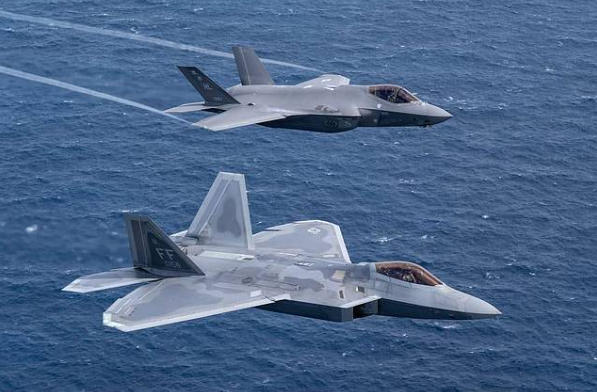
4. Quick Raptor: Coverage in 24 Hours
The concept that has emerged in the case of the Air Force is called “Rapid Raptor” and is how they will achieve the greatest strategic presence with just “about 150 combat-coded Raptors.” This is accomplished by forward deploying “small, sustainable packages of F-22s into high-risk areas” so they could “get to any place on the globe in under 24 hours.”
Though this has the benefit of improving crisis response, it also raises the mass issue of the aircraft fleet, reducing its capacity for large formation strength in great power wars. But it also ensures that when it comes to where it matters the most, there can be instant delivery of high-end capability even by few F‑22 planes.
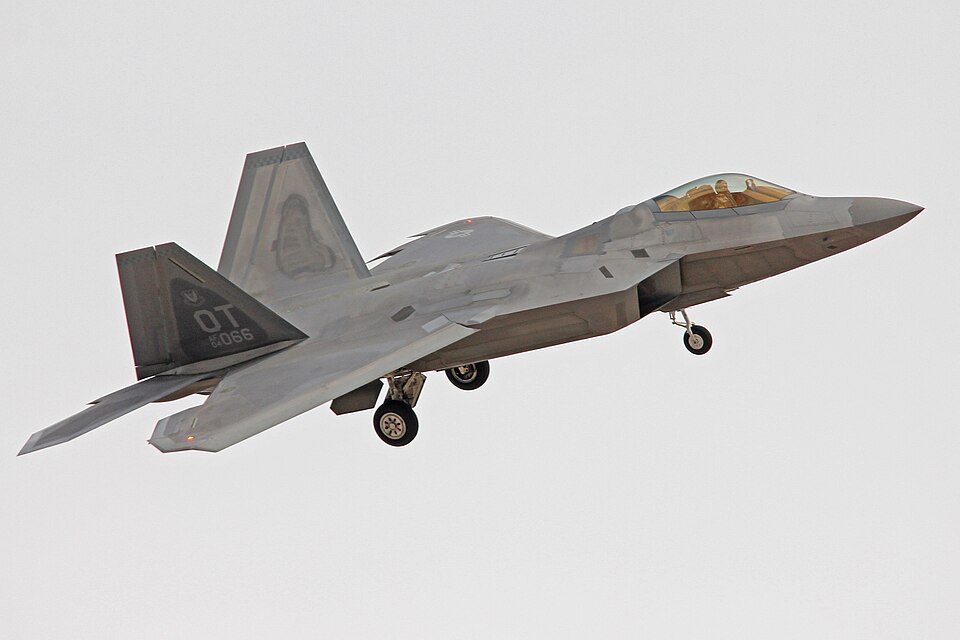
5. Long Range Initiatives
“Range” is of course a cloud hanging over the F-22, but in particular within the Indo-Pacific. A program such as Long-Duration Tactical Penetrator will stretch reach without hamstringing either of their brethren-stealth, of course, and speed. With a calculated internal fuel load of some 18,000 lbs, plus a ferry range of some 1,850 miles with fuel tanks, “The Raptor,” in talking-head speak, is a “monster dog”-but it has a “refuel-ing problem” in aviation terminology, “Achilles’ heel.”
The improvements made to the Raptor will enable it to roam over a very long distance due to its increased range and flight times, beyond which no tanker formation can fly in broad daylight without being threatened by defensive fire.
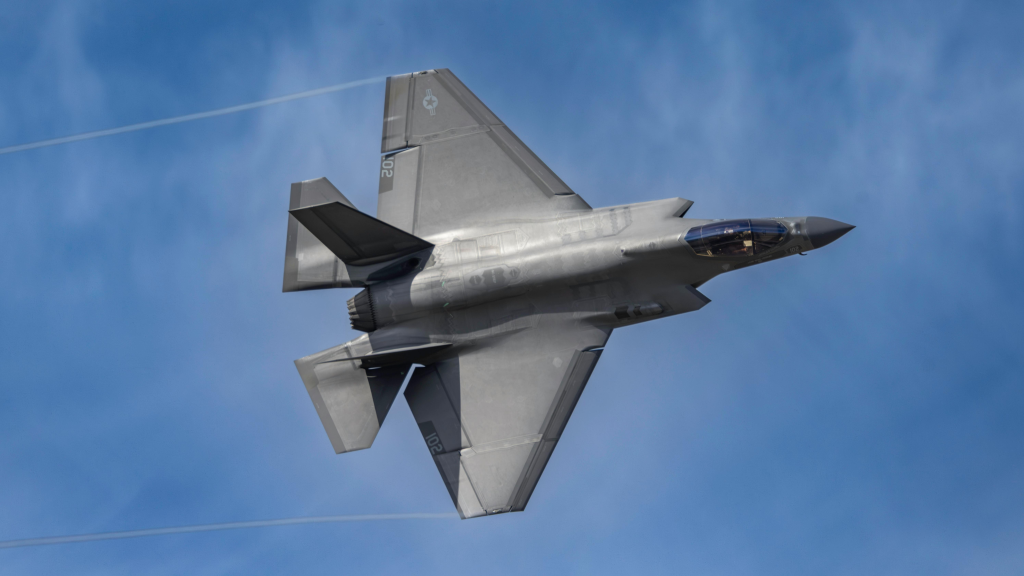
6. Networking with the F‑35 and 4th‑Gen Fighters
Modern communication capabilities ensure that the F-22 can securely exchange information from F-35s and legacy fighters through LINK 16 and other datalinks. By doing so, the Raptor becomes “a force multiplier that leads conventional aircraft through contested areas it has already swept clear of air defenses,” Hawraa explained.
Joint Packages: F-22 association can provide its own stealth and sensing abilities for cueing strikes from these platforms. These packages will enable combined operations that catered to each aircraft’s individual strength. These remain highly relevant in battle networks in terms of multidomain environments, where speed of information can be every bit as crucial as speed of flight.
7. Comparative Advantage over Su-35
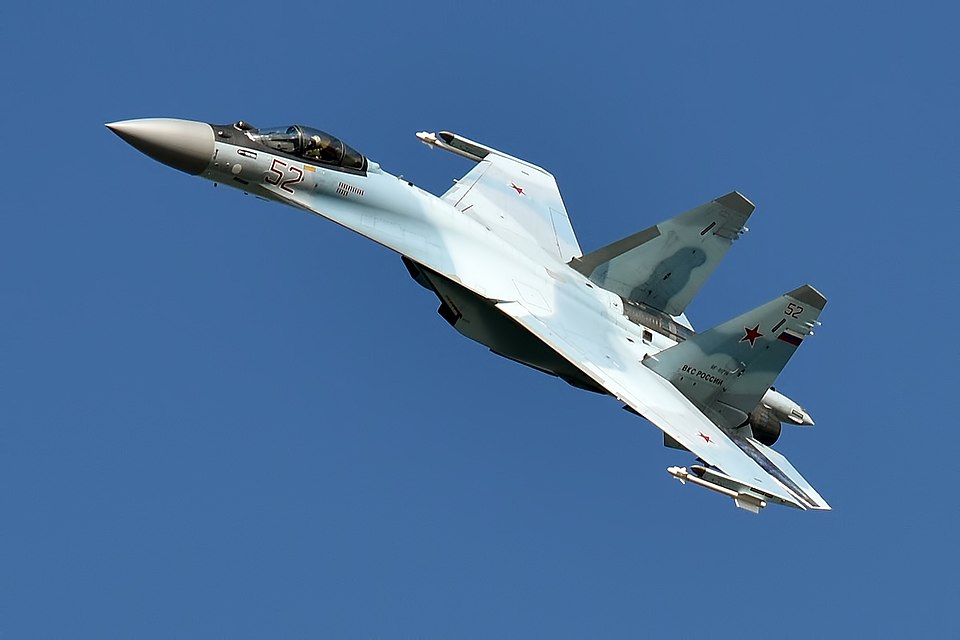
On paper, the speed and agility of the Russian Su-35 are comparable to the F-22’s, at the same Mach 2.25 speed at much the same thrust/weight ratio. But the Su-35 is merely a 4.5 generation fighter that doesn’t have the Raptor’s stealth capabilities and sensor fusion. With the supersonic cruise speed of the F-22 without the use of afterburners in excess of Mach 1.5, combined with the software enhancements in F-22F weaponry, the edge in the air engagement would be unbeatable. The first to see the other and the first to shoot almost certainly the F-22 will win.
8. Affordable Bridge to NGAD
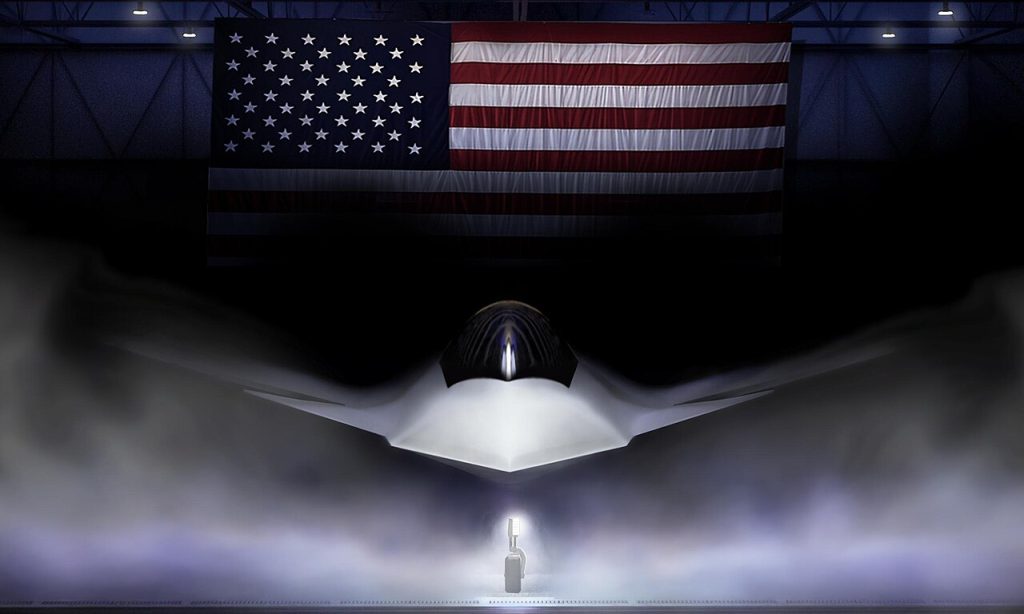
Neither restarting the production of the F-22 nor accelerating the procurement of the NGAD will come without a significant price tag and calculated risk. “Starting from the current aircraft gives us the benefit of the established logistic chain, and we won’t have the problem of ramping up the entire new aircraft base.” While the production schedule for the NGAD is still in flux, the “Super” Raptor will help fill the resultant capability divide, including the provision of air supremacy, on a reliable and affordable schedule until the sixth-generation aircraft become operational. Furthermore, this bridge also mitigates against production shortfalls within the first batch of the NGAD in the event the Air Force does experience a capability gap in the 2030s.
9. Limitations and Issues in Sustainability
While the upgrades are welcome, the F-22 is and will remain a low numerical air component, maintenance intensive nonetheless. The materials used in its stealth design and highly complex avionics are, in particular, extremely high maintenance, and the restarting of the full range of the Block 20 variants would require substantial outlays. Then, there are those NGAD metrics, including optionally manned missions and the fully networked sensor and shoot chains, that necessarily exceed the possible in retrofits. The Super Raptor is a very effective ‘bridge’ solution but definitely not the next-generation air dominance aircraft in the making.
Less a ‘reinvention’ and more ‘evolution,’ the F-22 Super Raptor is the earnest attempt to wring every last bit of capability out of the ‘raw material’ airframe until the next-generation aircraft comes on line. The USAF is, in its efforts, ensuring that its world-class air supremacy aircraft does not become obsolete in the 2060s or, in fact, anytime in the foreseeable future through the incorporation of next-generation sensor, ‘range extension’ networking, and UAV control into the already unique kinesthetic and ‘stealth’ package. The high-stakes ‘great power’ competition ‘bridge’ may prove as valuable as the destination.


