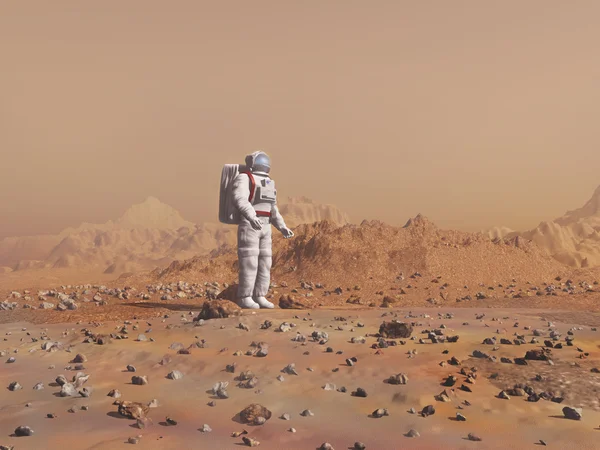
Could the single most significant finding ever made in human history be lurking beneath the ice on Mars? That’s the question that’s fueling an ambitious new strategy for scientists from the US, who believe it’s finally time for humans to set foot on Mars not for colonization or bragging rights but with the ultimate question: does life exist elsewhere in the universe? A 240-page report issued by the National Academies of Sciences, Engineering, and Medicine lists finding life beyond our own as the overriding science goal for manned missions to Mars, calling it a “watershed moment” for our species.

1. Finding Life as a Goal of Missions
According to the lead authors of the report, who include MIT aeronautics professor Dava Newman, “the search for life on Mars remains a fundamental high priority for researchers across all fields, and it is the number one science objective within this report.” The strategy will target regions at low to mid-latitudes with near-surface glacier ice and varied geology, which might have been ‘transiently habitable in recent geological times.’ By exploring ‘niche environments’ on Mars, researchers would be able to ‘pursue research on both extant and prebiotic life’ as well as conduct research on prebiotic chemistry on Mars via a ‘Mars surface laboratory’ before being brought back to earth.
2. Campaign Architecture and Timelines
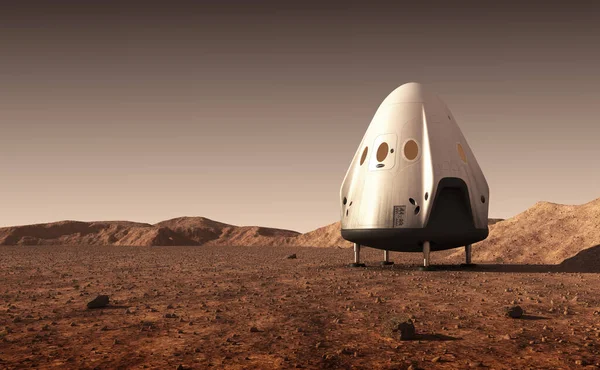
The number-one campaign plan would be to have three consecutive missions. These would include an initial crew landing mission lasting 30 Sols, a cargo mission, and then an extended science mission lasting 300 Sols. Other proposals include drilling beneath the Martian surface up to 5 km to access liquid water reservoirs and short-term missions at different locations on Mars due to its varied environmental conditions.
3. Challenges of Radiation Shielding
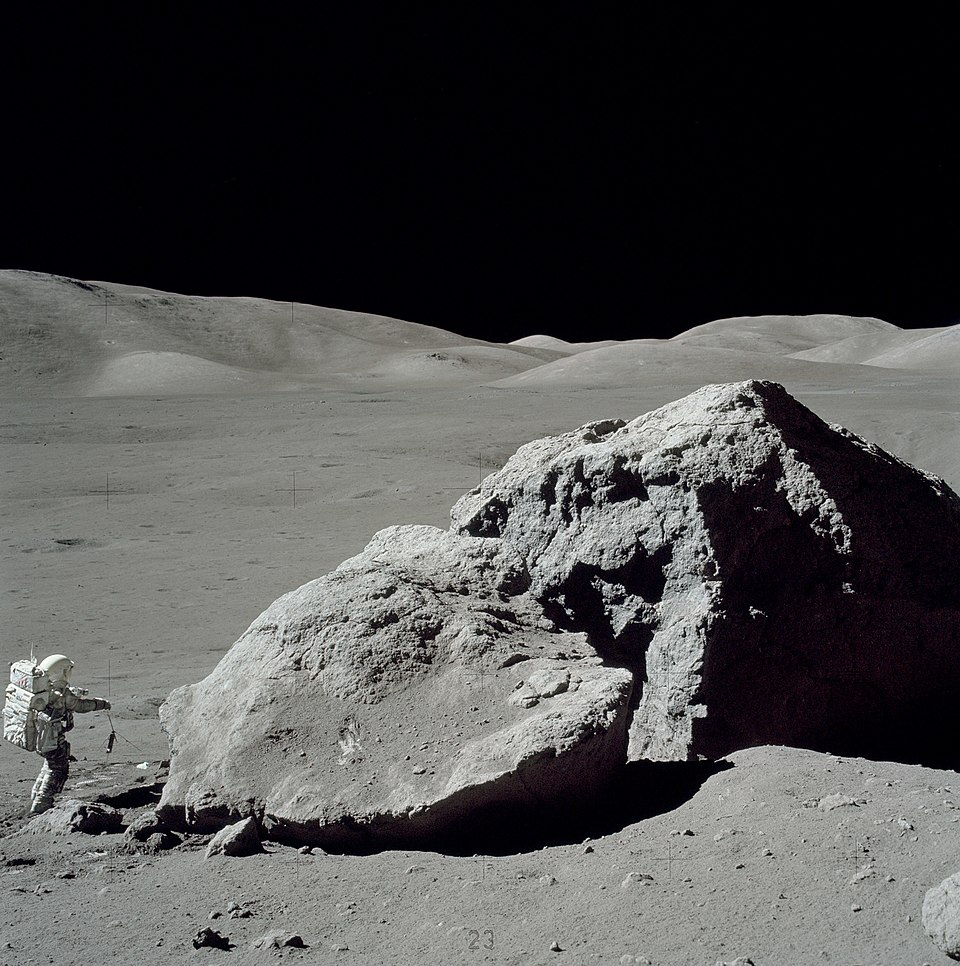
Science aside, there are challenges mentioned for engineering, especially for deep space radiation. Out beyond the magnetosphere surrounding our planet, there will be unrelenting exposure to solar energetic particles and galactic cosmic rays. According to NASA research, materials with high hydrogen content like polyethylene are capable of providing good proton shielding, and emerging designs involving the use of hydrogenated boron nitride nanotubes might have the added benefit of incorporating structural integrity. Moreover, ‘BNNT yarns could be incorporated into fabrics for extravehicular activities.’
4. Planetary Protection and Contamination Risks
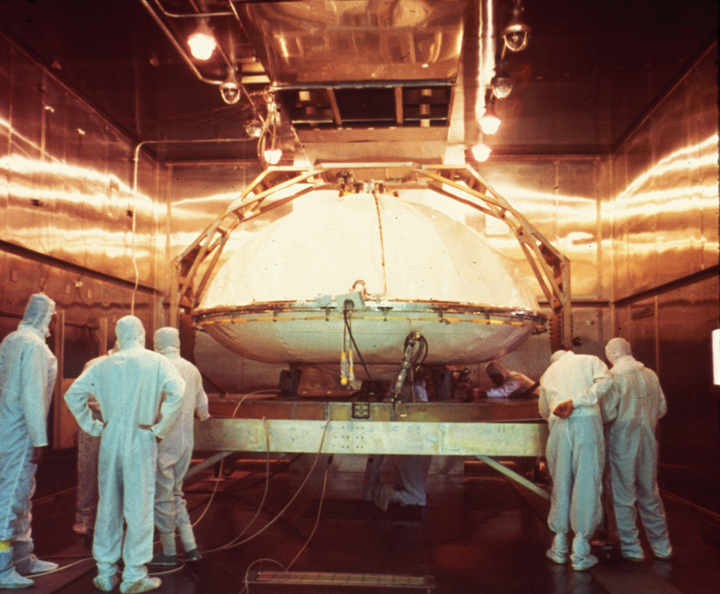
Today’s planetary protection policy restricts exploration on regions with potentially existing life. The report asks NASA to develop an upgrade on these standards so that humans can explore these regions without undermining scientific standards. It has been suggested that the risk of contamination associated with taking humans on an exploration mission will pose significantly more dangers due to growth and will be designed as a habitat that maintains life on board.
5. In Situ Resource Utilization
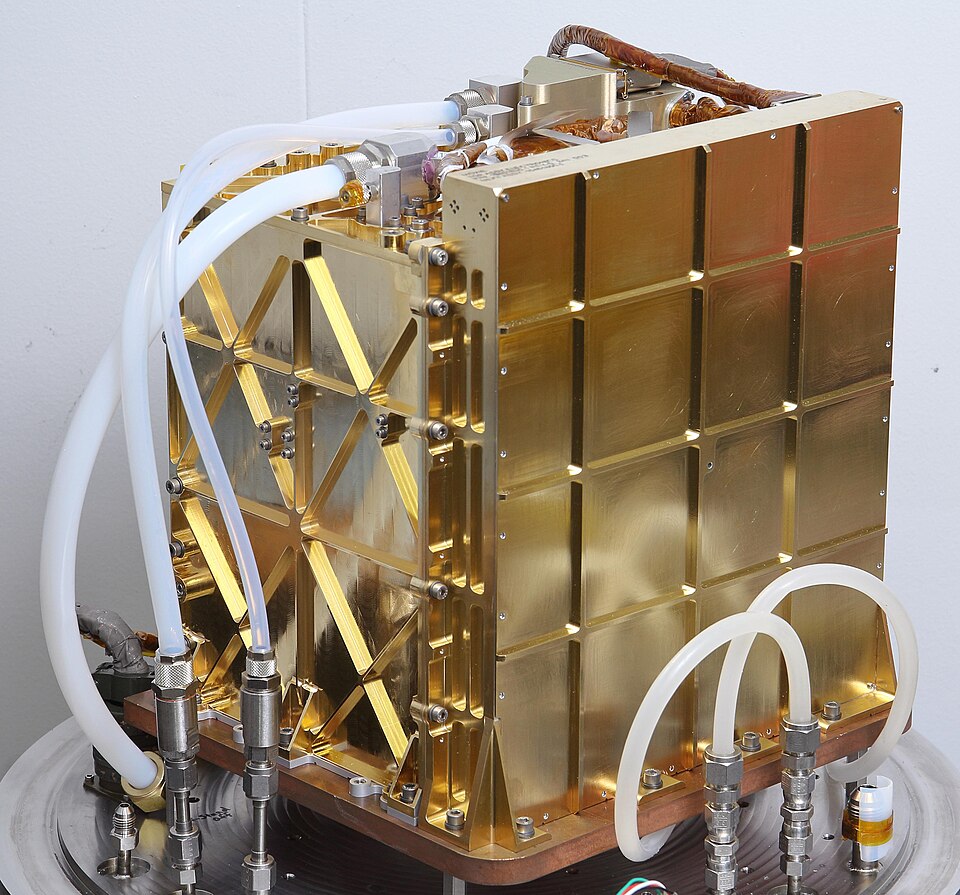
A key consideration for long-term missions to Mars will be fuel and life support materials production. While NASA’s MOXIE experiment has already shown oxygen generation from atmospheric CO₂, large-scale production amounts on the order of hundreds of tons necessary for Starship-class spacecraft will be necessary and will demand considerable power infrastructures. It would be theoretically feasible for a Sabatier reaction to generate methane fuel based on Martian CO₂ and water, but it would be contingent on efficient removal of water from Martian regolith and would imply heavy ISRU needs and perhaps nuclear or large solar panel infrastructures.
6. Habitat Engineering and Crew Support
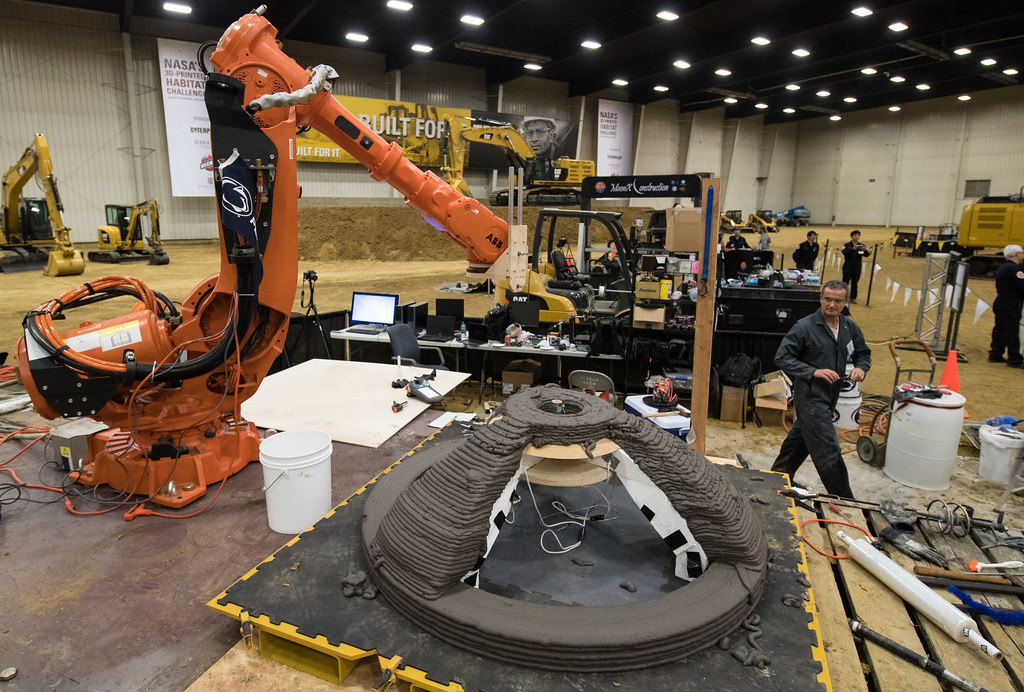
Operations on the surface will rely on closed-loop life support and habitats. NASA’s Dune Alpha simulation involving its Mars mission focuses on the endurance of crew members with a 3D-printed lavacrete structure with vertical farming and water recycled from urine. The constraints on resources provide an authentic simulation. The habitat configuration with local dust and rocky materials reflects what might be involved in martian planetary construction. Health and medical as well as mental support systems are being perfected.
7. Dust Storms and Environmental Hazards
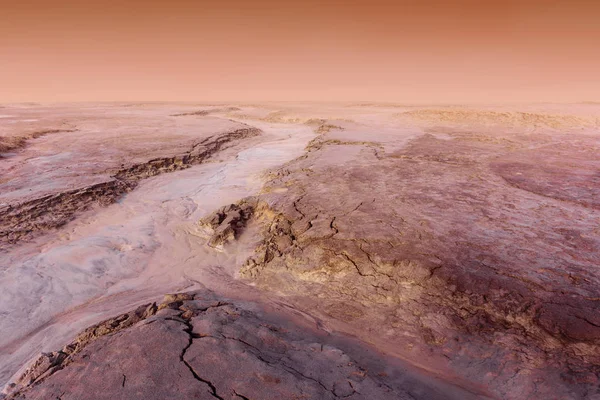
Dust storms on Mars can encircle the planet for weeks, depriving it of sunlight. It’s an area that scientists have listed as a high priority. Weather towers could be set up on Mars to help improve forecasts and protect astronauts. Dust on Mars is an abrasive compound, and it reduces the lifespan of equipment. A good example is what happened on Apollo missions.
8. Spacecraft and Mission Logistics
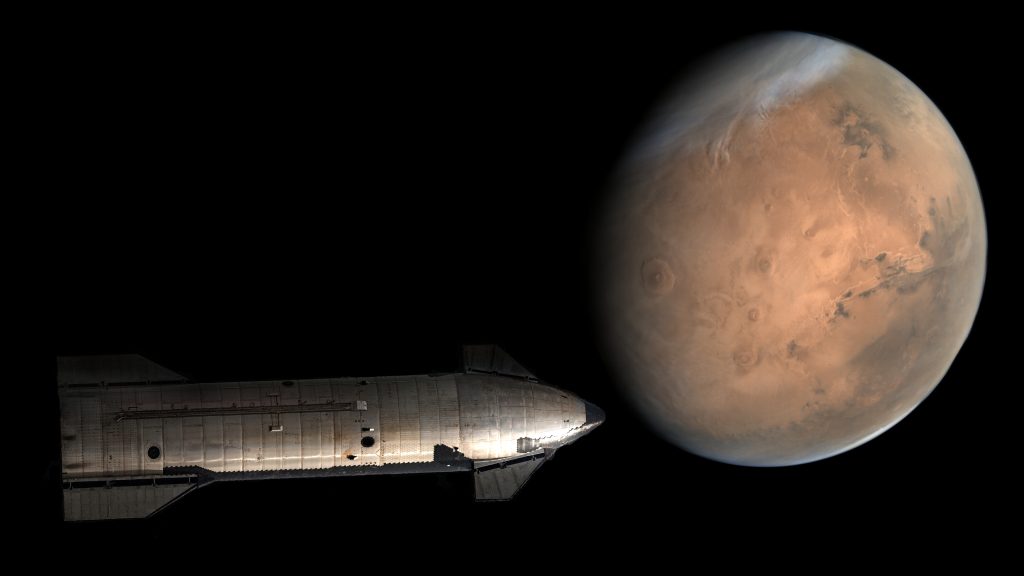
SpaceX’s Starship design, with promises of 100-ton payload capabilities, will have untested challenges with the refueling of cryogenic materials in orbit, reusable heat shields for entry into Mars via aerobrake, and landing on unprepared planetary surfaces. It might take a tanker launch for every Starship sent to Mars to fill its fuel tanks, and then there will be stability issues with landing a 52-meter tall Starship. There will be intense heating and very limited braking due to the Martian atmosphere.
9. Political and Programmatic Momentum
The Moon-to-Mars plan at NASA uses lunar missions as avenues for developing and testing technologies that will be applicable on Mars. The forthcoming nomination of Jared Isaacman as NASA’s administrator will usher in quicker approaches, as outlined in SpaceX’s ambitious strategy. But scientists have warned that changes in political and budgetary developments might affect these. It should be remembered that scientists emphasize that science drivers have to be paramount to prevent rushed exploration.
The intersection of science drive, engineering ingenuity, and political will-power currently presents Mars as the next big step for mankind. Whether it’s done via NASA’s deliberate strategy or with SpaceX’s rash of missions, opening Martian boots might tote instruments to analyze ice, drill on ancient stone, and detect life, thus redrawing our cosmos.


