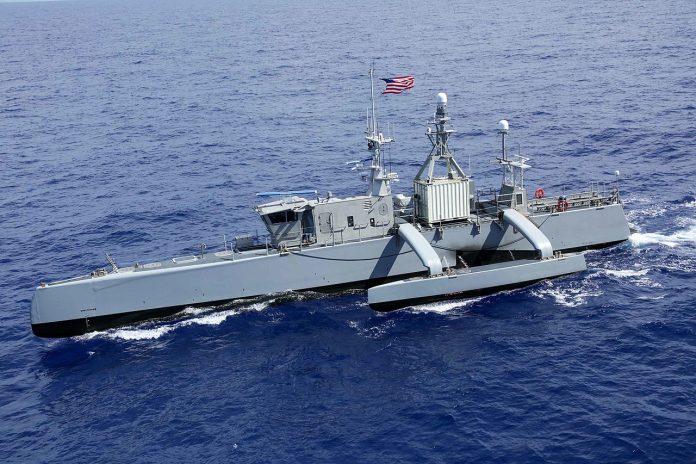
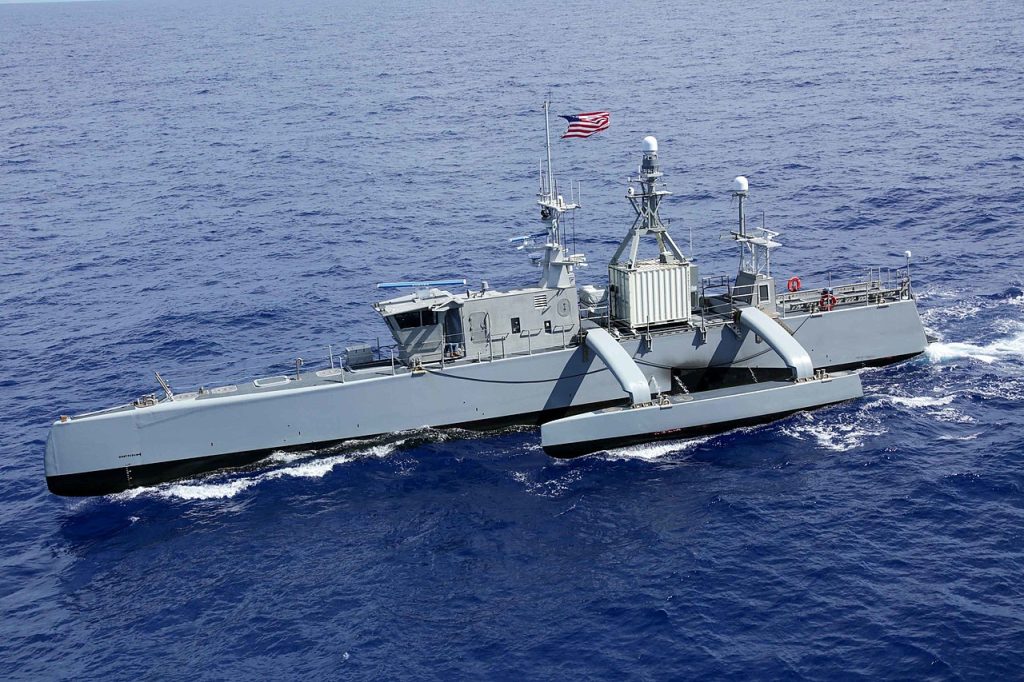
“The rules have changed,” said a senior Ukrainian government official after the latest attack involving Explosive-Carrying Sea Drones struck an oil tanker belonging to Russia within the Black Sea. All this while, more than two and half years, Ukraine had been careful not to target civilian shipping within international waters. That policy will be put on hold as it becomes a deliberate escalation strategy against Moscow’s greatest source of revenue-the secret oil shipping business at sea.
Recently, Kyiv’s Sea Baby drones have destroyed several tankers that belong to Russia’s so-called shadow fleet, an intricate network of vessels set up by Moscow with the intention of bypassing sanctions and delivering oil to global markets. It represents a new type of attack that goes beyond refineries and seaports, an act with profound implications. Below are brief descriptions of nine major trends that have emerged so far regarding how the Ukraine maritime drone attack campaign changes the situation and challenges and pressures Russia to reassess its strategy for the Black Sea.
1. The Dashan Strike – The Third Within Two Weeks
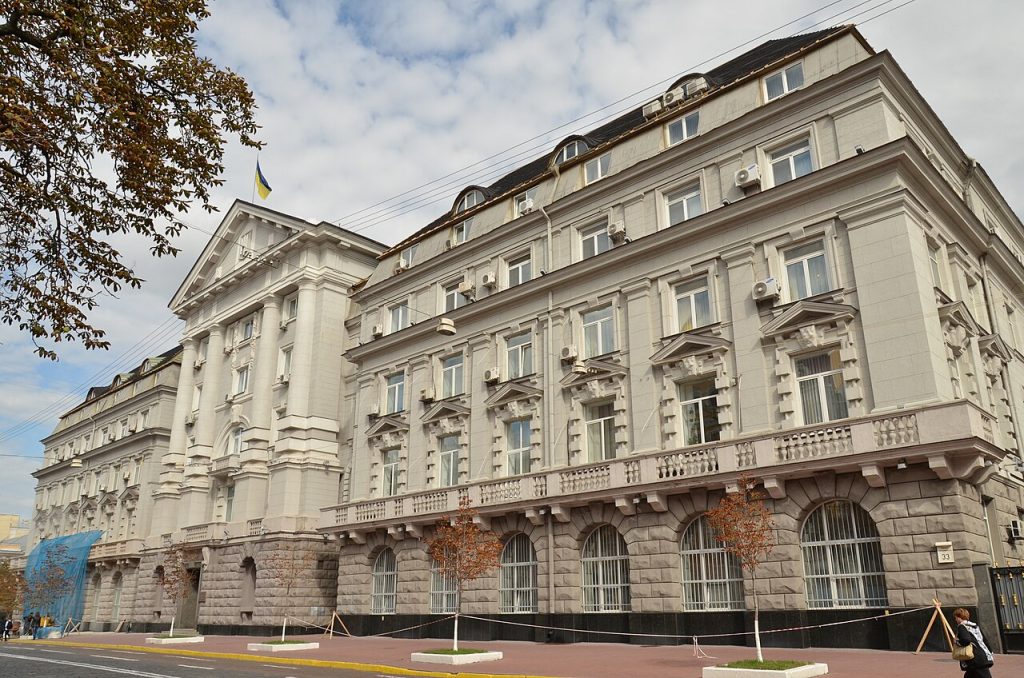
On December 10, Sea Baby drones operated by Ukrainian Sea Baby struck the Comoros-registered-tanker Dashan as it passed through Ukraine’s exclusive economic zone en route to Novorossiysk. According to SBU sources, “Critical damage was done to this ship, it was made ineffective.” Analysis of Reuters footage indicating that drones struck the stern of the ship suggests that there was an intention not to sink the vessel but make it ineffective. It is noteworthy that it is now the third tanker within less than 14 days.
2. Expansion outside of Northern Black Sea
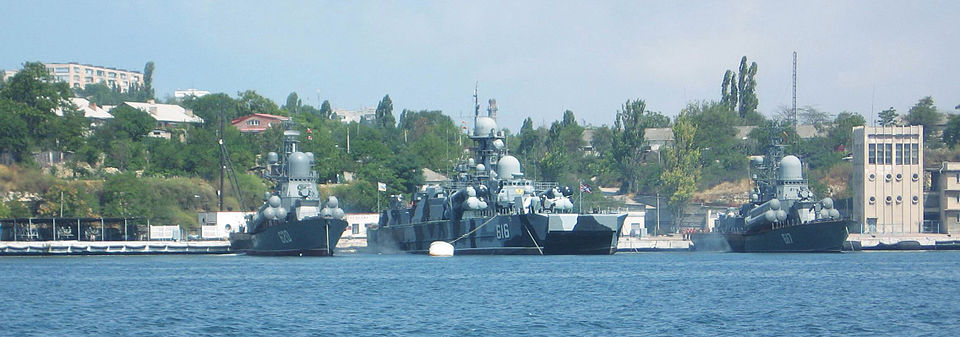
Operations had been limited to a more immediate area around Ukraine’s coast. The attacks on Kairos and Virat, which took place at the end of November on these two oil tankers, were conducted at a distance of 28-35 nautical miles off the Turkish province of Kocaeli. It clearly demonstrates an upgrade in drone range and payload, with new versions of Sea Baby drones reportedly capable of flying 1,500 km and carrying 2,000 kg explosives.
3. Engaging the Sanctioned Vessels of the Shadow Fleet
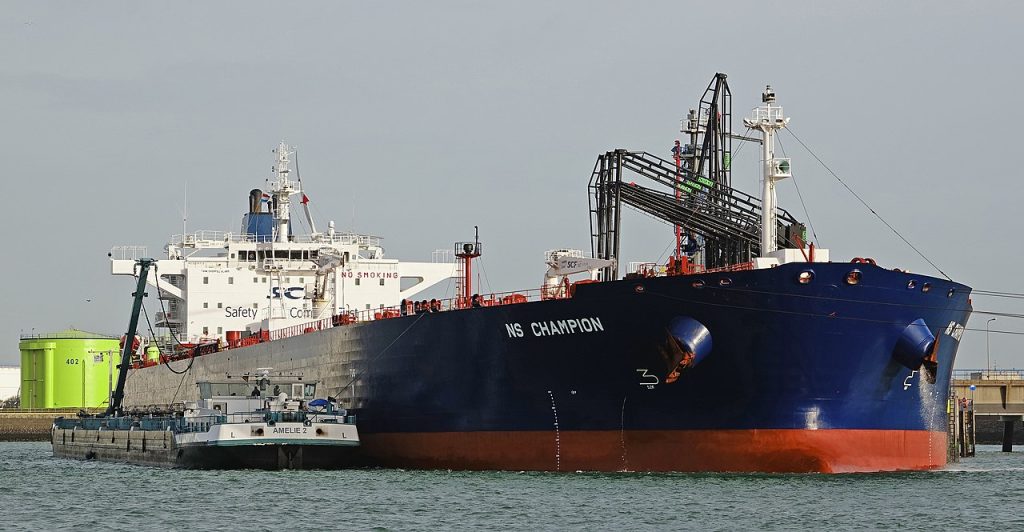
Moreover, these shadow fleet oil carriers usually operate under flags of convenience with vague ownership. The Kairos and Virat were sanctioned in 2025 by the U.S., EU, UK, Switzerland, and Canada. The Dashan was targeted by authorities from the EU and UK. By targeting these vessels, Ukraine aims at imposing sanctions via violence as it considers the legal framework imposed by the Western world ineffective.

4. Simultaneous Strikes on Oil Facilities
These attacks on oil tankers have been taking place alongside attacks on export terminals. On November 29, ships launched drones on the Caspian Pipeline Consortium’s seaport within Novorossiysk, prompting an immediate shutdown of loading activities. The facility has been attacked three times within short periods. This two-track approach aims at shutting down Russia’s oil revenue pipeline worth $13.1 billion per month.
5. Economic Shockwaves in Marine Insurance
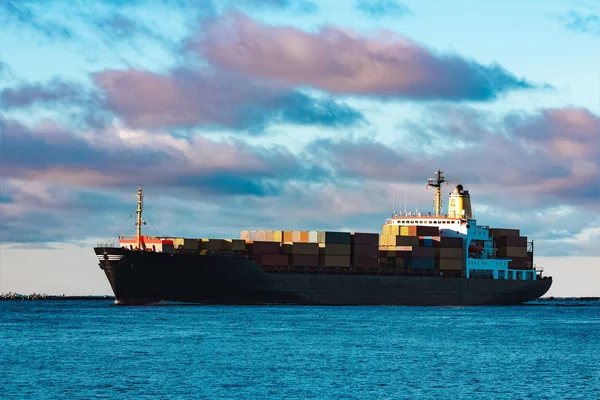
The cost of war insurance for crossing the Black Sea has leapt sharply. The war risk insurers reassess their business every day, and some carriers have abandoned all Russia operations following the Mersin tanker, which was struck off the coast of Senegal. The reason given for halting these operations was “untenable” risk. It shows that business risk perceptions have been influenced by these attacks.
6. Russian Threats of Retaliation
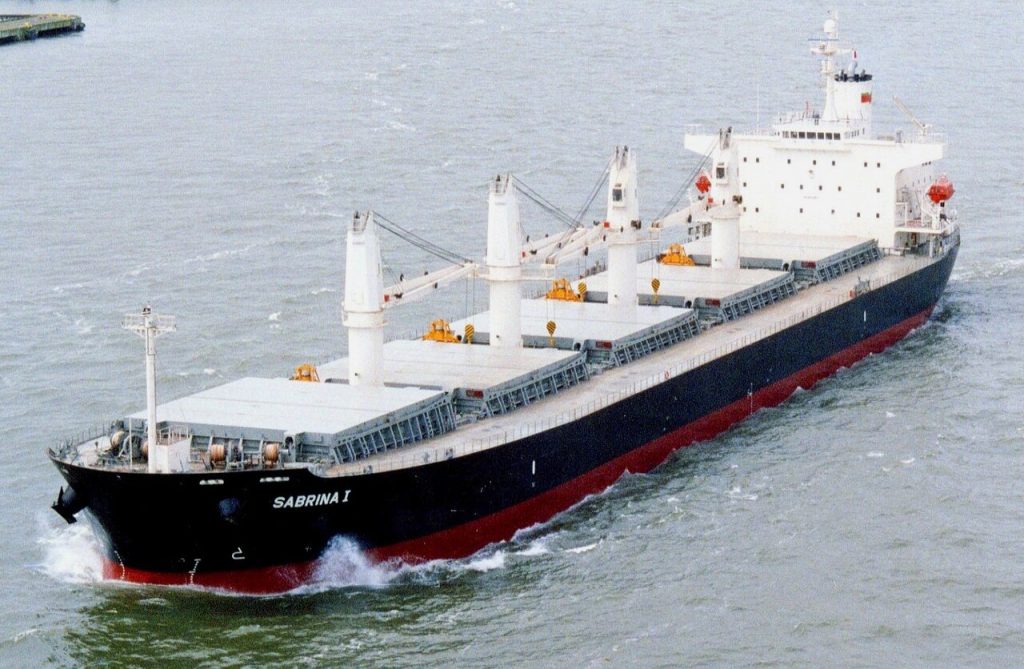
Russian President Vladimir Putin labeled these attacks as “piracy” and warned that he would deprive Ukraine of seaborne trade. President Putin hinted that Russia might attack grain and metal shipments from these Ukrainian seaports, including some involving trade partners with Ukraine. By these threats, he endangered a fragile shipping lane that enabled more than 850 vessels to transport 26 million tons of freight out of the region around Odesa midway through this year.
7. The Undercurrents of Diplomacy and the Shift in U.S. Policy
The Biden government oppose attacks on Russian oil infrastructure. There is a fear of escalation and an increase in global oil prices. The Trump government has relaxed its stance on attacks against Russia since January and even began providing targeting intelligence. Sanctions imposed on Lukoil and Rosneft in October have piled pressure on Russia. Russia’s seaborne oil exports have dipped by 1.4 million barrels.
8. The Weak Points of the Shadow Fleet
A large number of shadow fleet ships are old, insufficiently insured, and maintained poorly. The M/T Mersin sank on November 30 after some explosions flooded the engine room. Although it hasn’t been made clear who exactly was responsible for it, it shows that shadow fleets are very vulnerable and make threats against the environment.

9. Strategic Messaging Prior to Peace Talks
The recent attacks occur at a moment when US diplomatic efforts are once again on track for a resolution. “This will be a message, like sanctions before it, that may make Putin wake up and want to have a conversation,” Oleksandr Kubrakov, ex-minister, explained. However, he suggested it might prove ineffective in the end because Russia could learn ways around it.
The Ukraine’s maritime drone campaign against Russia’s ‘shadow fleets’ represents more than an ‘android’-enabled battlespace shift. It represents a deliberate strategy to deny the war budget and tip the strategic equation within the Black Sea. That Kyiv retains an escalatory option capable of extending attack ranges against sanctioned vessels and secondary attacks against infrastructure support and shipping facilities again reflects capability and will. Whether it will bring on a peace parade or broader escalation remains contingent on Kyiv’s intentions and its allies’ willingness to court risk with global shipping.


