China’s new Jiutian heavy UAV drone, which has recently been put into service, and made its first successful flight on December 11, 2025, represents something more specific: an unmanned flying aircraft carrier capable of deploying hundreds of drones at once. At first glance, China’s Jiutian heavy UAV appears to be merely a successor or an upgrade of various other drones. But it is, in fact, an unmanned aircraft specially designed as a mothership within a swarming drone scenario.
Noting these broader implications, Jiutian cannot be viewed solely as an interest for military tech buffs. Rather, it represents an intersection of concepts involving swarm warfare, high-altitude endurance unmanned systems, and mission systems. Secondly, it imports a perspective on an “intelligentized” warfare strategy, wherein AI-powered unmanned assets are force multipliers on land and at sea as well as in air. Below are nine significant considerations involving Jiutian.
1. A Heavyweight in the UAV Market
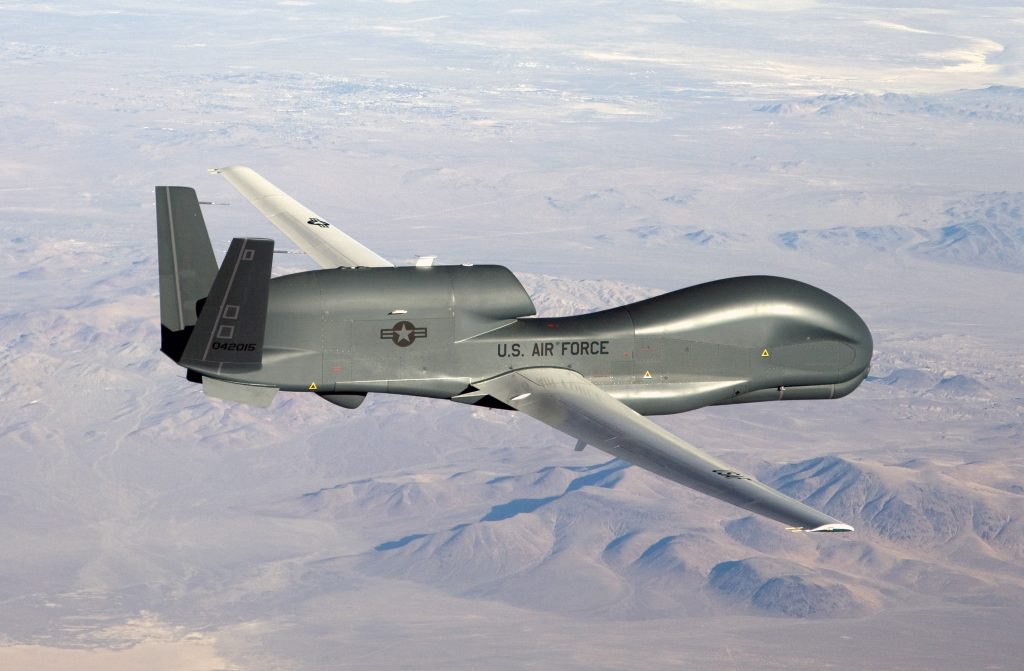
Its length and wingspan are 16.35 meters and 25 meters, respectively. Its maximum takeoff weight touches 16 tons. It belongs to the same category as RQ-4 Global Hawks made for the U.S. But it carries a more attack-optimized design. It features WS-9 Qinling turbofan engines. It has a payload capacity of 6 tons. It also enjoys 12 hours of endurance and 7,000 kilometers of ferry range. Its high wing and horizontal tail-H configuration emphasizes lift and stability. Its engine position leaves room for sensor bays.
2. The Isomerism Hive Module
The breakthrough innovation centers on what is commonly termed “the Isomerism Hive Module” a side door bay on the fuselage intended to launch no more than 100 UAVs or loitering munitions. These drones may be quad-copters, fixed-wing aircraft, or a combination of various missions for reconnaissance, jamming, and one-way attacks. A Chinese government news organization describes it as a UAV aircraft carrier. Module swaps would take no more than two hours.

3. Swarm Warfare Doctrine at Work
Concept videos extracted from CCTV footage depicted multiple Jiutian drones spitting out hundreds of drones to saturate U.S. carrier strike groups before delivering coordinated missile salvos. To date, this strategy aligns with PLA papers on saturating defense systems with swarms, as made successful by Ukraine’s adoption of FPV drones on a large scale. Jiutian could conduct multi-layered attacks.
4. Dual-Role Civil and Military Applications
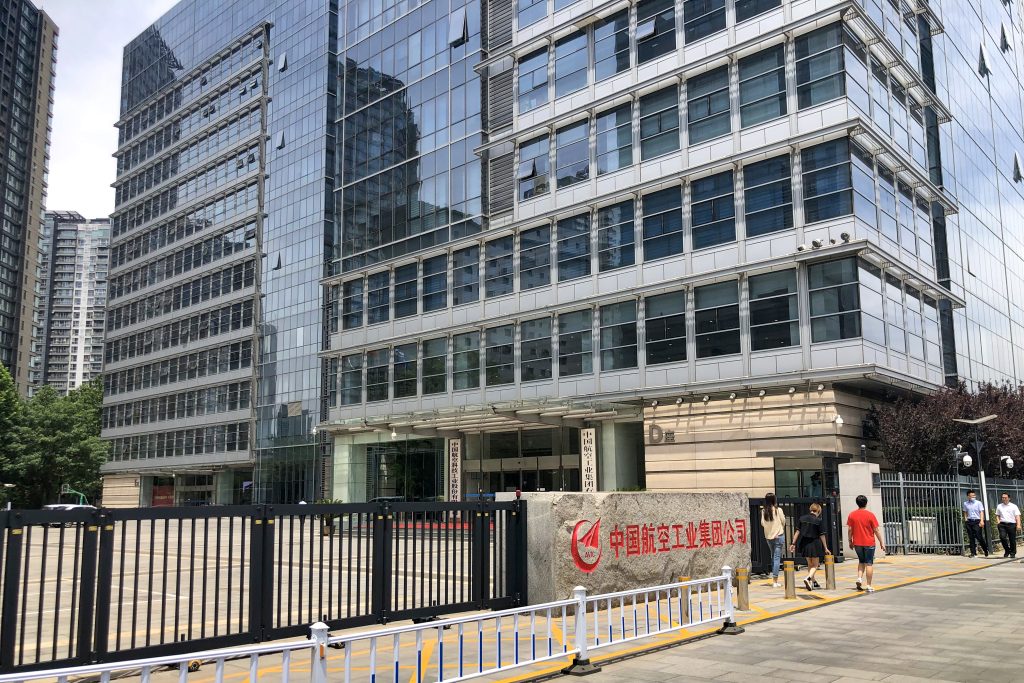
AVIC focuses on Jiutian’s civilian functions: emergency communications, disaster relief, land surveying, and heavy cargo transport. China’s military-civil fusion strategy aligns with dual-use technologies that allow military capabilities to be maintained while developing them based on commercial ventures. A convent with relief materials can be loaded with attack drones within hours.
5. Weapons Loadout Beyond the Swarm
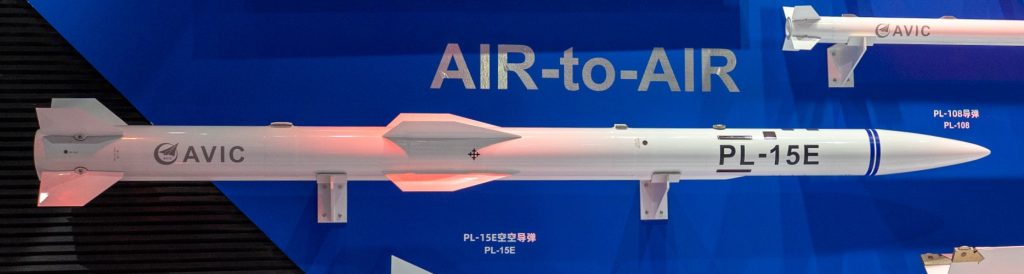
The aircraft has eight underwing hardpoints capable of carrying 1,000kg-class guided bombs, supersonic anti-ship missiles, PL-12 radar-guided and PL-15 long-range air-to-air missiles, as well as land-attack cruise missiles. Several versions differ in terms of radar and avionics capabilities. Some have slightly varying airframe enhancements.
6. Strategic Reach and Altitude Advantage
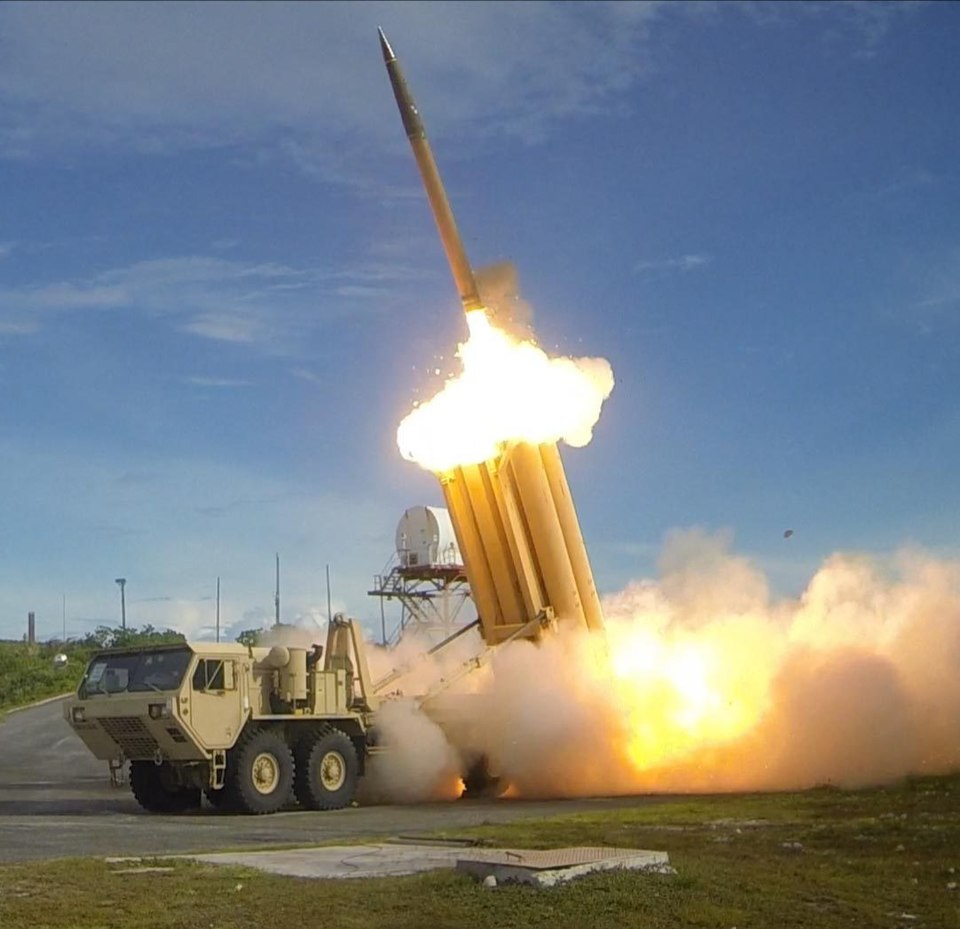
At an altitude of 15,000 meters, Jiutian remains beyond the engagement range of most mid-range SAMS and thus allows for surveillance or planning a strike on regions without modern high-altitude defense systems. Yet, it would still be vulnerable to THAAD, Patriot PAC-3, and Aegis BMD capabilities, making it optimal to operate from a zone with sanctuary airspace or after securing air superiority.
7. AI Enabled Swarm Control
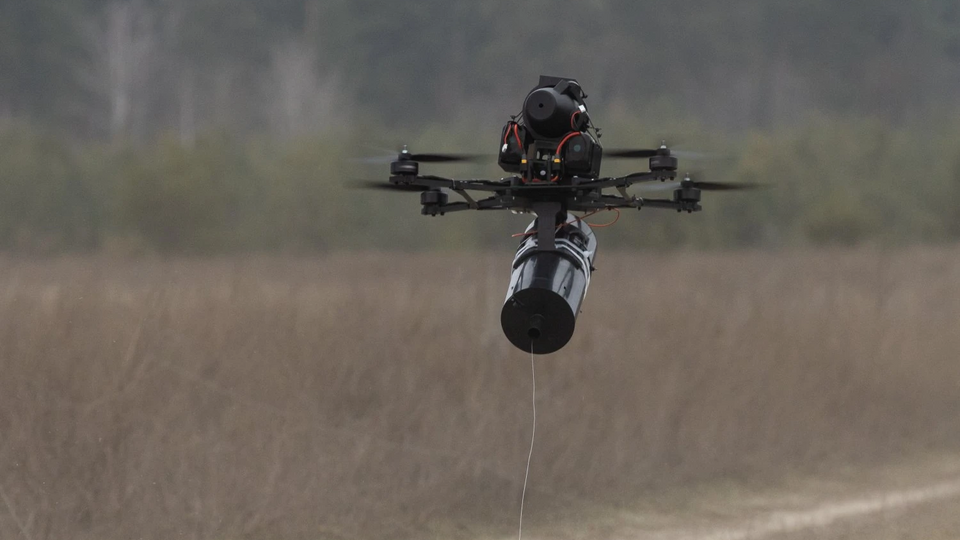
According to PLA sources, it will be possible to control swarms while jamming using control algorithms. It will be seen in target detection and attacks with AI. It will be similar to U.S. Shields’ Hivemind, but it could be larger in scale than anything currently deployed. It will enable autonomy and thus will not be necessary on a one-to-one ratio with humans as it does with FPV drones.
8. Vulnerabilities in Contested Airspace
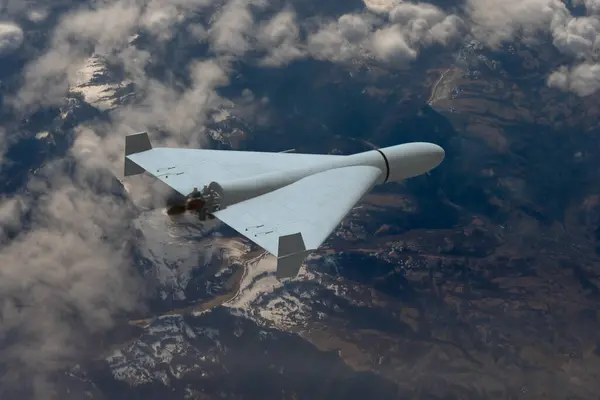
According to analysts, the radar cross-section and datalink dependence make Jiutian a “big target” in these environments. As pointed out by Caitlin Lee, a researcher at RAND, high-altitude drone dispersals have physical limitations, as there would be less lift due to thinner air, requiring an aircraft intercept at a lower altitude with the mothership itself vulnerable to SAM missiles.
9. Implications for Indo-Pacific Defense Planning
Jiutian represents the PLA’s desire to integrate its strength as an asymmetrical mass with traditional firepower. In a Taiwan scenario, Swarms might be launched against the island, saturating Taiwanese defenses before conventional missile attacks and manned aircraft. As these developments pose pressing dilemmas for U.S. and friendly forces on matters related to counter-swarm capabilities, there remain no assurances against swarms with U.S. land and sea-based forces.
China’s Jiutian drone represents a milestone not only in unveiling a new flying device but also in announcing China’s readiness to engage and develop concepts on a large scale relating to warfare from a swarm perspective. Whether it is deployed within the forces or as a proof-of-concept project, it forces opponents to readjust concepts and strategies regarding aerial defense and attack within the Indo-Pacific region. As a defense strategist, Jiutian represents a warning as well as a preview.


