

But what about when the very chips that are inside an everyday device end up leading a missile instead? That’s what’s at issue in a series of lawsuits that have begun against some of America’s biggest semiconductor companies. In Dallas County, there are suits against Intel, AMD, Texas Instruments, and Mouser Electronics brought by plaintiffs from Ukraine who contend that components sold by these companies were found inside Russian drones and missiles.
These developments are set against the backdrop of globalized supply chain networks, porous controls on exports, and geopolitical maneuvering that have enabled Russia to keep its war efforts going despite widespread sanctions. But for investors and leaders within the tech industry, these allegations carry not just ethical implications but consequences. Here are nine things to learn from these developments and their larger context.
1. The Core Allegations
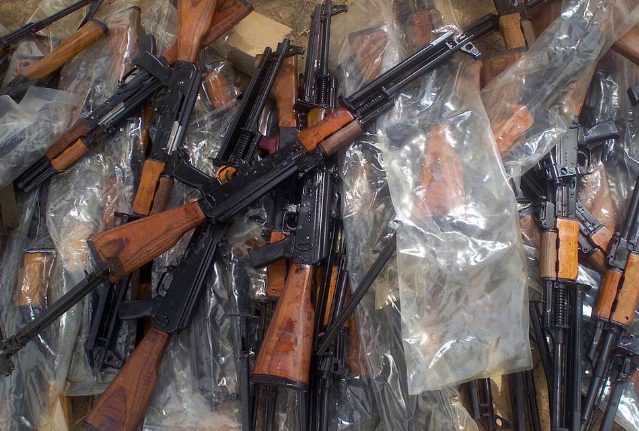
To date, five suits have been filed with Dallas County against the four tech firms: Dallas-based Texas Instruments, Mansfield-based Mouser Electronics, as well as Advanced Micro Devices and Intel, for providing semiconductor components used in Russian weapons. The parties suing these tech giants believe they sold goods to third parties they knew or should have known would resell them to Russia and Iran for use in precision-guided weapons and drones.
The first case, running 106 pages, relates to a strike at a large pediatric hospital and alleges that the defendants were motivated by profit instead of preventing diversions. Lawyers stated there were inadequacies in export control compliance and distributor screening, which perpetuated misuse. Both lawsuits seek more than $1 million damages per case.
2. Battlefield Evidence
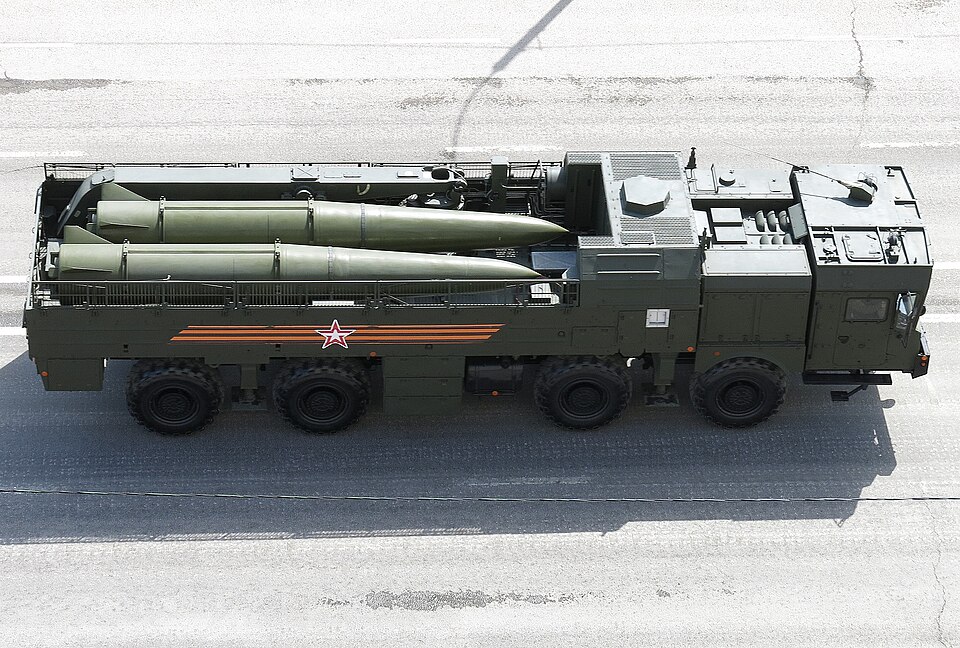
Attorneys for the plaintiffs and Watts spent several days scouring for evidence within Ukraine. As Watts said, “there’s a black box on every drone that withstands crashes and shows chip technology and company names.” Components allegedly manufactured by Texas-based companies were found within Iranian drones called Shahed 131 and Russian missiles called Iskander-M and Kh-101.
The trail of forensic evidence bolsters the case brought by the plaintiffs as it relates various products to various attacks. Lawyers have described microchips as “the steering wheel of a missile or drone” as it guides it on its target. It seems that there is a direct link between civilian victims and components made in the USA.

3. Corporate Responses
Intel said it “does not sell to Russia” and halted shipments to both Russia and Belarus at the onset of war while insisting on strong compliance with all relevant export control laws and sanctions. Mouser Electronics provided a cautious statement on availability to comment, but provided a prepared statement. Texas Instruments and AMD have thus far declined to provide a detailed response.
These are some denials from the list. This speaks to an intrinsic contradiction: while compliance through integrity is maintained, it can be argued on behalf of plaintiffs that indirect sales challenge compliance; the reputational risk for the various companies lies in compliance with the law being inadequate.
4. How Russia Gets Around Sanctions
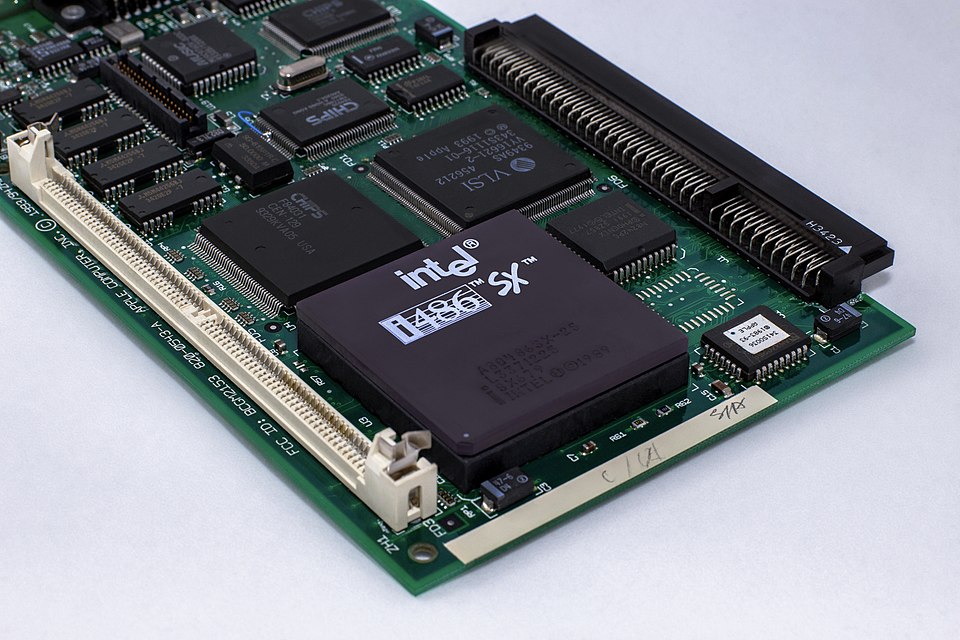
Despite the imposition of sanctions on high-priority dual-use goods, Russia’s microprocessor and transistor imports have rebounded to above pre-war levels. There have been three key reasons driving this: reliance on commodity-grade microprocessors, exploiting international value chains via third-country brokers, and third-country support against robust enforcement of Western sanctions.
Compared to Western Europe, which produces 10 nanometers, Russia’s local microchip production is at 65 nanometers, and imports are a must. Nevertheless, there have been recyclations of components from goods such as dishwashers for the military, with changes like heat sinks, allowing them to work effectively in a war zone; this reduces effective use of limited controls on exports.

5. Role of Third-Country Hubs
98% of the critical components required in Russia are sourced from third countries. Trans-shipment points have increased for electronic components to countries such as Morocco. In this case, these include consignments that originate in China and Taiwan and are shipped via UAE traders, who source components for the Russians.
Because these hubs lie outside of the immediate scope of enforcement by U.S. authorities, they allow the entry into the market of merchandise that is otherwise constrained. The complaints by Bartlett and Bell discuss but do not directly relate to such a system since they address only the negligence for failure to act on the risk of diversion created by these corridors.
6. Omni-Use Technologies
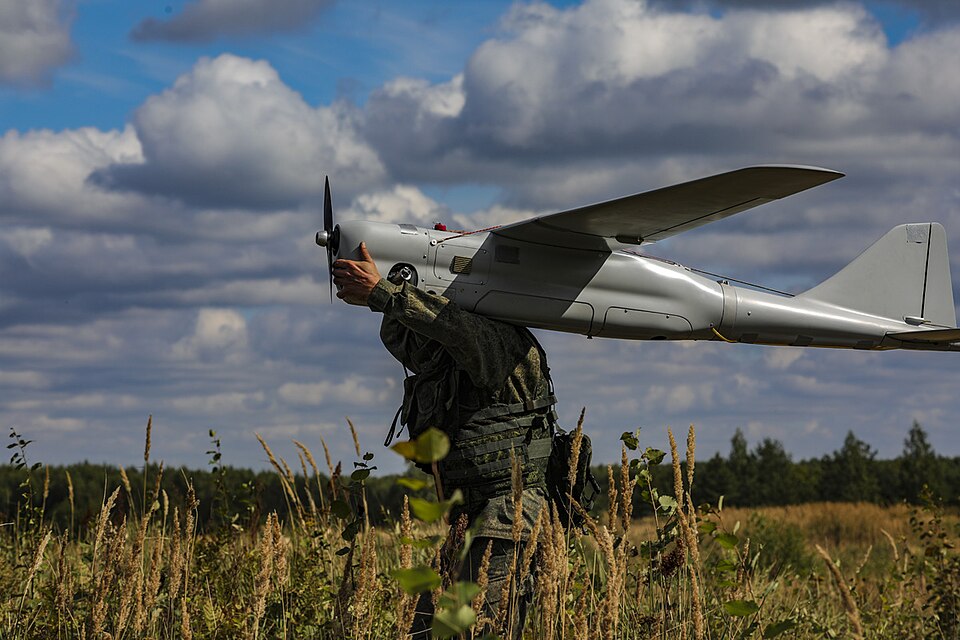
The disputed chips are not special military-grade chips but omni-use technologies, which are widely applicable and very common in civilian and military technologies. The microchips produced by Texas Instruments and installed in the Orlan-10 drones flown by Russia are also widely applicable and commonly known and utilized chips within heating, ventilation, and air conditioning systems. Flight control circuits on the drones consisted of microcircuits applied in washing machines and weather stations. But because it is so pervasive, it becomes difficult to police. The export control rules applicable for dual-use goods have problems with components that have uses right from powering a microwave oven to a missile. Most components are privately, and not government, owned.

7. Legal Strategy and Jurisdiction
Plaintiffs argue that Dallas is indeed a proper venue since “Ukraine is currently an active zone of warfare that affects court operations.” Furthermore, they say that either “the courts of Ukraine do not have jurisdiction” or that they “cannot obtain production of documents and witnesses who are resident in Texas.” Within this jurisdictional framework, it becomes apparent that these issues are considered issues under American jurisdiction with regard to business practices and not as international disputes. By emphasizing the fact that these issues fall under the jurisdiction of Texas law, lawyers attempt to bypass international law complications and rely on the capabilities of local courts to obtain evidence.
8. Geopolitical Hedging
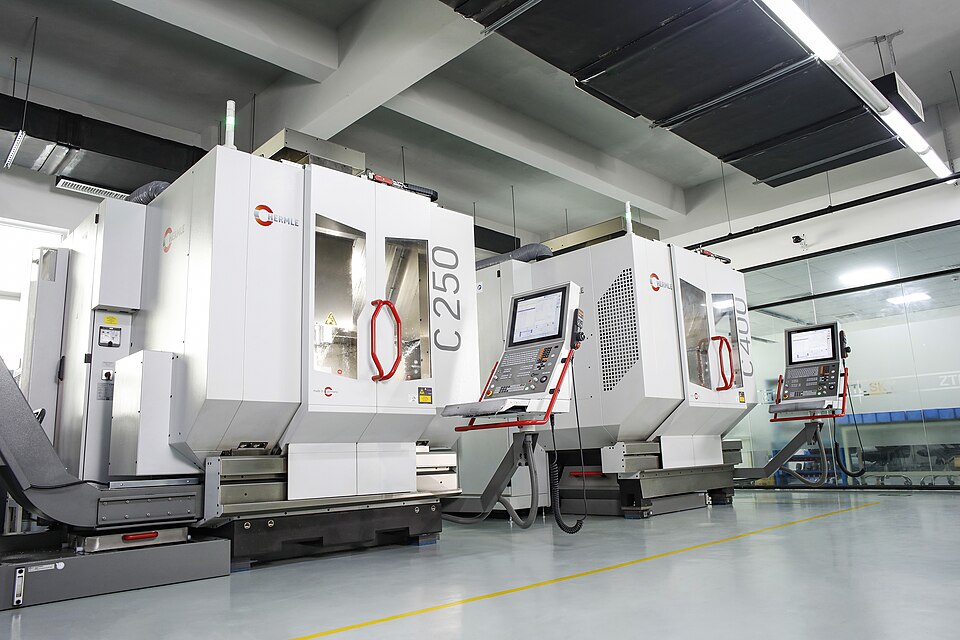
Russia’s chains of procurement networks have benefited from country actions which constitute hedging among big powers. China’s role in the semiconductor supply chain has increased, with more than three-fourths of its sales to Russia passing through Chinese middlemen in late 2022. The UAE’s semiconductor exports to Russia grew fifteenfold in 2022, while Taiwan-based suppliers have supplied CNC machine tools either directly or via roundabout arrangements. All these are driven by economic gain and position-taking. It also can happen in U.S.-friendly countries. In some cases, they may end up aiding technology transfer.
9. Potential Industry Impact
A finding of negligence or conspiracy pertaining to export restrictions may have implications for compliance in regard to the manufacture of technology products. Increased scrutiny of distribution partners, better end-user tracing, and indemnity obligations for indirect sales may be on the horizon. Semiconductor manufacturers have more to lose than just dollar damages. The mere association with civilian casualties within an internationally visible war could rattle stockholders and attract government scrutiny in an attempt to suppress sales distribution networks worldwide. The suits create crystal clarity that within a fragmented geopolitical environment, businesses can no longer find refuge in a single point relationship. The lawsuits against semiconductor companies with ties to Texas are much more than a legal battle.
It is a stress test for technology sector businesses operating at the intersection of global supply chain systems, sanctions policies, and conflict. Regardless of the litigant outcome, these lawsuits lay bare weaknesses within the infrastructure that allow materials critical to civilian life to leak into military hands. The message within the industry is clear: compliance does not stop at an understanding of legality but extends to a deep realization that a product might be used for purposes with very grave geopolitical consequences.


