

“Reducing the budget for climate projects will not bring about a victory.” That proclamation from Defense Secretary Pete Hegseth encapsulates perhaps the most contentious issue within the latest 900 billion dollar national defense policy bill. The 2026 National Defense Authorization Act, passed with overwhelming bipartisan support but clearly differing ideologies, represents so much more than a simple appropriations act. It’s a comprehensive document numbering 3,000 pages outlining the United States strategy on conflict and deterrence against a background of ever changing global priorities.
Legislation comes at a strategically challenging time within Congress and the Trump administration. Although Congress and the administration are on the same page on this legislation, they have included aspects that resist control within Congress and within the White House, support global partnerships, and readjust military procurement. Pay raises for troops, acquisition reform, global commitment on alliance support with NATO, and aviation safety controversies will be at stake. As someone who watches defense policy, it’s a telling indicator of what U.S. defense policy is going to look like and what Congress considers a red line. These are nine of the most significant changes included in this legislation.
1. Troop Pay and Quality of Life Boosts
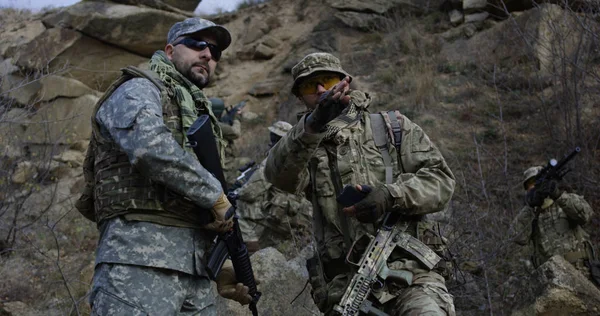
The NDAA contains a 3.8 percent raise for service members. It will be implemented on January 1 and will be among the biggest boosts in recent times. Family separation pay will be boosted from $250 per month to $300. It will have the option of reaching $400. Improvements in housing and additional parental leave benefits will be implemented with the intention of boosting retention. These provisions address complaints about deployments’ impact on family members. By requiring an assured level of pay and flexible leave, Congress makes it necessary for the Pentagon to address the needs of service members for welfare and readiness. The cost of living adjustment, as sought in the budget, ensures personnel at lower enlistment grades receive a tangible benefit.

2. Faster Weapons Acquisition Reform
“Years and years” of procurement delay have frustrated lawmakers and military leaders. “This bill requires a more agile acquisition process” and is a core goal of Hegseth and leaders at the Armed Services committee. It has been described as “the most ambitious swing at acquisition reform that we’ve taken” by Rep. Adam Smith. The changes will help override red tape, so that the military can swiftly react to threats. It could result in faster timescales for developing and deploying next generation technologies and a less reliance on expensive traditional development cycles. There will be more consequences for contractors who delay.
3. NATO and European Force Commitments
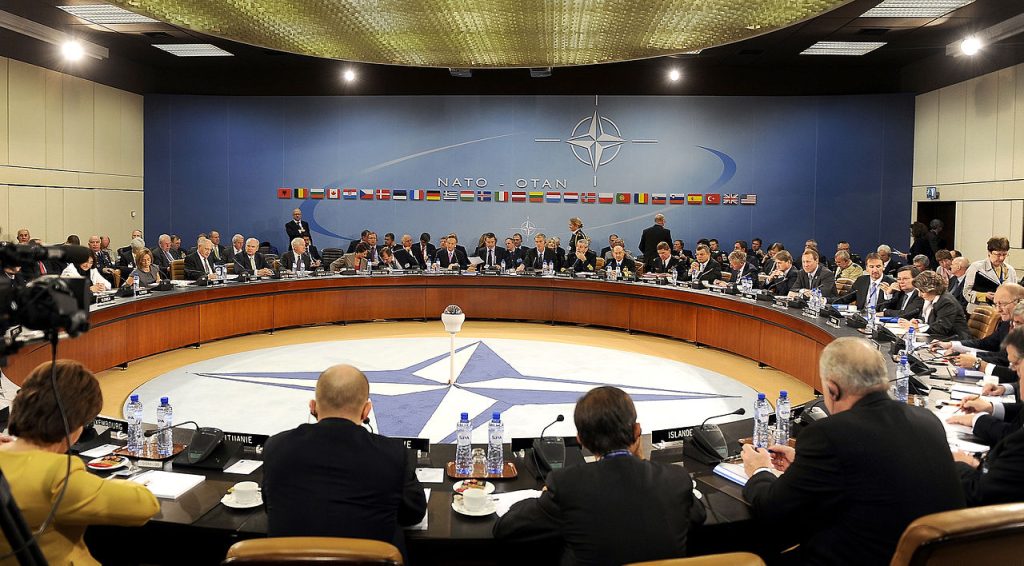
Despite the administration’s shift out of Europe, Congress has mandated minimum troop numbers on the continent for fewer than 76,000 U.S. troops if consultations with NATO allies and national security considerations indicate troop cuts. The current troop presence is approximately 85,000. The NDAA also establishes a $175 million Baltic Security Initiative aimed at enhancing cooperation with and against Estonia, Lithuania, and Latvia, who are compelled to put up commensurate U.S. spending. Congress thus makes it clear that it continues to prioritize deterrence against Russia even as it establishes new avenues with Russia.

4. Scaled Down but Sustained Ukraine
The bill appropriates $400 million per year for the Ukraine Security Assistance Initiative during both FY2026 and FY2027, which represents a considerable cut compared to the tens of billions of dollars supplied during the previous presidency. It enables Ukraine to buy weapons from U.S. defense contractors. Congress also demands immediate notification about a cut off of intelligence support for Ukraine. A relatively small package compared with previous appropriations, it maintains U.S. presence on the defense side and also picks up some very politically salient issues, like accountability and justice for abducted Ukrainian children.
5. Monitoring on Caribbean Boat Strikes
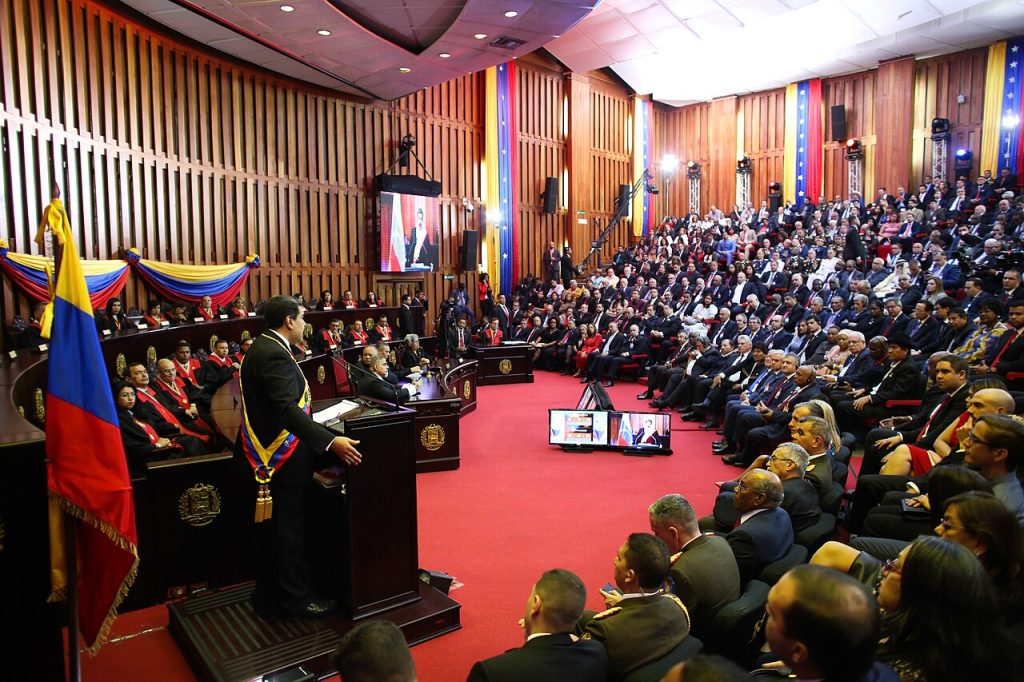
It’s unusual for Congress to criticize the Pentagon, but they have reduced travel expenses for Hegseth by 25% until they get raw footage of September attacks on what appear to be drug smuggling vessels near Venezuela. Victims allegedly were shot at while clinging to debris. The NDAA also requires an examination of the orders involving strikes, accentuating Congressional review of military actions outside so called war zones. The requirement is reflective of an increasingly assertive Congress seeking transparency within use of force operations with diplomatic and legal consequences.

6. Aviation Safety Rollback Controversy
Among the most controversial provisions within the bill is its permit for military helicopters operating within Washington, D.C. airspace without employing ADS B position broadcast. According to NTSB Chair Jennifer Homendy, “This is a major safety step backwards and recreates conditions that existed before the deadly mid air collision in January.” Both sides have seen amendments introduced by senators from opposing parties that would reinstate more stringent rules. Families of victims and pilot union groups have rallied against the measure because it will weaken gains made on safety.

7. Climate and Diversity Program Cuts
The NDAA cuts $1.6 billion from global defense spending related to climate and reduces diversity, equity, and inclusion offices by $40 million. Hegseth believes that “the Pentagon isn’t in the business of climate change” but neglecting the effects of climate on military bases, operations, and equipment would be irrational. As pointed out by former DOD officials, actions involving resilience relating to flood proofing coastal facilities are directly linked with operational capabilities. The removal of diversity initiatives as a repealed action will eliminate institutional processes addressing obstacles within diversity recruitment and retention.

8. Termination of Existing War Powers and Sanctions
The bill nullifies the 2002 Iraq War Resolution authorization, thus ending a loophole that has been exploited over the years as justification for military intervention. It also permanently removes sanctions on Syria, as a result of the removal of Bashar al Assad and rebirth efforts initiated by President Ahmed al Sharaa. Advocates of these actions believe that they bring U.S. law into harmony with modern geopolitical realities and that they will prevent any abuse of these pre existing authorities and stimulate foreign investment for post conflict reconstruction.
9. Women’s Initiatives and Blast Safety Officers
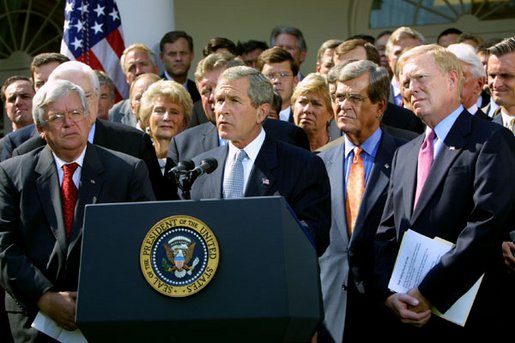
As a partial offset for program cuts, the NDAA restores women’s initiative teams within each service branch to research obstacles surrounding recruitment and promotions, condemning Hegseth’s previous cuts. It also establishes 10 new Blast Safety Officer positions to detect and prevent overpressure injuries. These roles embed risk protocols for distanced safety, personal protective equipment, and sensors for exposure to mitigate health effects on soldiers.
All these demonstrate specific investments in soldier welfare despite cuts within some programs. The 2026 NDAA reflects the continued balancing act between Congress and the Administration regarding U.S. defense strategy. Although it represents significant gains for members of the military and enshrines several alliance obligations, it reduces spending on initiatives relating to resilience and diversity, as well as broad global engagements. The message here for defense scholars and practitioners is clear: there is a shift toward readjusting U.S. military presence and strategy with a new global paradigm, but there is no consensus yet on strategy.


