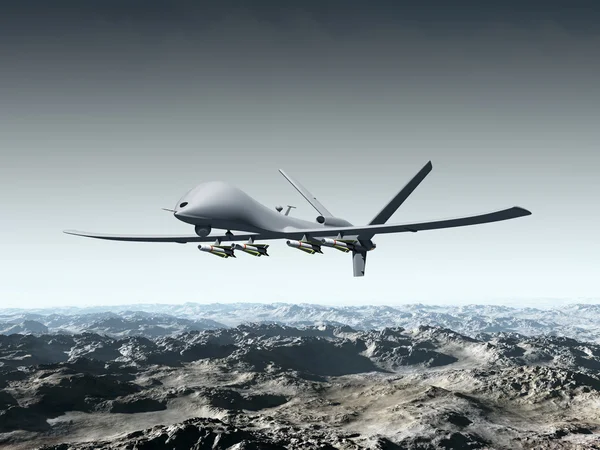
“Almost 300 drones and missiles within a single night” this shows the extent of the operation conducted on December 11, 2025, in Russia by Ukraine, as it constitutes the biggest aerial operation conducted so far as Ukraine continues with its attacks on Russia. It should be noted that it was an operation involving multi-complex attacks on airfields as well as oil rigs with Caspian Sea locations.
As far as observers of modern warfare are concerned, it represents an epitome of drone technology, targeting strategy, and geopolitical messaging. As Ukraine’s operation expands beyond the frontlines, it continues with its plan for systematically destroying Russia’s energy sources and testing its air defense systems. It should be noted that precision and scope of the attack define either sophistication and escalation.
Below are ten key components gleaned from this historic mission, and they offer insights into what becomes increasingly more common with drone warfare.
1. Record-Breaking Scale and Reach
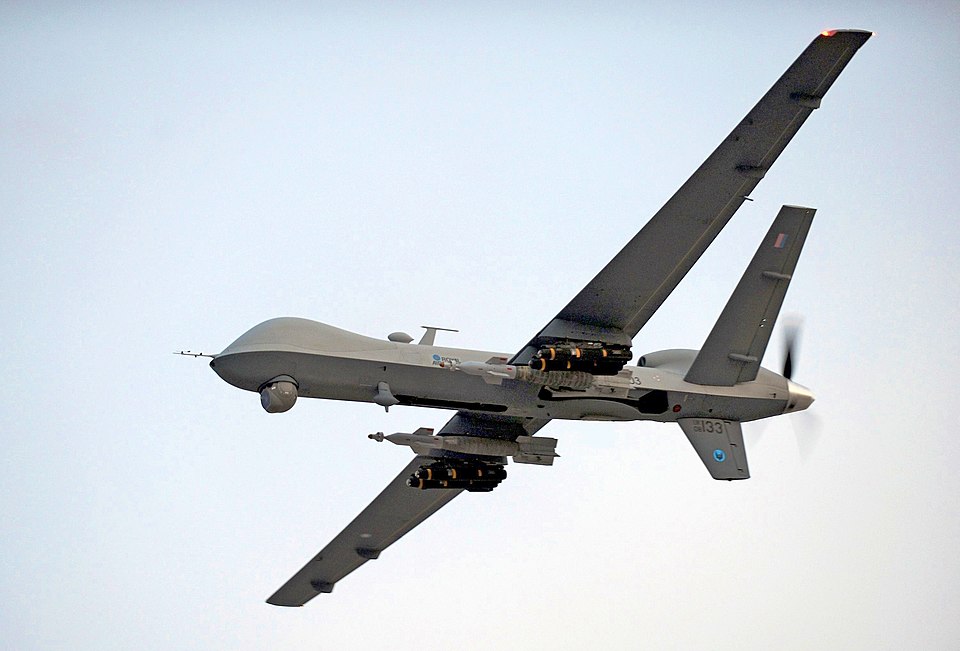
On 11th December, Ukraine conducted its biggest joint drone and missile attack of the conflict, involving almost 300 kamikaze drones and missiles with a 2,000km front, covering western Russia and Moscow. A fifth of these drones and missiles were jet-powered, which shows that Ukraine is developing capabilities to have a mix of propulsion technologies. Its operating distance also reached as far as 1,500km, indicating that its long-range attack capabilities are developing.
2. Concentrated Energy Infrastructure Assault
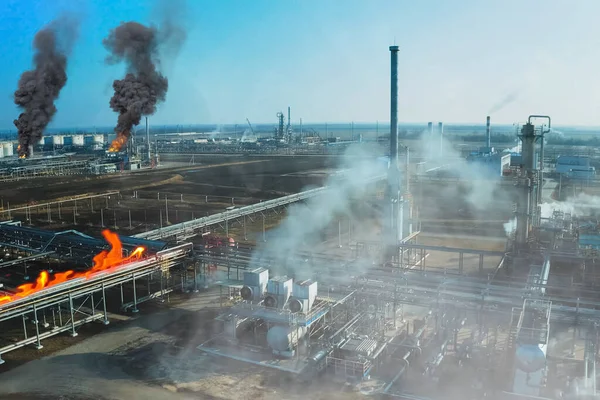
Five large Russian energy facilities were struck within a single night that’s a new record in Ukraine’s attack on fossil fuel assets. Facilities attacked include refineries at Samara, Saratov, and Krasnodar, as well as a fuel depot at Volgograd. All locations were set on fire, with some facilities like Afipsky refinery operating at 20-30 percent less capacity.
3. First-Ever Caspian Sea
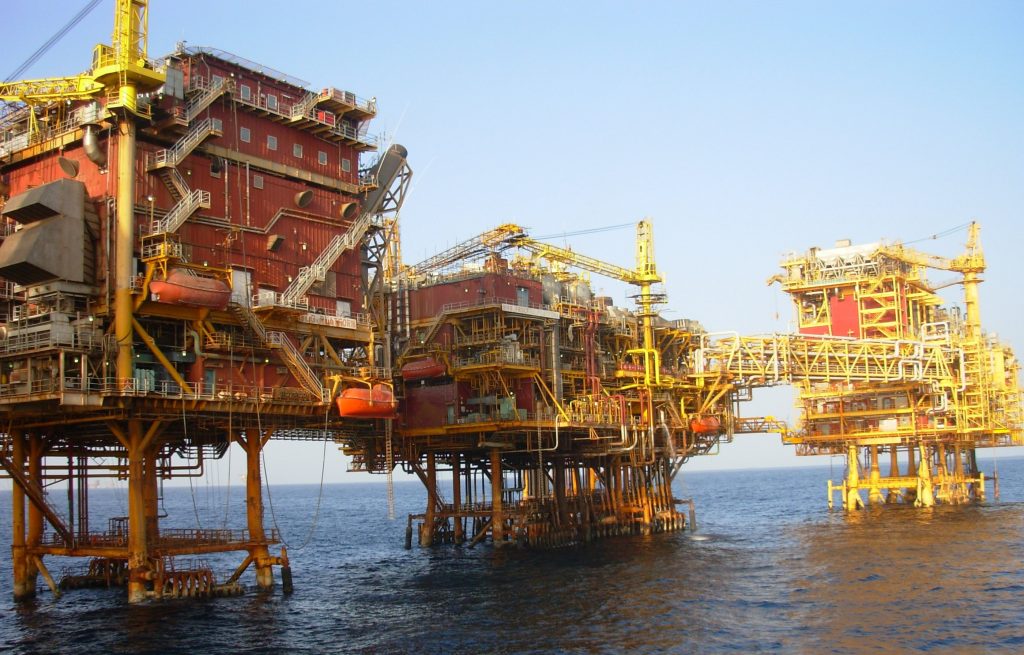
Ukraine hit at least four times Lukoil’s Filanovsky oil&gas platform in the Caspian Sea with a call to end oil production from 20 seabed wells. It marked the first attack on Caspian infrastructure as a start of a new target list that includes offshore drilling projects. A pair of long-range Lyuti drones with a maximum payload of 350kg were engaged with the mission.
4. Moscow Airspace Saturation
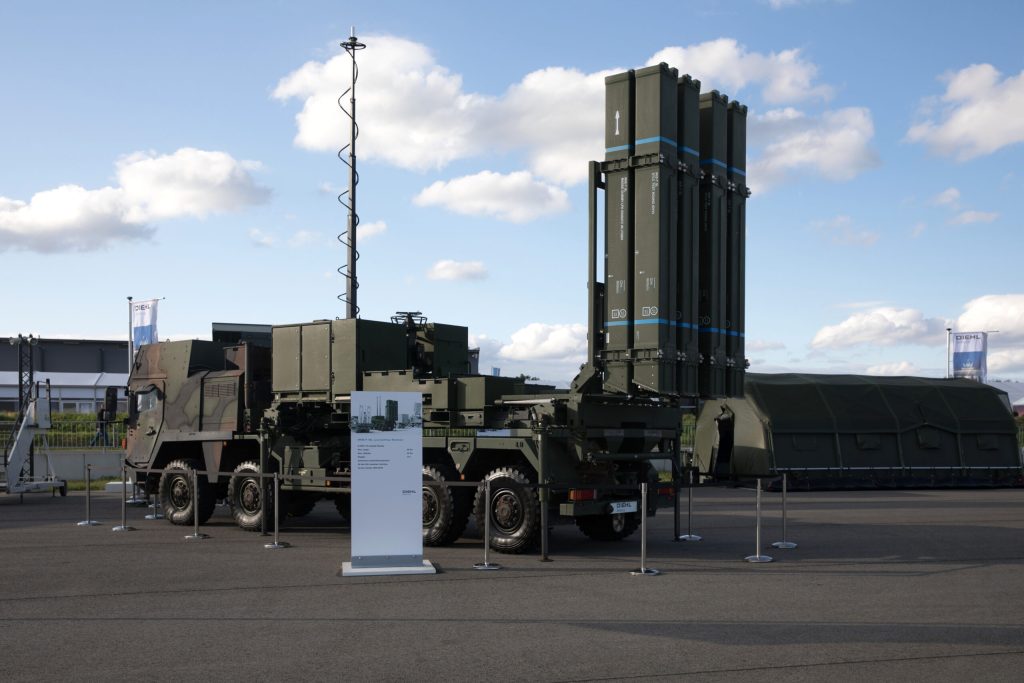
A record number of more than 100 drones attacked Moscow, opening the biggest hostile airspace violation against the capital since World War II. Airports were closed for as long as 10 hours, halting 130-200 flights. Although Russian authorities reported large shoot-downs, it appeared that most were drones set up as decoys to distract air defense systems elsewhere.
5. Strikes on Military Airfields
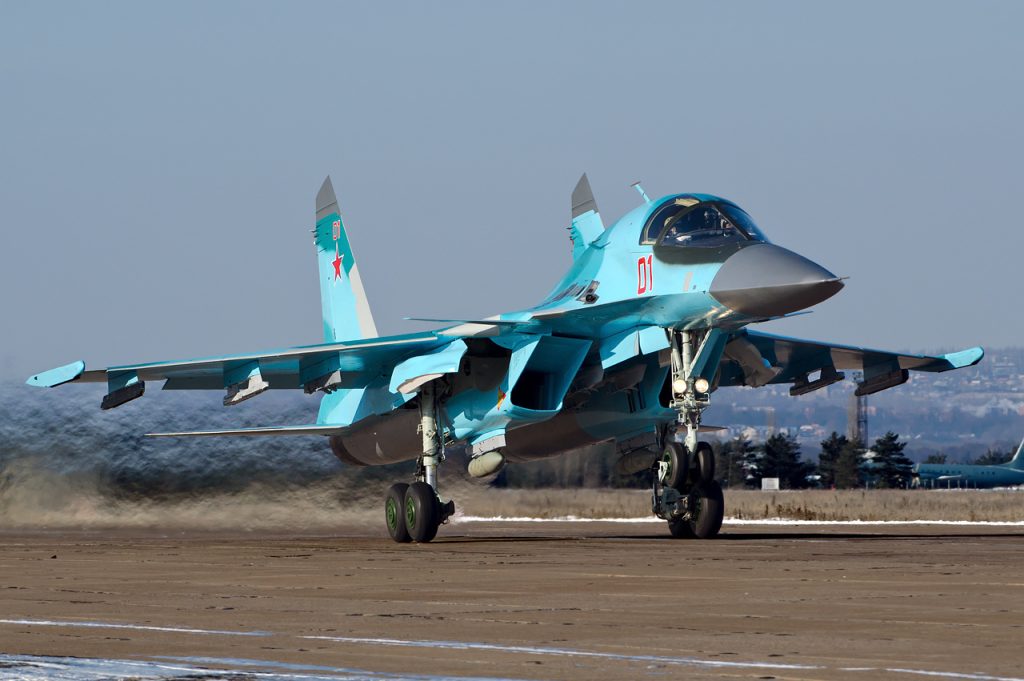
Four air force bases were attacked, these being Ivano, Ryazan, Voronezh, and Olenya based in Murmansk. Reports suggested that there were attacks on Su-34 striker aircraft, hangars, fuel stations, and airfields. It marked a shift for Ukraine because they usually separated energy attacks from military attacks.
6. Syzran Refinery Shutdown
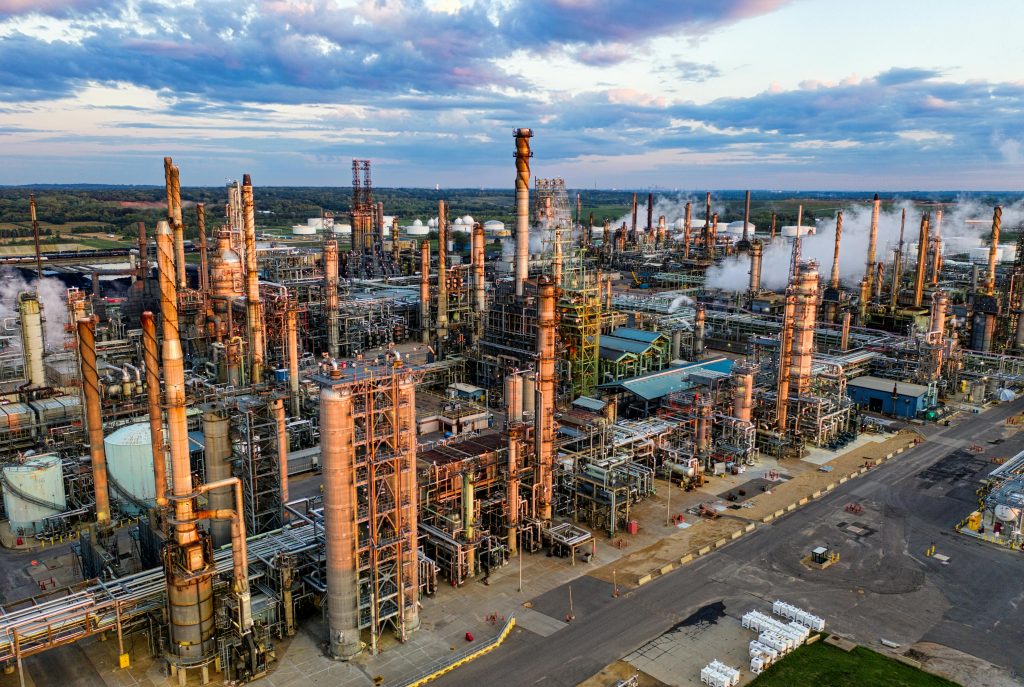
The crude distillation unit at the Syzran refinery has been put out of operation for the second time since August, with repair works scheduled to be completed within a month. The refinery, which processes 90,000 barrels daily and belongs to Rosneft, will be attacked again by Ukraine as restriking an already partially-repaired facility will further extend its operation down-time.
7. Maritime Interdiction Role in the Casp
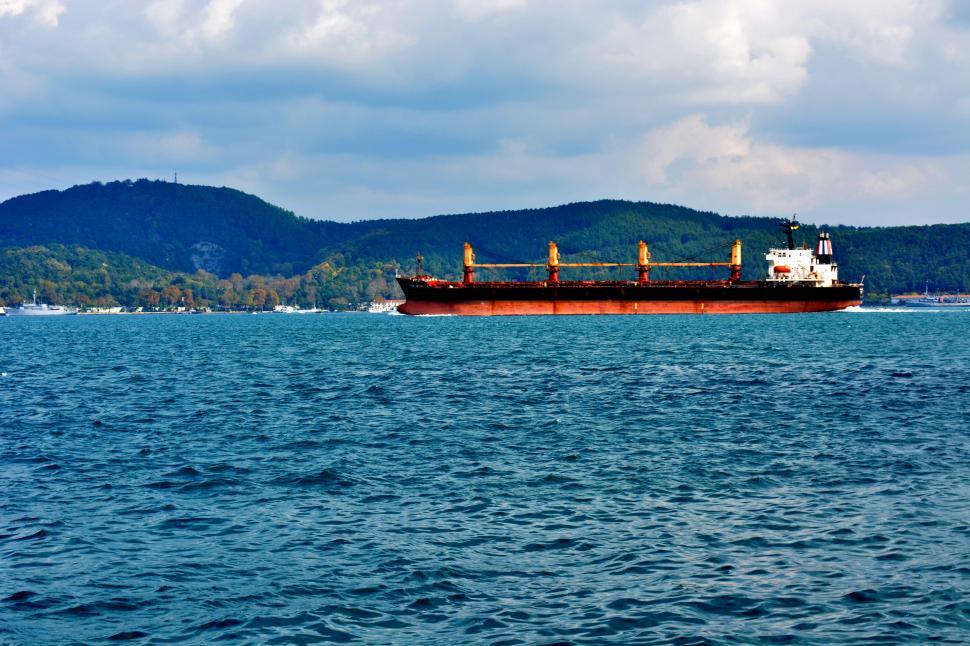
Aside from the oil rig, Ukraine struck the cargo ship Port Olya-4, which allegedly carries components for the Iranian-developed Shahed drones meant for Russia. The ship was confirmed partially submerged by maritime security provider Ambrey. This is the first time Ukraine sank a ship within the Caspian Sea as it expands fronts to intercept Russian supply lines.
8. Integration of Jet-Powered Drones
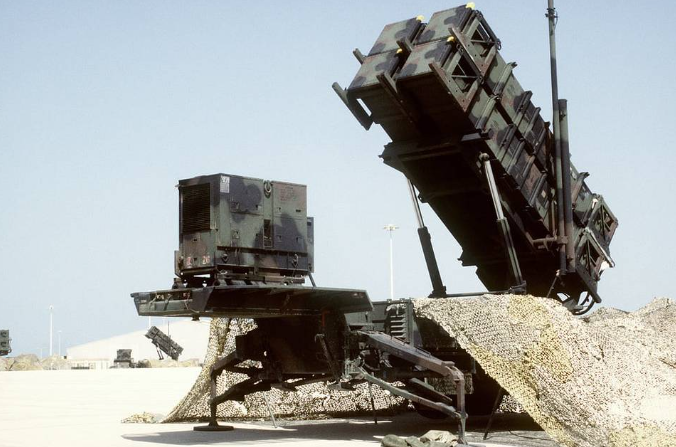
Jet-armed UAVs, 20% of the strike package, make intercepts more difficult due to speeds that have broken 500 km/h. Iran also employs ‘Shahed 238’ models that are costly to engage and might deplete Russian air defenses’ stocks of high-quality interceptors. Ukraine’s employment of drones shows they have adapted to EW and efforts to breach air defenses.
9. Strategic Economic Pressure
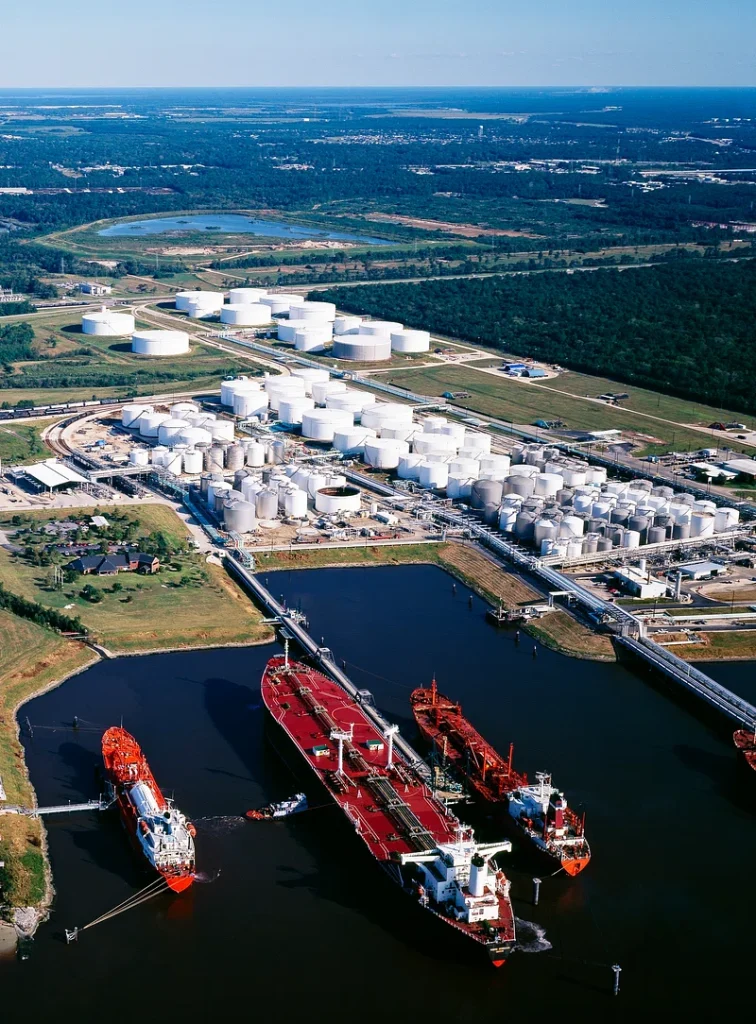
Ukraine’s broader energy sector campaign, labeled “long-range sanctions” by government officials, has targeted at least 77 Russian energy infrastructure sites since August. The impact on oil-exporting terminals, pipelines, and shipping vessels will reduce sources for Russia’s manpower advantage. Intelligence agencies within Western nations and low global oil prices have made it possible without unbalancing markets.
10. Evolution of Ukrainian Strike Doctrine
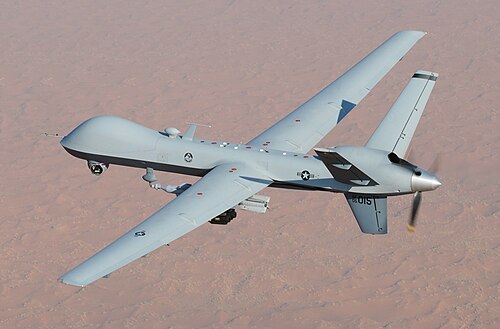
The strategy encapsulated within the Dec. 11 attack represents a shift in doctrine towards simultaneous multi-domain attacks against energy, military, and maritime domains via a variety of drones. Notably, it echoes calls from defense strategists to saturate enemy defense systems with a mix of salvos that include low-cost and precision-guided drones to weaken Russian operational capability.
The December 11th attack conducted by Ukraine is more than just an historic operation, as it represents an optimum blending of drone warfare ambitions with strategy. By extending these operations into battlespace beyond Ukraine’s own territory and finally into striker-depth military assets, Kyiv and its allies have made an unequivocal statement that identifies no Russian resource as being beyond attack. As a note within the military strategy community, this operation represents a defining shift within the use of drones.


