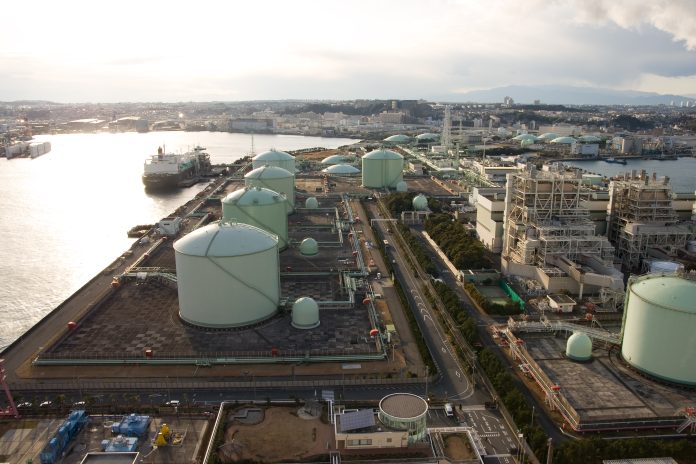
Where might a war extend beyond the battlefield? In early December of 2025, Ukraine showed that it can be hundreds of kilometers when its long-range drones set ablaze one of Russia’s most valued oil refineries deep within the country. The Syzran Oil Refinery-an asset as valuable as $6 billion-was struck along with the Temryuk port on the Sea of Azov, which disrupted petroleum flows and emphatically drove home the meaning of a campaign that is reworking both battlefield strategy and global energy markets.
These are not singular, disjointed operations. They collectively represent a very conscious effort at economic warfare, geared toward the destruction of Russia’s capability to finance and fuel its war machinery. The strikes underline partial frailties in Soviet-era infrastructure, test Russia’s logistical resilience, and reverberate in global commodity pricing. This listicle decomposes the campaign into ten critical dimensions, from tactical depth to geopolitical consequences, and gives a clear view of how infrastructure warfare is changing the trajectory of the conflict.

1. Historic Strike Depth: 700 Kilometers Inside Russia
The Syzran Oil Refinery is located about 700 kilometers from Ukraine’s border. With that said, the strike on December 5th is regarded as one of Kyiv’s deepest penetrations into the Russian interior yet. Significant because striking targets over such long distances would, in theory, necessitate getting past layer upon layer of air defense. The question: Is Russia capable of defending these most important assets deep inside its vast landmass from active conflict zones? The Syzran facility, built in 1942, is relevant to this day as part of Russia’s petroleum network; the issue of vulnerability noted here points out the dangers of modern military logistics depending on aging Soviet-era infrastructure.
2. Shutting Off a $6 Billion Energy Asset
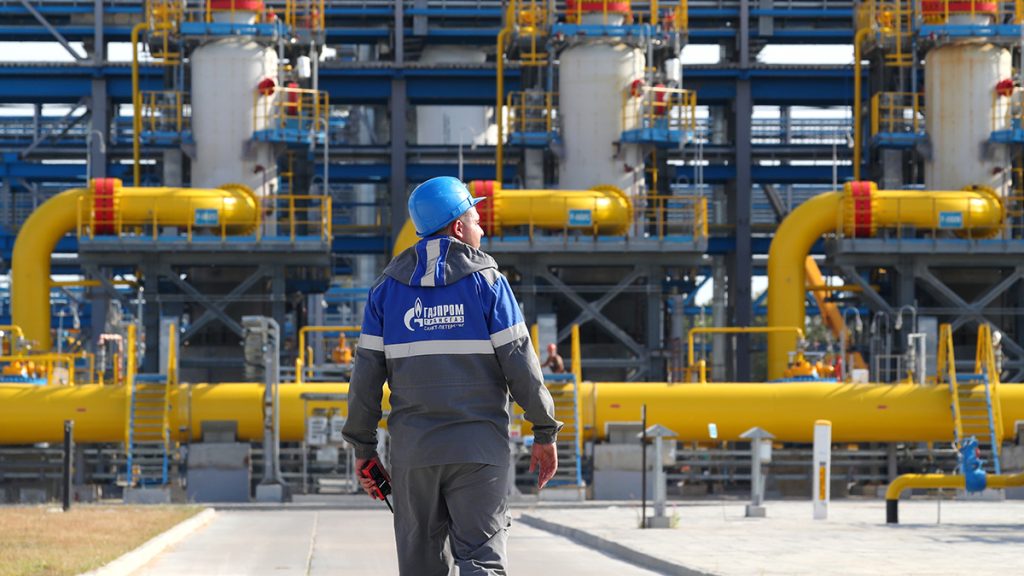
The Syzran refinery is a major node in Russia’s fuel supply chain, with an annual processing capacity of 8.5 million tons-about 65 million barrels. Industry sources confirmed that drones struck the CDU-6 crude distillation unit, forcing a complete halt in primary processing. Repairs could take a month, compounding earlier damage from an August strike. Operating at less than 50% capacity before this latest hit, Syzran’s shutdown threatens both civilian fuel markets and military supply lines.
3. Temryuk Port: Choking a Strategic Export Hub
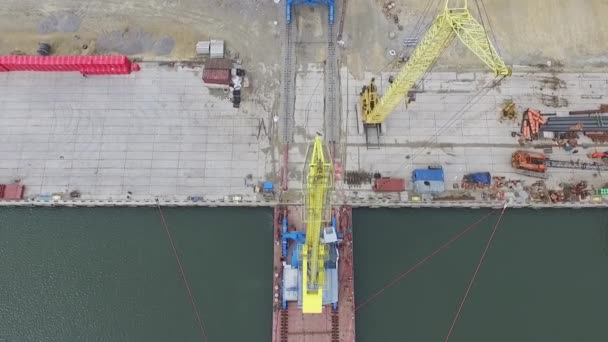
Temryuk, on the Sea of Azov, handles petroleum products, LPG, and general cargo. The December strike started fires at the Maktren-Nafta LPG terminal, reportedly destroying 20 of its 30 storage tanks-two-thirds of on-site capacity. This facility can move 400,000 tonnes of LPG annually, and damage on this scale may cut Russian export revenues until repairs are complete. Even temporary shutdowns force costly rerouting of shipments, creating logistical bottlenecks.

4. Continuous Strikes as a Continuing Strategy
This Ukrainian campaign is pegged on striking the same facilities several times to prevent stabilization. According to data from ACLED, at least 77 Russian energy sites were struck between August and November 2025-roughly twice the total for the first seven months of the year. Targeting critical components, analysts say, rather than visible structures, maximizes disruption. This approach makes repairs painfully slow, keeps capacity offline, and erodes Russia’s operational flexibility.
5. Extending the Target List Offshore
December’s inland strikes came after Ukraine attacked for the first time an offshore oil platform in the Caspian Sea-the Filanovsky field, Russia’s largest in that sector. A Ukrainian security source told CNN it was “another reminder to Russia that all its enterprises working for the war are legitimate targets.” This extension to offshore drilling infrastructure marks Kyiv’s determination to strike every link in Russia’s energy revenue chain, from production to export.

6. Backing of Western Intelligence and Politics
Two factors have enabled Ukraine’s escalation: increased U.S. intelligence sharing after the failed Alaska summit between Trump and Putin, and a shift in European attitudes. Lithuanian parliamentarian Dovilė Šakalienė noted that by late summer, “no one in the room would even mention that Ukraine should restrain from hitting any target.” Falling oil prices have also made these strikes politically palatable to allies focused on keeping retail fuel costs low.

7. Economic Ripples Are Felt in the Energy Sector of Russia
Repeated hits have shaved around 6% off Russian refinery throughput year-on-year, Kpler analyst Nikhil Dubey said. That is modest in percentage terms, but disruptive for a system that runs on only a thin gasoline surplus. In September and October, regional shortages forced Moscow to temporarily ban gasoline exports. Oil-and-gas revenues tumbled nearly 34% in November compared with the same month in 2024, according to the International Energy Agency.

8. Market Volatility and Risk Premiums
Due to the redundancy in Russia’s network, global fuel markets have thus far avoided catastrophic shortages, but each strike injects volatility. Insurance rates rise, traders adjust positions, and risk premiums begin to push prices upward. Even moderate disruptions unsettle markets when they occur in rapid succession and reinforce perceptions that structural instability is now embedded in the global energy system.
9. Environmental and Health Concerns
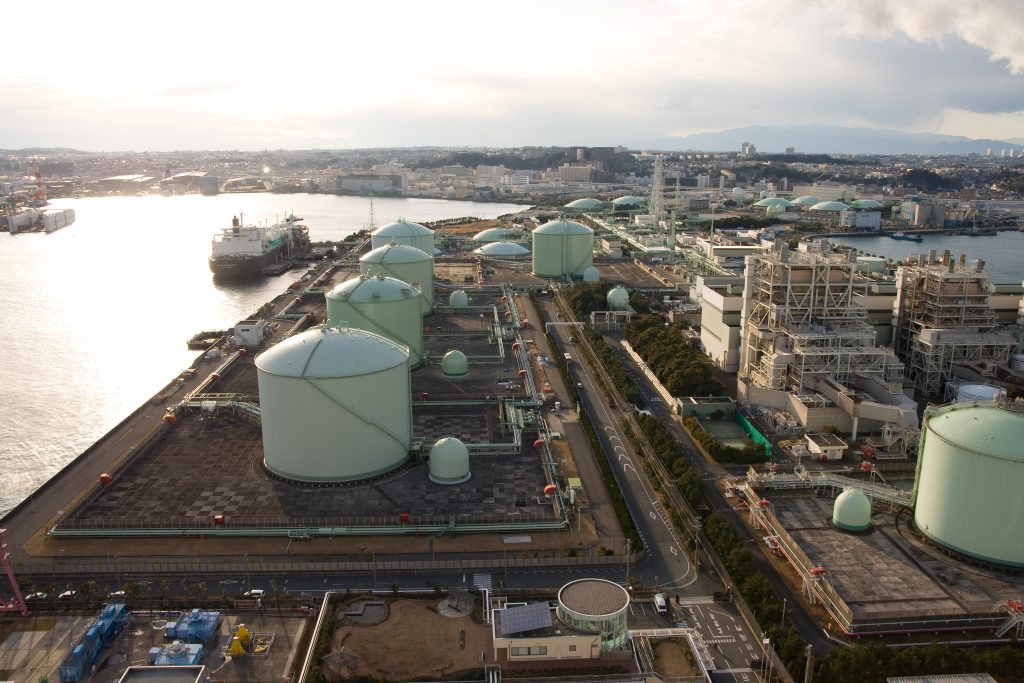
Fires in refineries and LPG terminals release potential pollutants into the atmosphere and upper layers of soil. No serious health impacts were reported following either the Syzran or the Temryuk incident, but environmental experts indicate that aged facilities often do not possess modern containing mechanisms. Repeated fires increase the cumulative risks of exposure by adding a new ecological dimension to the strategic debate over targeting energy infrastructure.
10. Strategic Debate: War Aims vs. Long-Term Costs
Ukraine describes these strikes as “long-range sanctions” to impair Russia’s war economy. Critics warn that the destruction of industrial assets will lead to potential long-term environmental damage and possibly turn neutral states against Ukraine if they are affected by spillover damage. Analysts like Sergey Vakulenko suggest that while the initial damage is “relatively easy for Moscow to bear,” the repeated overheating and cooling of refinery structures can result in long-term degradation of those assets.
The question remains whether sustained infrastructure warfare can compel political concessions without triggering broader fallout. The strikes on Syzran and Temryuk this winter are an emblem of how modern war might be fought: where economic lifelines are at least as important as front-line positions. Deep into Russian territory, Kyiv is pushing the boundaries of infrastructure warfare with high-value energy targets repeatedly hit. The coming months may show if this strategy will wear down Russia’s war capacity sooner than it reads justs to it, or if the world’s energy system can absorb the shock without falling into crisis.


