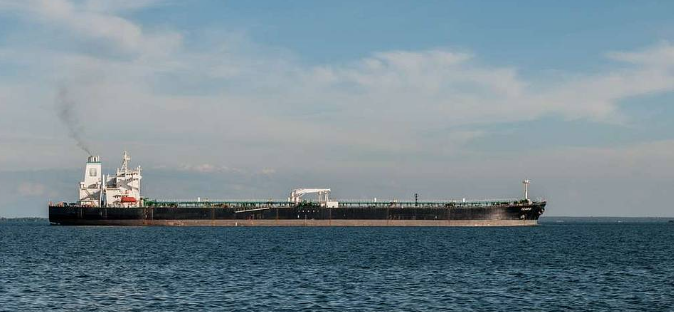
Is a seizure of an oil tanker a warning sign for an economic blockade? The machismo display that took place last week among U.S. forces against an oil tanker that was well beyond the Venezuelan coast will soon be remembered as what took place next as an ever-escalating pressure campaign against Venezuelan President Nicolas Maduro. A board seizure mission conducted on an oil tanker fittingly named Skipper, recognized as a sanctioned cargo of oil bound either for Venezuela or Iran, took an unbelievable amount of risk and skills.
The Skipper Detention goes beyond being an exciting news headline. It also connects itself with global energy markets and several matters associated with seaborne law and clandestine activities surrounding sanctioned nations. Ranging from very sophisticated boarding procedures to accusations about flagrantly fraudulent flags, it becomes an exemplary lighthouse on the high seas that marks muscle energy at the intersection of enforcement and clandestine oil smuggling.
1. The Biggest Tanker ever Seized by US Authorities
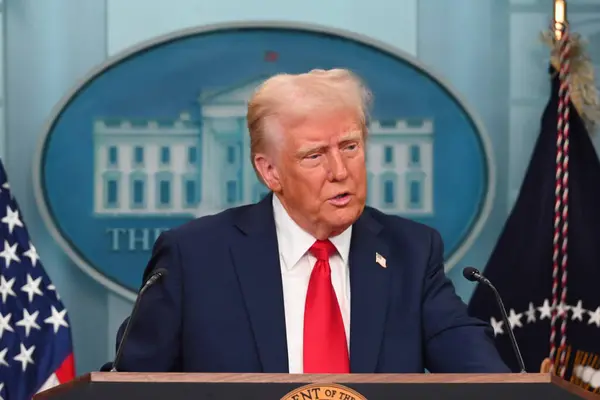
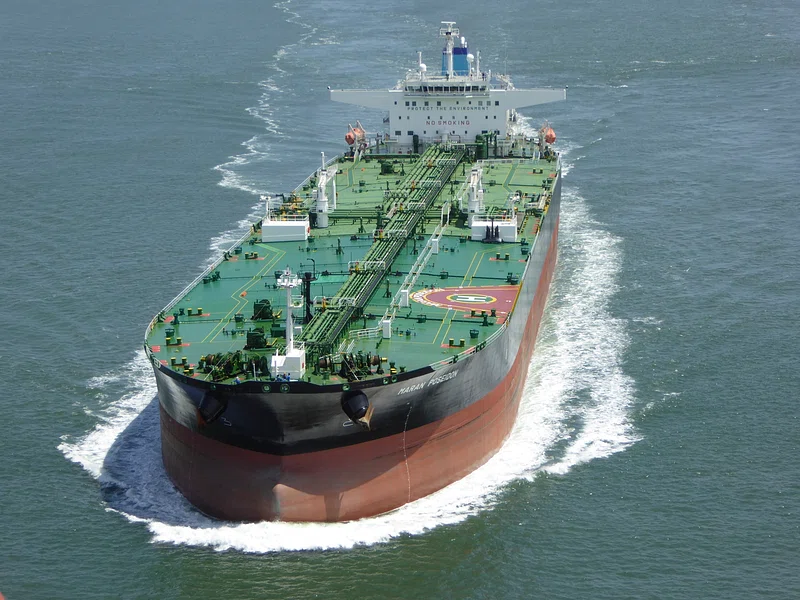
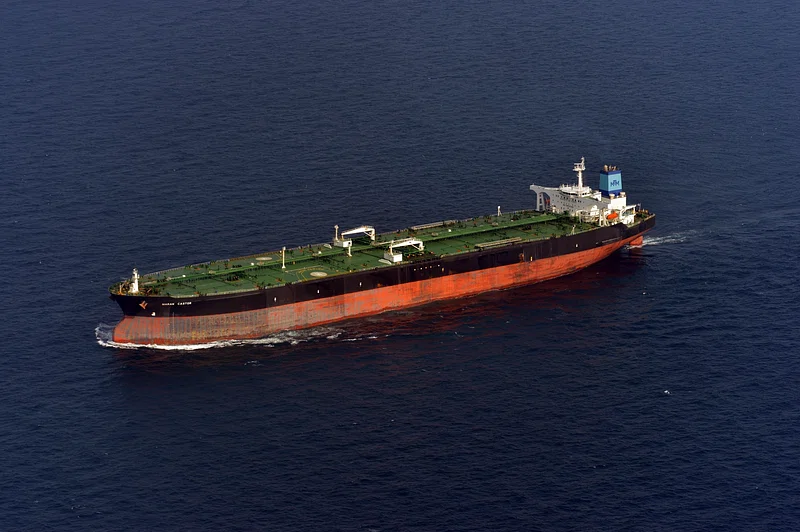
According to U.S. President Donald Trump, “This Skipper, it’s ‘the largest one ever seized, actually.’” The size and cargo on board were indeed apt for these assertions. It measured 333 meters and 60 meters wide. It meant that it was an enormous oil tanker. Additionally, it contained about 1.8 million barrels Merey oil cargo with a worth value of more than $95 million that it had acquired from Venezuela. According to U.S. authorities, it had previously been sanctioned back in 2022 on grounds that it facilitated Hezbollah and Iran Quds Force business enterprises.
2. Strategies for Elite Boards Operating on International Waters
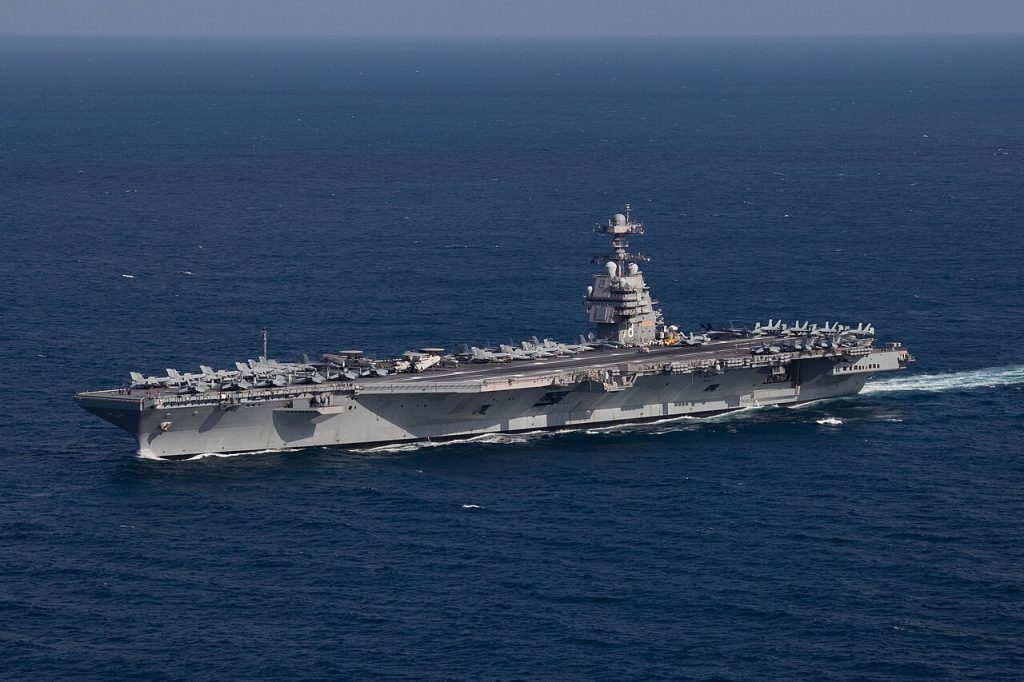
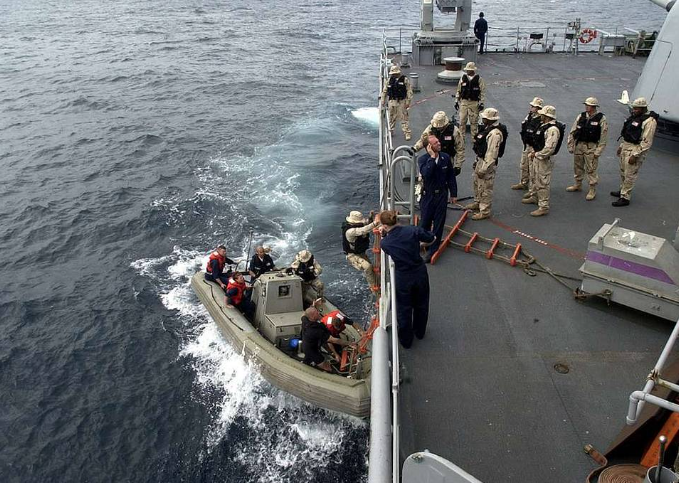
Images extracted from a video uploaded by Attorney General Pam Bondi showed troops with guns rappelling from helicopters on board the tanker. It included cooperation among Coast Guard forces’ Maritime Security and Response Team and support troops from USS Gerald R. Ford. Special forces were created as an intervention response for 9/11 attacks. Special forces have expertise in operations involving counter-terrorism and high-risk seizure. The operation on seizure took place on international waters based near Venezuela. There were no casualties.
3. AIS Spoofing and Flag Fraud
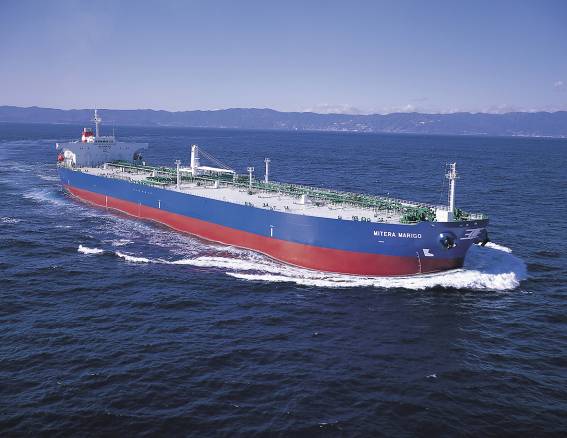
The analysis of satellite images and shipping traffic data also revealed that Skipper had been making deceitful position reports. It is known as “AIS spoofing” and it usually works as a mechanism for avoiding detection at Venezuelan facilities. It was noticed on November 18 at a docking facility for Venezuelan ships near Barcelona. However, it broadcasted a signal from its transponder that it was operating from Georgetown, Guyana. The oil tanker ship also flew a flag representing Guyana. It might end up with no country and therefore qualify for seizure based on an article within the United Nations Convention on the Law of the Sea.
4. Component of Shadow Fleet
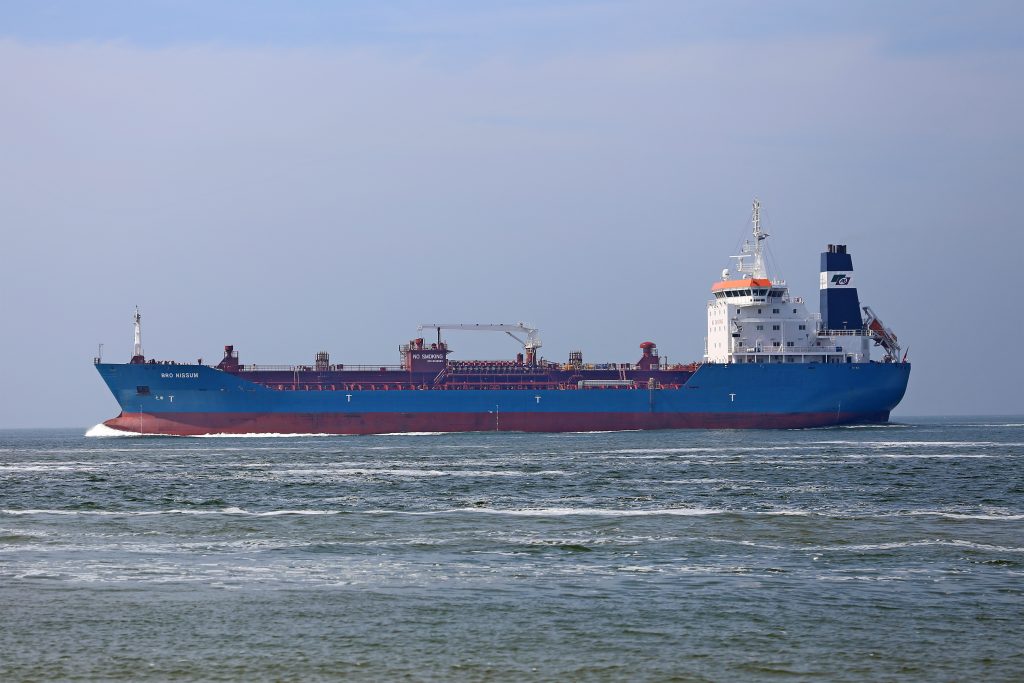
The Skipper can be traced back as being among 30 documented shipping vessels operating within the area surrounding Venezuela. The shipping vessels are monitored by intelligence agencies. The shipping vessels are drastically uninsured and operate as an entity within a shell corporation. These clandestine ships have dramatically increased as a result of sanctions levied against Russia in 2022. A projection predicted these clandestine shipping vessels as no more than glorified rowboats but an absolute necessity for sanctions wanting to share oil on the global market.
5. Iran Oil Smuggling Network Links
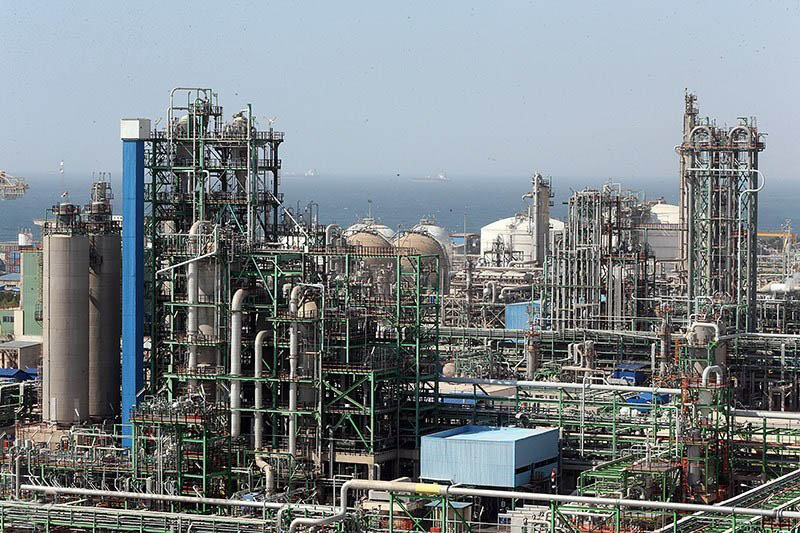
The United States Treasury sanctioned the Skipper, which has the codename “Adisa,” because of its presumed role within an illegal organization relating to oil smuggling on behalf of Iran’s Revolutionary Guard Corps and Hezbollah. It would seem that it has been involved with oil shipments and blenders that have repackaged Iranian oil as either oil from Iraq or oil from Venezuela. This would relate to what it has been involved with before, as with an AISSOT project involving fuel oil distribution and export.
6. The Energy Crisis on Cuba and Skipper’s Cargo
By viewing documents available at PDVSA, it can be ascertained that Skipper’s cargo included some consignments for Cuba, which has been suffering from its most severe power blackouts in several decades. The imports from Venezuela have considerably fallen by almost 15 percent as Cuba is facing blackouts lasting five to nine hours. Skipper’s cargo would have meant an energy lifeline for Cuba, which needs an energy lifeline because of its old energy infrastructure.
7. Legal Gray Areas Regarding Maritime Seizures
According to some sources, there are US acts that refer to seizure on international waters based on sanctions imposed on several nations. However, there still exist some degrees of ambiguity with regards to these issues. As explained by political analyst Santino Regilme, “the transition from ‘right of visit’ to a full seizure” took place within a “jurisdictional lacuna.” Perhaps they could have relied on their statelessness as a pretext for visiting. However, seizure on goods as sanctions on several nations would have been ambiguous on behalf of nations in Global South.

8. Potential Economic Impact on Venezuela
It would imply, as some analysts have suggested, an escalation on some costs associated with engaging with Venezuela, and thus some people would be discouraged from buying low-cost oil from Venezuela. According to Francisco Monaldi from Rice University, it would cost $15 on black markets as opposed to legal ones, but because of low rates due to seizure.

9. Integration into US Pressure Campaign
The sequestration operation would signify a broader plan with 15,000 US troops and 20+ attacks on so-called carriers on ‘drugs’. Venezuelan President Maduro describes US humanitarian intervention as a mere pretext for a government turnover. Just moments before, Salvadorian opposition activist and recent Nobel Peace Prize laureate María Corina Machado welcomed an operation like this. Oil dollars on oppressing, and not on improving, a so-called betterment.
10. Message to the Dark Fleet
As per risk experts on seaborne threats, it would signify a warning signal on behalf of these sanctioned ships who were engaged with ‘spoofing and clandestine oil transfers’. As Dimitris Ampatzidis, an analyst at Kpler, explains: “As of today, they will know they will be high-profile targets for the US Navy.” Bold moves like these will have a significantly disrupting effect on shadow fleets and will make risk-reward analysis increasingly difficult for those operating within and around sanctioned oil shipments.
The seizure of Skipper shows challenges involved with use of force, sanctions, and shadow energy shipping. It disrupts a vital chain with Venezuelan and Cuban Governments, it breaks a bound related with seizure at seas, and it shows Washington’s readiness for escalation on policy beyond sanctions. Whether it’s an opening round on an active blockade or something totally different, it will set next steps on US-Venezuela and shadow fleets on an exponential dynamic paradigm.


