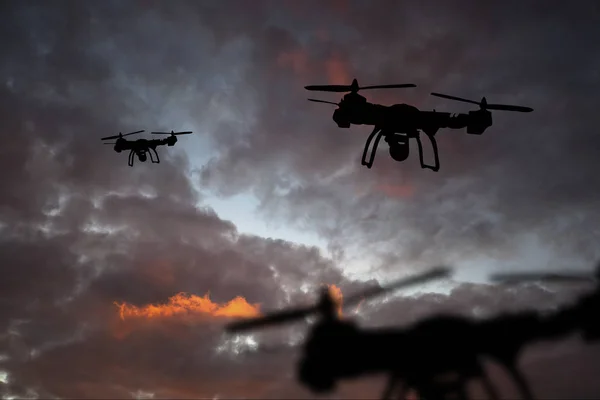
Would a set of drone strikes deep inside Russia change the dynamics of a grinding war? In early December 2025, Ukrainian forces showed growing reach by hitting critical oil and gas infrastructure hundreds of kilometers from the front lines. The attacks against refineries and export terminals disrupted operations, fired up massive fires, and underlined the strategic role of energy systems in modern conflict.
The attacks on the Rosneft’s Syzran refinery and the Maktren‑Nafta terminal at Temryuk were part of a sustained campaign against Russian fuel supply chains and export revenues-an attack conception allowed by advances in unmanned systems and precision targeting. As winter sets in, the consequences ripple through battlefields, economies, and diplomatic corridors, revealing vulnerabilities that extend far beyond the immediate blast zones.
1. Syzran Refinery Knocked Offline
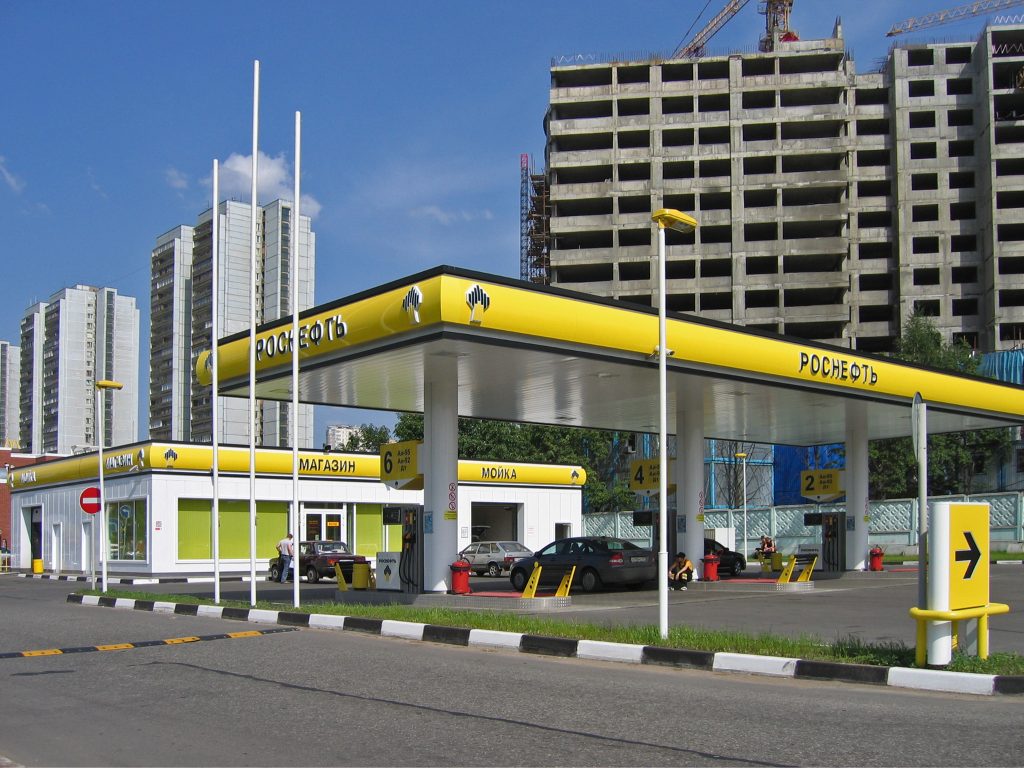
On December 5, Ukrainian long‑range drones attacked the CDU‑6 crude distillation unit at Rosneft’s Syzran refinery, forcing a full stoppage of crude processing. Part of the Samara cluster, this facility has already been targeted in August and February this year, with each case taking weeks afterwards for repairs to be completed. According to industry sources, the latest outage-an estimated one month in duration-keeps the plant down into early January 2026.
In 2024, Syzran processed 90,000 b/d and produced annually 800,000 mt of petrol, 1.5 million mt of diesel, and 700,000 mt of fuel oil. The repeated damage to its main processing unit underlines the stress on Russia’s refining network as it is repeatedly attacked, while sanctions limit access to Western replacement parts.
2. Temryuk LNG Terminal Destroyed
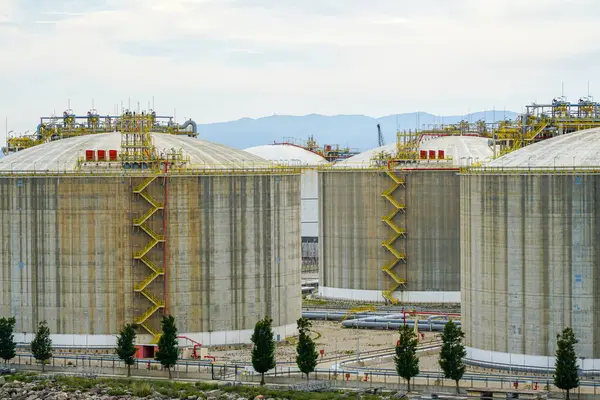
Meanwhile, Ukraine’s SBU launched another assault on the Maktren‑Nafta LNG terminal at Temryuk Seaport. Commissioned in 2008 and able to process 400 000 tonnes of liquefied natural gas every year, this facility has seen more than 20 of its 30 storage tanks, railway tankers, an intermediate fueling unit and a loading overpass destroyed.
That blaze, in an area estimated to be about 3,000 square meters in size, raged for three days. Says one SBU source: “This money funds the war against Ukraine. Explosions in the Russian rear will keep happening at facilities supporting the war effort.” The loss of two‑thirds of onsite storage capacity represents a significant blow to Russia’s southern export hub.
3. Expanding Long‑Range Drone Warfare
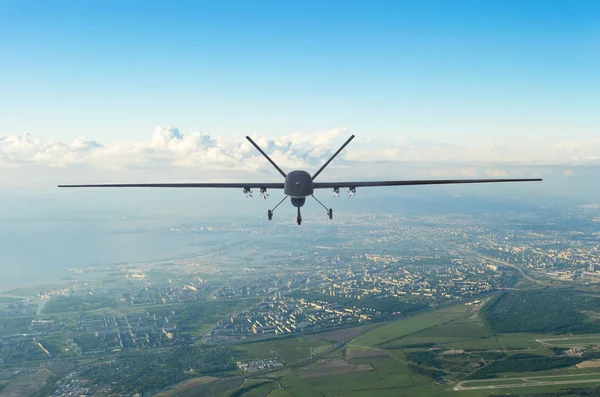
Since early 2025, Kyiv has quickened the pace and reach of its long-range attacks on refineries, depots, and terminals deep inside Russian territory-against Ryazan, Saratov, Volgograd, Novokuibyshevsk, and Novorossiysk. These operations are carried out by domestically produced drones with ranges of more than 1,000 kilometers and thus attack previously secure targets.
In this regard, the Russian authorities claim that more than 100 drones have been intercepted in one night during recent operations, but the rate of interception does not prevent damage being inflicted on key facilities. The campaign reflects a shift toward attritional, deep‑strike tactics aimed at eroding Russia’s war economy.
4. Maritime Front: Under Fire Shadow Fleet
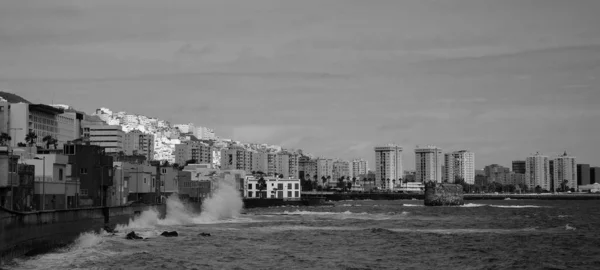
Ukraine has opened a new phase in the Black Sea by targeting Russia’s so‑called shadow fleet aging oil tankers used to bypass Western embargoes. In late November, Sea Baby USVs struck the tankers Kairos and Virat near the Turkish Straits, disabling one and damaging another.
These strikes appear to threaten a de facto blockade on the export of Russian oil from the Black Sea. Sustained, they could push the Russian Black Sea Fleet to provide escorts, exposing warships to Ukraine’s proven maritime drone enablers.
5. The Spare Refining Capacity Cushion of Russia
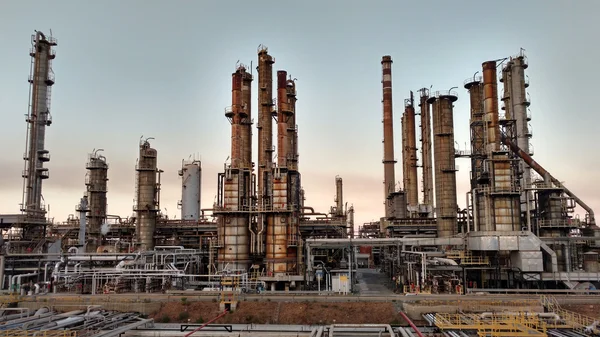
But despite repeated strikes, Russia’s overall refining output fell about 3% in 2025. Refineries took advantage of unused capacity, restarting idle units and repairing damaged machinery in record time, according to industry sources. At the height of attacks between August and October, maintenance combined with strikes removed 20% of capacity, yet output fell just 6%.
The total refining capacity of Russia stands at about 6.6 million barrels per day, never fully utilized. This buffer has allowed Moscow to offset losses, though cumulative costs and increasing logistical complexity of repairs mount.
6. Of Sanctions and Repair Challenges
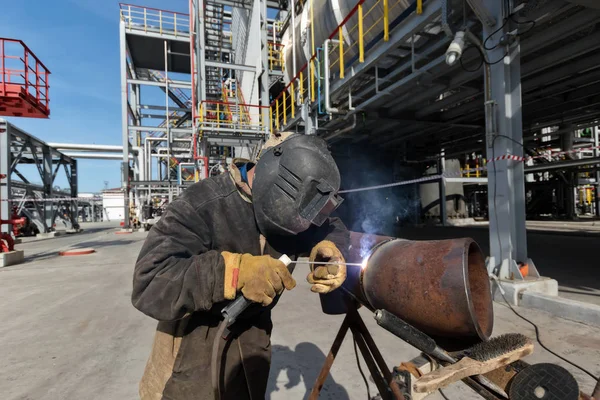
Sanctions imposed by the West, starting three decades ago, have restricted Russia’s access to special parts and technologies for refinery upgrades. While domestic production and imports from China have bridged a part of the gap, repairs remain costly and are sometimes late.
Repeated outages at Syzran and Ryazan, amongst others, complicate logistics and increase the burden on maintenance. Analysts warn that if the attacks continue spare capacity will be used up and that further, deeper cuts to output and exports will become unavoidable.
7. Energy Crisis among Civilians in Ukraine
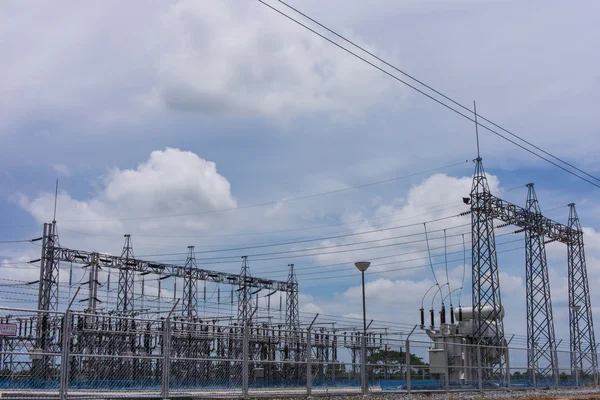
Missile and drone strikes by Russia against power plants, substations, and transmission lines across Ukraine have induced rolling blackouts and heating shortages. In early December, up to 50% of consumers were without electricity in Kyiv, including outages lasting up to 14 hours.
Prime Minister Yulia Svyrydenko announced measures aimed at reducing non‑essential lighting and allowing energy imports to stabilize the grid. Millions are facing a winter without reliable heat or water.
8. Diplomatic Maneuvers Amid Escalation
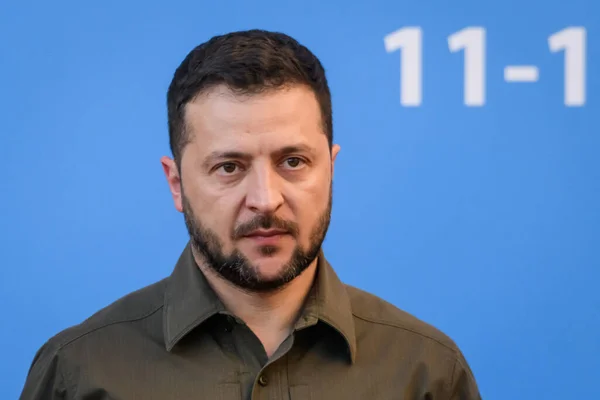
European leaders gathered in London with “robust security guarantees,” as Ukraine was promised more military and economic backing. President Volodymyr Zelensky was set to continue talks in Italy for long‑term agreements. But despite this, positions remain entrenched: Mr. Zelensky said he “has no right” to give up territory, while Russia shows no sign of abandoning its goals. Strikes have become a military tool and bargaining chip in high‑stakes diplomacy.
9. Constrained Operations of Black Sea
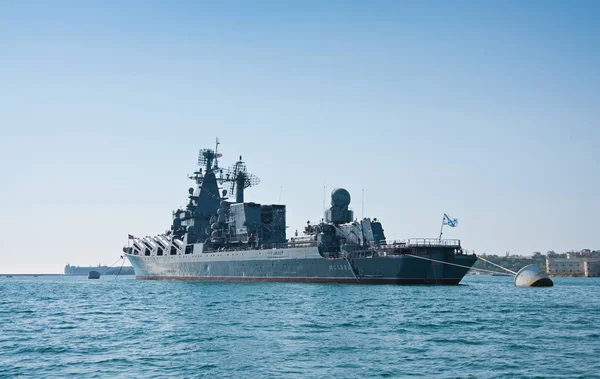
Fleet Due to the maritime drone campaign conducted by Ukraine, Russia’s Black Sea Fleet has been forced to relocate from Sevastopol to Novorossiysk, greatly decreasing any ability to operate near Crimea. Currently, the movements of the fleet are confined, for the most part, to short missile strikes before quickly retreating. If ordered to escort shadow fleet tankers, the fleet would be further exposed to UAV attacks beyond the reach of land‑based air defences.
This might allow Ukraine options to target and disable even more warships, further degrading Russia’s naval posture. The December strikes on Syzran and Temryuk epitomize how energy infrastructure has become a central front in the Russia‑Ukraine war. Ukraine’s integration of long‑range and maritime drones is reshaping operational realities, forcing Russia to adapt, while testing the limits of its spare capacity. As winter deepens and diplomatic channels strain, the interplay between battlefield technology, economic resilience, and civilian survival will define the next phase of this conflict.”


