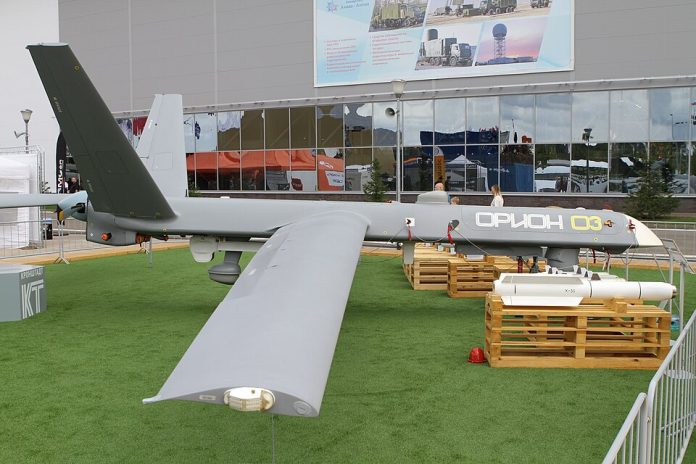
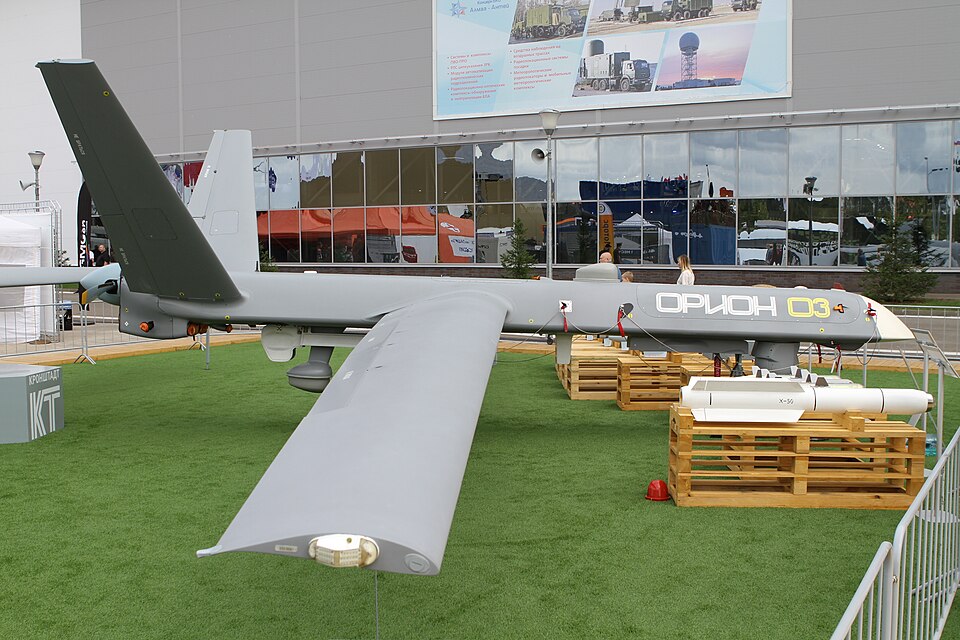
Long before dawn on November 27, 2025, a precision Ukrainian strike tore into the heart of Russia’s aerial reconnaissance network at Saky airfield in Crimea. The operation, confirmed several days later by Ukraine’s General Staff, took out three Orion long-endurance UAVs-each worth about $5 million-apart and crippled a key pillar of Russia’s intelligence-gathering capability in the Black Sea theatre.
It is not a singular attack, but part of a continuous, systematic campaign that has targeted everything from high-value oil depots to radar systems in what appeared to be a deliberate effort to degrade Russian reach. The destruction of the flagship drones serves as a highlight of how modern warfare is increasingly reshaped by unmanned systems, deep-strike planning, and rapid tactical adaptation.
The following sections outline in depth the most crucial areas of this attack and the broader implications, from the vulnerabilities exposed to the changing arms race in drone warfare.
1. The Strategic Vulnerability of Saky Airfield
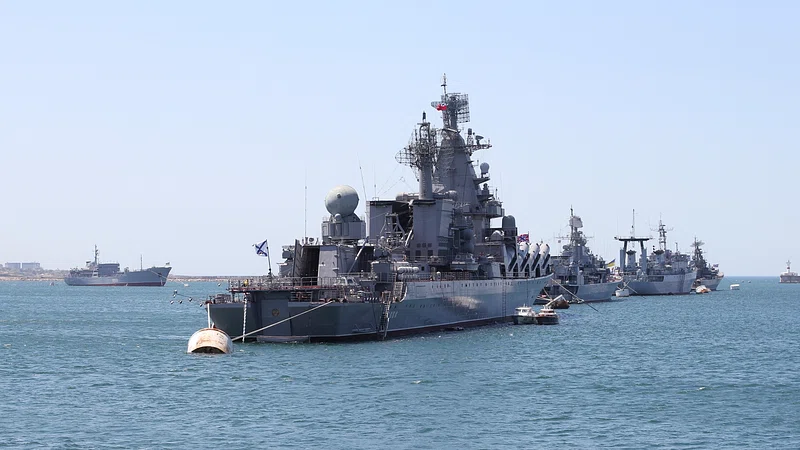
Saky airfield has long served as a nerve center for Russia’s Black Sea operations, hosting fighter jets, reconnaissance UAVs, and coordinating maritime patrols. Previous Ukrainian strikes had already destroyed several high-value aircraft here, but the November 27 attack showed the consistent vulnerability in Russian air defenses. The fact that the Ukrainian drones managed to breach this far to destroy assets stored in hangars-after neutralizing Pantsir-S1 and Tor-M2 systems-is a clear indication that even the most heavily defended hubs are within reach of precision strikes.
This is further compounded by the airfield’s role in securing the sea lanes and allowing strike sorties-the repeated targeting has cost not just Russian resources but also a forced redeployment of air defense assets across Crimea, a very costly affair.
2. Orion UAV Losses and Operational Impact
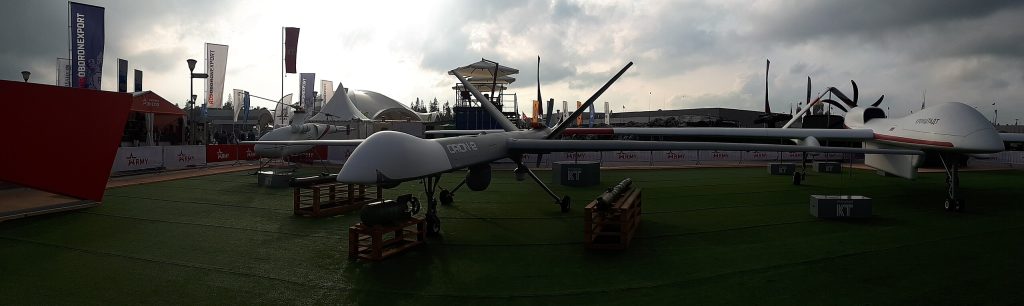
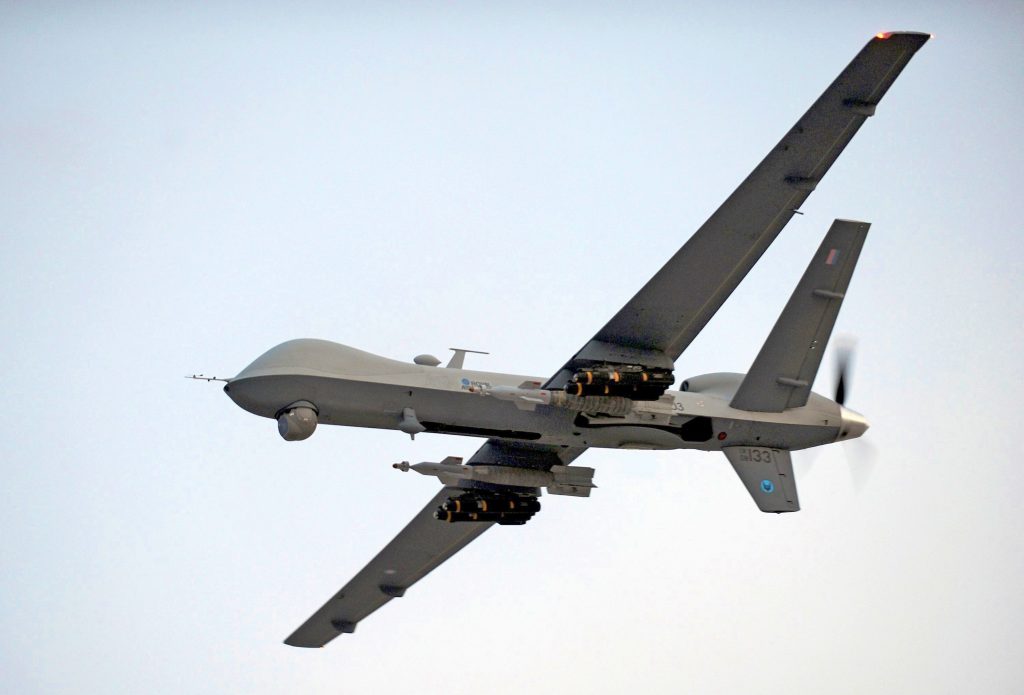
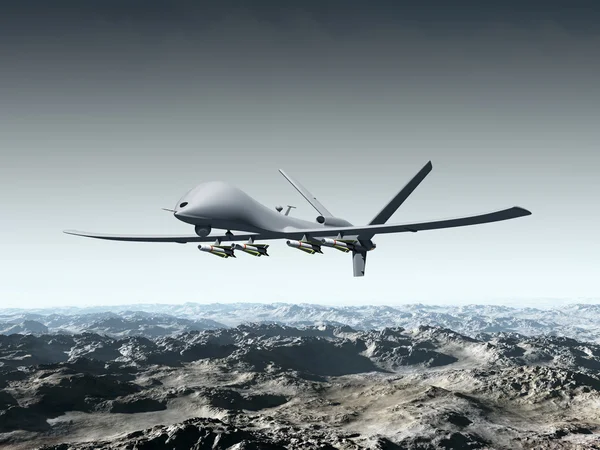
Orion is a 16.3-meter-wingspan, 24-hour mission-capable reconnaissance-strike UAV that is reputedly the best in Russia. Each platform is integrated with advanced optics and precision munitions, making it central to surveillance over Ukraine and NATO’s eastern flank. Confirmed destruction of three units represents at least $15 million in the loss of hardware alone, but the operational blow cuts deeper-reduced capability to maintain persistent ISR coverage.
Thus, with limited production capacity, the replacement for such highly advanced systems would require quite some time, which is tantamount to a gap in battlefield awareness during a critical phase of the conflict.
3. Integration with Ukraine’s Deep-Strike Campaign
The Sakī strike fits within Ukraine’s broader deep-strike doctrine that melds indigenous and allied intelligence to crack dense Russian air defenses. Ukrainian planners have, through practice, managed to refine the methods of mapping and then exploiting the weaknesses in sensor coverage that allow such strikes against strategic targets like oil refineries, radar sites, and UAV depots.
The General Staff claims that these operations are focused on a systematic degradation of Russia’s military-economic capability. Adding high-value UAVs into the target set reflects a shift toward blinding the Russian surveillance capability before follow-on strikes.

4. Russian Drone Fleet Under Pressure
Overall, production of Russian drones has increased, with estimates as high as 1,850 per month, but most of them are low-cost, expendable types. The more high-end platforms, like the Orion, remain scarce. Ukrainian strikes against such assets continue to force Moscow to decide between diverting resources from mass production or reduced ISR capabilities.
This pressure is compounded by Ukraine’s ability to also target storage and launch facilities, as seen in strikes on Forpost UAVs and other reconnaissance systems in Crimea.
5. Psychological and Morale Effects
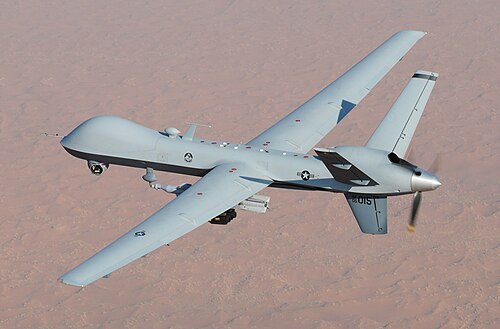
There is much more psychological baggage to the attack than the actual material losses. Destroying Russia’s premier UAVs at an ostensibly secure base undermines this perception of invulnerability. As the Ukrainian strategist exclaimed, “When we prove that no place is out of reach, it amplifies the uncertainty that hovers over the enemy.”
Such blows can erode not only troop morale but also public confidence, especially if tied to a pattern of successful deep strikes across multiple domains.
6. The Role of Allied Intelligence
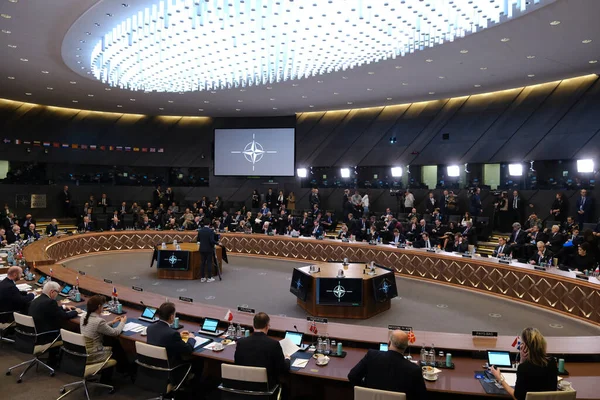
Western intelligence-sharing is also key to these operations. NATO partners provide a great deal of the reconnaissance intelligence that helps to inform Ukrainian forces on how to route, time, and assess post-strike effects. All this helps Ukraine’s military to find ways around or suppress Russian air defenses more effectively.
It is an intelligence quid-pro-quo; deep-strike missions undertaken by Ukraine give essential insights into how Russia lays out its defenses, thereby helping the military planning of allies even beyond the current conflict.
7. Counter-Adaptation by Russia
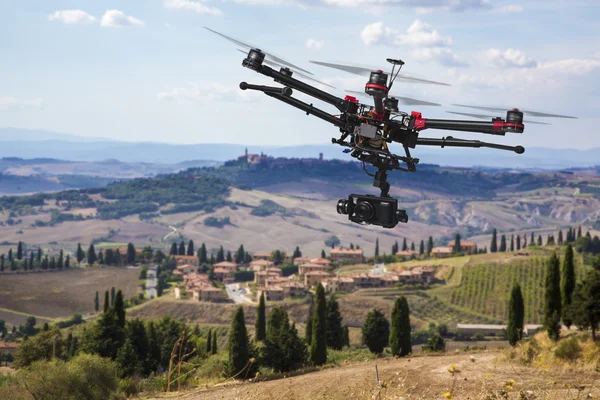
Moscow has invested in counter-drone measures, including fiber-optic-controlled UAVs immune to jamming and the deployment of Rubicon units to hunt Ukrainian operators. But the Saky incident shows how adaptation remains uneven: front-line drone warfare has gotten better, but strategic rear-area defenses remain exploitable.
Analysts indicate that Russia will, without question, disperse its high-value UAVs and harden storage facilities. These activities take time, however.
8. Increased Drone Arms Race
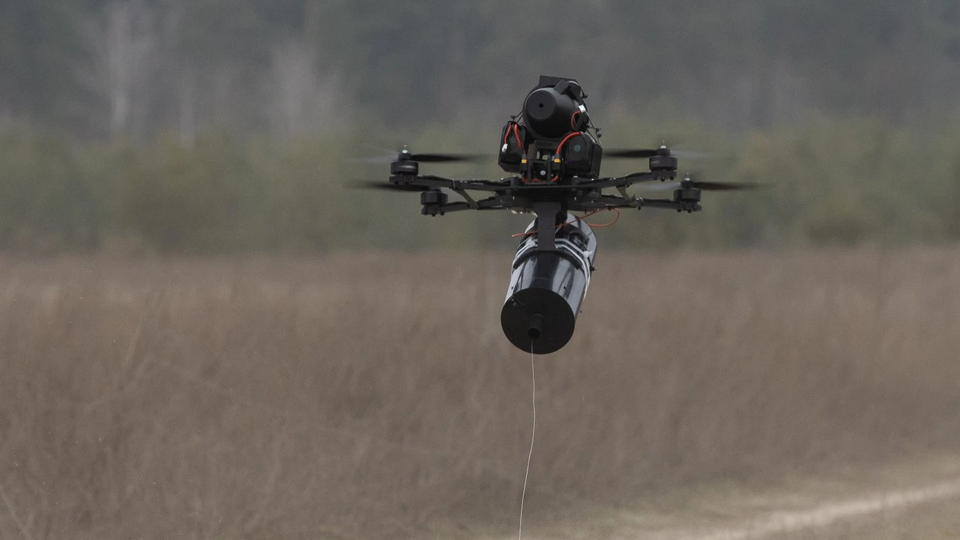
The attrition of the Orions is part of a broader arms race. Ukrainian indigenous production is expected to top 4.5 million drones in 2025, more than 2 million of them FPV strike platforms. Russia is scaling up its own production with the help of partners such as Iran and China, hoping for tens of thousands of Shahed-type drones every year.
The next round of competition will not be about just numbers, but integrating AI, longer ranges, and multi-domain from sea drones to loitering munitions.

9. Relating to Economic Warfare
The deep-strike campaign by Ukraine has already caused such damage to the Russian economy, including over 180 successful attacks against oil infrastructure in the year 2025 alone. Strikes on UAV assets complement this through degrading the systems protecting such infrastructure.
In compelling the Russians to make a choice between defending the industrial base and military assets, Ukraine increases pressure on Moscow’s strategic planning.
10. Future Battlefield Implications
The Saky strike underlines how, in unmanned systems, hunter and hunted have become synonymous-the more decisive high-value drones become enablers, the more they become prime targets. This rapid strike-counterstrike cycle is very likely to define future conflicts, where an opponent’s ISR network will be as decisive as destroying tanks or aircraft. That Ukraine can continue doing so presumes further innovation on its part, allied support, and the ability to outcompete Russian countermeasures.
More than a tactical success, the elimination of three Orion UAVs at Saky airfield showed how precision strikes on critical enablers can ripple through an adversary’s operational system. As Ukraine and Russia continue to push drone warfare, the contest is as much about the speed at which adaptations occur and strategic integration as it is about raw firepower. The coming months will test which of them protects its high-value assets better and continues to exploit vulnerabilities on the other.


