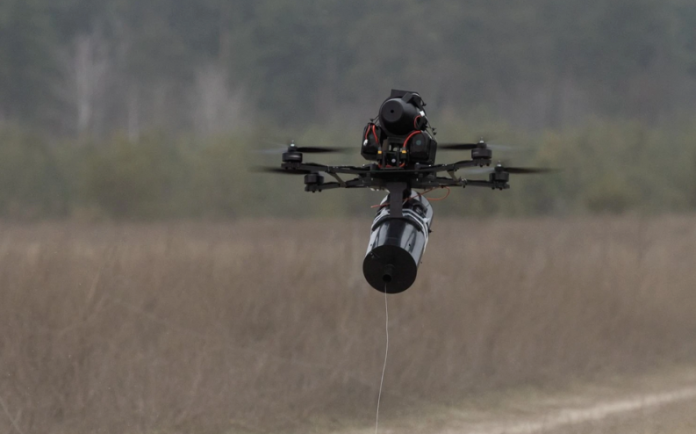

“How close can survival come in modern warfare?” It was a question that loomed in the minds of one Ukrainian special forces unit, in the Sumy region, until “meters” would soon be their answer. In September, 2025, a Russian fiber-optic FPV drone was closing in on their undefendable buggy with the objective of a direct strike. Although their gunfire didn’t alter its course, a quick last-minute change of course on behalf of the driver, who decided to stop the buggy abruptly, caused the explosion of the drone yards away. They crawled out, preparing for the worst, but soon found that they were unharmed.
This case, however, goes beyond the ‘frontline’ news report. It provides a perspective with regards to the ‘battlefield,’ increasingly being defined by technologies such as drones, as well as technologies with the purpose of ‘defending’ against them. With ‘Operations’ as well as ‘defense’ literature, this report provides ‘Nine key insights’ with regards to this ‘Ukraine-Russia war’ stage.
1. Case Study: Sumy Escape: Driver Skill Meets Drone Threat
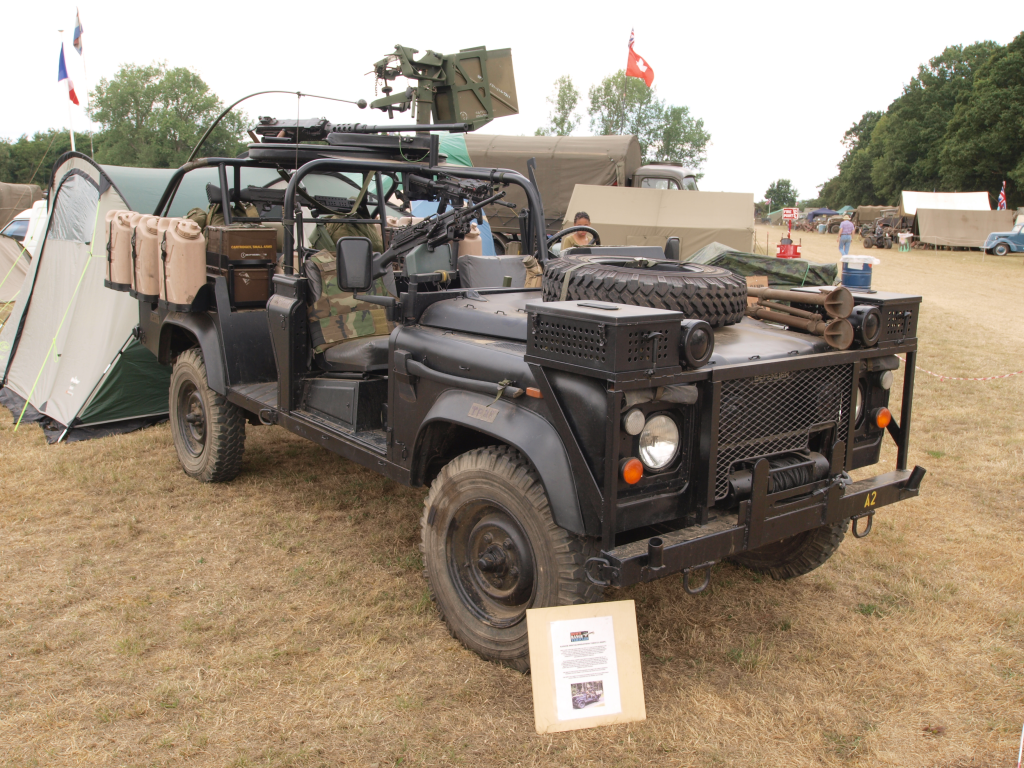
Armorless, with speed as its only protection, the buggy of the 4th Ranger Regiment was a fast-moving target. Just as the gunner of the Range Voron was lining up a shot, the Russian fiber-optic FPV drone appeared from behind, well out of jamming range thanks to its cable communications. However, this gunner was not on target, as hitting a fast-moving drone with a fast-moving vehicle is notoriously difficult.
The driver of the Range Voron slams on the brakes, allowing the drone to overshoot, blowing up roadside. A drone operator broke his leg as he jumped from the wreckage, showing that evading danger may come with a cost. Khyzhak, the commander, identified the driver’s skill as necessary in this near-miss situation.
2. Fiber Optic Drones: EW
What differs fiber-optic drones from traditional RPVs is that their signals operate via cables unspooled from their operators, so fiber-optic drones are entirely ‘jam-proof’ as regards EW devices. At the moment, as Beskrestnov cited, ‘tactical ranges’ of such drones ‘can be up to 20 km, which makes them capable of targeting logistics positioned well behind the frontline.’ By the way, their warheads weigh merely 1.5 to 3 kg, causing unarmored transports to be reduced to junk with their passengers wounded.
3. Mothership Strategies: Molniya as FPV Carrier
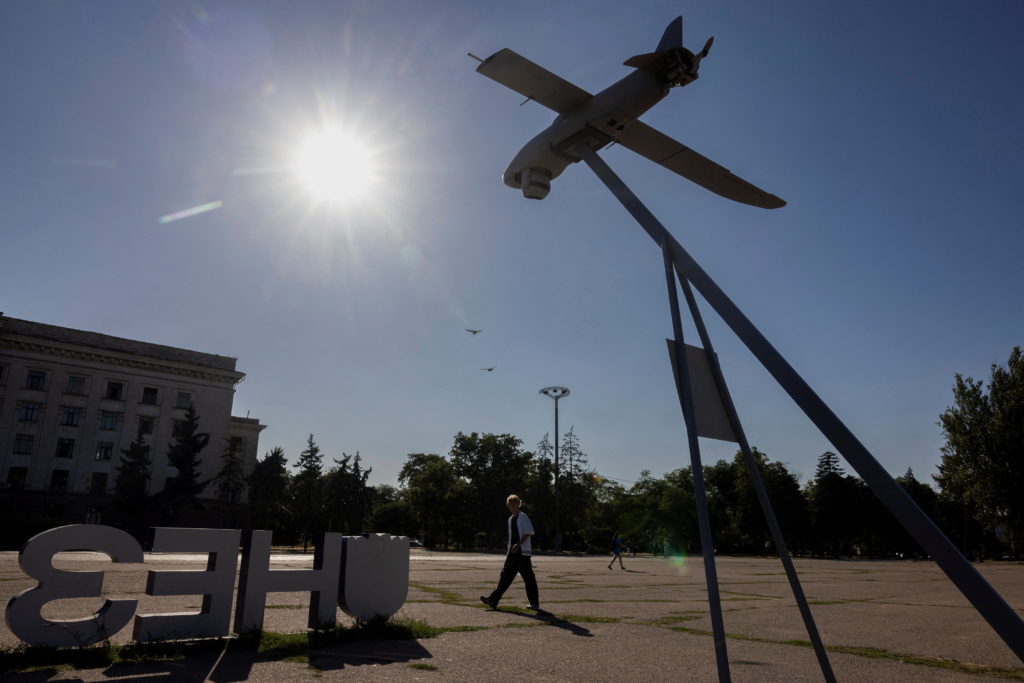
At present, the Russian drones, Molniya, use one or two FPVs as air launch platforms. This will increase the strike range of FPVs into the Ukrainian positions, as the strike range of the FPVs will likely be in dozens of kilometers. But subsequently, the Molniya drone itself can also be used as a strike drone, with anti-tank mines being involved periodically. Molniya has been called the ‘aircraft carrier’ of the air.
4. Rubicon Units: Russia’s Drone Vanguard
Rubicon Center for Advanced Unmanned Technologies is a force to reckon with as far as drone technology is concerned for the Russian side. Used in hostile regions such as Kostiantynivka, Rubicons comprise fiber-optic drones, the mother ship, as well as anti-drone systems. Ukrainian commanders declared quick depletion of equipment, as well as communications, as soon as the Rubicons cross the boundary into the war zone. Carnegie Endowment’s ‘Michael Kofman’ went ahead to explain that Rubicons not only exhibit strong drone capabilities but also ‘train other Russian forces.’

5. Battlefield Air Interdiction with UAV
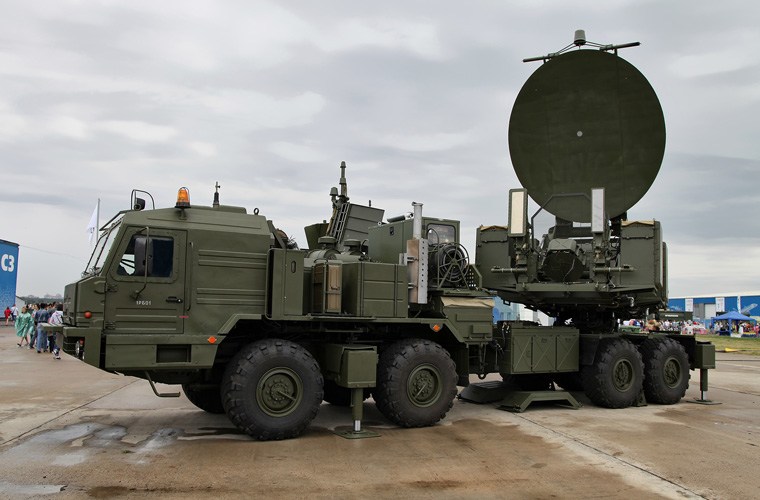
In the Russian FPV, as well as loitering munitions, there is a partial realization of air interdiction effects, as roads within a distance of up to 50km behind the frontline have been targeted. Roads such as T0514 in the Donetsk region have been declared off-limits due to constant drone strikes, as Ukrainian forces must march their supplies through.
6. Sleeper Drones: Hidden Ambush Weapons
Russia’s military also employs sleeper FPV drones that come with hibernation modules. Such drones will come down on top of a roof or a road, turn off, and remain silent until they can be controlled remotely for an attack. Fiber-optic control assists such drones in evading detection by most EW devices.
7. Thermobaric warheads for UAV
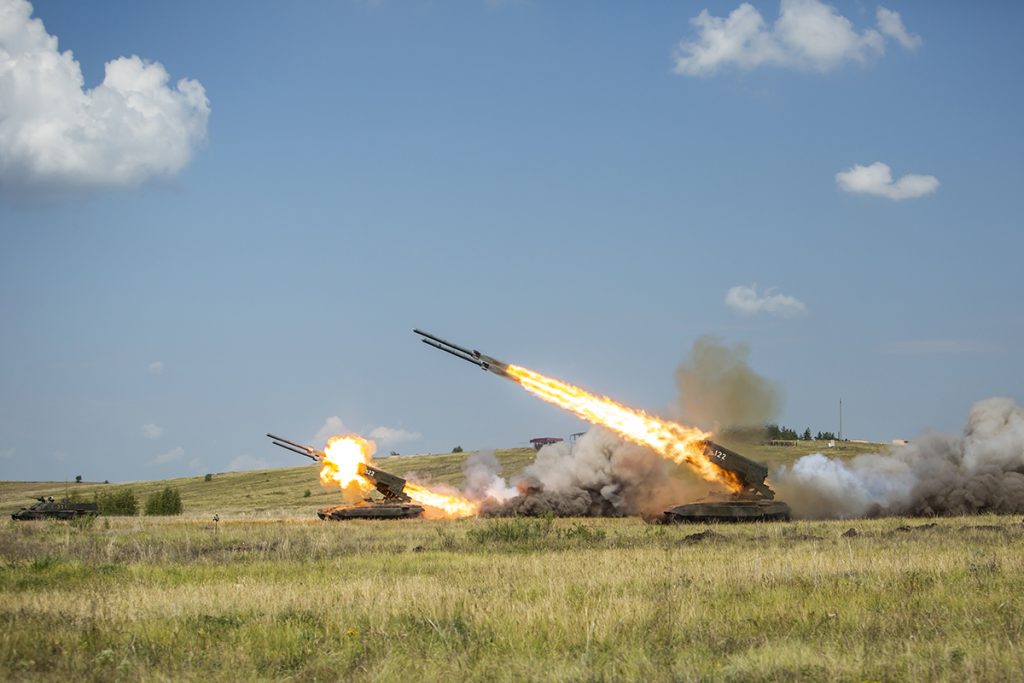
Thermobaric bombs, which were being used on the Russian side in targeting well-fortified positions with their Molniya-2 Lancet drones, consist of the discharge of explosive aerosol prior to burning, with higher temperatures as well as low oxygen. Evidence that was brought forth from the Sumy Oblast includes the targeting of trenches as well as bunkers.

8. Innovations for Counter-Drone
With many FPV drones, as well as fiber-optic threats, the Ukrainian army turns to kinetic interceptors such as Shrike FPV drones that cost between $300-$500, gunning robots designed for low-flying planes, as well as prototypes for reusable interceptors. Mobile fire units, together with anti-drone meshes, secure strategic roads, although drone storms launched by the Russian army breakthrough meshes. Lt. Col. Yurii Myronenko estimates that drones comprise “90% of the targeted objects” on the frontline.
9. Cat-and-Mouse Cycle in Drone
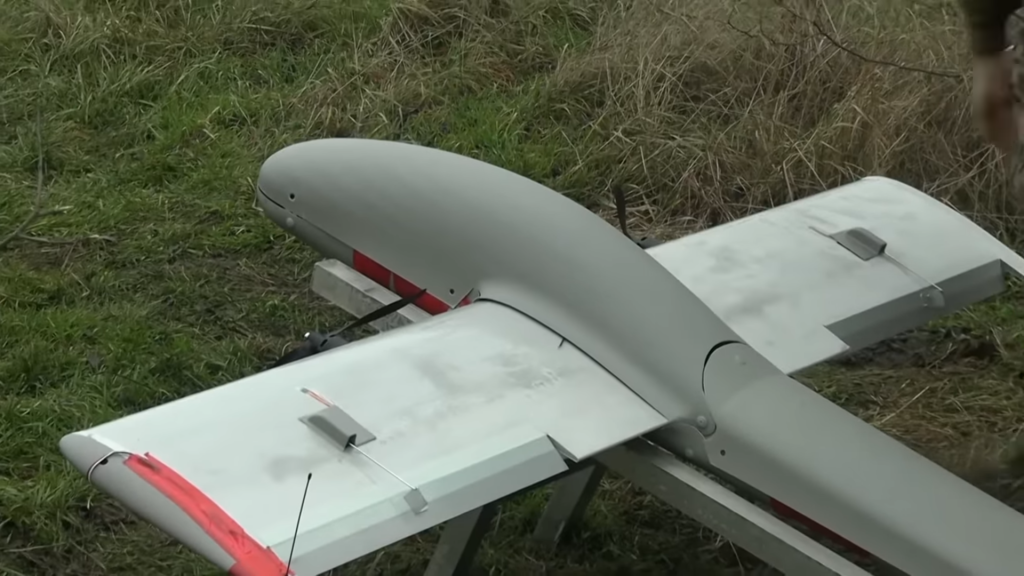
Warfare Both sides always come up with ways to counter. With its use of repeaters, AI-drone technology, and others that manage to evade EW, there will always be a demand for upgrades on the Ukrainian side. “Technologies offer an incredible advantage that is only good for a fixed duration, until they can be neutralized,” Lt. Col. Myronenko explains. “This pace of evolution will mean that ground forces must use them virtually as soon as they become available.
“The corollary of the Sumy escape is that the difference between victory and defeat may be razor-thin in a drone-disrupted war zone. Fiber-optic strike platforms, ‘mother ships,’ ambushers that lie dormant until launched, will remain war zone hallmarks, as innovation in unmanned warfare drives such battlefields. Innovation will call for constant adaptation, as with any soldier, “it is always necessary for the soldier.to watch the coming shift before it occurs.”


